
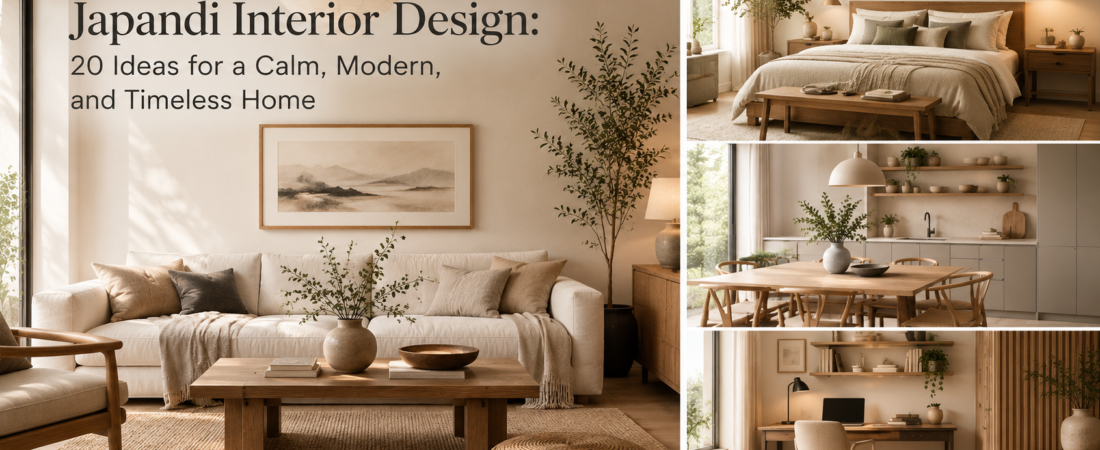
Have you ever walked into a room and immediately felt your shoulders relax? Maybe the light was soft, the furniture looked beautifully simple, and natural materials gave the space a quiet sense of warmth. Nothing felt overdone, yet every detail seemed to belong. That is the appeal of Japandi interior design—a thoughtful approach to decorating that combines the calm simplicity of Japanese interiors with the warmth and functionality of Scandinavian design.
Japandi has become a popular direction for homeowners who want a stylish space without filling every corner with furniture, accessories, and decorative objects. Instead of chasing a perfectly polished showroom look, it encourages you to create rooms that feel comfortable, practical, and connected to nature. Think warm wood, tactile linen, earthy colors, handmade ceramics, uncluttered surfaces, and furniture that serves a purpose.
The beauty of this style is its flexibility. You can use it to create a light and airy living room, a cozy bedroom, a sophisticated dark interior, or a contemporary apartment that feels larger and more peaceful. You do not need to renovate your entire home or buy expensive designer furniture to get started. A few carefully chosen changes can make a meaningful difference.
In this guide, you will discover what is Japandi interior design, which materials and colors define the look, and how to apply the style in living rooms, bedrooms, kitchens, bathrooms, and small spaces. You will also learn how to avoid common decorating mistakes and create a Japandi-inspired home that feels personal rather than copied from a catalog.
1. What Is Japandi Interior Design?
Japandi interior design is a decorating style that blends Japanese design principles with Scandinavian interiors. Both traditions value simplicity, practical beauty, natural materials, and a strong relationship between a room and the people who use it. Japanese interiors often emphasize balance, restraint, craftsmanship, and the beauty of imperfect natural objects. Scandinavian interiors bring warmth, comfort, functional furniture, and an inviting atmosphere that makes everyday life feel easier.
Japandi brings these qualities together without requiring you to follow every rule of either tradition. You might see a low wooden coffee table inspired by Japanese furniture, a comfortable Scandinavian-style sofa, linen cushions, and a handmade ceramic vase arranged against a softly textured wall. Each element contributes something useful or beautiful, but nothing competes too aggressively for attention.
One reason the style works so well is that it avoids two common decorating extremes. A minimalist room can sometimes feel cold when it contains too many hard surfaces and too little texture. On the other hand, a cozy room can become visually overwhelming when it accumulates too many accessories, colors, and patterns. Japandi finds a middle ground by pairing uncluttered design with materials that feel warm and natural.
It also encourages a more thoughtful relationship with possessions. Rather than buying several decorative objects simply to fill empty shelves, you select a few pieces that have a purpose, a personal meaning, or an appealing handmade quality. This does not mean your home must be sparse or that you cannot display sentimental belongings. It means giving each item enough space to be appreciated.
For example, a Japandi living room might contain a comfortable sofa, a solid wood table, a textured rug, and one striking branch arrangement. The room feels complete because the proportions, materials, and lighting work together. It does not need a dozen accessories to communicate style.
The most useful principle is simple: choose fewer things, but choose them thoughtfully. When you design around comfort, functionality, and natural beauty, your home can feel sophisticated without appearing formal or expensive.
The Japanese and Scandinavian Influences Behind Japandi
Japanese design contributes a sense of restraint, balance, and respect for natural materials. Concepts associated with traditional Japanese aesthetics include wabi-sabi, which appreciates imperfection, impermanence, and the character of handmade objects. In an interior, that might mean choosing a ceramic bowl with a slightly irregular glaze, a wooden table with visible grain, or a linen curtain that hangs naturally rather than appearing perfectly rigid.
Scandinavian design adds an emphasis on everyday comfort and practical living. Furniture tends to be functional, shapes are often clean and uncomplicated, and natural light plays an important role in the overall atmosphere. Soft textiles, warm wood, and comfortable seating prevent simplicity from feeling severe. The result is a room that looks considered but still invites you to sit down, read a book, share a meal, or spend an unhurried evening at home.
These influences complement each other because neither depends on excessive decoration. Both make the quality of materials, the usefulness of furniture, and the experience of living in a room more important than the number of objects it contains.
You can express this balance in a very ordinary home. Pair a simple wooden dining table with comfortable upholstered chairs. Add a handmade bowl as a centerpiece, then let the table’s natural grain remain visible. Choose warm lighting instead of a harsh ceiling fixture, and keep nearby surfaces relatively clear. You have created a Japandi-inspired setting without needing traditional Japanese architecture or a Scandinavian cabin.
The key is to combine influences naturally rather than treating them as separate themes. A room filled with Japanese ornaments on one side and Scandinavian accessories on the other may feel staged. A room in which materials, proportions, and colors work together will feel much more authentic.
2. The Key Elements of Japandi Interior Design Style
The defining features of Japandi interior design style are simplicity, natural materials, restrained color, practical furniture, and carefully considered details. These elements work together to create a space that feels relaxed rather than empty. You do not have to use every characteristic in every room, but understanding them helps you make decorating decisions that support the same overall look.
Start by thinking about how the room functions. Where do people sit? How does natural light move through the space? Which items need to remain accessible, and which objects are simply taking up room? Japandi design begins with these everyday questions instead of starting with decorative purchases.
Furniture generally has clean silhouettes and balanced proportions. That does not mean every piece must be square or angular. A rounded coffee table, curved chair, or gently shaped ceramic vessel can soften the geometry of a room. The goal is to avoid unnecessary visual complexity while retaining enough variety to make the space feel interesting.
Color is equally important. Cream, warm white, sand, taupe, muted gray, and earthy brown form a versatile foundation. Deeper shades such as charcoal, forest green, and dark walnut can add contrast when used deliberately. These colors allow wood grain, fabric texture, and subtle architectural details to become part of the design rather than competing with bold patterns.
Natural materials give the style its character. Oak, ash, walnut, bamboo, linen, cotton, wool, stone, and clay all offer different textures and visual qualities. You do not need to use every material at once. A few well-matched surfaces usually look more harmonious than a room filled with unrelated finishes.
Another essential feature is negative space—the open area around furniture and objects. Empty space gives the eye somewhere to rest and makes individual pieces easier to appreciate. It also improves how a room functions by allowing people to move comfortably.
Finally, Japandi design values longevity. Instead of choosing furniture only because it is fashionable this season, look for pieces that are comfortable, durable, repairable, and suited to your daily habits. A beautifully made table that serves your household for years is more in keeping with the spirit of Japandi than a collection of short-lived decorative trends.
Natural Materials, Clean Lines, and Intentional Simplicity
Natural materials are more than a visual feature in Japandi interiors; they provide the texture that keeps simple rooms from feeling flat. Wood has visible grain and subtle color variation. Linen has a relaxed, slightly irregular surface. Stone may contain delicate veins or natural speckles. These details create interest without requiring busy prints or bright colors.
Clean lines help those materials stand out. A wooden bed with a simple frame, a sofa with an uncomplicated silhouette, or a dining table with tapered legs can establish the room’s structure. When furniture has a clear purpose and a straightforward shape, it is easier to combine different pieces without creating visual noise.
Intentional simplicity also means knowing when to stop. Imagine decorating a console table. You could cover it with framed pictures, candles, books, bowls, and ornaments, or you could choose one ceramic vessel and a small stack of books. The second arrangement may be more effective because each item has room to make an impression. The objective is not to remove personality; it is to give personality a clearer expression.
This principle can be especially useful when working with a limited budget. You may not be able to replace every piece of furniture, but you can simplify what is already there. Remove items that do not serve a purpose, group related objects together, and introduce a natural texture through a cushion cover, a woven basket, or a linen table runner.
Think about maintenance, too. A practical Japandi home should be easy to live in. Closed storage can hide everyday clutter, washable fabrics can make family spaces more manageable, and durable finishes can reduce the need for constant replacement. Beauty becomes more meaningful when it supports ordinary life rather than creating extra work.
A good test is to ask whether each design choice improves comfort, function, or atmosphere. If it does none of these things, consider leaving it out. That simple habit helps create rooms that feel cohesive, personal, and genuinely restful.
3. How to Choose a Japandi Color Palette
The right color palette can make your Japandi interior feel cohesive before you purchase a single new accessory. Most Japandi interior design schemes begin with nature-inspired neutrals: warm white, ivory, oatmeal, sand, beige, taupe, and soft gray. These shades create a quiet background that allows natural wood, woven fabrics, and handmade objects to stand out. Rather than using a sharp, clinical white throughout the room, consider warmer tones that feel inviting in both daylight and evening light.


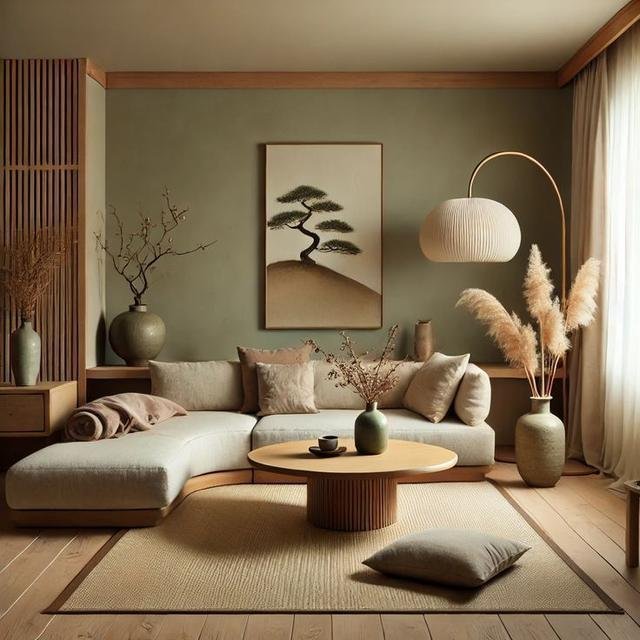
Wood tones can guide your palette. Light oak and ash work beautifully with cream, pale gray, and soft beige, creating a bright and airy atmosphere. Walnut and smoked oak introduce deeper brown notes that pair well with muted greens, clay tones, and charcoal. You can mix different wood finishes, but try to keep their undertones compatible. A room with several unrelated wood colors may look accidental, while a considered combination feels layered and natural.
Muted green is a particularly useful accent because it connects the interior with the outdoors. Sage, olive, and moss can appear in cushions, ceramics, artwork, or plants. Terracotta and rust add warmth without overpowering the room, while charcoal and black provide definition through lighting, picture frames, or furniture legs. Think of these stronger colors as punctuation: a little can make the entire palette more expressive.
Before committing to paint or large furniture pieces, test your colors in the actual room. A beige that looks warm in a showroom may appear pink or gray under your home’s lighting. Observe samples in the morning, afternoon, and evening, and place them beside your flooring and existing furniture. This small step can prevent expensive mistakes.
The best palette is not necessarily the palest one. Japandi interiors can be light, earthy, or dramatically dark. What matters is the relationship between the shades and the feeling they create. Choose colors that support your home’s natural light, your preferred mood, and the way you want to use each room.
4. Japandi Interior Design Living Room Ideas
A japandi interior design living room should feel welcoming, uncluttered, and comfortable enough for everyday life. It is not a room designed only to look beautiful in photographs. It needs to accommodate conversations, quiet evenings, reading, entertaining, and whatever else happens in your home. Start with the main seating arrangement, then build the rest of the room around movement, natural light, and a few carefully selected materials.
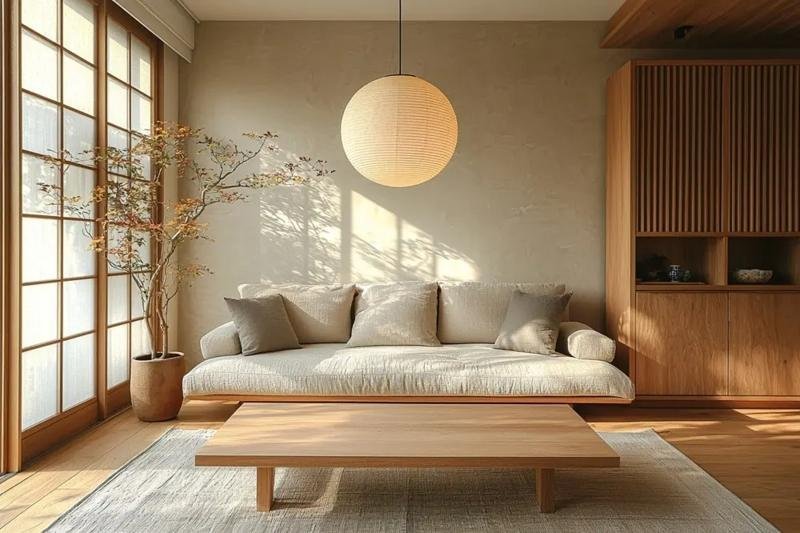
Choose a sofa with a simple silhouette and comfortable proportions. Cream, warm gray, oatmeal, and taupe are versatile upholstery colors, although a muted olive or earthy brown can work just as well. Pair the sofa with a wooden coffee table, a textured rug, and one or two side tables that provide practical surfaces without crowding the seating area. Furniture should relate to the room’s scale: oversized pieces can make a small living room feel cramped, while undersized furniture can leave a large space looking unfinished.
Use texture to bring warmth into the design. Linen cushions, a wool throw, a woven rug, and a wooden tray introduce variety without adding strong patterns. You might place a ceramic vase on the coffee table or display a single branch in a tall vessel near a window. These details feel deliberate when the surrounding surfaces remain relatively calm.
Storage is another important part of the equation. Remote controls, chargers, children’s toys, paperwork, and other everyday items can quickly undermine a minimalist room. A low sideboard, closed cabinet, or woven storage basket can help keep essentials nearby without leaving every surface covered. The goal is not to hide all evidence of real life, but to make the room easier to maintain.
Lighting should work in layers. Combine natural daylight with a floor lamp, table lamp, and soft overhead fixture when appropriate. Warm light can make pale walls and natural wood feel more inviting after sunset. Avoid relying on a single harsh ceiling light, especially if the living room is also where you unwind at the end of the day.
For additional inspiration, explore these modern living room lighting ideas and adapt the approaches that suit your layout. The most successful Japandi living room is one that feels balanced and personal, not one that follows a rigid checklist.
Low-Profile Furniture and a Relaxed Layout
Low-profile furniture is often associated with Japanese interiors, and it can give a living room a grounded, relaxed appearance. A low sofa, a simple wooden coffee table, or a bench with clean lines helps preserve visual openness, particularly in rooms with large windows or uncluttered walls. These pieces draw attention toward the horizontal lines of the room and can make the overall arrangement feel calm.
However, low furniture is not a requirement. If you have mobility concerns, prefer a higher seat, or live with people who find low sofas uncomfortable, choose furniture that supports your needs. Japandi design should improve daily living rather than make it inconvenient. A comfortable chair with a simple profile can fit the style just as well as a traditional low lounge chair.
When arranging the room, leave enough space to walk naturally between the sofa, coffee table, and doorway. Avoid placing furniture against every wall simply because that seems like the obvious layout. Sometimes bringing the seating slightly inward creates a more intimate conversation area. In other rooms, keeping furniture closer to the walls leaves a useful open zone for children or movement.
The coffee table should be proportional to the seating and easy to reach. Rounded or oval tables can soften a room dominated by straight lines, while rectangular tables work well with long sofas. If you need extra flexibility, consider a pair of small nesting tables instead of one large piece.
Finally, let the layout reflect how you actually spend time in the room. If you read, make space for a comfortable chair and a lamp. If you entertain, prioritize clear circulation and seating that encourages conversation. A successful Japandi layout is quiet visually, but it is never careless about function.
5. Living Room Japandi Interior Design with Natural Textures
Living room japandi interior design works best when simplicity is balanced by tactile detail. Without texture, a neutral room can look flat, particularly if the walls, sofa, rug, and curtains are all similar shades. Natural materials solve this problem by creating subtle differences that you notice both visually and through touch. A linen cushion catches light differently from a wool throw, while a wooden tabletop brings warmth to a room filled with soft upholstery.

Begin with the largest surfaces. A natural-fiber or wool rug can anchor the seating area, while linen or cotton curtains soften windows. Upholstery in a textured weave adds depth without relying on a busy pattern. If your room already has wood flooring, a rug can introduce contrast and make the seating zone feel more defined.
Next, add a small number of contrasting materials. A stone tray on a wooden table, a handmade ceramic vessel beside a linen sofa, or a woven basket near a smooth cabinet can create visual interest. The contrast is subtle, but it helps the room feel collected rather than uniform. Try to repeat certain materials in more than one place so that the design feels connected. For example, oak in the coffee table might appear again in a side table or picture frame.
Plants can also add texture and movement. A leafy plant in a simple pot introduces organic shapes that soften straight furniture lines. If you prefer not to maintain houseplants, a branch arrangement or dried stems can provide a similar visual effect. Keep the arrangement proportionate to the room, and avoid filling every available corner with greenery.
Be selective with decorative patterns. A small geometric weave or an understated stripe can work beautifully, but multiple bold prints may compete with the calm atmosphere. Texture usually offers a more subtle way to create variety.
When shopping, touch fabrics and inspect material samples instead of relying only on product photographs. Two cushions in the same color can look completely different when one has a smooth synthetic surface and the other has a rich natural weave. Those differences are what give a Japandi living room its understated character.
6. Modern Japandi Interior Design for Contemporary Homes
Modern japandi interior design adapts the style’s natural warmth and simplicity to the needs of contemporary homes. It works especially well in apartments, renovated houses, and open-plan spaces where clean architecture provides a strong foundation. Large windows, simple cabinetry, uncluttered walls, and functional furniture all support the look, but you do not need a newly built home to achieve it.
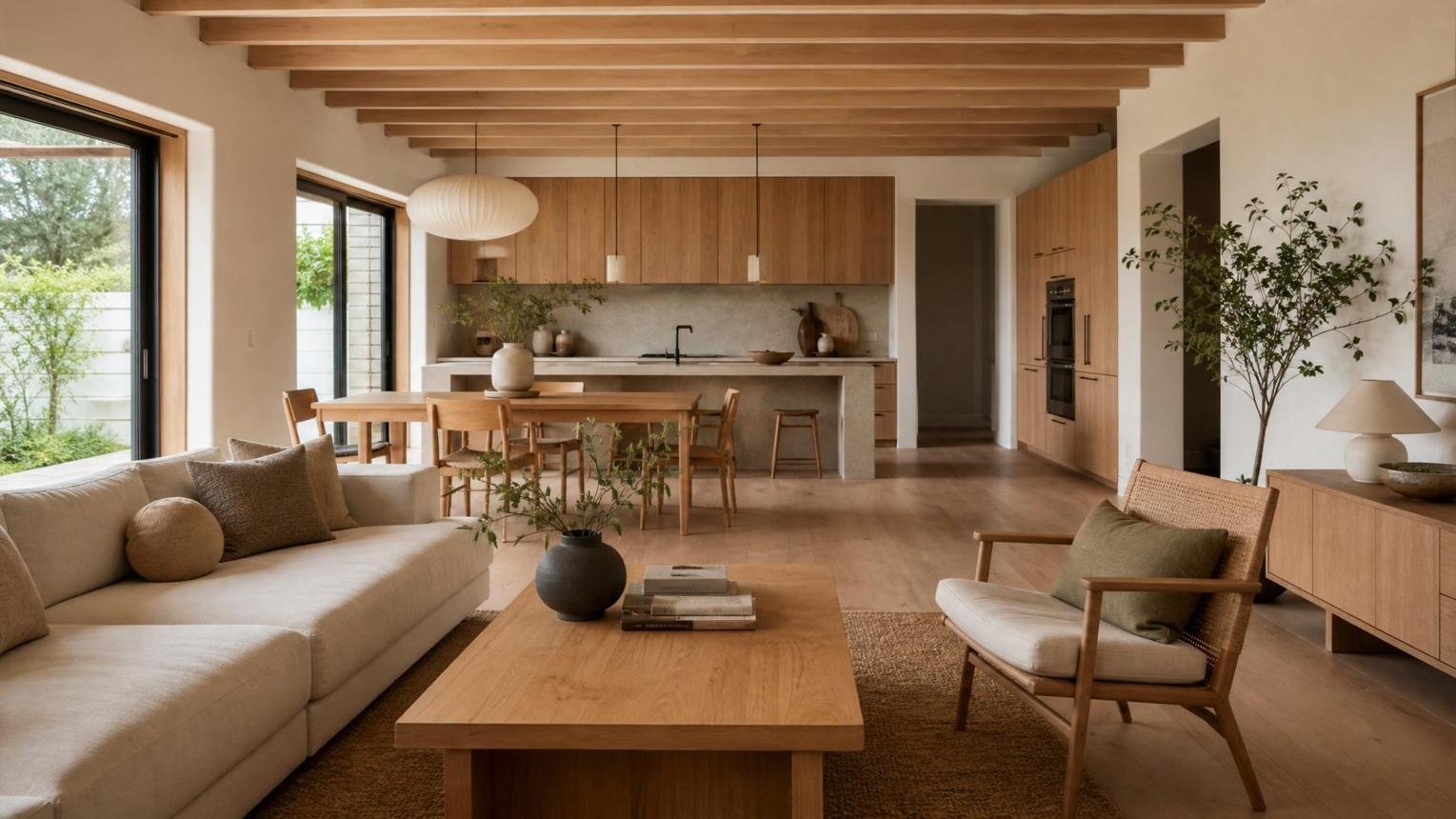
A modern Japandi room often combines streamlined furniture with natural finishes. Think of a simple oak media console, a sculptural lounge chair, a low sofa, and a dining table with a solid, uncomplicated shape. The furniture can feel contemporary without becoming overly futuristic. Rounded corners and organic forms help soften straight architectural lines.
Technology can fit into the room without becoming its visual focus. Mounting a television neatly, organizing cables, and choosing storage that conceals electronics can preserve the room’s calm appearance. This is not about pretending modern life does not exist; it is about integrating its practical requirements thoughtfully.
Open-plan layouts benefit from consistent materials and a restrained palette. You might repeat the same wood tone in kitchen cabinetry, dining furniture, and living room accents. A shared palette helps separate areas feel connected even when each serves a different purpose. Rugs, pendant lights, and furniture placement can define zones without requiring unnecessary partitions.
Contemporary lighting is another opportunity to combine simplicity with personality. A pendant with a clean silhouette, a discreet wall light, or a sculptural floor lamp can become a focal point while remaining functional. Choose fixtures that produce comfortable light rather than selecting them only for their appearance.
You can also introduce modern artwork, but allow it space to breathe. One large abstract piece may be more effective than a busy gallery wall if the goal is a restrained, peaceful interior. For more ideas that can be adapted to your own home, browse these modern interior design ideas.
Modern Japandi is not about making a home look empty or overly coordinated. It is about creating a contemporary space in which materials, furniture, lighting, and everyday routines support one another. The result should feel current while remaining comfortable enough to enjoy for years.
7. Dark Japandi Interior Design: Moody and Sophisticated
Dark japandi interior design proves that this style does not have to rely on pale walls and light wood. Deep brown, charcoal, muted black, forest green, and smoky gray can create a room that feels intimate and sophisticated. When these shades are paired with natural textures and thoughtful lighting, the result can be dramatic without feeling harsh.
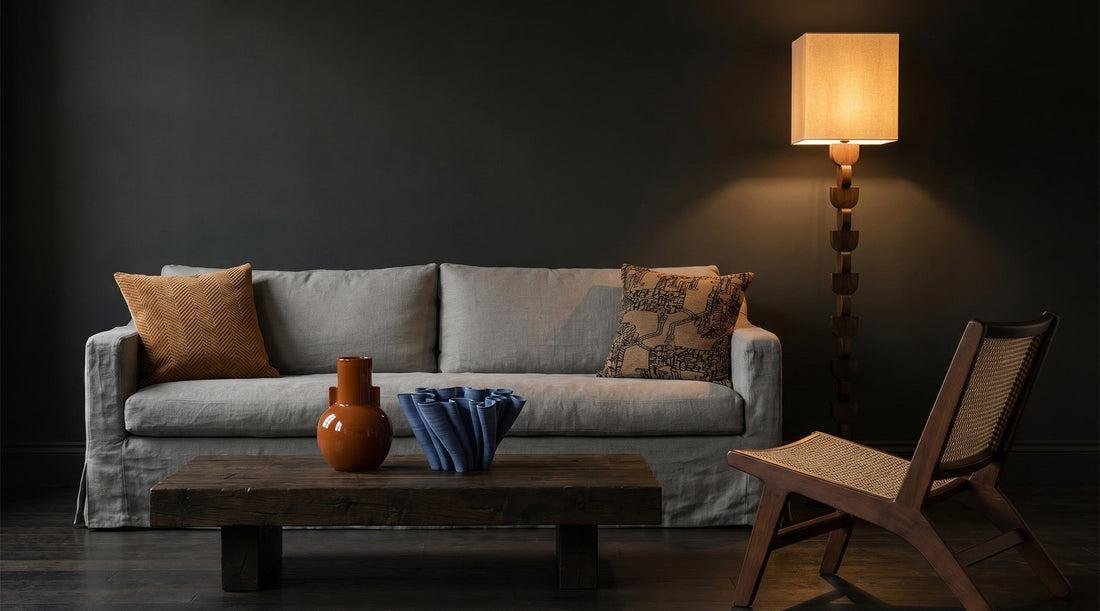
The key is to introduce darkness with intention. You might use a deep charcoal accent wall behind the bed, dark walnut furniture in a living room, or a forest-green cabinet in a dining area. These elements establish depth while allowing lighter textiles, wood grain, and ceramics to remain visible. If every surface is dark and smooth, the room may feel flat, so texture becomes especially important.
Combine dark finishes with tactile materials such as linen, wool, brushed wood, stone, and matte ceramics. A charcoal wall beside a linen sofa can create a beautiful contrast, while a dark wooden table paired with a cream rug helps prevent the room from feeling heavy. Warm metallic details can work in small doses, but they should not overwhelm the natural character of the space.
Lighting deserves extra attention in a dark interior. Use several sources at different heights: a table lamp, a floor lamp, wall lighting, and an appropriate overhead fixture. Warm, diffused light can bring out the richness of dark finishes and make seating areas feel inviting. Keep window treatments flexible so that daylight can still enter during the day.
Dark Japandi can also be effective in a bedroom, where a deeper palette may create a cocoon-like atmosphere. If your room is small or receives limited daylight, introduce lighter bedding, a pale rug, or natural wood accents to maintain balance. You do not need to make every wall dark to create the mood.
Before painting an entire room, test a sample on more than one wall and observe it at different times. Dark colors can change dramatically as daylight fades. With the right combination of contrast, texture, and lighting, a dark Japandi room can feel warm, layered, and quietly luxurious.
8. Japandi Interior Design Bedroom Ideas
A japandi interior design bedroom should feel like a personal retreat from the noise of everyday life. The bedroom is where you rest, reset, and prepare for another day, so its design should prioritize comfort as much as appearance. Soft colors, natural materials, useful storage, and gentle lighting create an environment that feels peaceful without becoming impersonal.
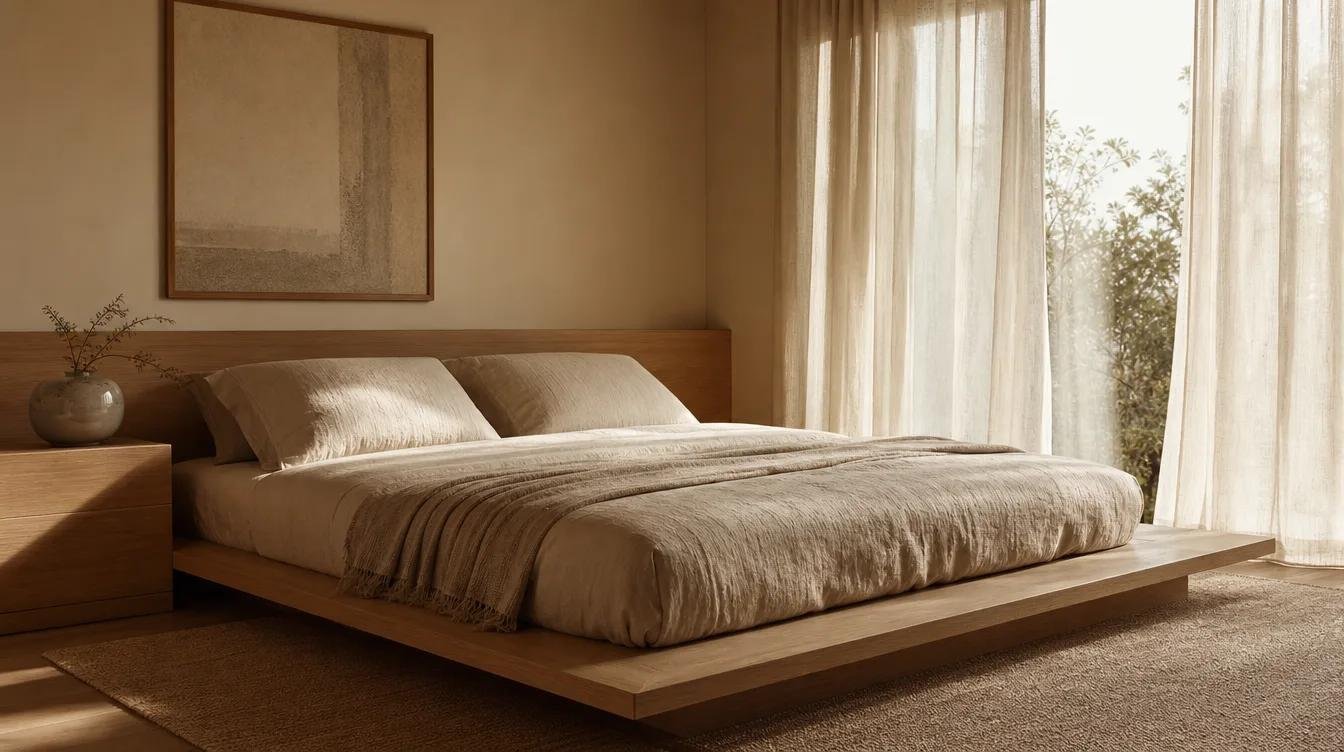
Start with the bed because it usually occupies the largest visual area. A simple wooden frame or upholstered headboard can establish the room’s character. Choose bedding in breathable fabrics and a restrained palette, such as ivory, oatmeal, warm gray, or muted olive. Layering a duvet, a lightweight blanket, and a few pillows creates depth without requiring decorative excess.
Bedside tables should provide enough room for the objects you genuinely use. A lamp, a book, and a small dish for jewelry may be all you need. If you require more storage, select a practical bedside cabinet rather than sacrificing function to achieve a minimal look. Keeping everyday items organized makes the room easier to maintain and helps the design remain calm.
Lighting can transform the atmosphere. Use bedside lamps or wall-mounted reading lights to create a softer alternative to bright overhead lighting. If you enjoy reading before bed, make sure the light is directed where you need it. Curtains or blinds should also allow you to control privacy and daylight, while a textured rug can make the room feel warmer underfoot.
Decor should be personal but restrained. One piece of artwork, a ceramic vase, or a small plant can add character. You do not need matching accessories on both sides of the bed if symmetry does not suit the room, although a balanced arrangement often feels restful. Aim for visual harmony rather than rigid uniformity.
Storage matters because clutter can quickly undermine a peaceful bedroom. Use drawers, baskets, and wardrobes to keep clothing and accessories accessible without leaving every surface occupied. Under-bed storage can be useful in compact homes, provided it does not make daily cleaning difficult.
Most importantly, do not sacrifice sleep comfort for an aesthetic. Choose a mattress, pillow, and bedding that suit your needs. Japandi design is at its best when the room feels as good to use as it looks.
9. Japandi Furniture: What to Choose and What to Avoid
Japandi furniture typically combines simple forms, practical construction, and natural finishes. Rather than buying a matching set for every room, choose pieces that share a common design language. A wooden dining table, a neutral sofa, and a cabinet with clean lines can look cohesive even if they come from different makers. The connection comes from their proportions, materials, and overall simplicity.
Look for furniture that will serve you well over time. Solid wood, quality veneers, durable upholstery, and sturdy joinery can be worth considering when your budget allows. Check how a piece functions as well as how it looks: drawers should open easily, chairs should be comfortable, and tables should suit the way you eat or work. A beautiful chair that is uncomfortable will not become a favorite simply because it fits the style.
Avoid filling the room with furniture that is too large or too ornate for the space. Heavy carved details, elaborate decorative finishes, and excessive visual embellishment may compete with Japandi’s understated character. That does not mean you must remove every inherited or traditional item. A meaningful vintage cabinet can work beautifully if you let it become a focal point and keep nearby furnishings relatively simple.
You can also mix curved and angular silhouettes. A rounded coffee table beside a straight-lined sofa creates contrast, while a simple dining chair with a curved back can soften a rectangular table. Too many identical shapes may make the room feel predictable, but too many unrelated forms can create visual confusion.
Before buying, measure the room and mark out the furniture footprint if necessary. Consider door swings, walking paths, and the space required to pull out chairs. This is particularly important in small homes, where even a few extra inches can affect daily comfort.
Finally, remember that Japandi is not a shopping list. You may already own a suitable table, chair, or cabinet. Reusing and refinishing existing furniture can be more economical and more meaningful than replacing everything. Choose pieces that support your lifestyle, then let the overall arrangement create the desired atmosphere.
10. Lighting That Makes Japandi Interiors Feel Warm
Lighting can make the difference between a Japandi room that feels inviting and one that looks cold or unfinished. Natural materials often look their best when light reveals their texture, so think about how sunlight enters the room and how the atmosphere changes after dark. Rather than depending on one bright ceiling fixture, create layers of illumination that support different activities throughout the day.
Start with daylight. Keep windows relatively unobstructed when privacy allows, and choose curtains that filter light without making the room feel gloomy. Sheer linen or lightweight cotton can soften strong sunlight, while thicker curtains offer privacy and help the space feel cozy in the evening. In rooms that receive limited daylight, use a warm, balanced palette and reflective surfaces selectively to keep the atmosphere from feeling heavy.
For artificial lighting, combine ambient, task, and accent sources. Ambient lighting provides general illumination, task lighting supports activities such as reading or preparing food, and accent lighting draws attention to artwork or architectural details. A floor lamp beside a sofa, a pendant above a dining table, and bedside lamps can each serve a distinct purpose while contributing to a cohesive design.
Choose fixtures with simple silhouettes and finishes that complement the rest of the room. Paper-like shades, fabric shades, matte ceramic bases, and understated wood details can suit Japandi interiors, provided they are practical and safe for their intended use. You do not need every fixture to match. Similar materials or a consistent finish can create harmony without making the space feel like a catalog display.
The color temperature of the bulbs matters, too. Warm white light often creates a relaxed atmosphere in living rooms and bedrooms, while kitchens and work areas may benefit from lighting that supports accurate visibility. Consider dimmable fixtures where possible so you can adjust brightness for different activities.
Think about the shadows as well as the light itself. Soft illumination can highlight the grain of a wooden cabinet or the folds of linen curtains, adding depth to otherwise simple rooms. That subtle interplay is part of what makes Japandi interiors feel rich without relying on elaborate decoration.
11. Japandi Decor: Less Clutter, More Character
Japandi decor is about selecting objects that bring meaning, texture, or function into a room. Instead of treating every empty surface as an invitation to decorate, consider what deserves to be seen and what can remain stored away. This approach makes the items you keep feel more intentional, whether they are handmade ceramics, books you return to regularly, or a piece of art that has personal significance.
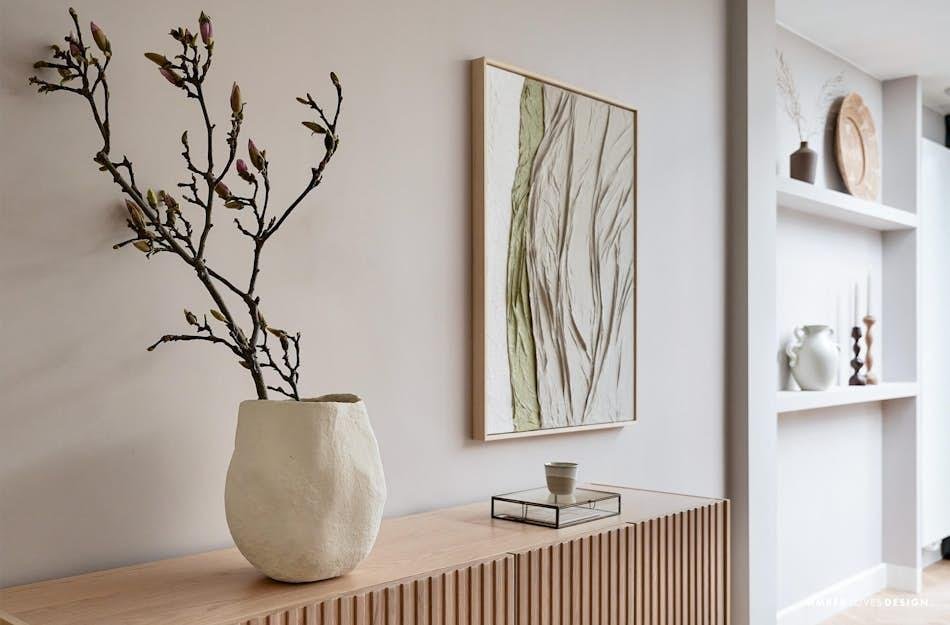
Ceramics are particularly effective because they introduce organic shapes and subtle variations in glaze. A simple vase can add character to a console table, while a handmade bowl may work as a centerpiece on a dining table. You can combine different pieces, but keep an eye on scale and spacing. A large vessel often looks better with room around it than surrounded by several smaller ornaments.
Artwork can be equally expressive. Choose abstract forms, landscape photography, botanical illustrations, or pieces that reflect your own interests. Japandi does not require every artwork to be neutral, but a limited palette can help the room feel cohesive. A single large piece above a sofa or bed may create a stronger focal point than many small frames scattered across the wall.
Plants and branches add a natural, changing element. One well-placed plant can soften a corner, while a simple branch arrangement introduces an interesting silhouette. Choose greenery that suits the available light and the amount of care you can provide. A plant that struggles in a dark corner will not improve the room simply because it matches a design trend.
Books, textiles, and personal objects can also belong in a Japandi home. The point is not to remove everything that makes the room yours. Instead, group related objects, leave some surfaces open, and use closed storage for items that create unnecessary visual noise.
A useful approach is to style a surface, step back, and remove one item if the arrangement feels crowded. You may find that three carefully chosen objects create a more compelling composition than ten. Over time, allow your decor to evolve naturally rather than buying everything in one shopping trip.
12. Using Wood, Stone, Linen, and Other Natural Materials
Natural materials provide the depth and warmth that make Japandi interiors feel distinctive. Wood contributes grain, color, and a sense of permanence. Stone adds weight and subtle variation. Linen and cotton soften hard surfaces, while wool and woven fibers introduce comfort and texture. The goal is not to fill a room with every natural material available, but to select a few that complement each other.
Wood is often the starting point. Oak and ash can create a light, airy effect, while walnut and darker finishes bring richness. If you have existing wood flooring or cabinetry, use it as a reference when choosing furniture. Matching every finish exactly is unnecessary, but keeping undertones compatible can help the room feel cohesive. A mixture of light and dark wood can be beautiful when one tone clearly anchors the space.
Stone and ceramic surfaces add an earthy quality. A stone side table, ceramic lamp, or simple clay vase can introduce contrast without adding a new color family. These materials often have small imperfections and variations that make each piece feel individual. If natural stone is outside your budget, consider practical alternatives with a similar appearance, checking their durability and maintenance requirements before purchasing.
Textiles balance the harder materials. Linen curtains, cotton bedding, wool throws, and woven rugs can make a room feel comfortable rather than overly architectural. Mix textures thoughtfully: a smooth wooden table beside a nubby rug and soft upholstery creates a richer experience than several identical surfaces.
Care requirements matter. Some stones need sealing, certain woods require specific cleaning products, and delicate fabrics may not suit busy households. Choose materials that fit your lifestyle instead of selecting them solely for appearance. A design that demands constant worry is unlikely to support a relaxed home.
You can also introduce natural materials gradually. Start with a wooden accessory, a linen cushion cover, or a textured rug before investing in large furniture pieces. Small changes allow you to see how the materials work with your existing finishes. Once the combination feels right, build on it with confidence.
13. Japandi Design for Small Spaces and Apartments
Small apartments can be especially well suited to Japandi design because the style emphasizes useful furniture, open circulation, and visual simplicity. When a room has limited square footage, every piece has a noticeable effect on how spacious it feels. A restrained palette and thoughtfully chosen furniture can help the space feel organized without stripping it of personality.
Start by identifying the main function of each area. In a studio apartment, one zone may serve as a living room during the day and a sleeping area at night. A compact sofa, a simple dining table, and a bed with useful storage can support these needs without overwhelming the floor plan. Choose furniture that fits the room rather than buying standard-size pieces and hoping they will work.
Multifunctional furniture is often helpful. A dining table can double as a workspace, a storage bench can provide seating, and a nesting table can be moved when you need extra floor space. Avoid adding multifunctional pieces simply because they sound clever, though. Each item should solve a real problem and remain easy to use.
Keep pathways clear and use vertical storage where practical. Wall-mounted shelves can hold books and a few decorative objects without taking up floor space, while closed cabinets can conceal less attractive essentials. If you display items on open shelves, leave gaps between groups so the arrangement does not become visually crowded.
Color can help connect the room. Warm white walls, light wood, and neutral textiles create continuity, while a few darker accents add definition. Using related colors across the living, dining, and sleeping zones can make a small apartment feel more unified. Rugs and lighting can define each area without the need for physical dividers.
Mirrors may help reflect daylight, depending on their placement, but they should be used thoughtfully rather than treated as a universal solution. Likewise, do not assume that all furniture must be low or compact. Comfort remains important, especially if you spend long periods sitting or working at home.
The real advantage of Japandi in a small space is the attention it gives to everyday function. When your belongings have a place and your furniture supports how you live, the apartment can feel more spacious even without changing its dimensions.
14. How to Create a Japandi Kitchen and Dining Area
A Japandi kitchen combines practical organization with natural warmth. Cabinets with simple fronts, understated hardware, and wood or stone-inspired finishes can create a clean foundation. The aim is not to remove every useful object from view, but to make the kitchen easier to work in and less visually chaotic. A well-designed space should still feel like a place where people cook, eat, and gather.
Choose a restrained palette that works with the rest of your home. Warm white cabinets, oak accents, muted beige walls, or dark walnut details can all suit the style. If your kitchen already has colorful cabinets or a patterned backsplash, you do not need to replace them immediately. You can create a more Japandi-inspired atmosphere by simplifying accessories, adding wooden utensils, and coordinating textiles.
Countertop organization makes a significant difference. Keep frequently used items accessible, but group them thoughtfully. A wooden chopping board, a ceramic utensil holder, and a simple soap dispenser may be all you need beside the sink. Store less frequently used appliances in cabinets when practical, leaving enough clear space for food preparation.
The dining area can extend the same principles. A solid wooden table, comfortable chairs, and a pendant light with a warm glow can establish an inviting setting. A simple ceramic bowl or a branch arrangement may serve as a centerpiece, while linen napkins add texture without requiring elaborate table settings.
Durability and maintenance should guide material choices. Kitchen surfaces need to withstand spills, heat, and regular cleaning, so check manufacturer recommendations before choosing finishes. Natural materials can age beautifully, but they still require appropriate care. If you prefer low-maintenance options, choose alternatives that provide a similar visual effect while meeting your household’s needs.
In open-plan homes, repeating wood tones or hardware finishes can connect the kitchen to the living room. The rooms do not have to look identical; they simply need to share a few visual threads. When organization, materials, and lighting work together, the kitchen can feel both modern and welcoming.
15. Japandi Bathroom Ideas for a Spa-Like Home
A Japandi bathroom draws on the same principles of simplicity, natural texture, and everyday comfort. It should be easy to clean, practical to use, and visually restful. Warm neutrals, natural wood accents, stone-inspired surfaces, and soft lighting can help create a spa-like atmosphere without requiring a complete renovation.
Begin with the largest surfaces. If you are remodeling, consider simple tiles in warm white, beige, soft gray, or earthy tones. A restrained tile pattern can provide texture without making the room feel busy. If the existing bathroom is in good condition, smaller updates—such as coordinated towels, a wooden stool, or a new mirror—may be enough to move the space toward the Japandi aesthetic.
Storage is essential because toiletries and cleaning products can quickly clutter a bathroom. Closed cabinets keep everyday items accessible while maintaining a calmer appearance. Open shelving can work for neatly folded towels or a few decorative pieces, but avoid using it to display every product you own. A tray can group frequently used items on the vanity and make the surface easier to organize.
Natural materials need appropriate care in a damp environment. Wood should be suitable for the location and maintained according to the manufacturer’s instructions. Natural stone may require sealing, while some decorative materials are better kept away from direct splashes. If you prefer less maintenance, choose water-resistant finishes that provide a similar visual character.
Lighting should be functional as well as atmospheric. You need clear illumination around the mirror for grooming, along with softer light for a relaxing evening routine. Where possible, use fixtures rated for bathroom conditions and have electrical work completed by a qualified professional.
Finishing touches can be simple: plush towels, a ceramic soap dish, a small plant that tolerates the available light, or a neatly arranged bath mat. Avoid placing decorative objects where they interfere with cleaning or safe movement.
The result should feel peaceful without compromising practicality. A beautiful bathroom is much easier to enjoy when surfaces remain accessible, storage works properly, and the materials can handle daily use.
16. Common Japandi Interior Design Mistakes to Avoid
One of the most common mistakes is confusing Japandi with an entirely empty room. Simplicity is important, but a room without enough texture, warmth, or personality can feel unfinished. If your space looks stark, introduce natural fabrics, wood grain, soft lighting, or one meaningful decorative object rather than filling every shelf with accessories.
Another mistake is relying exclusively on pale beige and white. Those colors can create a beautiful foundation, but Japandi also welcomes dark wood, muted green, charcoal, and earthy shades. If your palette feels flat, try adding a deeper accent or a different material rather than buying more decor. Contrast can give a neutral room the depth it needs.
Choosing appearance over comfort is equally problematic. A low sofa may look stylish, but it may not suit your household. A delicate rug may feel luxurious, but it may be impractical with pets or children. The style works best when furniture and materials fit your actual routines. Comfort, durability, and accessibility are not obstacles to good design; they are part of it.
Avoid buying everything from one matching collection simply to guarantee coordination. A room can feel more personal when it combines different pieces that share compatible proportions, colors, and materials. A vintage cabinet, a contemporary sofa, and a handmade vase can work together beautifully if their relationship is considered.
Clutter can also return when storage is not planned properly. Removing decorative objects will not solve the problem if everyday belongings have nowhere to go. Before reorganizing a room, decide where books, cables, clothing, paperwork, and other essentials will live. Useful storage makes minimalism sustainable rather than temporary.
Finally, do not copy a photograph without considering your own room. An interior shown in a bright, spacious home may look completely different in a compact apartment with limited daylight. Adapt the ideas to your room’s proportions, natural light, existing finishes, and budget.
Japandi is not a strict set of rules. It is a way of making thoughtful decisions. If a choice improves comfort, supports everyday function, and fits the overall atmosphere, it may belong—even if it differs from a typical inspiration image.
17. How to Create a Japandi Home on a Budget
You do not need to replace every piece of furniture to create a Japandi-inspired home. In many cases, the most effective changes involve editing what you already own, improving the lighting, and introducing a few carefully chosen textures. Start with one room rather than trying to transform the entire home at once. A manageable project lets you learn what works before spending more money.
Begin by decluttering surfaces and reassessing furniture placement. Move unnecessary items into storage, remove pieces that block pathways, and group remaining objects in a more intentional way. You may discover that the room already has a strong foundation once the visual noise is reduced. This costs nothing and can make the space feel noticeably calmer.
Next, identify the elements that make the biggest difference. In a living room, that might be the rug, sofa cushions, curtains, or lighting. In a bedroom, bedding and bedside lamps may have more impact than decorative accessories. Choose one or two upgrades that address a real need rather than purchasing several small items that do not work together.
Secondhand furniture can be an excellent option. A sturdy wooden table or cabinet may need only cleaning, minor repairs, or a suitable finish to fit your design. Check the condition carefully and consider whether the piece will work with your existing furniture before buying it. Reusing a quality item can be both economical and more sustainable than replacing it unnecessarily.
Textiles offer another accessible route. Coordinated linen-look curtains, cotton cushion covers, a simple throw, or a textured rug can introduce warmth without major construction. If your budget is limited, prioritize materials that are durable and easy to maintain rather than choosing a product based on appearance alone.
Paint can transform a room, but test samples first. A warm neutral or muted earthy shade may create the atmosphere you want, although lighting and existing flooring will affect the result. You do not have to paint every wall; a carefully chosen accent can be enough.
Make purchases gradually and keep a short list of what the room actually needs. This prevents impulse buying and gives you time to find pieces that suit your style. A thoughtful Japandi home is built through considered choices, not through the size of your shopping budget.
18. Japandi Interior Design Trends and Timeless Principles
Japandi interiors continue to appeal to people who want homes that feel calm, practical, and connected to nature. Specific trends may change, but the underlying principles—natural materials, functional furniture, restrained color, and thoughtful use of space—have a longer life than any single decorative fashion. Understanding the difference can help you create a home that still feels right after the latest trend has passed.
Current interpretations of Japandi can include sculptural furniture, rounded forms, tactile plaster-like finishes, deeper wood tones, handmade ceramics, and more dramatic color palettes. Some rooms lean toward a light, Scandinavian-inspired atmosphere, while others use charcoal walls and dark walnut to create a moodier setting. Both approaches can work when they remain grounded in simplicity and natural texture.
There is also room for personal expression. You might display a collection of ceramics, incorporate a vintage chair, or use artwork with stronger colors. The key is to give these choices enough space and let them relate to the rest of the room. Timeless design does not mean avoiding personality; it means avoiding decoration that feels disconnected from the way you live.
Sustainability is another useful consideration. Buying fewer, better-suited items, repairing furniture, reusing materials, and choosing durable finishes can reduce waste over time. However, a product is not automatically sustainable simply because it is made from a natural material. Consider its durability, sourcing, transport, maintenance needs, and expected lifespan when making larger purchases.
Do not feel pressured to adopt every new Japandi trend. If dark interiors are popular but your home receives little daylight, a lighter palette may suit you better. If sculptural furniture looks appealing but makes your living room uncomfortable, choose a more practical shape. Trends can provide inspiration, but they should not replace common sense.
The most enduring Japandi interior is one that supports daily life. It has comfortable seating, practical storage, materials you enjoy touching, and enough open space to make the room feel balanced. When those fundamentals are right, you can update small details over time without rebuilding the entire design.
Conclusion: Create a Home That Feels Calm, Warm, and Personal
Japandi interior design is more than a decorating trend. It is an approach to creating a home that feels balanced, comfortable, and connected to the natural world. By combining Japanese simplicity with Scandinavian warmth, you can create rooms that look refined without feeling formal, minimal without feeling empty, and modern without losing their sense of comfort.
The best place to begin is with the room you use most. If you want to refresh your living room, consider a simple furniture arrangement, warm neutral colors, natural textures, and softer lighting. For a bedroom, focus on comfortable bedding, practical storage, a simple bed frame, and an atmosphere that encourages rest. If you prefer a more dramatic look, experiment with dark Japandi interior design through walnut furniture, charcoal accents, and warm ambient lighting.
You do not need to purchase everything at once. Start by removing unnecessary clutter, making better use of the furniture you already own, and introducing a few materials that complement your space. Pay attention to how the room feels throughout the day, not just how it looks in a photograph. A successful design should make everyday activities easier and give you a space you genuinely enjoy returning to.
Remember that Japandi is not about following rigid rules or making every room look identical. It is about making thoughtful choices, appreciating natural materials, and allowing useful objects and meaningful details to take center stage. When you balance simplicity with warmth and function with beauty, you can create a home that feels timeless, personal, and distinctly yours.
Frequently Asked Questions About Japandi Interior Design
1. What is Japandi interior design?
Japandi interior design combines Japanese aesthetics with Scandinavian interior design. It emphasizes natural materials, functional furniture, uncluttered spaces, earthy colors, and understated decoration. The result is a home that feels simple yet warm, with an emphasis on comfort, craftsmanship, and everyday practicality.
2. What colors are best for Japandi interior design?
Warm white, cream, beige, taupe, soft gray, and natural wood tones are popular choices. Muted greens, terracotta, charcoal, and dark brown can add contrast. The best palette depends on your room’s natural light, existing finishes, and the atmosphere you want to create.
3. How can I create a Japandi interior design living room?
Begin with comfortable furniture that has simple shapes and practical proportions. Add natural textures through wood, linen, cotton, wool, and ceramics, then use a restrained color palette to connect the pieces. Keep pathways clear, organize everyday clutter, and layer lighting to make the room feel welcoming.
4. Can Japandi interior design work in a small bedroom?
Yes. Japandi works well in small bedrooms because it prioritizes functional furniture, visual simplicity, and useful storage. Choose a bed that fits the room, use calm colors, keep bedside surfaces organized, and add soft textiles for warmth. Wall-mounted lighting and storage can also free up valuable floor space.
5. What is the difference between Japandi and minimalist interior design?
Minimalist interior design generally focuses on reducing visual elements to what is essential, although it can take many forms. Japandi shares that simplicity but places particular emphasis on natural materials, craftsmanship, tactile textures, and a balance of Japanese and Scandinavian influences. A Japandi room often feels warm and organic rather than stark or purely minimal.



Leave a Reply