
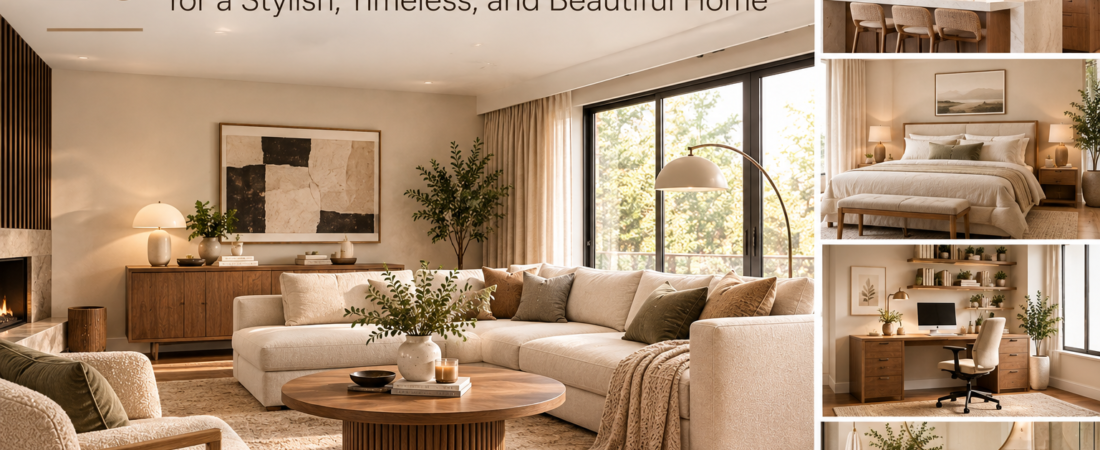
Modern interior design is all about creating a home that feels fresh, functional, comfortable, and effortlessly stylish. Think clean lines, beautiful natural materials, thoughtful furniture choices, soft lighting, and rooms that look carefully designed without feeling overly decorated. Whether you’re moving into a new home, renovating a room, or simply looking for affordable ways to refresh your existing space, the right modern interior design ideas can make a noticeable difference.
The beauty of modern interiors is that you don’t need a huge house, an unlimited budget, or expensive designer furniture to achieve the look. A small apartment can feel sophisticated with a few carefully selected pieces, while a spacious home can become warmer and more inviting through texture, color, and layered lighting. The secret is finding the right balance between simplicity and personality.
This guide explores 20 modern interior design ideas, from minimalist furniture and warm neutral palettes to statement lighting, contemporary wall treatments, and practical storage solutions. Each idea offers inspiration you can adapt to your own home, whether your personal style leans toward contemporary luxury, Scandinavian simplicity, modern organic design, or a cozy minimalist aesthetic.
Understanding Modern Interior Design
Modern interior design is often associated with simplicity, open spaces, functional furniture, and a restrained color palette. But a modern home doesn’t have to look cold, empty, or overly polished. The most inviting modern interiors combine clean architectural details with warm materials, comfortable seating, soft textiles, and personal touches that make the space feel lived in.
Instead of filling every corner with decorative objects, modern design encourages you to be intentional about what you bring into your home. A beautiful sofa, an interesting light fixture, or a carefully chosen piece of artwork can create more impact than a room full of accessories. It’s a little like putting together an outfit: a few well-chosen pieces often create a more memorable look than too many competing elements.
What Makes a Home Feel Modern?
A modern interior usually features uncluttered surfaces, purposeful furniture, a sense of openness, and materials that are allowed to speak for themselves. Natural wood, glass, stone, metal, linen, and wool are common choices because they add character without requiring excessive decoration. Colors tend to be balanced rather than overwhelming, although modern spaces can certainly include bold accents, deep greens, navy blues, and rich earthy tones.
Function is just as important as appearance. Furniture should support the way you actually live, storage should be easy to access, and lighting should work for different activities throughout the day. A modern living room, for example, might combine a streamlined sofa, a textured rug, a sculptural floor lamp, and concealed storage to create a space that looks beautiful while remaining practical.
Modern vs. Contemporary Interior Design
Modern design has historical roots in the modernist movement, which emphasized functionality, simple forms, and an honest use of materials. Contemporary design, on the other hand, refers to styles and ideas that are current at a particular time. Contemporary interiors can borrow from modern design while incorporating newer shapes, emerging materials, and changing color trends.
In everyday decorating, the two styles often overlap. You might see a mid-century-inspired wooden console paired with a contemporary curved sofa, a minimalist pendant light, and modern abstract artwork. The result can feel current without being tied to a single trend. For most homeowners, that flexibility is useful because it makes it easier to create a home that evolves naturally as tastes change.
20 Modern Interior Design Ideas
The following ideas cover different rooms, decorating styles, and budgets. You can use one or two to refresh a particular space, or combine several throughout your home to create a consistent modern aesthetic.
1. Embrace a Warm Neutral Color Palette
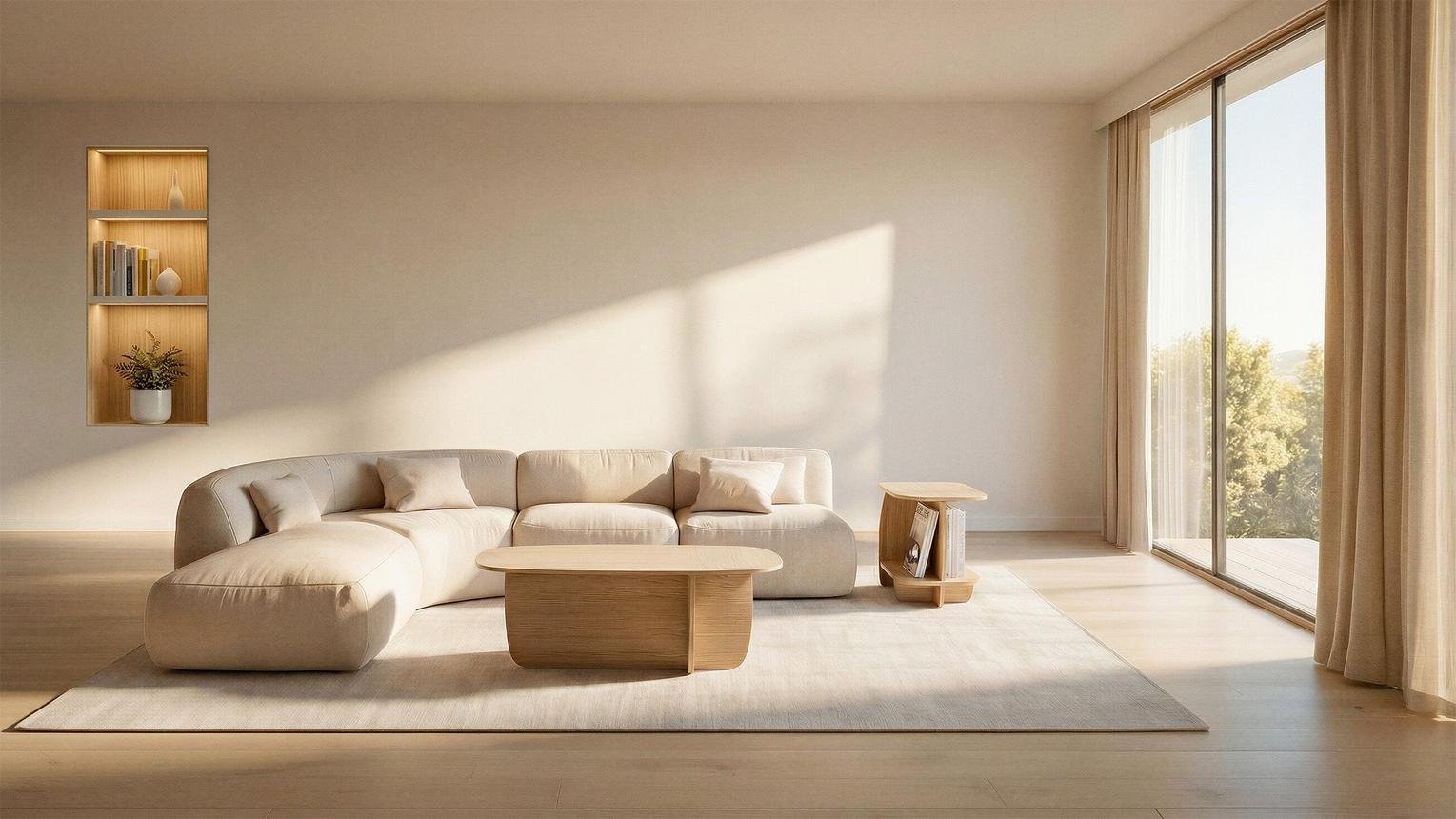
A warm neutral color palette is one of the easiest ways to create a modern home that feels sophisticated without sacrificing comfort. Instead of relying on stark white walls and cool gray furniture, consider combining creamy whites, soft beige, warm taupe, sand, mushroom, and subtle earthy shades. These colors create a gentle foundation that works beautifully with natural wood, textured fabrics, and contemporary furniture.
The trick is to use several related shades rather than painting everything the same color. Imagine a living room with creamy walls, a beige sofa, a light oak coffee table, and a textured rug in a slightly deeper shade of taupe. Each element is different, yet the overall palette feels connected. This creates visual depth while keeping the room calm and uncluttered.
Warm neutrals are especially useful in open-plan homes because they help different areas feel connected. You can carry the same color family from the living room into the dining area and kitchen, then introduce subtle variations through cabinetry, upholstery, and accessories. This approach creates continuity without making every room look identical.
To prevent a neutral interior from feeling flat, introduce contrast through materials and textures. A dark wooden table, black metal lamp, boucle accent chair, or linen curtains can add character without disrupting the overall palette. Natural light also makes a significant difference, so consider how your colors look in the morning, afternoon, and evening before committing to paint.
Modern decorating tip: Start with two or three main neutral shades, then introduce one accent color, such as olive green, terracotta, muted blue, or chocolate brown. This simple combination makes it easier to coordinate furniture, artwork, and accessories over time.
2. Choose Furniture With Clean, Simple Lines
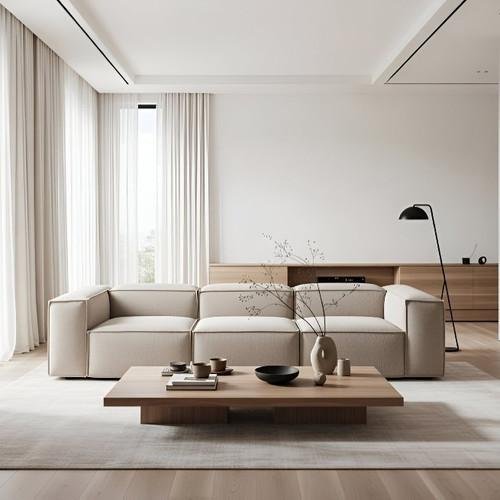
Furniture has a major influence on how modern a room feels. Even a freshly painted space can look dated or cluttered if the furniture is oversized, overly ornate, or poorly arranged. Modern interiors typically favor pieces with clear silhouettes, thoughtful proportions, and minimal decorative detailing. That doesn’t mean every piece needs to be boxy or rigid. It simply means each item should have a purpose and a shape that works naturally within the room.
Start with the largest furniture pieces, particularly the sofa, bed, dining table, and storage units. A low-profile sofa with slim legs can make a living room feel more open, while a streamlined dining table creates a clean focal point. In bedrooms, a simple upholstered or wooden bed frame can provide a timeless foundation without competing with bedding, lighting, or artwork.
Proportion matters just as much as style. A small sofa can look lost in a large living room, while a massive sectional may overwhelm a compact apartment. Before buying furniture, measure the room, consider walking paths, and leave enough breathing space around major pieces. A well-arranged room feels intentional because furniture fits the space rather than fighting against it.
Mixing furniture silhouettes is another way to create a more interesting modern interior. Pair a straight-lined sofa with a rounded coffee table, or combine a rectangular dining table with gently curved chairs. These small contrasts keep a minimalist room from looking too uniform.
Modern decorating tip: Choose a few quality-looking anchor pieces first, then build the room around them. If your budget is limited, a simple sofa, an attractive coffee table, and coordinated lighting can transform a space more effectively than buying lots of small decorative items.
3. Bring Nature Indoors With Organic Materials
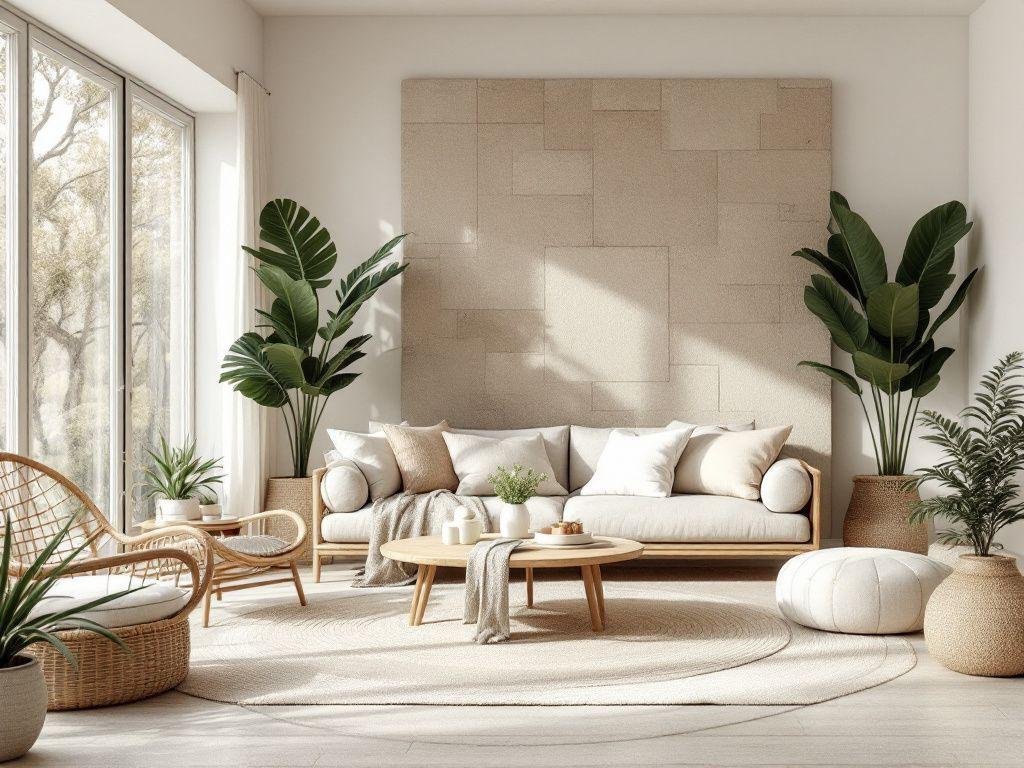
Natural materials are a defining feature of many inviting modern interiors. Wood, stone, linen, cotton, jute, rattan, and clay bring warmth and variation into spaces that might otherwise feel too polished. Their subtle imperfections create character, making a room feel less like a showroom and more like a home.
Natural wood is particularly versatile. Light oak can brighten a room and complement Scandinavian-inspired interiors, while walnut introduces richer tones that work beautifully with cream walls and darker accents. You can incorporate wood through flooring, furniture, cabinetry, wall panels, picture frames, or even a simple wooden tray on a coffee table.
Stone is another material that adds an understated sense of luxury. A marble coffee table, travertine side table, or stone-look countertop can introduce organic patterns and visual interest. If natural stone is outside your budget, consider quality stone-effect surfaces or smaller decorative pieces that capture a similar appearance without requiring a major renovation.
Textiles help soften these harder materials. Linen curtains, cotton bedding, wool rugs, and woven cushions create a comfortable contrast against wood and stone. This combination is especially effective in modern organic interiors, where the goal is to balance clean architecture with natural warmth.
You don’t need to use every natural material in one room. In fact, choosing three or four complementary materials usually creates a more cohesive result. A living room with oak furniture, linen upholstery, a wool rug, and a few ceramic accessories can feel beautifully layered without appearing busy.
Modern decorating tip: Focus on materials you can see and touch. Even a simple room can feel thoughtfully designed when the wood grain, fabric texture, and stone finishes provide enough visual interest.
4. Create a Minimalist Living Room
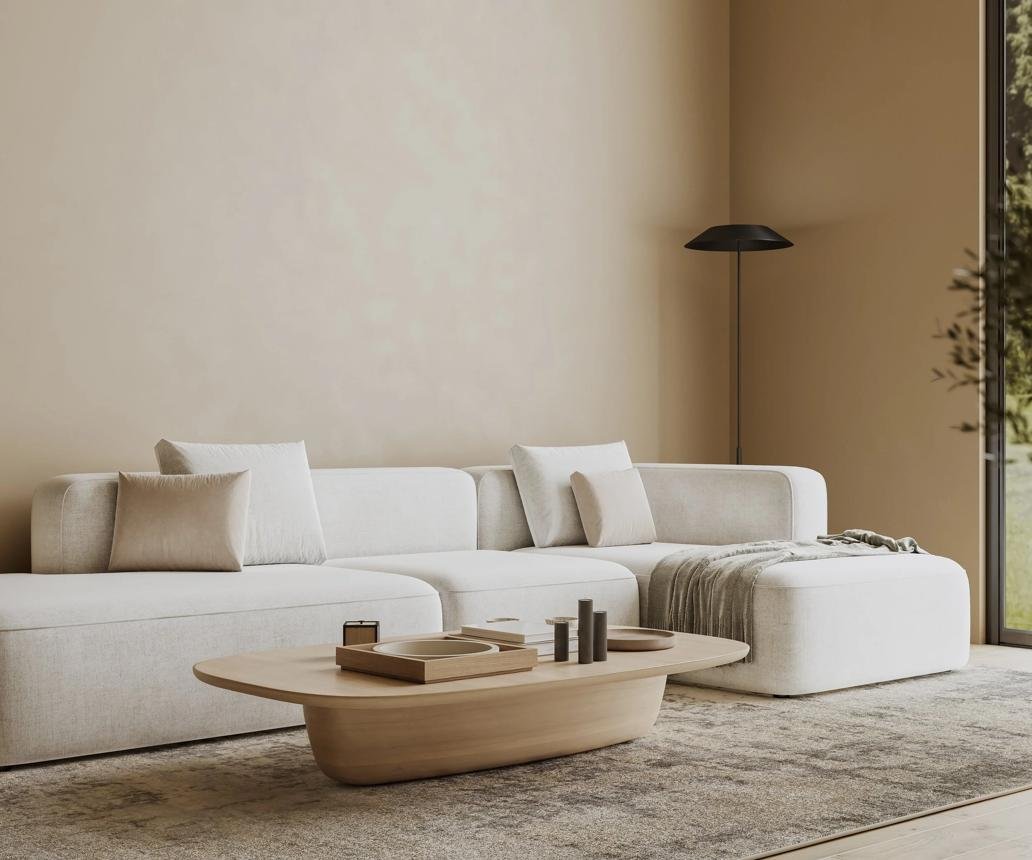
A minimalist living room is about creating a space where every item has a reason to be there. Rather than filling the room with multiple tables, accessories, and decorative objects, focus on a few well-chosen pieces that support comfort and everyday living. The result can be peaceful, visually balanced, and surprisingly practical.
Begin by removing items that no longer serve a purpose. Clear unnecessary objects from coffee tables, shelves, and sideboards, then decide which pieces genuinely improve the room. You might keep a favorite vase, a stack of books, or a sculptural bowl while storing smaller accessories elsewhere. The aim isn’t to eliminate personality; it’s to give meaningful objects room to stand out.
A comfortable sofa should usually be the foundation of the living room. Add a coffee table that suits its proportions, a rug that visually connects the seating area, and lighting that supports different activities. If you enjoy reading, a floor lamp beside an armchair can provide both function and visual interest. If you entertain regularly, a flexible arrangement with movable side tables may be more useful.
Storage plays an important role in keeping minimalist spaces comfortable. Closed cabinets, media units, and storage ottomans help hide everyday items without requiring you to maintain perfectly styled shelves at all times. This is particularly valuable in family homes, where toys, remote controls, blankets, and chargers need practical places to go.
Minimalism also benefits from thoughtful contrast. A room with a neutral sofa, warm wooden furniture, a large piece of artwork, and a textured rug can feel rich and inviting even when it contains relatively few objects.
Modern decorating tip: Before adding something new, ask whether it improves the room’s comfort, function, or appearance. If it doesn’t contribute in a meaningful way, you probably don’t need it.
5. Make a Statement With Modern Lighting
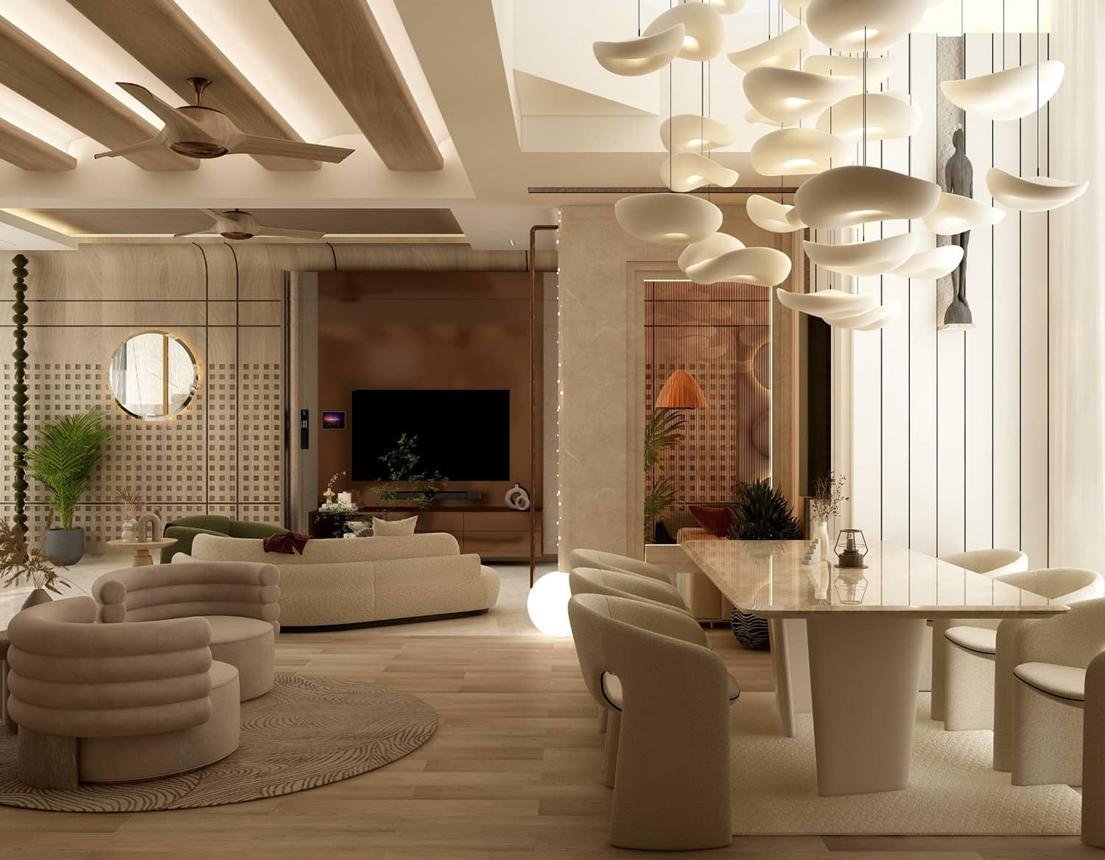
Lighting can completely change the atmosphere of a modern interior. A room with beautiful furniture and carefully chosen colors may still feel unfinished if the lighting is harsh, poorly positioned, or limited to one ceiling fixture. Modern design uses lighting as both a practical necessity and a decorative feature, combining different sources to create depth and flexibility.
Start with ambient lighting, which provides general illumination. Ceiling fixtures, recessed lights, and well-designed flush mounts can brighten the room, but they shouldn’t be expected to do all the work. Add task lighting for activities such as reading, cooking, working, or applying makeup. Table lamps, floor lamps, under-cabinet lighting, and adjustable wall lights can make these areas more comfortable.
Accent lighting adds another layer. It can highlight artwork, illuminate architectural details, or create a gentle glow around shelving. A slim LED strip beneath a floating vanity or inside a display cabinet can introduce a contemporary touch without making the space feel overly dramatic.
The fixture itself can become a focal point. Consider a sculptural pendant over a dining table, a modern chandelier in the living room, or a pair of minimalist bedside sconces. The best choice depends on the scale of the room and the furniture beneath it. A very large fixture can overwhelm a small room, while a tiny pendant may look insignificant above a large dining table.
Warm-toned light often helps modern spaces feel more inviting, especially in living rooms and bedrooms. Dimmers are useful because they allow you to adjust the atmosphere throughout the day, from bright task lighting to softer evening illumination.
Modern decorating tip: Use at least three types of lighting in frequently used rooms: ambient, task, and accent. This layered approach creates a more polished appearance while making the room adaptable to different activities.
6. Add Texture Through Layered Fabrics
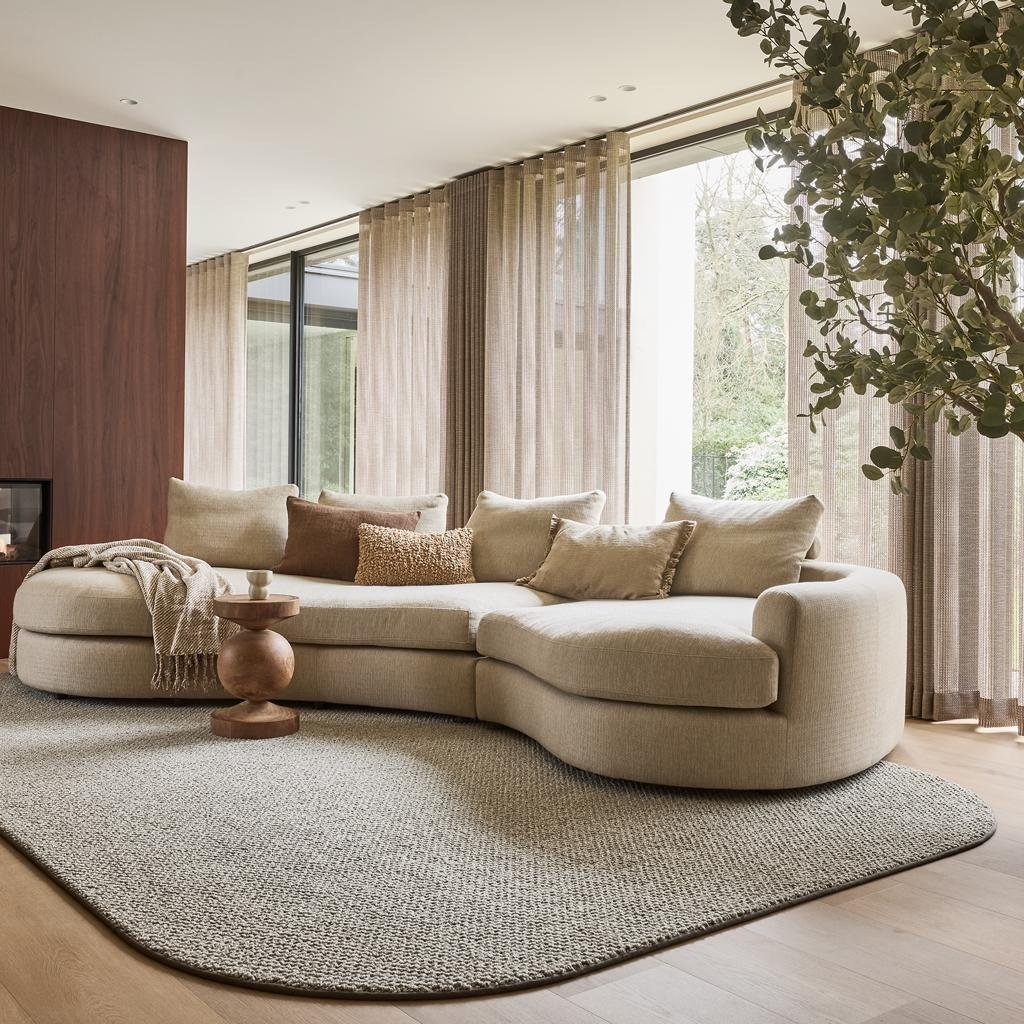
Texture is one of the most effective ways to make modern interiors feel warm and welcoming. When a room uses a restrained color palette, differences in fabric and surface become especially important. A smooth wall, a nubby cushion, a soft wool rug, and relaxed linen curtains can create a rich visual experience without introducing lots of different colors.
Start with the largest textile in the room. In a living room, that might be a rug or sofa upholstery. In a bedroom, it could be the bedding. Choose a material that suits how you use the space and then layer complementary textures around it. For example, a smooth cotton sofa can be paired with boucle cushions, a knitted throw, and a low-pile wool rug.
Curtains can make a substantial difference, too. Floor-length linen or linen-look panels soften windows and help a room feel taller. Hanging the curtain rod slightly above the window frame and allowing the fabric to fall close to the floor can create a more tailored appearance. In bedrooms, consider adding blackout lining if you need better light control.
The key is to vary texture without making the room feel visually chaotic. Combine smooth and rough surfaces, soft and structured fabrics, and matte and subtly reflective finishes. You might pair a woven rug with a smooth wooden coffee table, then add a ceramic vase or glass accessory for contrast.
Texture also has a practical benefit. Soft materials can improve comfort, reduce the feeling of echo in rooms with hard surfaces, and make seating areas more pleasant for everyday use.
Modern decorating tip: If your room already has a lot of color, keep the textiles relatively simple. If your palette is mostly neutral, use texture as the main way to add depth and personality.
7. Design an Open and Airy Layout
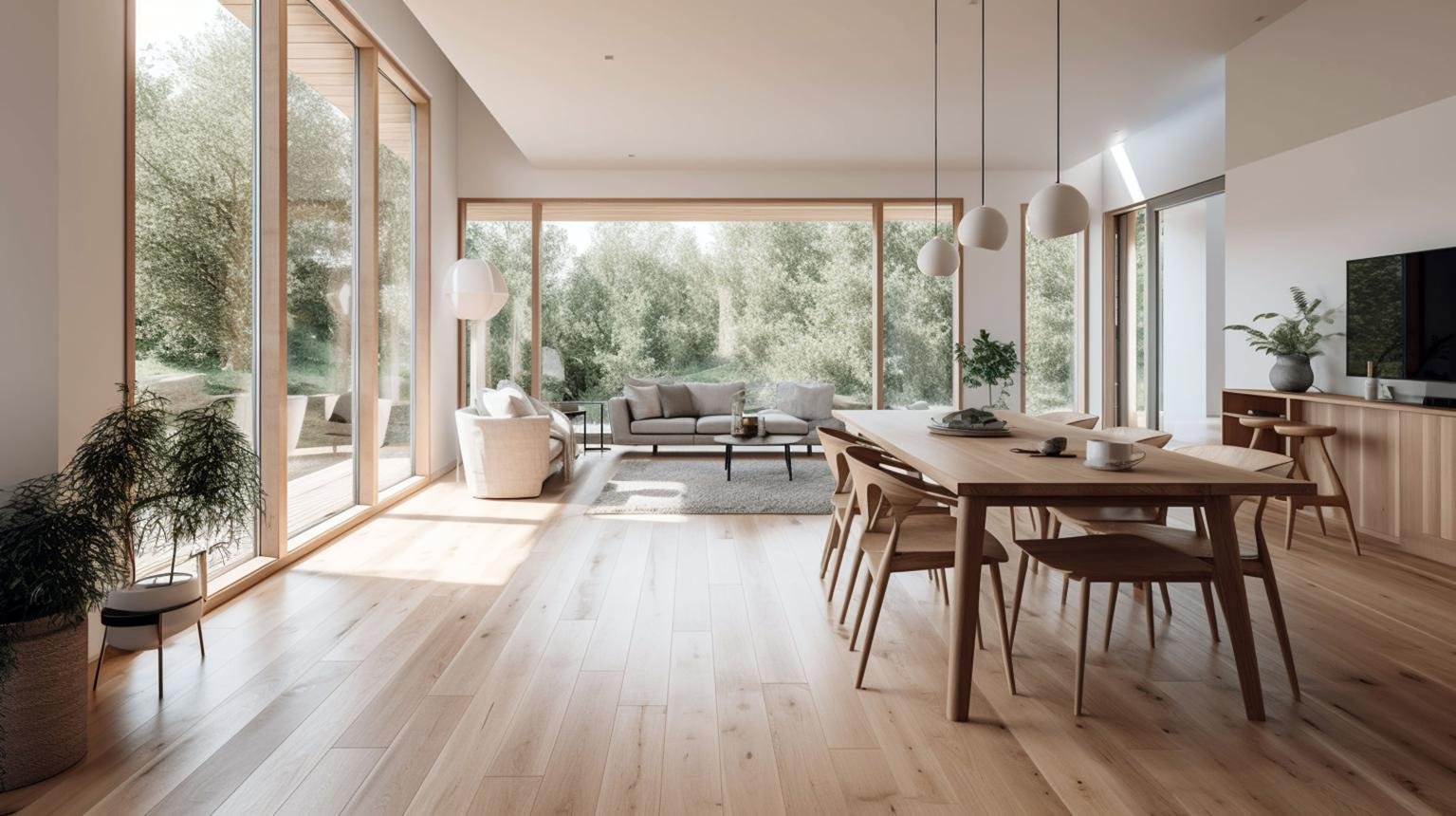
An open and airy layout can make a home feel more spacious, even when the actual square footage hasn’t changed. The idea is to create clear visual pathways, avoid unnecessary obstacles, and arrange furniture so that each area feels connected without becoming crowded. You don’t necessarily need to remove walls or undertake a major renovation to achieve this effect.
Begin by looking at how people move through the room. Entryways, hallways, and routes between the sofa and kitchen should remain easy to navigate. Furniture that blocks these paths can make even a large room feel awkward. Try moving the sofa away from the wall if it helps define the seating area, or reposition an armchair to create a more natural conversation space.
In open-plan homes, furniture can also define separate zones without physical partitions. A rug beneath the sofa and coffee table identifies the living area, while a dining table and pendant light establish the dining zone. A console table behind the sofa can create a subtle division while offering useful storage or display space.
Light is another important part of an airy layout. Keep window areas relatively clear, choose curtains that allow daylight to enter, and avoid placing oversized furniture where it blocks natural light. Mirrors can help reflect light around a room, especially when positioned opposite or adjacent to a window.
If you prefer distinct rooms, you can still borrow the principles of open design. A consistent color palette, similar flooring, and repeated materials help smaller rooms feel connected. The goal is not to make every space completely open but to create a sense of flow throughout the home.
Modern decorating tip: Before buying new furniture, experiment with your existing layout. Sometimes moving a sofa, removing an unnecessary side table, or changing the direction of a rug can make a room feel dramatically more spacious.
8. Use Modern Wall Art and Oversized Artwork
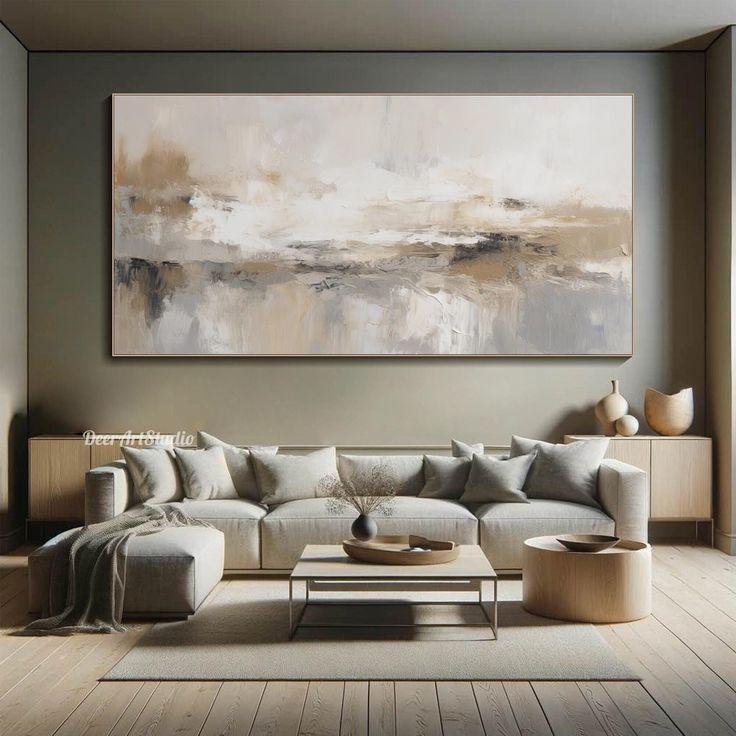
Wall art gives a modern home personality without requiring a large number of decorative objects. A thoughtfully selected painting, photograph, or abstract print can introduce color, create a focal point, and connect the different elements of a room. Oversized artwork is particularly effective because it adds visual impact while keeping the surrounding walls relatively uncluttered.
In a living room, consider placing one large artwork above the sofa or on the wall opposite the main seating area. Choose a piece that relates to the room’s color palette but doesn’t need to match every cushion or accessory. A contemporary abstract painting in earthy shades, for example, can complement a neutral sofa while introducing a subtle splash of color.
Scale is essential. Artwork that is too small can look disconnected from the furniture beneath it, while a piece that is too large may overwhelm the wall. As a general decorating guideline, artwork above a sofa often looks balanced when it occupies roughly two-thirds of the sofa’s width, although the ideal size depends on the room and the composition.
If you prefer a more personal approach, create a gallery wall using a mix of photographs, prints, and small original works. Keep the frames connected through a consistent finish or color family, and arrange the pieces with enough spacing to avoid a crowded appearance. A carefully organized gallery wall can feel modern even when the artwork itself is eclectic.
You can also introduce art through sculptural wall objects, textile hangings, or framed architectural photography. These alternatives work particularly well in bedrooms, hallways, and dining spaces where a traditional painting might feel predictable.
Modern decorating tip: Choose artwork because you genuinely enjoy looking at it. A modern interior should reflect the people who live there, not simply reproduce a picture-perfect showroom.
9. Incorporate Curved Furniture and Soft Shapes
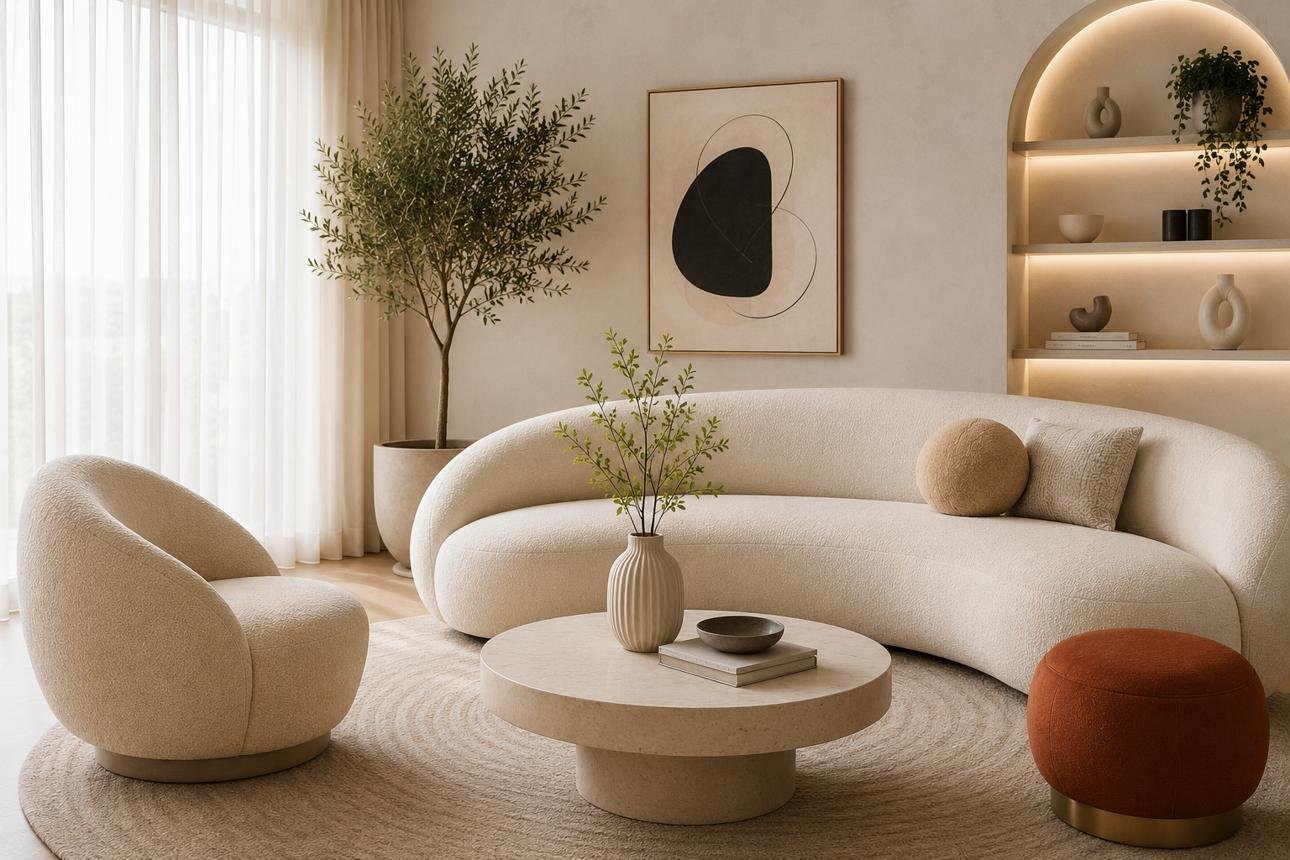
Curved furniture offers a softer alternative to the straight lines and geometric forms often associated with modern design. Rounded sofas, oval coffee tables, arched mirrors, and sculptural chairs can make a room feel more relaxed while maintaining a contemporary appearance. These shapes are especially useful in interiors that rely heavily on rectangular furniture, straight walls, and angular cabinetry.
A curved sofa can create an inviting focal point in a living room. Its shape naturally encourages conversation and can soften the overall appearance of the space. However, curved seating often requires more floor area than a traditional straight sofa, so it’s important to measure carefully before making a purchase. In smaller rooms, a rounded accent chair or oval coffee table may provide the same effect without taking up too much space.
Coffee tables are an easy place to experiment with organic shapes. A round or oval table can improve movement around a seating area, especially when children or pets are present. Pairing a rounded table with a rectangular sofa creates a balanced contrast between different forms.
Arched mirrors and curved decorative objects can extend the theme without requiring expensive furniture. A large arched mirror in an entryway, for example, introduces a graceful shape while helping reflect light. Rounded bedside lamps, ceramic vases, and circular wall art can reinforce the look throughout the home.
The key is to avoid using too many competing shapes. Choose one or two prominent curved pieces and balance them with simpler furniture and architectural details. This creates a modern interior that feels sculptural but remains practical.
Modern decorating tip: If your home already has a lot of straight lines, introduce curves through accessories or a single statement piece before investing in an entirely new furniture set.
10. Upgrade Your Space With Modern Flooring
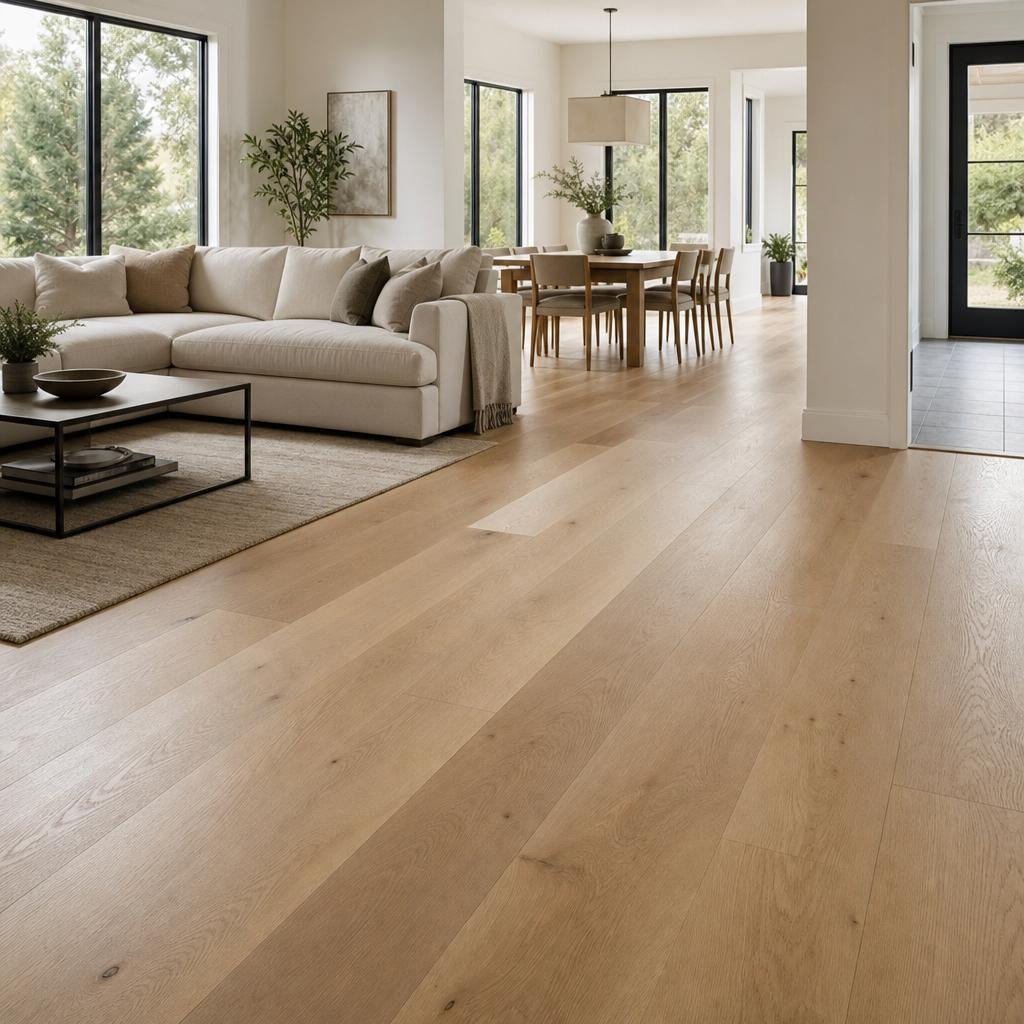
Flooring has a major impact on the appearance and atmosphere of a modern home. Because it covers such a large surface, the right floor can make rooms feel brighter, warmer, and more connected. Modern interiors often favor simple, continuous flooring with subtle patterns and finishes that complement the rest of the design.
Light oak flooring is a popular option because it works with a wide range of colors and furniture styles. Its natural grain adds warmth, while the lighter tone can help smaller rooms feel more open. Medium and dark wood finishes can also work beautifully, especially when balanced with lighter walls, adequate lighting, and furniture that doesn’t make the room feel too heavy.
For homeowners planning a renovation, consider how flooring choices will work across different rooms. Using the same or visually similar flooring through connected spaces can create a sense of continuity. In kitchens and bathrooms, choose materials that are appropriate for moisture, cleaning, and slip resistance rather than focusing solely on appearance.
Large-format tiles can create a clean, contemporary look in bathrooms, kitchens, and entryways. Fewer visible grout lines may make a space feel less busy, although the correct tile size and layout depend on the dimensions of the room. Wood-look porcelain tiles can provide a similar visual effect to timber while offering different maintenance characteristics.
Area rugs help define zones and add softness over hard flooring. A large rug beneath the living room seating arrangement can anchor the furniture, while a runner can introduce warmth to a hallway. Choose a rug size that accommodates the main furniture rather than leaving every piece floating separately around its edges.
Modern decorating tip: If replacing the flooring isn’t practical, use a large, well-proportioned area rug to refresh the room. A neutral rug with a subtle pattern can connect existing furniture and create a more cohesive appearance.
11. Create a Stylish Modern Kitchen
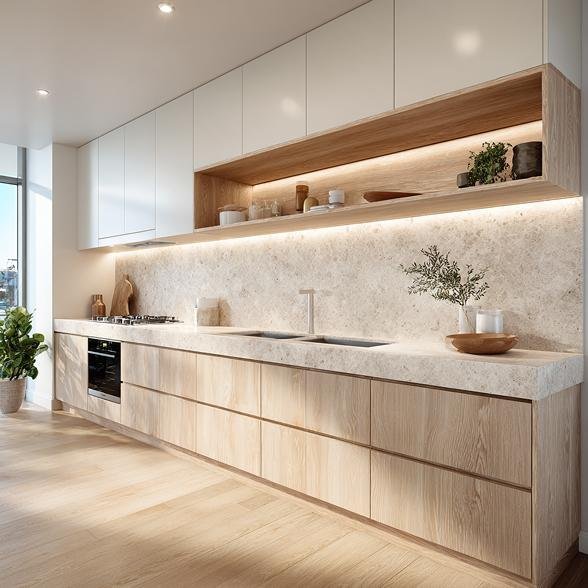
A modern kitchen combines clean visual lines with practical features that make cooking and everyday routines easier. The most successful designs aren’t just attractive; they provide enough storage, useful work surfaces, comfortable lighting, and a layout that suits the people using them.
Cabinetry is often the foundation of the modern kitchen. Flat-front cabinets, simple hardware, and coordinated finishes create a streamlined appearance. Warm wood cabinetry paired with cream or stone-colored surfaces can feel inviting, while white cabinets and darker countertops create a more contrasting look. If you prefer color, muted green, navy, or charcoal cabinetry can add character without overwhelming the room.
Countertops should balance appearance with durability and maintenance. Quartz, natural stone, and other engineered surfaces are available in a variety of finishes, but each has different care requirements. Consider how often you cook, whether you regularly place hot cookware on the counter, and how much maintenance you’re comfortable performing before choosing a material.
Lighting is another important part of a modern kitchen. Pendant lights above an island can act as decorative focal points, while under-cabinet lighting illuminates work surfaces. General ceiling lighting should provide enough visibility for food preparation and cleaning, and task lighting can reduce shadows around sinks and counters.
Storage should be designed around your daily habits. Deep drawers, pull-out organizers, pantry cabinets, and concealed waste bins can make a kitchen easier to use while keeping countertops clear. Open shelving can add personality, but use it selectively because everything on display needs regular cleaning and organization.
Modern decorating tip: If a complete kitchen renovation isn’t in your budget, consider changing cabinet hardware, updating pendant lights, adding a backsplash, or introducing a coordinated countertop accessory collection. Small improvements can make the kitchen feel more current without replacing everything.
12. Design a Spa-Inspired Modern Bathroom
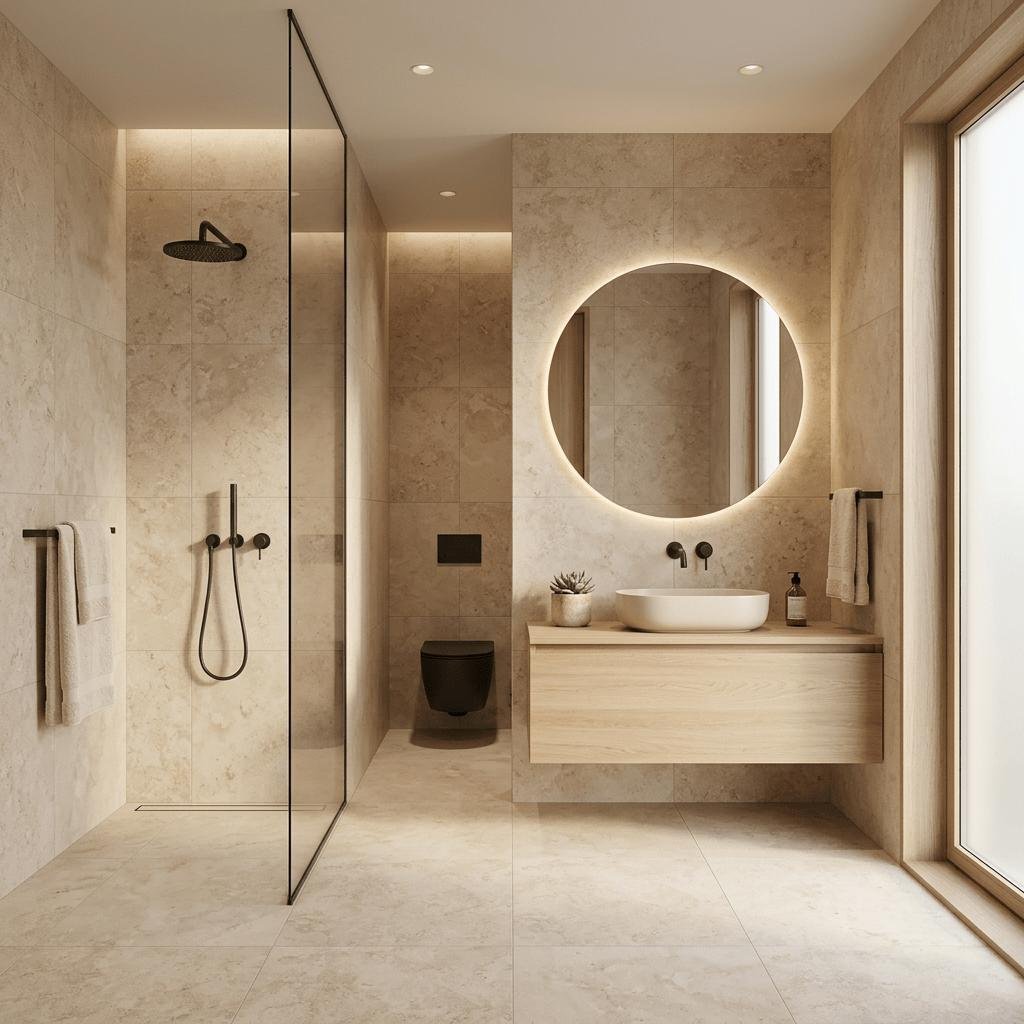
A modern bathroom can feel like a personal retreat when the design combines clean surfaces, calming colors, useful storage, and comfortable lighting. You don’t need a huge bathroom or a freestanding bathtub to create a spa-inspired atmosphere. Even a compact bathroom can feel sophisticated when the materials and accessories work together.
Start with a simple color palette. Warm white, beige, soft gray, muted green, and natural stone tones can create a relaxing foundation. Large-format tiles or coordinated wall and floor finishes can reduce visual clutter, while a wood-effect vanity or natural wood accessories introduce warmth.
Floating vanities are a popular modern feature because they create an open appearance beneath the sink. They can also make floor cleaning easier, although the installation must be appropriate for the wall structure and plumbing. Pair a floating vanity with a simple mirror, attractive hardware, and organized drawers to maintain a streamlined look.
Lighting can transform the bathroom, particularly around the mirror. Wall sconces or well-positioned vanity lights provide useful illumination for grooming, while softer ambient lighting creates a more relaxing atmosphere. Any electrical fixtures near water must be suitable for the location and installed in accordance with applicable safety requirements.
Accessories can complete the look without crowding the space. Matching soap dispensers, neatly folded towels, a small tray, and a simple plant can create a coordinated appearance. Keep frequently used items accessible and store less attractive necessities in drawers or cabinets.
Modern decorating tip: Choose accessories in a limited number of finishes, such as brushed nickel, matte black, or warm brass. Repeating the same finish across a few details helps the bathroom feel intentionally designed.
13. Add Built-In Storage and Floating Shelves
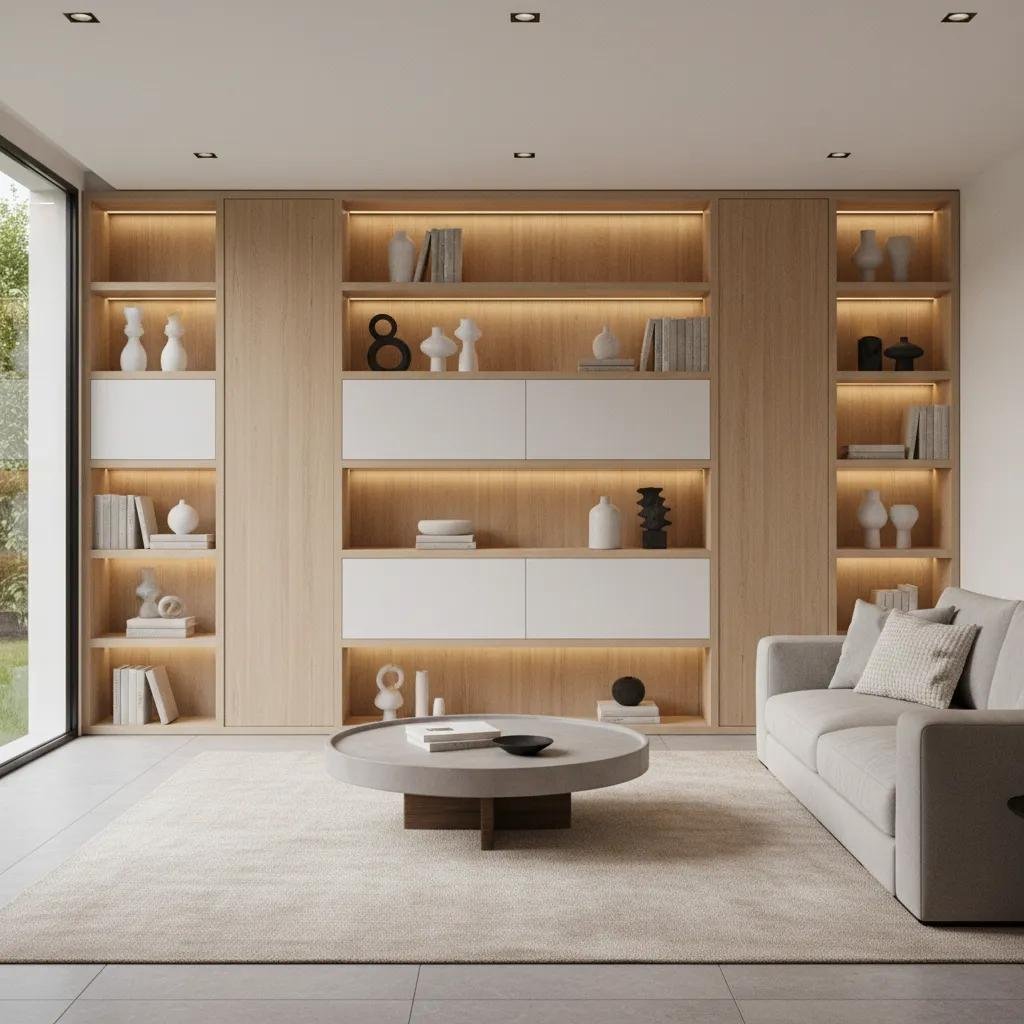
Storage is one of the most useful elements of modern interior design because a beautiful room needs to work for everyday life. Without adequate storage, even an expensive interior can quickly feel crowded. Built-in cabinets, floating shelves, concealed drawers, and multifunctional furniture help keep essential belongings organized while preserving the clean lines of the room.
Built-in storage is particularly effective in living rooms and bedrooms. Floor-to-ceiling cabinets can use vertical space that might otherwise be wasted, while a built-in media unit can conceal cables, electronics, and accessories. Matching the cabinet finish to the wall can make the storage feel integrated rather than visually dominant.
Floating shelves provide a lighter alternative when you want to display books, plants, photographs, or decorative objects. They work well in home offices, kitchens, and small living rooms, but the key is to avoid overcrowding them. A few carefully arranged items with varying heights and textures usually look more balanced than rows of tightly packed accessories.
Multifunctional furniture is another useful solution. A storage ottoman can provide seating and a place to keep blankets, while a bed with drawers can help organize clothing or extra bedding. In a small apartment, a console table with drawers may serve as both an entryway organizer and a workspace.
The most practical storage systems reflect your routines. Keep everyday items near where you use them, place less frequently needed belongings in higher or less accessible storage, and leave some empty space so the system remains manageable.
Modern decorating tip: Combine open and closed storage. Use cabinets to hide visual clutter and a small amount of open shelving to display the objects that add personality to your home.
14. Introduce Black Accents for Contrast
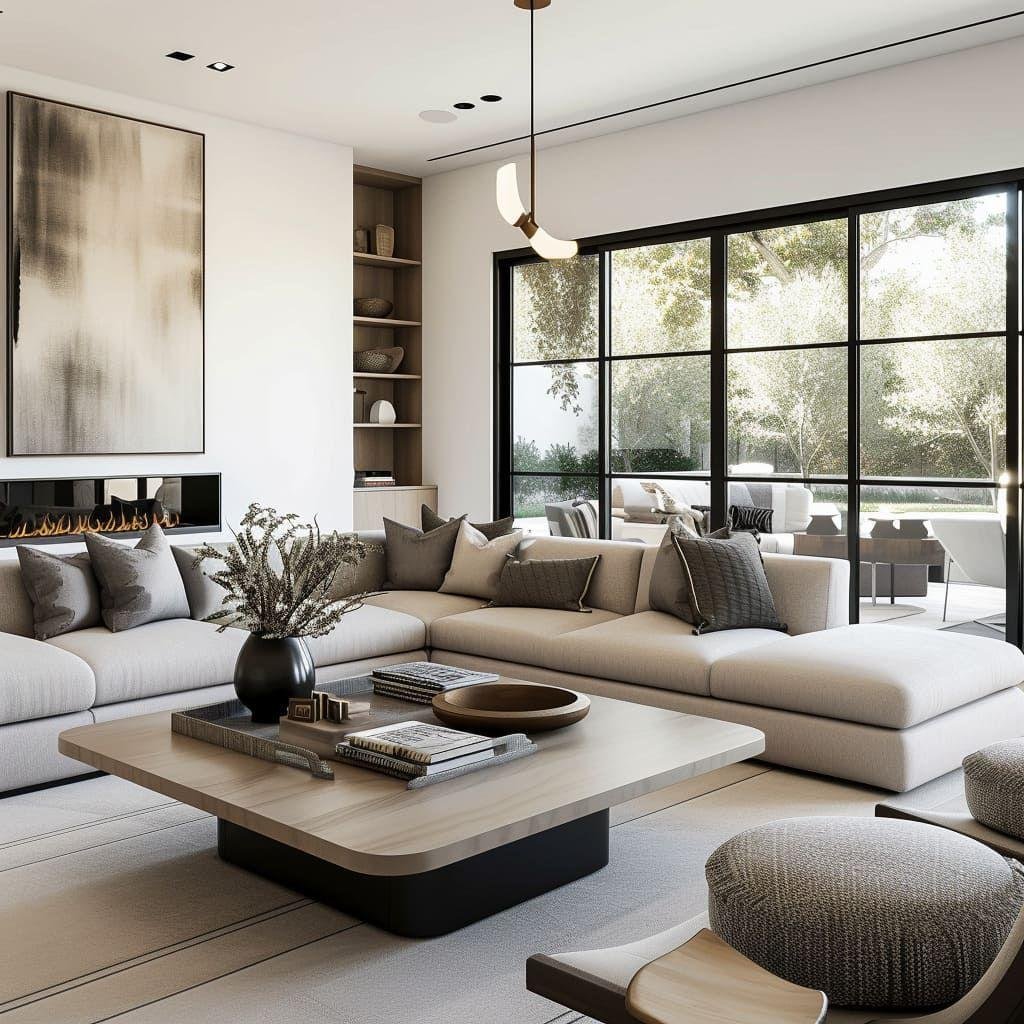
Black accents can give a modern interior definition and visual structure. In a room filled with cream, beige, white, or light wood, a few darker elements create contrast that helps furniture and architectural details stand out. The effect can feel sophisticated without requiring an entirely dark color scheme.
Lighting fixtures are an easy place to introduce black. A matte black pendant, floor lamp, or wall sconce can provide a crisp outline against a light wall. Black cabinet handles, door hardware, and picture frames can repeat the same finish throughout the home, creating a subtle connection between rooms.
Furniture can also introduce darker accents. A black metal coffee table, slim dining chair legs, or a dark console can ground a space with light upholstery. If you’re worried about making a room feel too heavy, choose pieces with open frames or slender legs so that more of the floor and wall remain visible.
Black works particularly well when balanced with warm materials. A black metal light fixture above a natural wood dining table feels more inviting than a room dominated by black and cool gray surfaces. Similarly, a dark frame around a mirror can look striking against a warm white wall.
The amount of black you use should depend on the room’s size, natural light, and existing finishes. A small, dim room may benefit from just a few accents, while a larger space with abundant daylight can accommodate darker furniture or cabinetry.
Modern decorating tip: Repeat black in two or three places within a room, such as a light fixture, picture frame, and furniture detail. This creates a deliberate design connection rather than making the dark elements look randomly placed.
15. Make Your Bedroom Feel Like a Modern Retreat
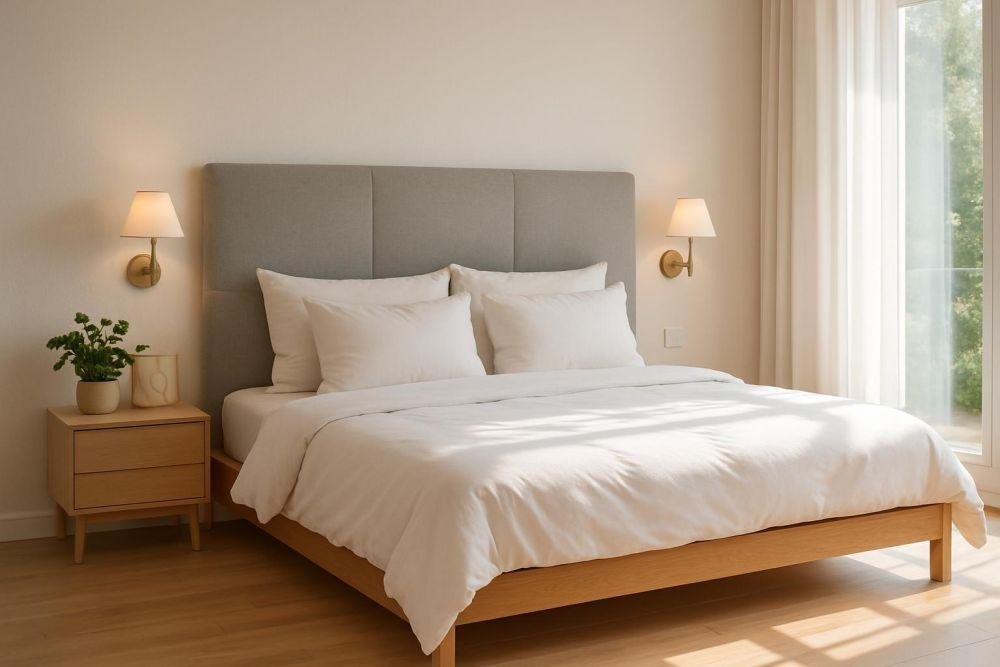
A modern bedroom should feel restful, comfortable, and uncluttered. Because it’s a space designed for relaxation, the most effective approach is often to keep the overall design simple while paying attention to the details that influence comfort. Soft bedding, balanced lighting, practical storage, and a calming color palette can transform an ordinary bedroom into a space that feels like a private retreat.
Start with the bed, which naturally becomes the focal point of most bedrooms. A streamlined upholstered headboard or simple wooden frame provides a contemporary foundation. Choose bedding in a few coordinated colors, such as cream, white, beige, and muted olive, and layer different textures to create depth without making the bed look overly busy.
Bedside tables should be practical and proportionate to the bed. Matching nightstands can create symmetry, while two different but complementary tables can give the room a more relaxed, personalized look. Floating bedside shelves are particularly useful in small bedrooms because they reduce the amount of floor space occupied by furniture.
Lighting is essential to a comfortable bedroom. Bedside lamps provide convenient reading light, while wall-mounted sconces free up space on the nightstands. A dimmable ceiling fixture can offer brighter illumination when needed and softer lighting in the evening. Avoid relying entirely on a single overhead light if you want the room to feel layered and welcoming.
Storage also deserves careful attention. Built-in wardrobes, under-bed drawers, and simple dressers can keep clothing and accessories organized. If the room is small, use vertical storage and avoid filling every available corner with furniture.
Modern decorating tip: Keep the bedside area simple. A lamp, a book, and a small decorative object are often enough to make a nightstand feel styled while leaving room for the things you use every day.
16. Bring Modern Design Into Small Spaces
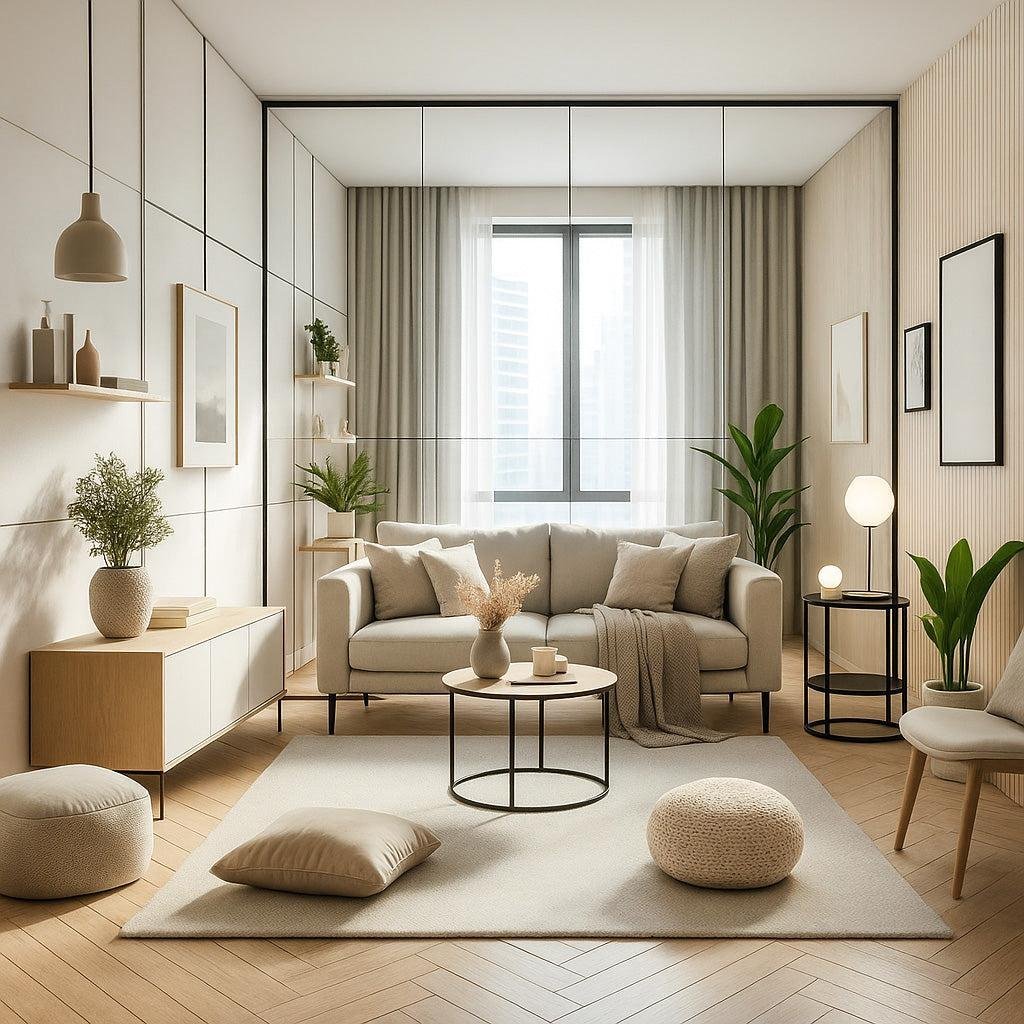
Modern interior design works particularly well in small homes because its emphasis on functionality, simplicity, and purposeful furniture helps make limited space feel more manageable. The goal isn’t to squeeze as many items as possible into a room. It’s to select pieces that serve your needs while allowing the space to remain comfortable and easy to navigate.
Begin with furniture that suits the dimensions of the room. A compact sofa with exposed legs, a round dining table, or a narrow console can provide useful function without visually overwhelming the space. In a studio apartment, a sofa bed or extendable dining table may allow one area to serve multiple purposes.
Vertical space is another valuable resource. Tall shelving, wall-mounted storage, and floor-to-ceiling curtains draw attention upward and can make a room feel taller. Instead of using several small storage units, consider one carefully chosen vertical piece that organizes belongings without spreading furniture across the room.
Mirrors can help reflect daylight and create a greater sense of openness. A large mirror positioned near a window may brighten a dim corner, while mirrored wardrobe doors can reduce the visual weight of storage. The effect depends on the placement and the amount of natural light available, so experiment with positioning before installing anything permanently.
A restrained color palette can also help small spaces feel connected. Using similar wall colors and flooring throughout an apartment reduces unnecessary visual breaks. You can still introduce personality through cushions, artwork, plants, and decorative objects, but a consistent background makes the room feel more cohesive.
Modern decorating tip: Prioritize movement and everyday function over extra furniture. A small room with comfortable seating, useful storage, and clear walking paths often feels more luxurious than a crowded space filled with decorative pieces.
17. Mix Materials for a Designer Look
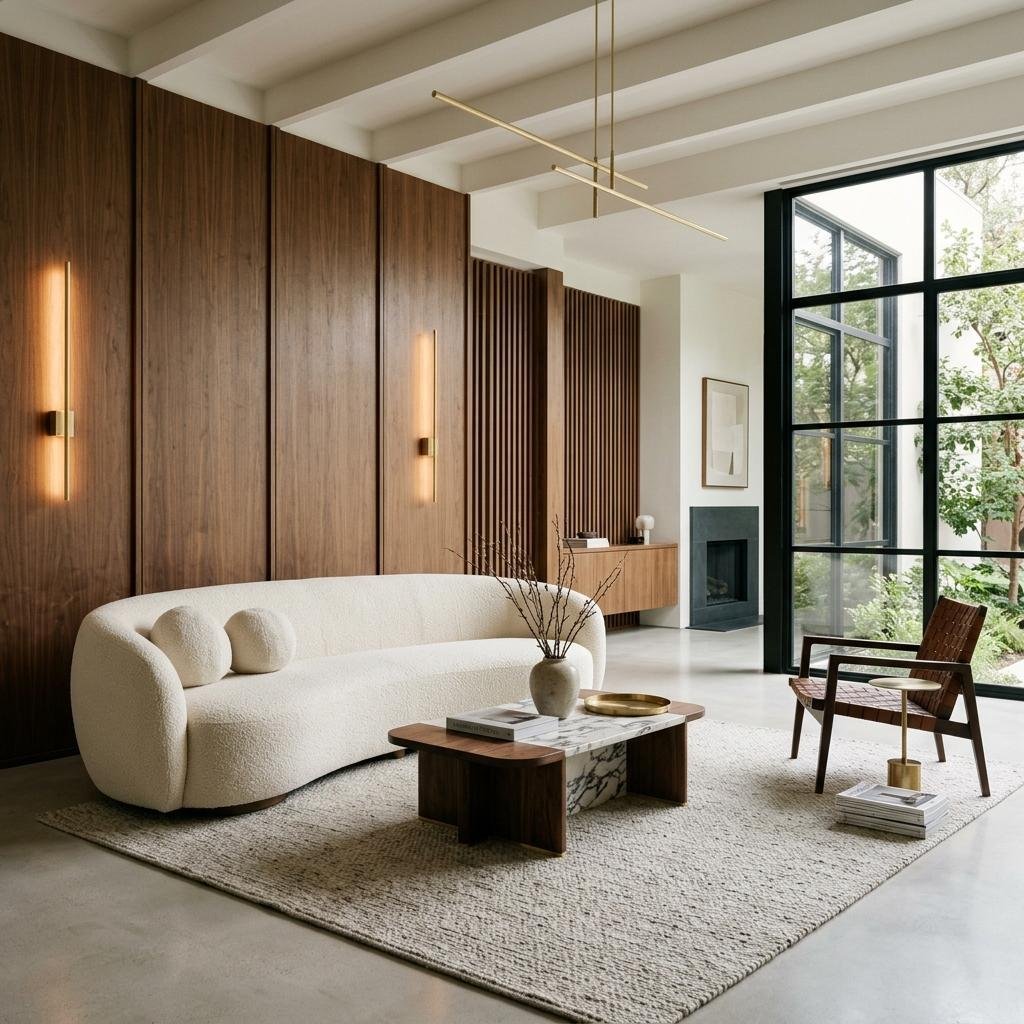
One of the easiest ways to make a modern home feel thoughtfully designed is to combine materials with different visual qualities. A room that uses only one finish can look flat, even when the furniture is attractive. Mixing wood, stone, glass, metal, fabric, and ceramic creates layers that make the space feel more individual and visually interesting.
The important thing is to create a sense of balance. If your living room has a large wooden coffee table, consider pairing it with a soft upholstered sofa and a metal floor lamp. The wood provides warmth, the fabric adds comfort, and the metal introduces a more structured contemporary detail. Each material contributes something different without competing for attention.
In kitchens, a combination of wood cabinetry, stone countertops, and metal hardware can create a refined appearance. In bedrooms, a fabric headboard, wooden nightstands, and ceramic lamps can add warmth while maintaining a simple aesthetic. Even a bathroom can benefit from the contrast between smooth tile, natural wood, and brushed metal fixtures.
Try to repeat certain materials throughout the home so the rooms feel connected. For example, if you use light oak in the living room, introduce a similar wood tone in the dining area or bedroom. Repeating a metal finish in lighting and hardware can also establish continuity.
You don’t have to purchase expensive natural materials to create this effect. A carefully chosen wood veneer, quality laminate, stone-effect surface, or textured fabric can contribute to a similar visual balance. The most important consideration is how the finishes look and feel together.
Modern decorating tip: Choose one dominant material, one supporting material, and one accent material for each room. This simple approach helps create variety without turning the interior into a collection of unrelated finishes.
18. Create a Modern Dining Area
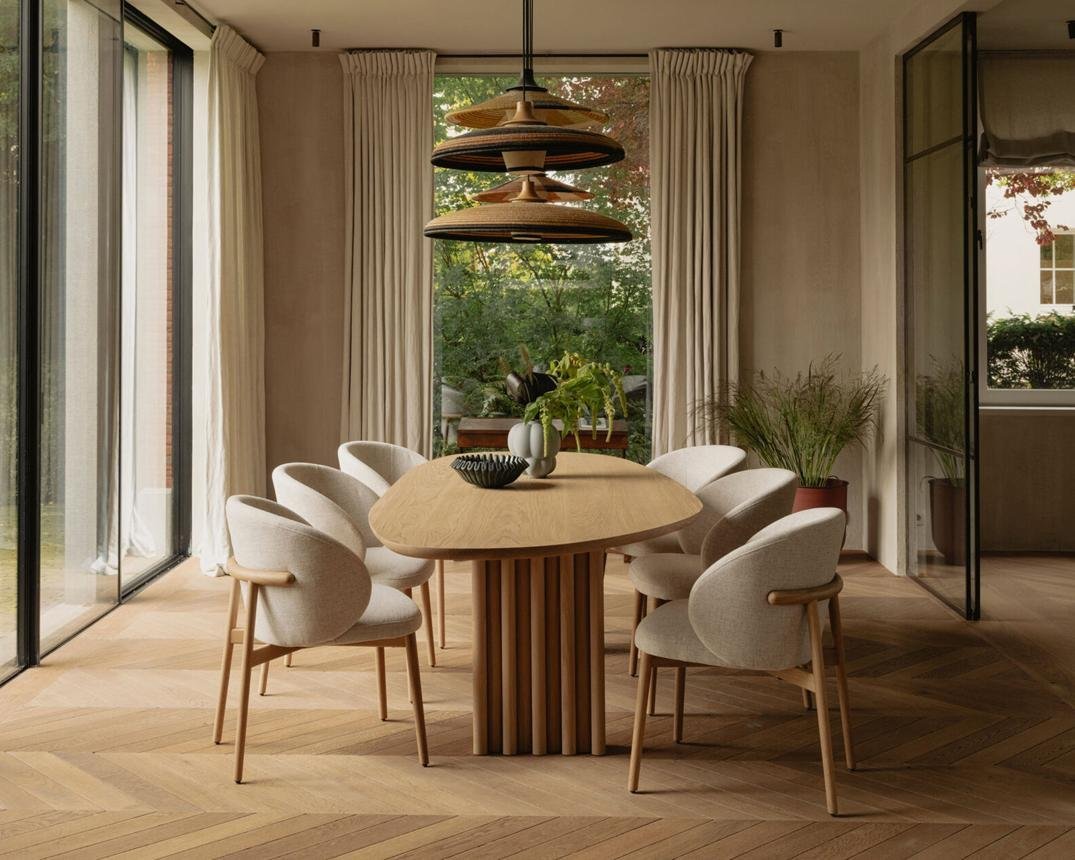
A modern dining area should feel welcoming enough for everyday meals while remaining attractive for entertaining. Whether you have a dedicated dining room or a small dining corner in an open-plan apartment, thoughtful furniture choices and lighting can make the area feel like a deliberate part of the home.
The dining table is usually the central feature. A simple wooden table creates warmth, while glass or stone surfaces can introduce a more contemporary appearance. Round and oval tables work particularly well in compact rooms because their softer edges can improve movement around the seating area. Rectangular tables may be more practical for larger households or rooms with longer dimensions.
Dining chairs should complement the table without necessarily matching it exactly. Upholstered chairs can add comfort and soften a space dominated by hard surfaces. Wooden chairs create a more natural look, while slim metal frames can provide contrast. If you mix chair styles, repeat a color, material, or shape so the arrangement still feels cohesive.
Lighting above the dining table can establish a focal point and help define the area in an open-plan home. A pendant or chandelier should be proportionate to the table and positioned at a comfortable height. The fixture should illuminate the dining surface without blocking people’s views across the table.
Decorative details can remain simple. A ceramic vase, a low bowl, or a small arrangement of greenery can provide interest without taking up too much space. Choose a centerpiece that can be moved easily when you need the full table for meals, homework, or entertaining.
Modern decorating tip: Use a rug beneath the dining table only if it suits the space and is practical to maintain. If you choose one, make sure the chairs remain on the rug when pulled back so the arrangement feels comfortable and functional.
19. Add Greenery and Natural Decorative Elements
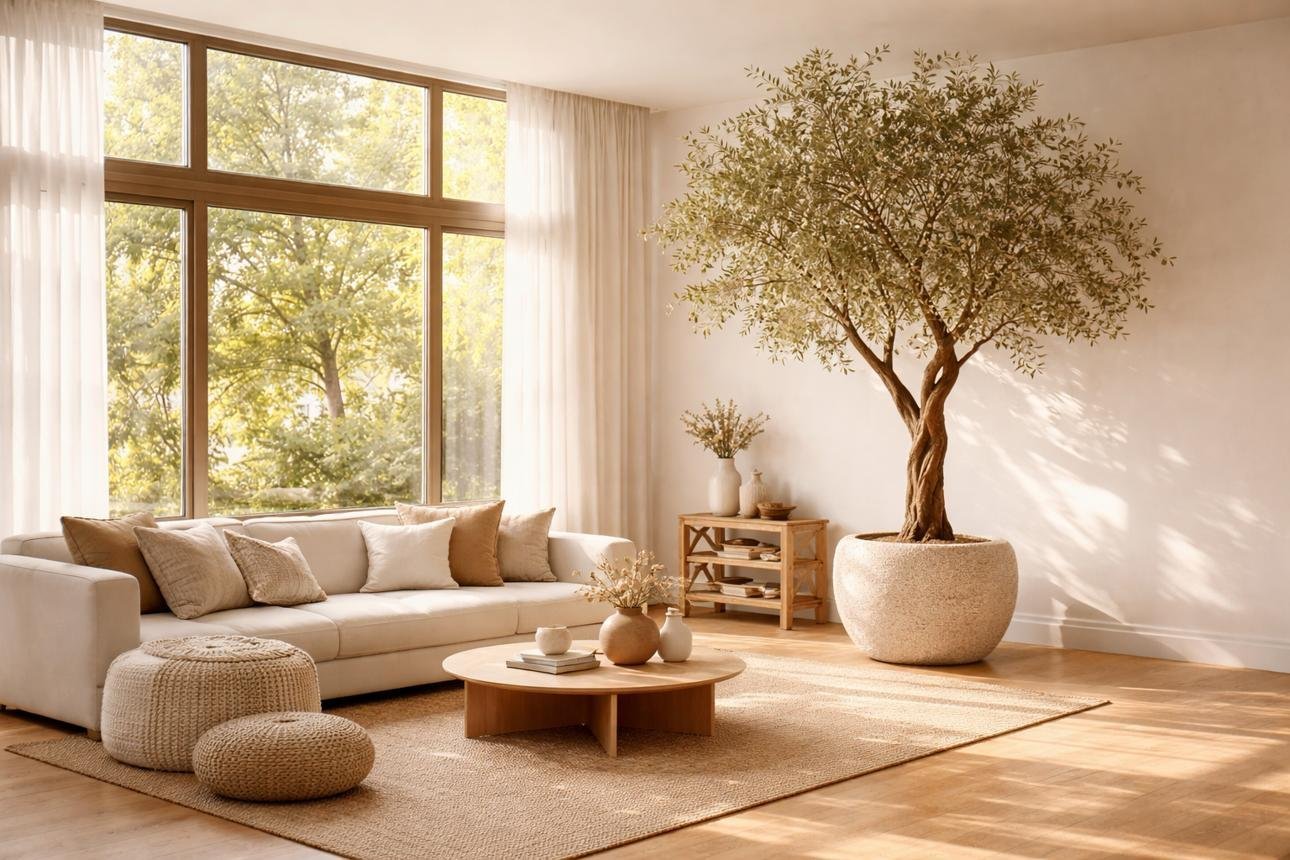
Plants and natural decorative elements can make modern interiors feel more alive. Their organic shapes provide a gentle contrast to straight-lined furniture and simple architecture, while different shades of green can complement neutral colors and natural materials. Even a room with minimal decoration can feel more welcoming when it includes a few well-chosen plants.
Large indoor plants can make a particularly strong visual statement. A suitable indoor tree or tall leafy plant can fill an empty corner, soften a window area, or create a natural focal point beside a sofa. Before buying a large plant, consider the amount of light available, the space needed for growth, and whether the plant is suitable for a home with children or pets.
Smaller plants can be arranged on shelves, consoles, kitchen counters, or bedside tables. A simple grouping of two or three plants in coordinated ceramic pots often looks more cohesive than a large collection of unrelated containers. Varying the height and leaf shape can create interest without making the arrangement feel crowded.
Natural decorative objects work well alongside greenery. Ceramic vases, wooden bowls, woven baskets, and stone accessories can introduce subtle variation. These pieces don’t need to match exactly; instead, choose items that share a similar color palette or material quality.
If caring for live plants isn’t practical, consider high-quality artificial greenery or dried botanical arrangements. These options can still provide an organic decorative element, although their appearance and maintenance requirements differ from living plants.
Modern decorating tip: Treat greenery as part of the room’s overall composition. One larger plant placed thoughtfully can have more visual impact than several small plants scattered across every surface.
20. Personalize Your Home With Thoughtful Details
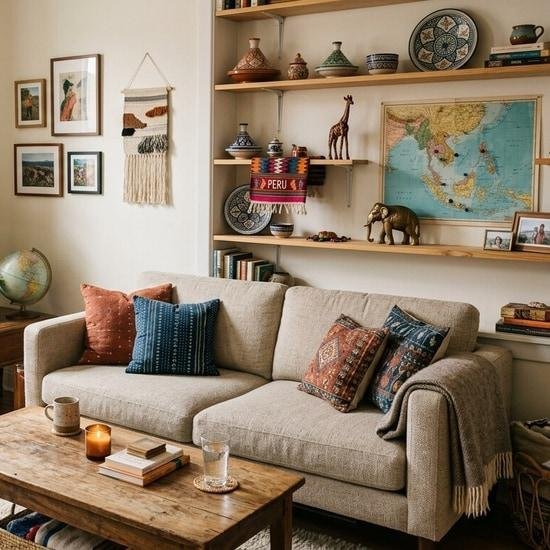
The final step in creating a beautiful modern home is making it feel like yours. Clean lines, neutral colors, and attractive furniture provide a foundation, but a home becomes memorable through the objects, artwork, photographs, and meaningful details that reflect the people living there. Without these personal elements, even a beautifully furnished interior can feel impersonal.
Start by choosing a few items that have genuine meaning. Family photographs, travel souvenirs, favorite books, handmade ceramics, or artwork collected over time can introduce personality without disrupting the modern aesthetic. The goal is not to display everything at once, but to select pieces that deserve a place in the room.
Books can be used as both functional objects and decorative elements. A small collection on a coffee table or open shelf adds color and texture, especially when paired with a simple ceramic object or sculptural accessory. Just make sure the arrangement leaves enough space for everyday use rather than turning every surface into a display.
Personalization also comes from color. If you love deep blue, warm rust, or forest green, introduce that color through a favorite artwork, accent chair, or a few cushions. A modern home doesn’t need to follow a strict neutral palette to look cohesive. It simply benefits from a thoughtful relationship between colors and materials.
Allow your rooms to evolve over time. You don’t need to complete every space in one shopping trip, and you don’t have to replace everything whenever a new trend appears. Adding one meaningful piece at a time can create a home that feels more authentic and less like a temporary display.
Modern decorating tip: Leave some empty space around your favorite objects. A meaningful piece often becomes more noticeable and visually effective when it isn’t surrounded by too many competing decorations.
How to Make Modern Interior Design Work on a Budget
Creating a modern home doesn’t require purchasing designer furniture or completely renovating every room. In many cases, the most noticeable improvements come from making better use of what you already own, reducing visual clutter, and investing in a few changes that have a meaningful impact.
The best approach is to work in stages. Start with the room you use most frequently, identify what feels outdated or uncomfortable, and decide which improvements will make the biggest difference. A fresh coat of paint, updated lighting, new curtains, or a better furniture arrangement can change the overall atmosphere without requiring a large investment.
Here are some practical ways to introduce modern interior design on a budget:
- Refresh the walls: Warm white, soft beige, and muted neutral paint colors can provide a fresh background for existing furniture. Painting one wall or updating tired trim may be enough to transform a room.
- Replace outdated hardware: New cabinet handles, drawer pulls, and door hardware can modernize kitchens, bathrooms, and storage furniture without replacing the cabinets themselves.
- Shop secondhand: Look for solid wood tables, vintage lamps, contemporary artwork, and quality furniture through secondhand stores, estate sales, and local marketplaces. A simple piece with good proportions can be updated with paint, refinishing, or new upholstery.
- Upgrade the textiles: New cushion covers, curtains, bedding, and area rugs can introduce modern colors and textures without requiring you to purchase new furniture.
- Improve lighting: Replace outdated fixtures with simple contemporary designs, add table lamps, and use appropriate warm-toned bulbs in relaxing spaces.
- Declutter before decorating: Remove items you no longer use, reorganize storage, and give favorite decorative pieces more room to stand out.
Where Should You Spend More, and Where Can You Save?
A useful strategy is to invest in items you use daily and save on accessories that are easy to change.
| Worth prioritizing | Areas where you can save |
|---|---|
| Comfortable sofa and supportive mattress | Decorative cushions and throws |
| Durable flooring and frequently used surfaces | Small decorative accessories |
| Functional kitchen and bathroom fixtures | Seasonal decor and inexpensive artwork |
| Quality task lighting | Decorative trays and vases |
| Practical storage solutions | Trend-driven accent pieces |
Remember that price alone doesn’t determine whether a room looks expensive. Proportion, color coordination, material combinations, and good lighting often have a greater visual impact than the brand name on a piece of furniture.
A thoughtfully arranged living room with secondhand furniture, coordinated textiles, and attractive lighting can look just as inviting as a room furnished entirely with new products. Start with what you have, make deliberate improvements, and allow the home to develop naturally.
Conclusion
Modern interior design is about much more than choosing fashionable furniture or copying a beautifully styled room from a magazine. It’s about creating a home that feels comfortable, functional, visually balanced, and connected to your personal style. The most successful modern interiors combine simplicity with warmth, making everyday spaces feel both practical and special.
From warm neutral color palettes and clean-lined furniture to organic materials, sculptural lighting, and thoughtful storage, these 20 modern interior design ideas offer plenty of inspiration for every room in your home. You can introduce a few small changes or gradually transform an entire interior, depending on your budget and priorities.
The key is to avoid decorating simply for the sake of following trends. Choose colors you enjoy, invest in furniture that suits your lifestyle, and incorporate materials and objects that make your home feel welcoming. A modern home doesn’t need to be perfectly styled or completely clutter-free to be beautiful.
Start with one room, choose two or three ideas that suit your space, and build from there. With a little planning and creativity, you can create a modern interior that looks sophisticated today and continues to feel like home for years to come.
Frequently Asked Questions
1. What are the most popular modern interior design ideas?
Popular modern interior design ideas include warm neutral color palettes, minimalist furniture, natural wood finishes, layered lighting, curved furniture, oversized artwork, and open layouts. Many homeowners also incorporate organic materials, concealed storage, and indoor plants to make contemporary spaces feel more welcoming. The best combination depends on the room’s size, natural light, and the way you use the space.
2. How can I make my home look modern without renovating?
You can make your home look modern by updating paint colors, rearranging furniture, improving lighting, and replacing outdated accessories. Choose coordinated textiles, introduce natural materials, and remove unnecessary clutter. Changing cabinet hardware, adding a large piece of artwork, or installing modern curtains can also make a noticeable difference without the expense of a major renovation.
3. What colors work best for modern interior design?
Warm white, cream, beige, taupe, soft gray, and earthy neutrals are versatile choices for modern interiors. These colors work well with natural wood, stone, and contemporary furniture. For more personality, introduce accents such as olive green, terracotta, navy blue, or charcoal. A balanced combination of neutral backgrounds and carefully selected accent colors creates a cohesive appearance.
4. How do I make a small home look modern and spacious?
Use furniture that fits the room, maintain clear walking paths, and make the most of vertical storage. Light colors, mirrors, and consistent flooring can help create a sense of openness. Multifunctional furniture, such as storage ottomans and extendable dining tables, can also improve functionality. Avoid overcrowding the space with decorative objects or oversized furniture.
5. Is modern interior design suitable for a budget-friendly home?
Yes. Modern interior design focuses on simplicity, functionality, and thoughtful material choices rather than expensive purchases. You can create a modern look with secondhand furniture, affordable lighting, coordinated textiles, and simple DIY improvements. Start with the changes that have the greatest impact on your daily comfort, then gradually add furniture and accessories that fit your budget.
Leave a Reply