
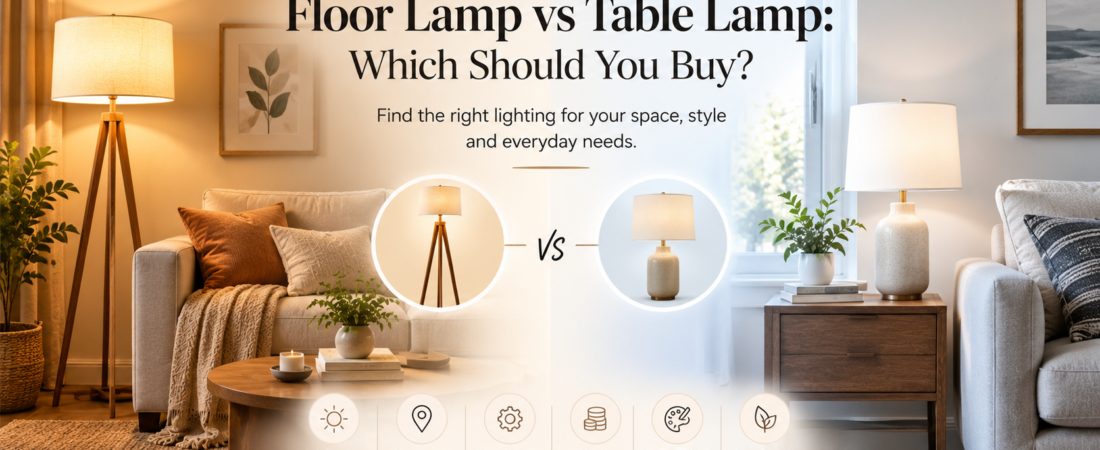
Choosing between a floor lamp and a table lamp might seem like a small decorating decision, but the right lighting can change how your entire room looks and feels. A floor lamp can brighten a dark corner, frame a sofa, or provide comfortable light for reading without taking up valuable tabletop space. A table lamp, on the other hand, adds a cozy glow to a nightstand, console, desk, or side table while bringing another layer of style into your home.
So, which one should you buy? The answer depends on your room size, lighting needs, furniture layout, budget, and personal decorating style. If you’re furnishing a living room, updating your bedroom, or trying to make a small apartment feel more inviting, understanding the differences between these two popular lighting options will help you make a smarter choice.
This guide compares floor lamps vs table lamps in terms of brightness, placement, functionality, cost, design, and everyday practicality. You’ll also learn which lamp works best in different rooms, how to choose the right bulb, and how to combine both types for a balanced lighting scheme.
1. What Is a Floor Lamp?
A floor lamp is a freestanding light fixture designed to stand directly on the floor. Unlike a table lamp, it doesn’t need a desk, nightstand, or side table to support it, making it a useful choice when you want to add lighting without sacrificing furniture space. Most floor lamps stand between approximately four and six feet tall, although shorter and taller designs are also available. Their height allows them to distribute light at different levels, depending on the shade, bulb direction, and overall design.
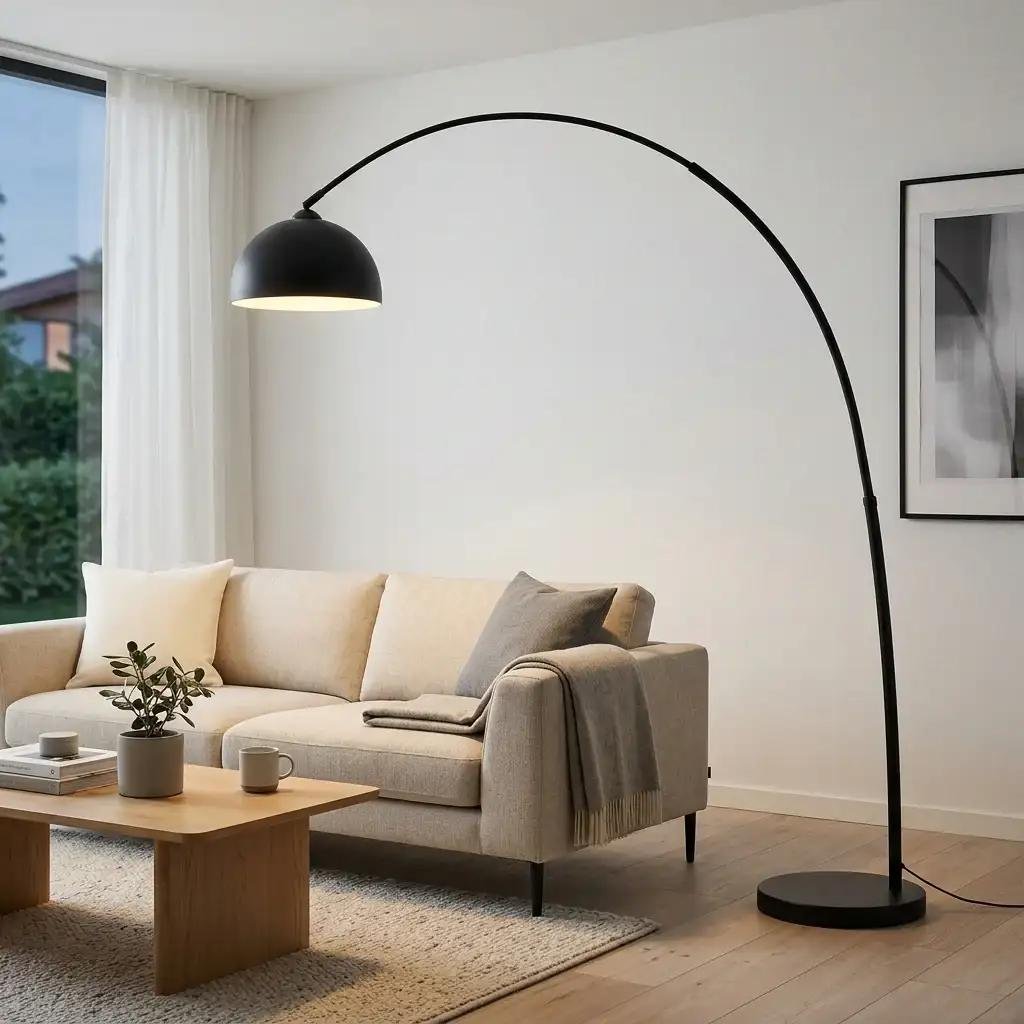
One of the biggest advantages of a floor lamp is its ability to fill an empty corner or create a comfortable reading area. Imagine a sofa positioned beside a window where the ceiling light doesn’t reach very well. Placing a floor lamp next to the sofa gives you a convenient source of light for reading, relaxing, or enjoying an evening at home. It can also become a decorative focal point, especially when you choose a sculptural base, an oversized shade, or a finish that complements your furniture.
Floor lamps come in a wide variety of styles, from simple minimalist designs to traditional lamps with fabric shades and ornate bases. Some direct light upward toward the ceiling, creating a soft ambient glow, while others focus light downward onto a book or work surface. Adjustable models offer even more flexibility because you can change the direction of the light as your needs change.
However, floor lamps do require a suitable patch of floor space. A large base or an extended arm may interfere with a walkway if you position it carelessly. Before buying one, consider the lamp’s overall height, base diameter, cord placement, and proximity to seating. If you have enough room to position it safely, a floor lamp can provide both practical illumination and a strong decorative element.
Popular Types of Floor Lamps
Arc floor lamps feature a curved arm that extends over a sofa, armchair, or coffee table. They’re useful when you want overhead-style lighting without installing a ceiling fixture. Torchiere lamps direct light upward, helping brighten a room with indirect illumination. Task floor lamps usually have adjustable heads for reading, crafting, or other activities, while tripod floor lamps add a distinctive architectural look. Traditional floor lamps with fabric shades are another versatile option, particularly in cozy living rooms and bedrooms.
2. What Is a Table Lamp?
A table lamp is a portable light fixture designed to sit on a flat surface, such as a bedside table, desk, console, or living room side table. It typically consists of a base, a bulb or integrated light source, and a shade or diffuser that helps control the direction and softness of the light. Because table lamps are available in so many sizes and designs, they can work in nearly any room where a suitable surface is available.

The main benefit of a table lamp is how easily it combines functional lighting with decoration. A lamp on a nightstand can make bedtime reading more comfortable, while a pair of matching lamps on a console can create symmetry in an entryway. On a living room side table, a table lamp can add a warm pool of light that makes the space feel more inviting after sunset. Even when switched off, a well-chosen lamp contributes to the room’s visual character through its shape, color, texture, and material.
Table lamps are especially useful when you need light close to where you sit or work. A desk lamp, for example, can illuminate papers or a keyboard without lighting the entire room. A bedside lamp keeps the switch within easy reach, so you can turn it off without getting out of bed. Some models include touch controls, dimmers, USB charging ports, or adjustable arms, making them convenient for modern homes.
The main limitation is that a table lamp needs somewhere to sit. If your bedside table is already crowded with books, glasses, a phone, and other essentials, adding a lamp may leave little usable space. Its light may also be too localized to brighten a large room on its own.
Before buying a table lamp, measure the surface where you intend to place it and consider the lamp’s height in relation to your seating or bed. A lamp that looks beautiful in a showroom may feel oversized on a narrow nightstand. When the proportions are right, however, a table lamp offers an easy way to add useful light and personality without making a major change to your room.
Popular Types of Table Lamps
Bedside lamps provide convenient lighting for bedrooms, while desk lamps offer more focused illumination for studying and working. Accent table lamps emphasize decorative style, often using ceramic, glass, metal, or sculptural bases. Buffet lamps are generally tall and narrow, making them suitable for dining room sideboards and consoles. You can also find portable rechargeable table lamps that work well on shelves, balconies, and surfaces where a nearby electrical outlet isn’t convenient.
3. Floor Lamp vs Table Lamp: Key Differences
At first glance, floor lamps and table lamps perform the same basic job: they bring artificial light into your home. The difference lies in how they occupy space, distribute light, and fit into your daily routine. A floor lamp stands independently, while a table lamp depends on furniture. That single distinction influences everything from placement and convenience to the way each lamp changes the appearance of a room.
Floor lamps generally work well when you want to illuminate a corner, add height to a room, or place a light source beside seating without using a tabletop. Table lamps are often better for localized lighting, especially when you want a convenient light source beside a bed, on a desk, or next to a favorite chair. Neither type is automatically brighter; the bulb’s lumen output, shade design, and direction of light matter more than whether the fixture stands on the floor or on a table.
| Feature | Floor Lamp | Table Lamp |
|---|---|---|
| Placement | Directly on the floor | On a desk, table, or nightstand |
| Space needed | Uses floor space | Uses surface space |
| Typical purpose | Ambient, accent, or reading light | Task, accent, or bedside light |
| Portability | Movable, but may be heavier | Often easier to move |
| Best for | Corners, sofas, and reading chairs | Nightstands, desks, and side tables |
| Decorative effect | Adds height and vertical interest | Adds detail at furniture level |
| Main limitation | Can obstruct walkways | Takes up valuable tabletop space |
| Common features | Arc arms, upward light, adjustable heads | Touch controls, compact bases, adjustable shades |
Think about your room before deciding. If you have a small side table beside your sofa and want to keep it available for drinks or books, a floor lamp may be the better option. If your bedroom has a sturdy nightstand and you need light within arm’s reach, a table lamp is likely more practical.
You should also consider how you use the room throughout the day. A floor lamp with a dimmable bulb may provide a soft glow while you watch television and brighter light when you read. A table lamp may be more convenient when you want to switch on a small pool of light without illuminating the whole space. The right purchase is the one that solves your actual lighting problem rather than simply matching a popular decorating trend.
4. Which Lamp Provides Better Lighting?

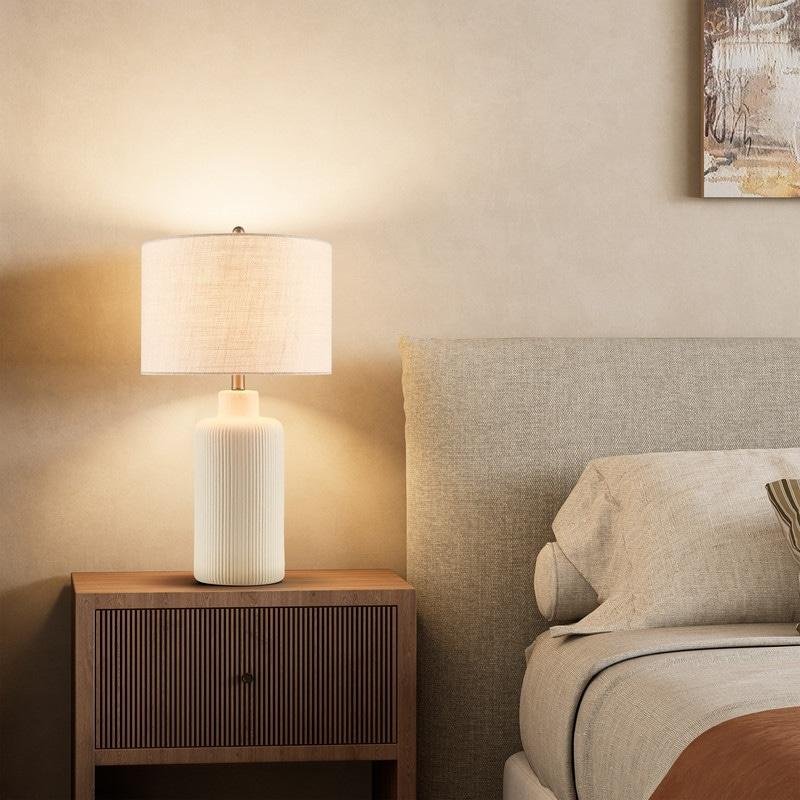
Neither a floor lamp nor a table lamp is inherently brighter. The quality and quantity of light depend on the bulb, the fixture’s design, the shade material, and the distance between the light source and the area you want to illuminate. A powerful floor lamp with an open shade may brighten a large section of a living room, while a small table lamp with an opaque shade may provide a gentle glow around a bedside table. However, a bright table lamp can outperform a dim floor lamp when their light sources and designs are different.
To compare lamps fairly, look at lumens, which indicate how much visible light a source produces. Watts measure electrical power consumption, not brightness. For LED bulbs, checking the lumen rating is therefore more helpful than choosing a bulb based on wattage alone. The lamp’s maximum permitted wattage and bulb compatibility still matter, so always follow the manufacturer’s specifications.
The direction of light is equally important. A floor lamp with an upward-facing shade can bounce light off the ceiling, helping create a softer ambient effect. An adjustable floor lamp can direct light toward a reading chair, while a table lamp with a fabric shade can spread a warm glow across nearby furniture. A desk lamp with a focused head may be ideal for detailed work, but it won’t necessarily illuminate the rest of the room evenly.
Color temperature also affects the atmosphere. Warm white light, commonly around 2700K to 3000K, creates a cozy feeling that often suits living rooms and bedrooms. Neutral white light around 3500K to 4000K can work well in areas where you need clearer visibility, depending on the task and your preference. Cooler light isn’t automatically better for productivity, and a warm bulb isn’t automatically too dim for reading; brightness, contrast, placement, and personal comfort all play a role.
For a comfortable setup, consider combining general room lighting with a lamp that addresses a specific need. If your ceiling fixture already provides good overall illumination, a table lamp may be enough to create a relaxing corner. If the room has dark areas or lacks ceiling lighting, a floor lamp may provide more useful coverage. Choose based on where you need light to fall, not just on the fixture’s size.
5. Floor Lamps vs Table Lamps for Living Rooms
Living rooms are among the best places to use either type of lamp because they serve so many purposes. You might watch television, entertain guests, read a book, work on a laptop, or simply relax at the end of the day. One overhead light rarely creates the right atmosphere for every activity. Floor lamps and table lamps allow you to build layers of lighting that make the room more flexible and comfortable.
A floor lamp is particularly useful beside a sofa or armchair. It can brighten a reading spot, fill an unused corner, or add height to a room filled with low furniture. An arc lamp can extend over a seating area, while a tripod design can introduce an interesting silhouette. If you have a large living room with a high ceiling, a tall floor lamp can help the lighting arrangement feel more balanced instead of leaving the lower half of the room in shadow.
A table lamp is often the better choice when your living room already has side tables or a console. It adds a cozy glow near eye level and can help make a large space feel more intimate in the evening. A pair of table lamps on matching side tables can create visual balance, while a single statement lamp can draw attention to a beautiful ceramic base or textured shade. Table lamps are also easy to switch on when you want a softer alternative to overhead lighting.
Your furniture layout should guide the decision. If your sofa sits against a wall with a narrow side table, check whether there is enough surface space for a lamp without crowding everyday items. If the room has an open corner near a chair, a floor lamp may be more convenient. In homes where children or pets move around frequently, consider the lamp’s stability, cord placement, and the likelihood of accidental bumps.
For many living rooms, the best answer isn’t floor lamp versus table lamp at all. It’s a combination of both. A floor lamp can provide reading light near the sofa, while a table lamp adds a softer glow on the opposite side of the room. When their styles and bulb colors coordinate, the room feels layered rather than unevenly lit.
For more inspiration, explore these living room lighting ideas to see how different light sources can work together with furniture, colors, and decorative accessories.
6. Which Lamp Is Better for Bedrooms?
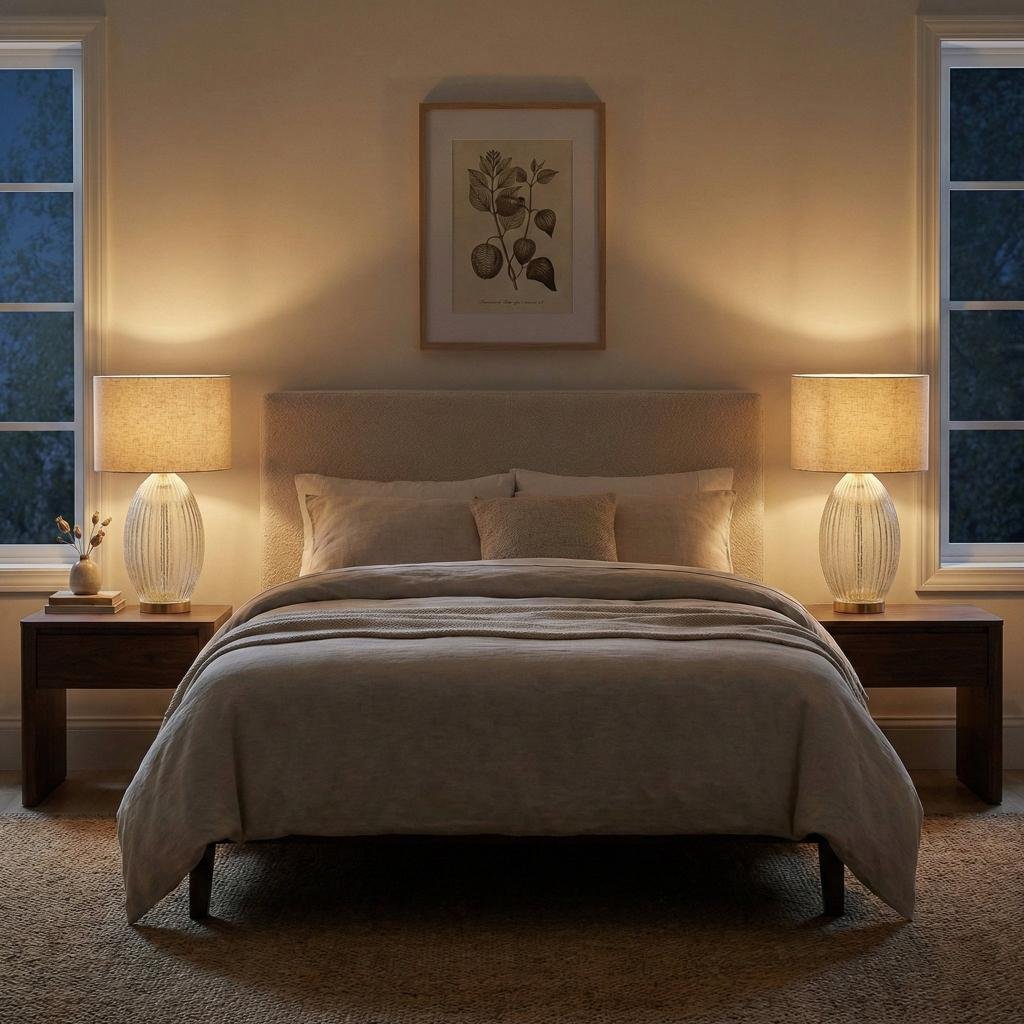
In the bedroom, convenience and comfort usually matter more than dramatic brightness. You may need enough light to read, find clothing, get ready in the morning, or move around safely at night. At the same time, you probably don’t want harsh lighting when you’re winding down. Both floor lamps and table lamps can work beautifully in bedrooms, but each serves a slightly different purpose.
A table lamp is often the most practical choice for a bedside table. Its switch is close enough to reach from bed, and the light can be directed or softened to suit your nighttime routine. A shade that diffuses the bulb helps reduce glare, especially if someone else is sleeping nearby. If you share a bedroom, separate bedside lamps can give each person more control over their lighting.
The challenge is space. Small nightstands may not have enough room for a lamp, phone, water glass, and other essentials. In that case, a slim floor lamp beside the bed could be an alternative, provided it doesn’t obstruct movement or create a tripping hazard. A floor lamp with an adjustable reading head can be particularly useful if you enjoy reading in bed but don’t want to use a traditional bedside fixture.
Floor lamps can also provide ambient lighting in a bedroom that feels too dark with a single ceiling fixture. Placing one in a corner can soften the room’s overall appearance and create a more relaxing atmosphere. Choose a stable design and position it away from curtains, bedding, and walking paths. If the lamp has a cord, keep it secured and out of the way.
For most bedrooms, a table lamp is the better first purchase if you need convenient bedside lighting. A floor lamp makes more sense when you want to illuminate a larger corner, supplement the main light, or avoid using a crowded nightstand. If your budget allows, combining a bedside lamp with a floor lamp can give you flexible lighting for both nighttime reading and general relaxation.
7. Choosing a Lamp for Reading and Working


If reading is your main priority, don’t choose a lamp based on appearance alone. The light should reach the page or work surface without producing distracting glare or deep shadows. Both floor lamps and table lamps can provide effective task lighting, but the best option depends on your seating arrangement, the height of the surface, and the type of activity you’re doing.
A floor lamp with an adjustable arm or reading head is an excellent choice beside a sofa or armchair. It can direct light toward a book while leaving the side table free for other items. This is especially helpful if you read for long periods and want to adjust the light’s position without moving your furniture. Look for a stable base and a head that can be aimed accurately rather than one that sends light into your eyes.
Table lamps are ideal for desks, bedside reading, and smaller work areas. A dedicated desk lamp can direct light onto papers or a keyboard, while a compact bedside lamp offers convenient illumination before sleep. For detailed tasks, adjustable brightness and positioning are useful features. If you use a computer, position the lamp to minimize reflections on the screen and avoid placing a bright bulb directly in your line of sight.
A comfortable reading setup needs enough light to see clearly, but maximum brightness isn’t always best. Excessive contrast between a bright page and a dark room can feel uncomfortable, while a poorly positioned lamp can cast shadows across your work. Use a bulb suitable for the fixture, adjust its direction, and consider adding gentle ambient light if the surrounding room is very dark.
For a home office, a table or desk lamp is usually the more direct solution because it illuminates the work surface. A floor lamp can supplement the room’s general lighting, especially in a corner office or a room without ceiling fixtures. If you regularly work late, consider a dimmable LED bulb and choose a color temperature that feels comfortable for the task. Good lighting should support your work without causing unnecessary glare or eye strain.
8. Which Lamp Is Best for Small Spaces?
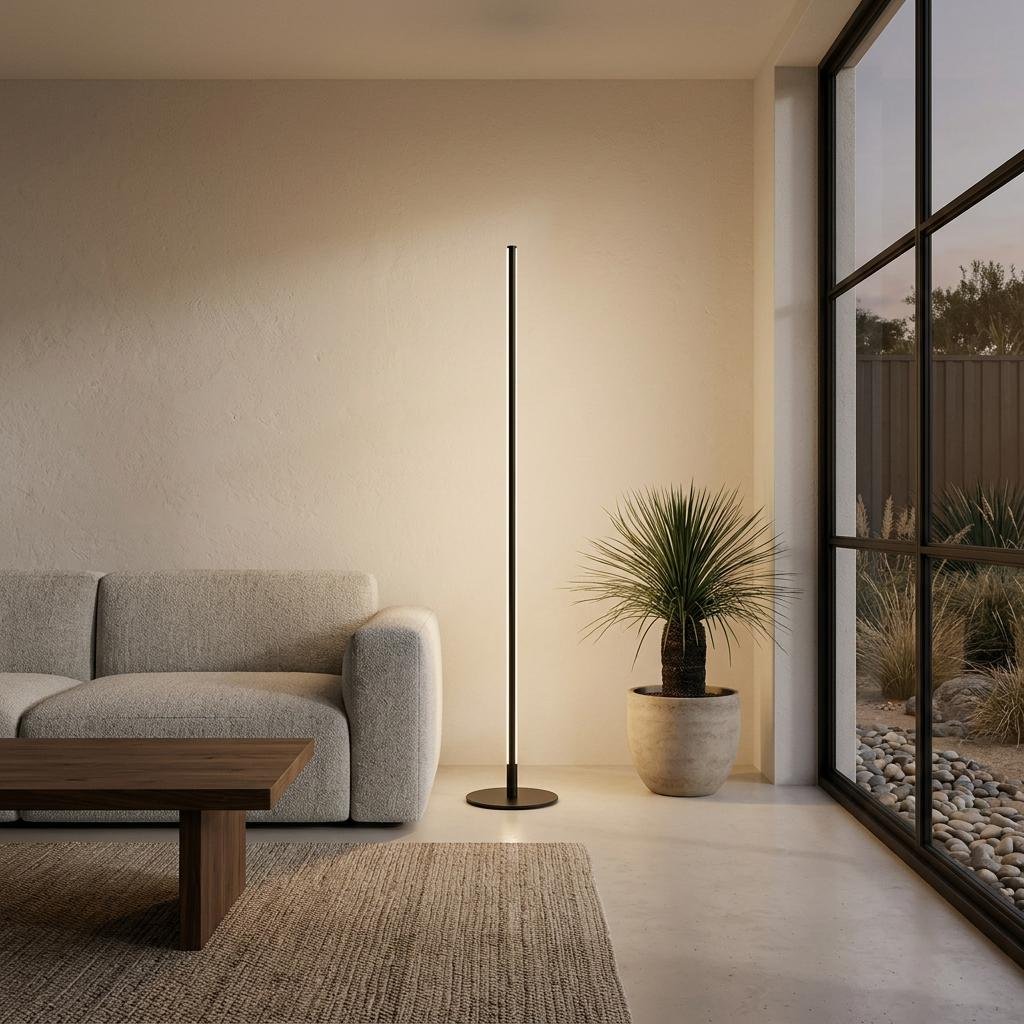

Small rooms require careful decisions because every piece of furniture competes for limited space. A lamp that looks perfect in a spacious showroom may feel bulky in a studio apartment or narrow bedroom. The trick is to choose a fixture that solves a lighting problem without making the room harder to use.
A floor lamp can be a smart option when your tables and shelves are already full. A slim pole lamp placed in an unused corner provides light without taking up valuable tabletop space. An arc lamp can also extend over a chair or sofa, although its arm needs enough clearance to avoid interfering with movement. Before purchasing one, measure the base and check that it won’t block a doorway or narrow walkway.
A table lamp may be better if you have a useful console, desk, or nightstand with spare surface area. Compact lamps can add warm light without occupying much room, and a narrow base may leave enough space for everyday essentials. If the table is tiny, though, even a small lamp can make it feel crowded. In that situation, consider whether a floor lamp or a wall-mounted light would be more practical.
Visual weight matters just as much as physical size. A lamp with a heavy dark base and oversized shade may make a small room feel crowded, while a simple design with an open frame can appear lighter. Transparent glass, slim metal stems, and understated shades may help preserve an airy look. That doesn’t mean you must avoid bold designs; one striking lamp can add personality if the rest of the room is relatively simple.
Before deciding, consider the room’s layout rather than its square footage alone. A narrow room with no spare floor space may benefit from a table lamp on an existing shelf, while a compact apartment with limited furniture may be better served by a slim floor lamp. Measure first, keep cords away from walking paths, and choose a fixture that complements the furniture you already own.
9. Comparing Style, Materials, and Design
Lighting fixtures are functional objects, but they’re also part of your interior design. The right lamp can tie together your furniture, wall colors, textiles, and decorative accessories. When choosing between a floor lamp and a table lamp, consider how each will look during the day when it’s switched off as well as at night when it’s illuminated.
Floor lamps often create a strong vertical line, which can help balance low sofas, wide cabinets, and large windows. A sculptural arc lamp can make a modern living room feel more architectural, while a wooden tripod lamp may suit a relaxed, natural interior. Metal finishes such as black, brass, chrome, or brushed nickel can introduce contrast or echo other hardware in the room. Fabric shades soften the appearance of a fixture and can make traditional or transitional spaces feel more inviting.
Table lamps tend to work at a smaller visual scale, which makes them useful for adding detail and texture. A ceramic base can bring color into a neutral room, a glass lamp can create a lighter look, and a linen shade can complement soft furnishings. Matching lamps can establish symmetry on a pair of bedside tables, but mismatched designs can also look intentional when they share a similar color, height, or material.
Think about proportion before focusing on trends. A tiny lamp on a large console may look lost, while an oversized table lamp can overwhelm a narrow nightstand. Likewise, a dramatic floor lamp may dominate a small seating area if its shade or arm extends too far. Take measurements and compare the lamp’s height with nearby furniture so that the overall arrangement feels balanced.
The best design choice is one that fits your existing style without sacrificing usability. If your room already has plenty of decorative objects, a simple lamp may provide a welcome visual break. If the space feels plain, a distinctive lamp can become a focal point. Whether you select a floor lamp or a table lamp, prioritize sturdy construction, appropriate proportions, and a finish you’ll still enjoy after the latest trend has passed.
10. Floor Lamp vs Table Lamp: Price and Value
When comparing a floor lamp and a table lamp, the purchase price is only one part of the decision. You also need to think about durability, bulb replacement, functionality, and how well the fixture meets your everyday needs. A less expensive lamp may be perfectly suitable for a bedroom, while a more substantial floor lamp could offer better value if you plan to use it as a primary reading light for years.
Table lamps are available across a broad range of prices, from simple budget-friendly designs to decorative pieces made from ceramic, glass, or premium metals. Their smaller size can make them less expensive to manufacture and ship, although designer table lamps can cost considerably more than basic floor lamps. You may also find that the price increases when a lamp includes touch controls, integrated LED lighting, adjustable brightness, or built-in charging features.
Floor lamps also vary widely in price. A straightforward pole lamp may be affordable, while an adjustable arc lamp with a heavy base or a sculptural designer model can cost significantly more. The materials, construction quality, finish, and complexity of the design often influence the price. A stable base and well-made joints are particularly important for floor lamps because they must support a taller structure.
| Buying consideration | Floor lamp | Table lamp |
|---|---|---|
| Budget options | Simple pole and basic reading lamps | Basic bedside and accent lamps |
| Premium options | Designer arc lamps and sculptural fixtures | Decorative ceramic, glass, and designer lamps |
| Additional cost | May need more floor space and careful cord placement | May require a suitable table or desk |
| Best long-term value | Useful for independent lighting near seating | Useful for convenient, localized lighting |
| Features worth paying for | Stability, adjustable heads, dimming | Shade quality, stable base, easy controls |
To get good value, focus on the features you’ll actually use. If you read every evening, an adjustable lamp with comfortable task lighting may be worth spending more on. If you only want a gentle glow in a guest room, a simple table lamp could be more than sufficient. Paying extra for smart features makes sense only if you expect to use them regularly.
Remember to account for the cost of the bulb if it isn’t included, and check whether the lamp uses a replaceable bulb or an integrated LED module. A replaceable bulb can make future maintenance easier, while an integrated LED fixture may offer useful efficiency and control features. Ultimately, the best-value lamp is one that suits your space, performs reliably, and continues to meet your needs long after you bring it home.
11. Energy Efficiency and Bulb Choices
Energy efficiency matters whether you buy a floor lamp or a table lamp. In most cases, the bulb and the amount of time you leave it switched on have a greater influence on electricity use than the type of lamp itself. A floor lamp isn’t automatically more expensive to operate, and a table lamp isn’t necessarily more efficient. The important factors are the light source’s power consumption, brightness, and how you use it.
LED bulbs are a practical choice for most modern homes because they generally use less electricity than traditional incandescent bulbs to produce a comparable amount of light. They also tend to last longer, reducing the frequency of replacements. This can be particularly useful for a lamp you use every evening, such as a living room floor lamp or a bedside table lamp. Always check that the bulb is compatible with the fixture and that its wattage does not exceed the lamp’s stated limit.
Color temperature is another important consideration. Warm white bulbs around 2700K to 3000K often suit bedrooms and living rooms because they create a comfortable, inviting atmosphere. Neutral white bulbs around 3500K to 4000K can be useful for certain work areas, depending on your preferences and the surrounding lighting. A bulb’s Kelvin rating describes its color appearance, not its brightness, so compare lumens when deciding how much light you need.
Dimmable bulbs can provide additional flexibility, but compatibility matters. If your lamp has a dimmer, make sure the bulb is designed to work with it. Some LED bulbs may flicker, buzz, or fail to dim smoothly when paired with an incompatible control. If you prefer to adjust your lighting throughout the day, check the product specifications before buying.
Smart bulbs offer another option for people who want to control lighting with an app, voice assistant, or scheduled routine. They can be useful for creating different atmospheres without changing the physical lamp. However, you don’t need smart lighting to achieve an attractive result. A standard LED bulb with the right brightness and color temperature may be all you need.
To keep electricity use under control, turn off lamps when they aren’t needed and choose an appropriate brightness rather than automatically buying the highest-output bulb. A well-positioned lamp can provide comfortable illumination without wasting light in areas where you don’t need it. With the right LED bulb, either a floor lamp or a table lamp can become an efficient part of your home’s lighting plan.
12. Common Lamp-Buying Mistakes to Avoid
Buying a lamp can feel straightforward until you bring it home and discover that it doesn’t fit the room. Perhaps the base blocks a walkway, the shade sits at eye level, or the light is too harsh for relaxing. A few simple checks before purchasing can help you avoid these problems and choose a lamp that looks right and works well.
One common mistake is ignoring measurements. A floor lamp may look slim in a product photo but have a wide base that takes up more space than expected. A table lamp may appear compact online but overwhelm a small nightstand. Measure the intended location and compare it with the lamp’s full dimensions, including the shade, base, and any projecting arms. Don’t forget to consider the height of nearby furniture and the amount of clearance needed for walking.
Another mistake is choosing a lamp solely because it matches a trend. A beautiful fixture is not particularly useful if it provides the wrong type of light for your activities. An opaque shade may create a lovely glow but offer limited illumination for reading. An exposed bulb may look stylish but cause glare if you can see it directly from your usual seating position. Think about function first, then select a design that complements your interior.
People also sometimes overlook bulb compatibility. Not every lamp supports every bulb type, and some fixtures have specific wattage limits or require particular bulbs. If you want dimming, check whether both the lamp and bulb support it. If you plan to use a smart bulb, make sure the fixture’s controls won’t interfere with the way you want to operate it.
Cord placement is another detail worth checking. A lamp positioned across a walking route can create a tripping hazard, particularly in a busy living room or bedroom. Floor lamps should have stable bases and sit away from areas where they can be knocked over. Table lamps should rest on level surfaces and be positioned where they won’t be easily pulled down.
Finally, avoid relying on one lamp to solve every lighting problem in a large room. A single table lamp may not provide enough light for an entire living room, while one floor lamp may leave a desk or reading area poorly illuminated. Layering a few carefully placed sources often produces a more comfortable result than relying on one powerful bulb. The goal is not simply to add more light, but to put the right light in the right place.
13. Can You Use Floor Lamps and Table Lamps Together?
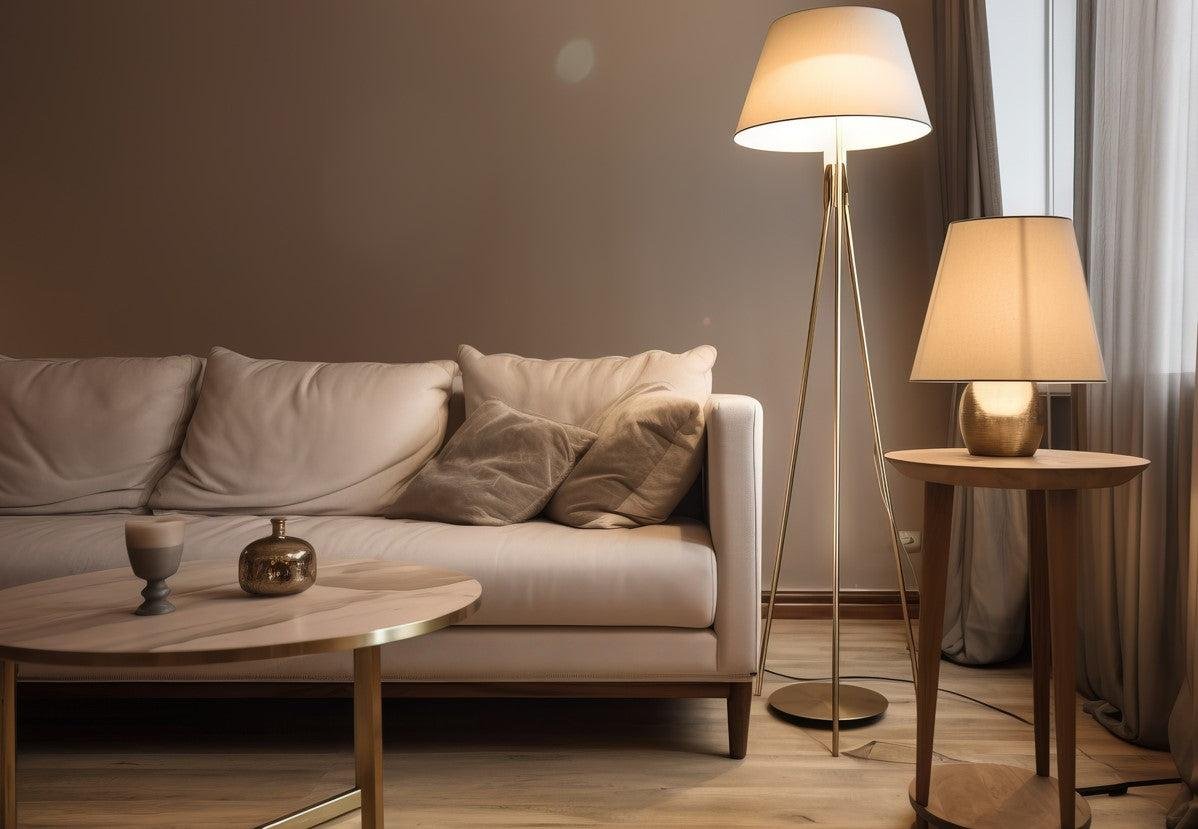


Absolutely. In fact, using floor lamps and table lamps together is one of the easiest ways to create a more flexible and welcoming lighting scheme. Each type serves a different role, so combining them lets you illuminate multiple areas without relying entirely on a ceiling fixture. This approach is especially useful in living rooms, open-plan spaces, and bedrooms where you want different lighting levels for different activities.
Start by identifying the areas that need light. A floor lamp beside a sofa can provide reading illumination, while a table lamp on a console creates a softer glow near the wall. In a bedroom, bedside table lamps can make reading convenient, while a floor lamp in the corner provides additional ambient light. You don’t need a lamp in every corner; focus on the places where people sit, read, work, or move around after dark.
You can create a coordinated look without buying matching fixtures. For example, a black metal floor lamp can work well with a ceramic table lamp if both complement the room’s furniture and finishes. Repeating one material, color, or shape helps tie the pieces together. If your room already contains many patterns and textures, simpler lamps may create a calmer overall effect.
Bulb selection also affects how well the lamps work together. Using bulbs with similar color temperatures can help the room feel visually consistent, especially when both lamps are on at the same time. Warm white light is a popular option for relaxed living spaces, but your preferred color temperature should reflect how you use the room. Dimmable bulbs give you even more control over the atmosphere.
Think about the balance of light rather than just the number of fixtures. If one lamp is much brighter than the others, the room may feel uneven. You can adjust the brightness, change the shade, or reposition a fixture to improve the result. A combination of ambient lighting, task lighting, and accent lighting generally provides more flexibility than a single source.
The best part is that you can build the arrangement gradually. Start with the lamp that solves your biggest problem, then add a second one if the room still feels dark or lacks atmosphere. You don’t need to replace every fixture at once to create a noticeable improvement.
14. How to Choose the Right Lamp for Your Home
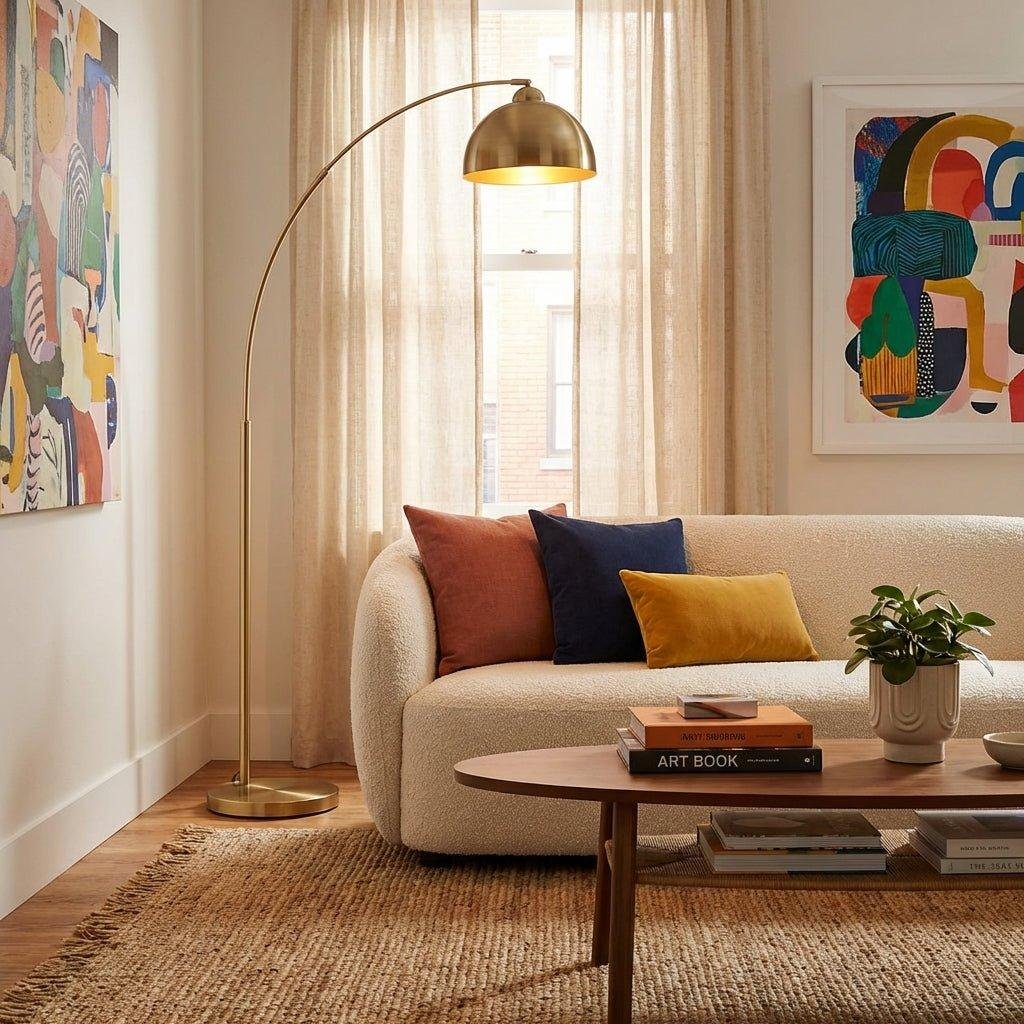

The simplest way to choose between a floor lamp and a table lamp is to begin with the job you want the light to do. Instead of asking which type is better in general, ask where you need the light, how much space you have, and what you usually do in that area. Those answers will narrow your options far more effectively than browsing styles without a clear purpose.
If you need light beside a sofa but don’t have room for another table, start by looking at floor lamps. A slim design or an adjustable reading lamp can provide illumination while keeping the tabletop free. If you’re furnishing a bedside table or desk, a table lamp is often more convenient because it places the controls and light source close to where you need them. For a decorative console, either option may work depending on the surface area and the overall layout.
Next, consider the room’s existing lighting. If your ceiling fixture provides strong general illumination but the room feels cold or uninviting, a table lamp may add the soft glow you’re missing. If the room has dark corners or no overhead lighting, a floor lamp with a suitable shade may help brighten the space. In some cases, the best solution is to use both, with each fixture serving a distinct purpose.
Measure the area before buying, then compare the lamp’s height, width, and base size with nearby furniture. Think about stability, cord routing, access to switches, and whether the light source will be visible from your usual seating position. If children or pets are present, pay particular attention to tipping risks and exposed cords. A lamp should make the room easier to use, not introduce a new obstacle.
Finally, choose a design that works with your decorating style and a bulb that suits the activity. Warm white light can create a relaxing mood, while a brighter or more neutral bulb may be preferable for some detailed tasks. Check the lumen output, color temperature, and dimming compatibility rather than relying on wattage alone.
Use this quick guide as a starting point:
- Choose a floor lamp if you want to illuminate a sofa, brighten an empty corner, or keep tables clear.
- Choose a table lamp if you need convenient bedside light, focused illumination on a desk, or a decorative accent on existing furniture.
- Choose both if you want layered lighting that adapts to reading, relaxing, entertaining, and everyday tasks.
The right lamp isn’t necessarily the largest, brightest, or most expensive. It’s the one that fits your space and makes your daily routines more comfortable.
Conclusion
When comparing a floor lamp vs table lamp, the best choice depends on your room layout, lighting needs, available space, and personal style. Floor lamps are particularly useful for illuminating corners, adding height, and providing light beside sofas or reading chairs without taking up tabletop space. Table lamps excel at localized lighting, making them practical for nightstands, desks, consoles, and side tables.
If convenience beside a bed or work surface is your priority, a table lamp is usually the better starting point. If you want to brighten a corner or keep a small table free, a floor lamp may be the smarter purchase. Neither option is automatically brighter or more energy-efficient; bulb output, fixture design, and usage determine how well it performs.
For many homes, combining both creates the most flexible result. Start with the area that needs better lighting, measure before buying, and choose a suitable LED bulb with a comfortable color temperature. With a little planning, your lamp can do more than brighten a room: it can help make your home feel more practical, balanced, and inviting.
Suggested For You:

- Unique Halo Gradient Lighting: Powered by LuminBlend+, Govee Floor Lamp delivers precise color. A 4-layer strip with 3 I…
- Soft-Touch Silicone for Modern Aesthetic: The touch-sensitive silicone shade of this unique floor lamp resembles a soft …
- Simple and Efficient Interactive Design: Elevate your space with a minimalist, art-inspired silhouette that looks beauti…

- 【End Table with Lamp】The table lamp combo seamlessly combines a small side table and an arched tall lamp. It saves space…
- 【3 Color Dimmable Lighting】One-touch switch between warm, natural, and cool white light for varied atmospheres. Linen la…
- 【Built-In Charging Station with 4 Ports】This nightstand with charging station offers 2 USB ports and 2 AC outlets on the…

- Open top design with more brightness: This tall standing lamp assembled size is 10.3" L *10.3" W*63" H. It is designed w…
- 3 color temperature bulb with memory function: shelf lamp includes a 9 Watt, 800 lumen energy saving LED bulb. The LED b…
- 3 tier storage and display: Our floor lamp with shelves is made of sturdy wood with stable structure, high loading with …
Frequently Asked Questions
1. Is a floor lamp better than a table lamp?
Neither is universally better. A floor lamp works well for lighting corners and seating areas without using tabletop space, while a table lamp is convenient for bedside tables, desks, and consoles. Choose based on the location and purpose of the light.
2. Which lamp is better for a small living room?
A slim floor lamp can be useful when tables are already crowded, while a compact table lamp works well if you have an available side table. Measure the space and choose a design that doesn’t obstruct walkways or overwhelm the furniture.
3. Can a floor lamp provide enough light for reading?
Yes. A floor lamp with an adjustable reading head or a well-positioned downward-facing shade can provide useful reading light. Check the bulb’s lumen output, direct the light toward your book, and avoid glare.
4. Are table lamps more energy-efficient than floor lamps?
Not necessarily. Energy use depends primarily on the bulb’s power consumption, brightness, and how long you leave it on. Both lamp types can be energy-efficient when fitted with a compatible LED bulb.
5. Should floor lamps and table lamps have matching designs?
No. They don’t need to match exactly, but it helps to repeat a color, finish, material, or shape so the room feels cohesive. Mixing styles can add character when the proportions and overall color palette work together.
Leave a Reply