
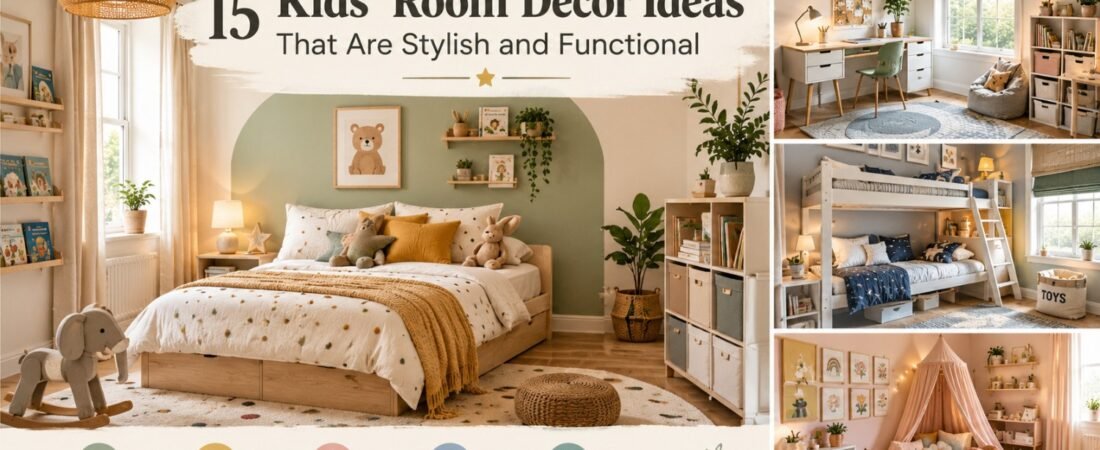
A child’s bedroom has to do a lot more than look cute. It’s a place for sleeping, playing, reading, getting dressed, displaying treasured toys, and occasionally leaving an impressive collection of socks on the floor. The best kids’ room decor ideas balance all these everyday needs with a design that feels cheerful, comfortable, and personal. You don’t need a huge bedroom, expensive furniture, or a perfectly coordinated theme to make it happen. With thoughtful colors, smart storage, flexible furniture, and playful decorative details, you can create a room your child loves today and that still works as they grow.
The secret is to decorate for real life rather than a picture-perfect moment. A beautiful room should be easy to tidy, comfortable to sleep in, and flexible enough to accommodate changing interests. A toddler might need accessible toy baskets, while a school-age child may appreciate a dedicated homework station. Teenagers often want more privacy, personal expression, and room to relax with friends. The smartest decorating choices leave space for those changes without requiring a complete makeover every few years.
In this guide, you’ll discover 15 stylish and functional kids’ bedroom decorating ideas, from playful accent walls and clever storage to reading nooks, shared-room layouts, and budget-friendly DIY touches. You’ll also find practical tips for choosing colors, arranging furniture, improving lighting, and keeping the room organized without turning cleanup into a daily battle.
Affiliate disclosure: This article contains Amazon affiliate links. If you purchase through qualifying links, PaletteDiary may earn a commission at no additional cost to you.
1. Choose a Flexible Color Palette
Color is one of the easiest ways to transform a child’s bedroom, but choosing the right palette involves more than picking a favorite shade. You want colors that feel cheerful without making the room visually overwhelming, especially when toys, books, bedding, and artwork already introduce plenty of color. A flexible color palette gives the room personality while allowing you to change smaller details as your child grows. Think of the wall color and larger furniture pieces as the foundation, with bedding, cushions, artwork, and accessories providing the playful finishing touches.
Soft sage green, warm beige, dusty blue, muted terracotta, and creamy white are versatile options for a contemporary kids’ room. These shades can create a relaxed backdrop without making the space feel plain. If your child loves brighter colors, you don’t have to avoid them. Try using sunny yellow in a reading corner, coral on a small section of wall, or blue through bedding and storage bins. A few intentional color accents can make a room feel energetic without competing for attention.
Consider the amount of natural light the bedroom receives before choosing paint. A room with limited daylight may feel more welcoming with warm whites and light neutral shades, while a bright room can accommodate deeper colors more easily. Paint samples are useful because a color can look different under morning sunlight, evening lamps, and cool daylight bulbs. Test a small area before committing to the entire room.
It also helps to consider your child’s preferences. Ask them to choose from two or three palettes that you already know will work with the furniture and the overall design. This gives them a genuine say in the room without making every decorating decision difficult. You can introduce a favorite color through removable accessories rather than permanent finishes.
The most practical approach is to keep expensive or difficult-to-change elements relatively timeless. Neutral walls, simple furniture, and versatile curtains can last for years, while themed bedding and colorful artwork can change whenever interests evolve. For more inspiration, explore these warm neutral color ideas and consider how a calm base can work with brighter accessories.
2. Create a Playful Accent Wall
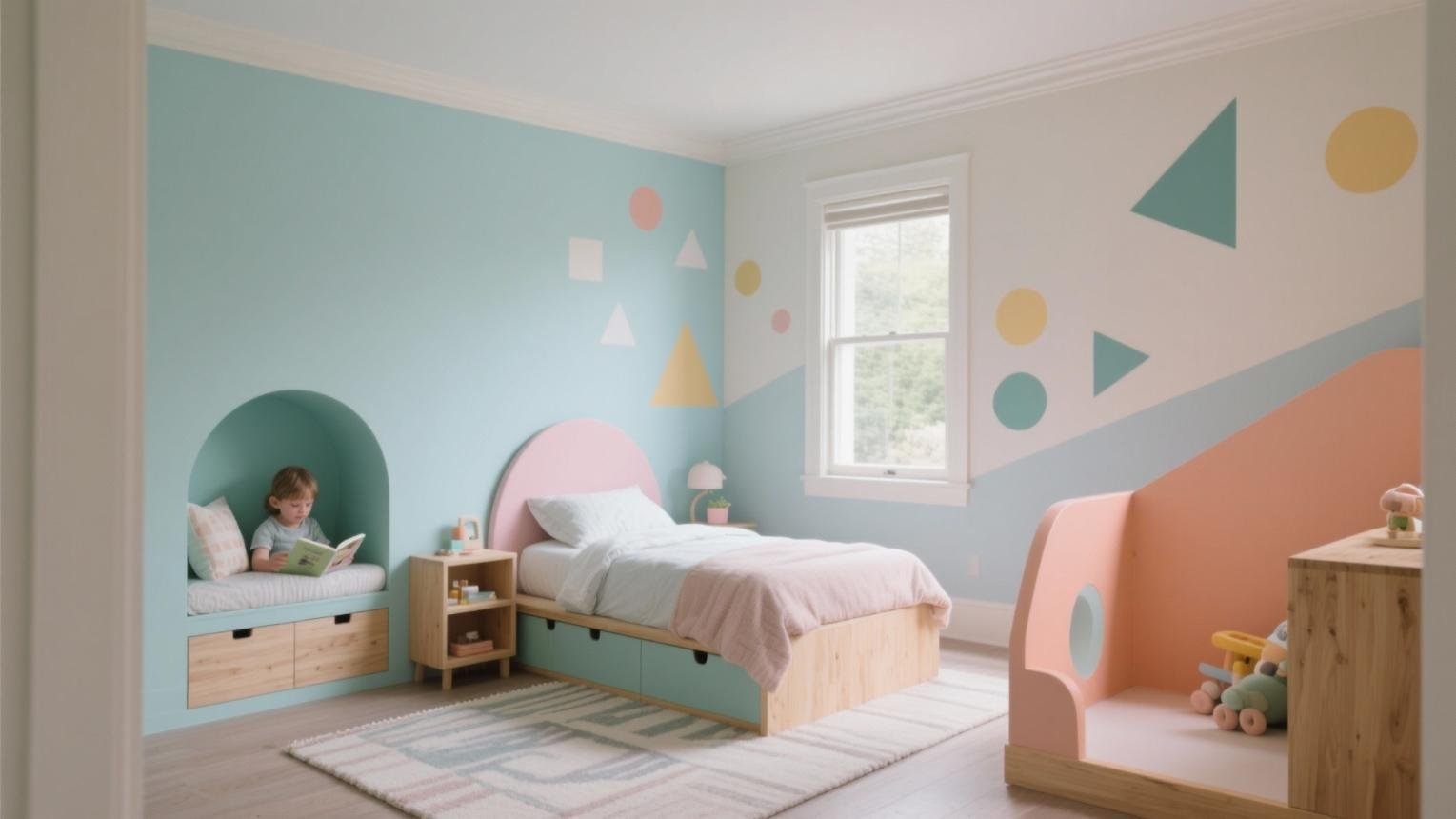
An accent wall can make a kids’ bedroom feel designed and distinctive without requiring you to decorate every surface. It gives the eye a focal point, helps establish the room’s theme, and can introduce color or pattern without overwhelming a small space. The wall behind the bed is a popular choice, although a wall beside a reading nook or play area can work just as well. The goal is to create one memorable feature that complements the rest of the room.
Paint is often the most affordable way to create an accent wall. Try broad color blocks, simple arches, stripes, or geometric shapes for a modern look. A rainbow-inspired design can add a playful touch, while a mountain silhouette may suit a nature-themed room. If you’re not confident with detailed painting, basic shapes made with painter’s tape can still look polished. Choose colors that relate to the bedding, rug, or curtains so the design feels connected rather than random.
Wallpaper offers another way to introduce personality. Tiny stars, botanical prints, animals, clouds, and abstract patterns can make a room feel imaginative. However, large or highly detailed prints can become visually busy when combined with colorful toys and patterned bedding. If you love bold wallpaper, consider keeping the surrounding walls and larger textiles relatively simple.
Wall decals are useful when you want a design that can be changed later. They can introduce playful shapes, lettering, or themed illustrations without the commitment of a full wallpaper installation. Follow the product instructions carefully and check that the material is suitable for your wall finish. If you’re renting, removable products may offer more flexibility, although removability can vary by paint type and surface condition.
Wallpaper, Paint, or Wall Decals?
Each option has different benefits. Paint usually provides a clean, long-lasting finish and can be refreshed affordably. Wallpaper creates detailed patterns and a more decorative look, but installation and removal may take more effort. Decals are convenient for smaller designs and temporary updates, especially when your child’s interests change frequently.
| Option | Main advantage | Best for |
|---|---|---|
| Paint | Flexible colors and custom designs | Long-lasting accent walls |
| Wallpaper | Detailed patterns and visual impact | A distinctive feature wall |
| Wall decals | Easy decorative updates | Changing themes and smaller designs |
Before choosing, think about how long you want the design to last. A toddler may adore a room full of friendly animals today but prefer space-themed decor a few years later. A neutral accent wall with changeable decals or framed prints allows you to update the room without starting from scratch. Keep the design appropriate to the child’s age, and avoid placing decorative materials where they could become accessible to very young children if they peel away.
3. Make Storage Part of the Design
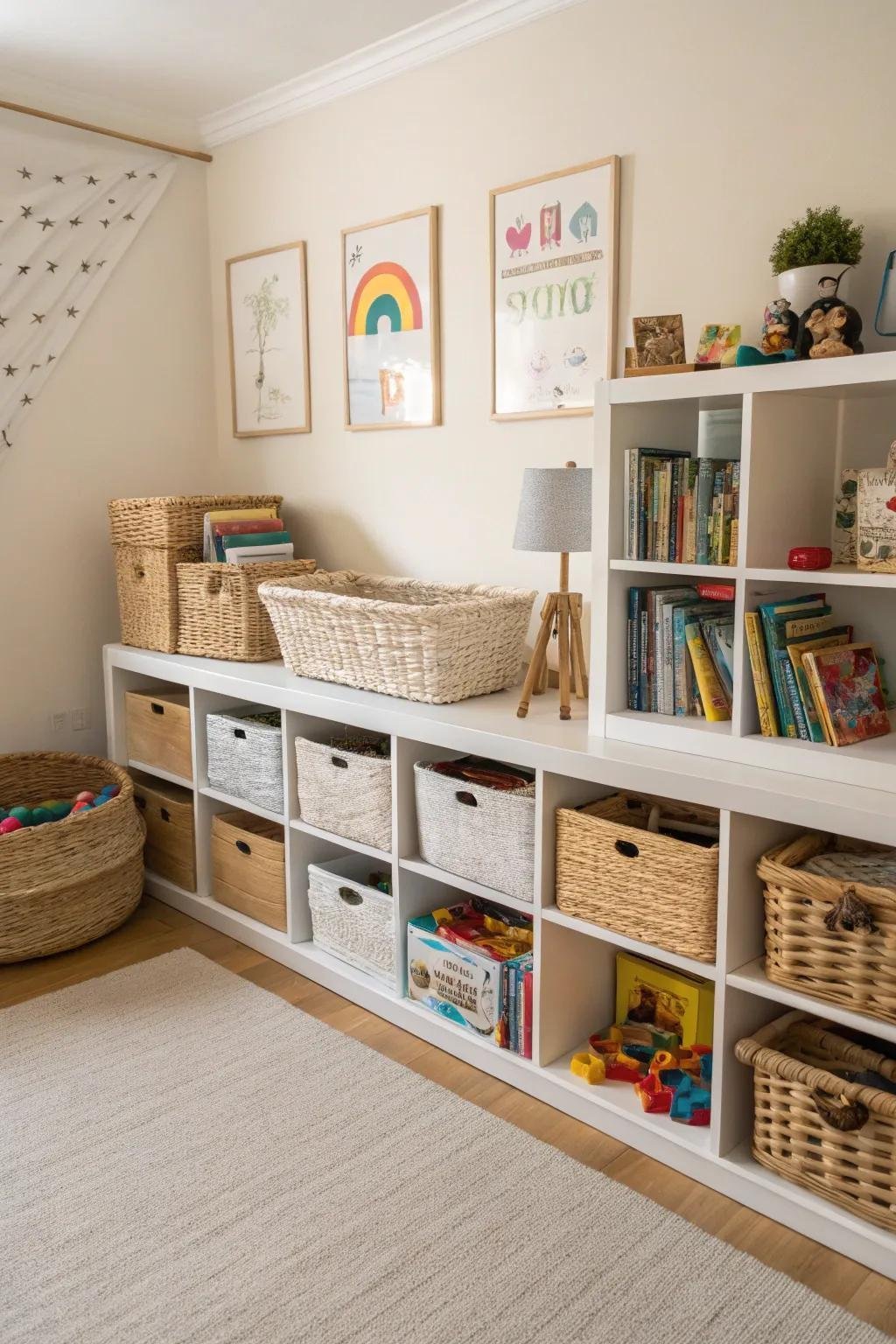
Storage is one of the most important elements of a functional kids’ bedroom. Even a beautifully decorated room can feel chaotic when toys, clothing, school supplies, and books don’t have designated places. Instead of treating storage as something you add after decorating, build it into the room’s design from the beginning. The best systems are attractive, easy to reach, and simple enough for your child to use independently.
Start by dividing belongings into broad categories. Toys, books, art supplies, clothing, and keepsakes don’t all need the same kind of storage. Open shelves make favorite books and frequently used toys visible, while baskets and bins help contain smaller objects. Drawers are useful for clothing and items you don’t want on display. A combination of open and closed storage generally offers a practical balance between accessibility and a tidy appearance.
Low shelves can encourage younger children to put toys away themselves, provided the furniture is stable and secured appropriately. Choose bins that are easy to handle and not so deep that toys disappear at the bottom. For small items such as building blocks or craft supplies, smaller containers can prevent everything from becoming mixed together. Simple picture labels may help children who are still learning to read understand where things belong.
Vertical space is valuable, particularly in small bedrooms. Tall shelving can store books and decorative items, while wall-mounted shelves may provide additional room for lightweight objects when installed securely and placed appropriately. Keep heavy items low, and avoid putting heavy objects above the bed or another place where someone sleeps or sits. Storage should reduce clutter without introducing hazards.
Under-bed drawers or containers can make use of space that might otherwise go unused. They’re ideal for spare bedding, seasonal clothing, or toys that don’t need to be available every day. If you choose containers with lids, make sure children can use them safely and easily. The goal is not to hide every possession; it’s to give everything a sensible home.
Finally, avoid filling every shelf just because space is available. Leave some breathing room so your child can add new books, artwork, or treasured finds. A storage system that is easy to maintain will usually serve your family better than an elaborate arrangement that looks perfect but takes too much effort to keep organized.
Products to consider: Shop toy storage bins and baskets on Amazon, browse children’s bookcases on Amazon, or find under-bed storage organizers on Amazon.
4. Choose Furniture That Grows With Your Child
Children grow quickly, and their needs change just as quickly. A bedroom designed entirely around one stage of childhood may need a major overhaul sooner than you’d like. Choosing adaptable furniture can help you create a room that works for a toddler, a primary-school child, and eventually a teenager without replacing every major piece. It is one of the most practical ways to make your decorating budget go further.
Start with the larger furniture items, such as the bed, wardrobe, and dresser. Simple designs in wood, white, or neutral finishes are easy to update with new bedding and accessories. A sturdy dresser can work for many years, while a desk with an adjustable chair can accommodate changing study needs. If you’re buying a bed for a young child, consider the appropriate size, the room’s dimensions, and the manufacturer’s safety guidance rather than choosing based on appearance alone.
Multifunctional furniture can also make a room more efficient. A bed with built-in drawers provides storage without requiring a separate cabinet. A desk with shelves keeps school supplies organized, while a storage bench can provide seating and a place for blankets or toys. In a compact room, these combined functions can free up space for play and movement.
Flexibility matters in decorative choices, too. Rather than purchasing a themed bed shaped like a car or castle, consider a simple bed frame and use themed bedding, cushions, or wall art to create the desired look. These smaller pieces are usually easier and less expensive to replace when your child’s interests change. The same approach works with sports, animals, space, princesses, and other popular themes.
Safety and quality should remain priorities. Check furniture stability, weight limits, hardware, and the manufacturer’s instructions. Tall dressers, wardrobes, and bookcases should be anchored to suitable wall structures according to the manufacturer’s guidance to reduce tip-over risk. Avoid choosing a piece simply because it has extra storage if its drawers are difficult for your child to use.
A flexible bedroom doesn’t need to look grown-up or boring. You can keep the room colorful and playful through artwork, bedding, rugs, and accessories while allowing the main furniture to remain useful for longer. Invest in versatile essentials and use smaller decorative items to reflect your child’s changing interests.
5. Design a Cozy Reading Nook

A reading nook creates a dedicated place for quiet time, picture books, homework breaks, and imaginative adventures. It doesn’t have to occupy an entire corner or include expensive built-in furniture. A comfortable chair, a few accessible books, and good lighting may be all you need to establish a welcoming reading area. What matters is that the space feels comfortable and separate enough from the main play zone to encourage a calmer activity.
If you have a window with enough space nearby, consider a small cushioned seat or a low chair beside it. Natural light can make daytime reading pleasant, but you’ll still want an appropriate lamp for evenings. In a compact bedroom, a floor cushion and a short bookshelf may be enough. Choose washable or easy-to-clean fabrics where possible, since reading areas often double as places for snacks, crafts, and play.
Book storage should suit your child’s age and habits. Front-facing shelves allow younger children to recognize book covers and select stories independently. Older children may prefer conventional shelves where books can be arranged by series, author, or subject. Keep frequently used books within easy reach and store less-used items elsewhere so the reading area doesn’t become overcrowded.
Soft textures can make the nook more inviting. Add a cushion, a comfortable throw, or a small rug to distinguish the area from the rest of the bedroom. If you want a themed touch, choose a playful cushion rather than filling the corner with bulky accessories. Leave enough room for your child to get in and out comfortably, and make sure any hanging fabric or furnishings are suitable for the child’s age and installed safely.
Lighting deserves special attention. Position the light so that it illuminates the book without shining directly into the child’s eyes. A stable lamp or properly installed light fixture is preferable to an unstable item that can easily be pulled down. Avoid cords across the floor or near the seat.
A reading nook can become one of the most loved areas in the room because it supports a daily habit rather than simply adding decoration. Keep it accessible, comfortable, and easy to tidy. When books are visible and the seat is inviting, children have more opportunities to enjoy a quiet moment in their own space.
6. Use Smart Lighting for Every Activity
Lighting affects how a child’s bedroom looks, but it also determines how comfortably the space supports different activities. A room may need bright, even illumination for getting dressed and cleaning up, focused light for homework, and softer lighting before bedtime. One ceiling fixture rarely provides the best conditions for all three. Layering different light sources helps create a bedroom that is practical throughout the day.
Begin with general lighting. A suitable ceiling fixture can illuminate the room as a whole, making it easier to move around and find belongings. Then consider task lighting, such as a desk lamp for drawing or schoolwork and a reading light beside the bed. Accent lighting can add atmosphere, but it should supplement rather than replace the light needed for everyday activities.
Color temperature influences the mood of the room. Warm white bulbs, commonly around 2700K to 3000K, create a soft, cozy appearance that often works well for relaxing spaces. A neutral white bulb may be useful at a homework desk if your child prefers a clearer, less golden appearance. Brightness and color temperature are different measurements, so check the bulb’s lumens as well as its Kelvin rating.
Night-lights can be helpful for children who feel uncomfortable in complete darkness or need to navigate the room at night. Choose a product designed for its intended use, position it so it doesn’t create glare, and keep cords away from walking routes. A dimmable light may offer more flexibility than a fixed bright source, especially as bedtime approaches.
Consider how the light interacts with wall colors and furnishings. A warm bulb can make cream and beige tones feel richer, while cooler lighting may change the appearance of paint and textiles. Test the lighting in the actual room before purchasing several bulbs. If you use a desk lamp, position it to reduce shadows on the work surface and reflections on screens.
Avoid decorative lights that produce excessive glare, heat, or distracting brightness. Follow the manufacturer’s age recommendations and installation instructions, especially for products with cords, small components, or batteries. A well-planned lighting scheme should make the room easier to use while maintaining a comfortable atmosphere for rest.
For more inspiration, explore living room lighting ideas for principles you can adapt to a child’s reading corner, bedside area, or relaxing space.
Products to consider: Browse adjustable kids’ desk lamps on Amazon or shop plug-in night-lights for children’s bedrooms on Amazon.
7. Display Books, Toys, and Favorite Collections

Children often feel more connected to a bedroom when they can see the things they love. Favorite books, building creations, stuffed animals, sports memorabilia, and small collections can all contribute to a room’s personality. The challenge is to display these items in a way that feels intentional rather than cluttered. A few thoughtfully arranged favorites can make a stronger visual impression than filling every available surface.
Begin by selecting a small number of items to display at once. A short picture ledge, a bookshelf, or a designated shelf can showcase favorite books and decorative objects. Rotate toys or collections periodically so that the room feels fresh without requiring new purchases. This also gives your child an opportunity to choose which items matter most to them.
Open shelving is particularly useful for books and toys that are used regularly. Arrange books by size or color if that makes them easier to find, but don’t prioritize a perfectly coordinated display over accessibility. If your child reaches for the same books every evening, place them where they can be retrieved and returned easily. The room should support real habits rather than forcing everything to remain untouched.
For collections of small objects, use suitable containers or display cases that keep items organized. Avoid placing fragile or heavy objects where they could fall onto a bed or play area. Secure shelves according to their installation instructions, and keep choking hazards away from younger children. A display can look attractive while still being practical and age-appropriate.
Artwork and photographs can also tell a story about your child’s interests. Use a few coordinated frames or a simple gallery arrangement rather than covering every wall. If your child enjoys making art, reserve space for their latest creations and replace older pieces as new ones arrive. This keeps the display meaningful and gives them a sense of ownership.
The best displays can change over time. A shelf that holds stuffed animals today might later feature books, trophies, models, or favorite keepsakes. When you treat display space as flexible rather than permanent, it becomes easier to maintain a tidy room while allowing your child’s personality to shine through.
8. Add a Creative Art and Homework Station
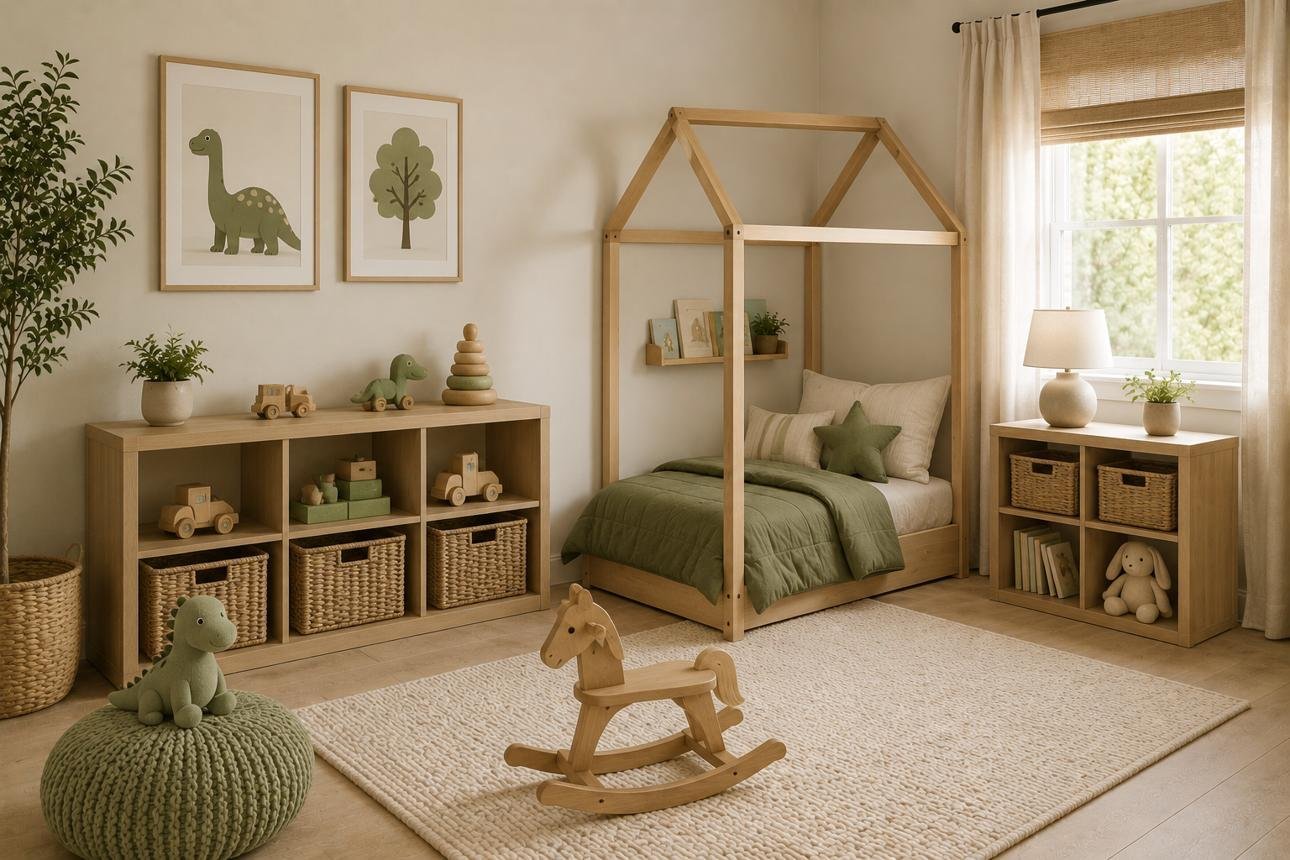
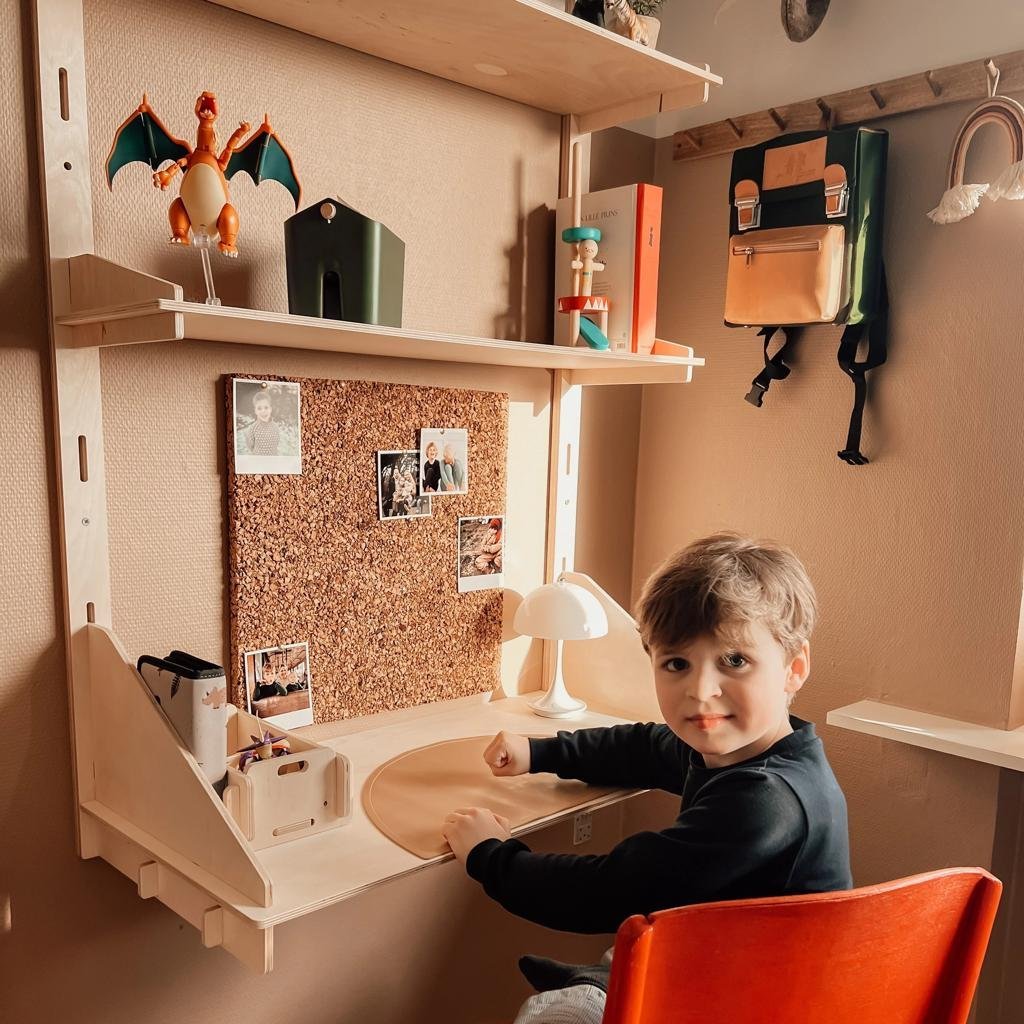
A dedicated creative or homework station gives children a place to draw, write, build, and complete school assignments without spreading supplies across the entire bedroom. Even a small desk can make a difference when it is positioned well and organized for the child’s needs. The trick is to create a work area that supports concentration while still feeling connected to the rest of the room.
Choose a desk that fits the available space and suits the child’s size. A suitable chair should allow comfortable sitting, with the work surface at a practical height. If the child is still growing, an adjustable chair or adaptable desk may be useful. Leave enough space to pull the chair out and move around without blocking a doorway or the route to the bed.
Storage should be close to the activities it supports. Use a small organizer for pencils, crayons, scissors, and other age-appropriate supplies. A drawer or labeled container can hold paper, notebooks, and craft materials. If your child frequently changes between drawing and homework, keep everyday supplies accessible and store occasional-use items separately. A clear surface makes it easier to begin a task without spending time moving clutter.
Lighting is essential at the desk. Place a suitable lamp so that it illuminates the work surface without producing distracting reflections or shadows. Consider how daylight enters through the window and whether the child is right- or left-handed when positioning the light. For computer work, arrange the screen and lamp to reduce glare and encourage a comfortable posture.
Personal touches can make the area more inviting. A pinboard, framed print, calendar, or small display of completed artwork can help the space feel like the child’s own. Keep decorations limited enough that they don’t distract from the task. A simple weekly planner can be useful for school-age children who are learning to manage assignments and routines.
If the bedroom is small, the station doesn’t need to be elaborate. A narrow desk, a wall shelf installed securely, and a compact organizer may be sufficient. The goal is to create a defined place for creative work so that the bed remains primarily a place for rest and the rest of the room stays easier to organize.
9. Make the Bed a Stylish Focal Point
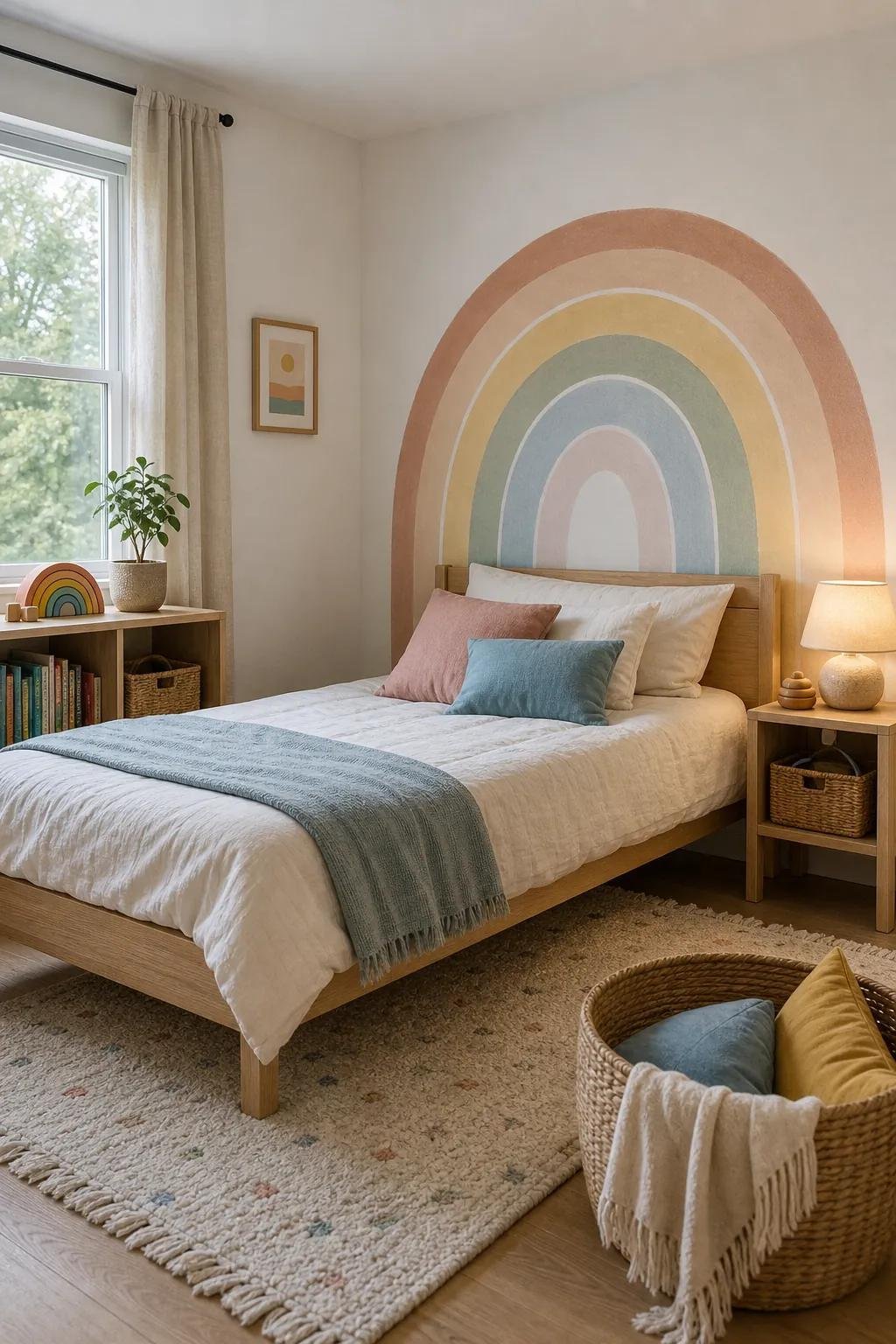
The bed is usually the largest piece of furniture in a child’s bedroom, so it naturally becomes a visual focal point. Rather than decorating every wall and surface, you can create a polished look by giving the bed a little attention. Bedding, pillows, a headboard, and the wall behind the bed can establish the room’s color scheme and theme without requiring a complete redesign.
Start with comfortable bedding that suits the season and is easy to wash. A simple base color can be paired with a patterned duvet cover, a colorful blanket, or a few decorative cushions. If your child loves a particular character or theme, bedding is often a more flexible way to include it than permanent furniture or wall treatments. When tastes change, switching the bedding is generally easier than replacing a large themed bed frame.
A headboard can add definition and make the bed look more finished. Upholstered, wooden, or simple painted designs can all work depending on the room’s style. Make sure the bed and headboard are appropriate for the child’s age and installed according to the manufacturer’s directions. Avoid adding loose decorative elements that interfere with safe sleep arrangements for infants or very young children; follow current age-specific safe-sleep guidance rather than applying older children’s bedding ideas to a baby.
The wall behind the bed offers another opportunity for decoration. A painted arch, a few framed illustrations, or a restrained wallpaper pattern can draw attention to the sleeping area. Position artwork and shelves securely, and avoid placing heavy objects where they could fall onto the bed. If you want to create a canopy effect, check that the material and mounting method are suitable for the child’s age and do not introduce entanglement or strangulation risks.
Consider how the bed fits into the room’s overall layout. Leave clear paths around it where possible, and avoid allowing decorative accessories to take over the space needed for getting dressed or playing. In a small bedroom, simple bedding and a clean wall design can make the room feel calmer and more spacious.
A well-styled bed doesn’t need many layers or expensive accessories. A coordinated duvet cover, comfortable bedding appropriate to the child’s age, and one or two thoughtful decorative details may be enough to make the whole room feel more complete.
Products to consider: Shop children’s duvet covers and bedding sets on Amazon or browse decorative kids’ headboards on Amazon.
10. Maximize Space in a Small Kids’ Bedroom
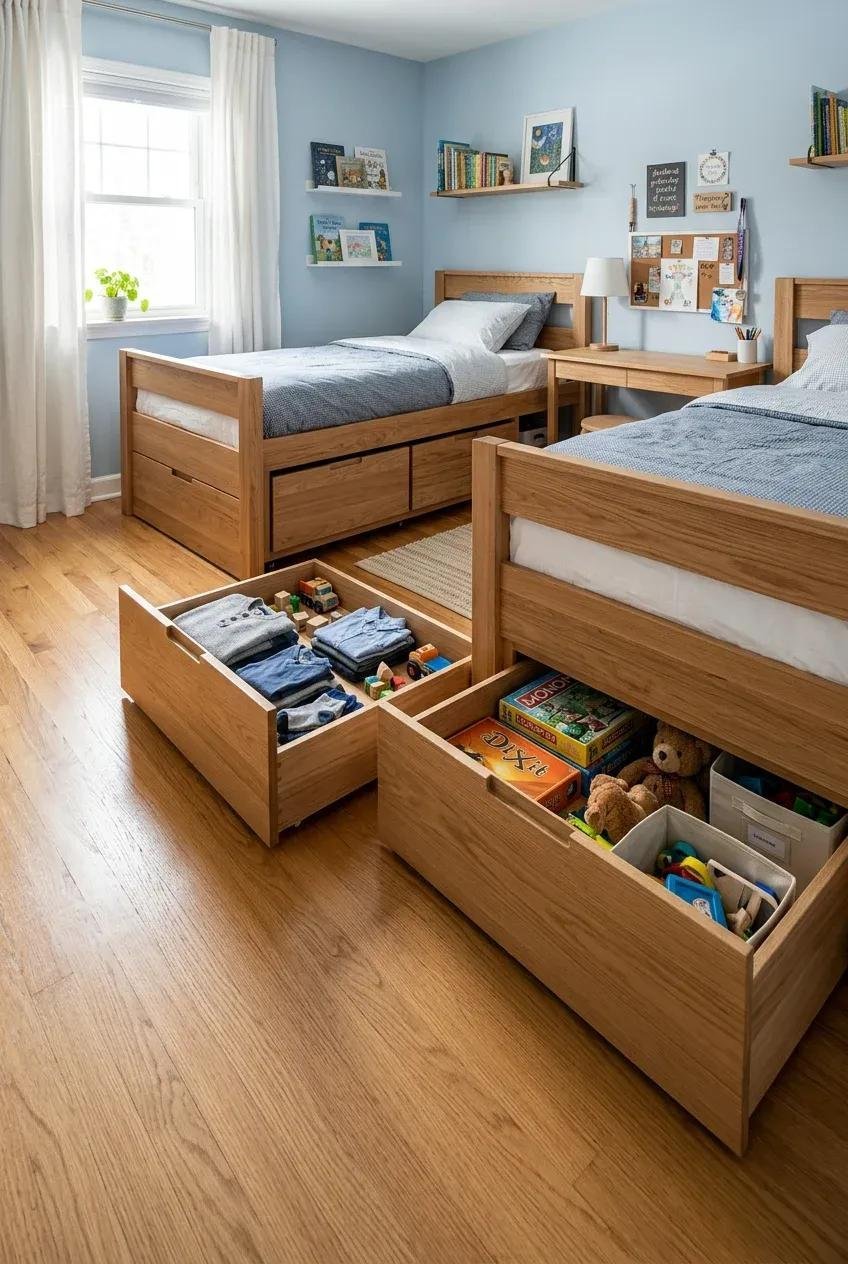
A small kids’ bedroom can still be stylish, comfortable, and full of personality. The key is to make every piece of furniture earn its place and preserve enough open floor area for movement and play. Instead of trying to squeeze in every decorating idea, focus on the features your child needs most and choose items that serve more than one purpose.
Start with the layout. Measure the room, including door swings, windows, wardrobes, and the route between the bed and the doorway. Place the largest furniture pieces first, then see how much room remains for a desk, shelves, or play area. Keeping pathways clear makes a small bedroom feel easier to use and prevents the furniture arrangement from becoming frustrating.
Look for opportunities to use vertical space. Wall shelves, securely installed hooks, and suitable wall organizers can keep lightweight belongings off the floor. A tall storage unit may provide more capacity than several small cabinets, although it must be secured properly and arranged with heavier items lower down. Don’t place heavy objects high above sleeping or seating areas.
Multifunctional furniture can make a major difference. A bed with drawers, a desk with integrated storage, or a bench that doubles as a toy container can reduce the number of separate pieces you need. Before buying, check that drawers can open fully and that the furniture doesn’t block other essential areas. A clever storage feature isn’t helpful if it is difficult to access in everyday use.
Color and visual simplicity can also help. Light wall colors and a consistent palette may make a small room feel more open, while a few bold accents add personality without overwhelming the space. Mirrors can reflect light when positioned safely, but use suitable mounting and avoid placing fragile items where children can knock them over. Curtains should fit the window without interfering with furniture or creating cord hazards.
Most importantly, leave some empty space. Children need room to play, build, stretch, and move around. A bedroom packed with furniture may offer plenty of storage but little opportunity for the activities that make it enjoyable. A carefully chosen bed, accessible storage, a small work surface, and flexible floor space can often accomplish more than a room filled with decorative furniture.
| Space-saving solution | Why it helps | Best use |
|---|---|---|
| Under-bed drawers | Uses otherwise unused space | Clothes, spare bedding, toys |
| Vertical shelving | Keeps items off the floor | Books and lightweight belongings |
| Compact desk | Creates a dedicated work area | Homework and crafts |
| Storage bench | Combines seating and storage | Blankets and selected toys |
| Wall-mounted organizers | Keeps small items accessible | Art supplies and accessories |
Products to consider: Browse space-saving kids’ bedroom furniture on Amazon or shop under-bed storage boxes on Amazon.
11. Decorate With Rugs, Curtains, and Soft Textures
Soft furnishings are an easy way to make a child’s bedroom feel comfortable and visually complete. Rugs, curtains, bedding, cushions, and blankets introduce color and texture without requiring permanent changes to walls or furniture. They’re also relatively easy to update as the child’s preferences change, which makes them useful for families trying to keep decorating costs under control.
A rug can help define a play area, reading nook, or the space beside the bed. Choose a size that suits the furniture layout rather than selecting one based only on its pattern. A rug that’s too small may look disconnected, while one that’s too large can interfere with doors or drawers. Use appropriate non-slip backing or another suitable method to reduce slipping and curling, and select materials that are practical to clean.
Curtains can soften the appearance of a room, help manage daylight, and introduce another layer of color. Neutral curtains can work with a variety of bedding styles, while patterned curtains can become a decorative feature in a simpler room. Measure the window carefully and choose an installation that suits the wall and window structure. For children’s rooms, cordless window coverings are generally preferable to designs with accessible cords or loops because of strangulation risks. Follow relevant safety guidance for window coverings and keep beds and furniture positioned with those hazards in mind.
Texture adds depth even when the color palette is simple. Think about knitted blankets, cotton bedding, woven baskets, and soft fabric shades. Mixing a few different textures can make a neutral bedroom feel warm and interesting without requiring lots of bright colors. Choose washable materials where possible, especially for items used in play areas.
Comfort should always take priority over decorative excess. Too many cushions and throws can clutter the bed and create more items to manage during cleanup. Use age-appropriate bedding and follow safe-sleep guidance for babies, whose sleep environment has different requirements from that of older children. Keep rugs away from doorways where they could catch underfoot, and clean soft furnishings regularly to reduce dust buildup.
The best soft furnishings support the way your child uses the room. A washable rug for play, practical curtains for privacy, and comfortable bedding can improve everyday life while making the room look more thoughtfully designed.
Products to consider: Shop washable kids’ bedroom rugs on Amazon, browse cordless blackout curtains on Amazon, or find non-slip rug pads on Amazon.
12. Personalize the Room With Art and Accessories
A child’s room should reflect the person who lives in it. Artwork, photographs, handmade crafts, favorite colors, and small collections can turn an ordinary bedroom into a space that feels personal. The trick is to give your child room to express themselves while maintaining enough visual structure that the bedroom doesn’t feel overcrowded.
Start with wall art that can be changed easily. Framed illustrations, animal prints, colorful abstract shapes, or nature-inspired artwork can add personality without committing the entire room to a single theme. A coordinated set of frames can create a polished gallery wall, while one larger print can become a focal point above a dresser or reading corner. Make sure frames and hanging hardware are securely installed and appropriate for the wall.
Your child’s own artwork can be even more meaningful than store-bought decor. Create a designated display area where drawings and crafts can be rotated regularly. This allows children to feel proud of their work without filling every wall permanently. A simple rail, board, or set of suitable display clips can make updates easier, provided the installation is safe and the materials are age-appropriate.
Accessories can introduce personality through color and shape. A playful lamp, a patterned storage basket, a decorative clock, or a favorite cushion may be all you need to reinforce a theme. Try repeating two or three colors across different items so that the room feels connected. For example, blue in the bedding can be echoed in a picture frame and storage bin without making every item identical.
Let your child participate in choosing these details. Younger children may enjoy selecting a few favorite pictures, while older children may want to create a mood board or arrange their own collections. Set a simple boundary, such as choosing items that fit a particular shelf or color palette, to make the process manageable. Giving children meaningful choices helps them feel ownership of their room.
Remember that personalization doesn’t require buying new objects. A treasured book, a handmade craft, a family photograph, or a souvenir from a special trip may bring more meaning than a collection of matching accessories. Keep the display flexible and edit it occasionally so that the room can change along with your child’s interests.
For more wall styling inspiration, explore oversized wall art ideas and adapt the scale and subject to suit your child’s bedroom.
13. Create a Shared Bedroom That Feels Fair
When siblings share a bedroom, the challenge is to make the room feel like a comfortable home for both children. They may have different tastes, routines, ages, or needs for privacy, so the design should balance shared space with individual identity. A thoughtful layout can reduce everyday friction while still making the room feel cohesive.
Start by identifying the activities the children need to do in the room. Both may need a place to sleep and store clothing, while one may need a desk or reading area. If floor space is limited, consider furniture that makes efficient use of the room, but evaluate safety, accessibility, and the children’s ages before choosing bunk beds or elevated sleeping arrangements. Follow the manufacturer’s age and weight limits, guardrail instructions, and ladder guidance.
Give each child a defined personal area. Matching bedside shelves, individual storage bins, separate drawers, or a small display space can help each sibling keep track of belongings. The areas don’t need to be identical, but the arrangement should feel reasonably fair. One child might choose blue accessories while the other prefers green, with a shared wall color or coordinated bedding tying the room together.
Privacy can be especially important when children have different routines or ages. Separate reading lights, individual storage, and a clear division between sleeping spaces may help. If the room is large enough, a low bookcase or suitable furniture arrangement can create visual separation, but don’t block windows, doors, ventilation, or safe escape routes. Avoid creating hidden spaces that make supervision difficult for younger children.
Storage rules can prevent common disagreements. Give each child a place for personal items and designate a shared zone for toys or books that belong to both. Labels can help younger siblings understand where things go, while older children may prefer separate drawers or baskets. Regularly review the setup together so that it remains useful as their belongings change.
A shared bedroom doesn’t have to look perfectly symmetrical. It simply needs to give each child a sense of belonging and enough space to use the room comfortably. When both children can recognize their own preferences in the design, the room is more likely to feel like a shared home rather than one child’s space that the other happens to occupy.
Products to consider: Browse kids’ bunk beds with safety rails on Amazon or shop individual storage bins for shared bedrooms on Amazon. Always check age guidance, dimensions, guardrails, and the manufacturer’s installation instructions before purchasing elevated beds.
14. Use Budget-Friendly DIY Decor Ideas
You don’t need an expensive renovation to create a stylish kids’ bedroom. Some of the most effective decorating changes are small, affordable, and easy to update. Paint, reorganized storage, handmade artwork, and refreshed textiles can transform the room without replacing the major furniture pieces. Start with the changes that will make the biggest difference to daily life, then add decorative touches as your budget allows.
Paint is often a cost-effective way to refresh a room. You might repaint one wall, create simple geometric shapes, or update an old piece of furniture if its material and condition are suitable for the chosen finish. Prepare the surface properly, use products intended for the application, and follow ventilation, drying, and curing instructions. Keep children away from wet paint and work areas until it is safe to return.
DIY artwork offers another inexpensive option. Frame a child’s drawings, create simple abstract designs, or use printable art that you have the right to reproduce. A group of coordinated frames can make inexpensive prints look intentional. If your child wants to participate, choose age-appropriate activities and supervise the use of scissors, craft tools, adhesives, and other materials.
Storage can often be improved without buying a complete system. Repurpose suitable baskets, reuse sturdy containers, or reorganize shelves so frequently used items are easier to reach. Labels made with words or pictures can make cleanup simpler. Before reusing a container, check that it is clean, sturdy, free of sharp edges, and suitable for the objects being stored.
Textiles provide a low-commitment way to change the room’s look. New pillow covers, a different duvet cover, or curtains in a complementary color can make familiar furniture feel fresh. If you sew, you might create simple fabric accessories, but avoid adding loose cords, small detachable decorations, or other features that are inappropriate for the child’s age.
A useful budget rule is to spend first on items that affect comfort, safety, and everyday function, such as a suitable bed, reliable storage, and appropriate lighting. Save decorative purchases for later, when you know what the room still needs. A few thoughtful improvements often have more impact than buying lots of small accessories that eventually become clutter.
15. Design a Room That Can Evolve Over Time
The most successful kids’ bedrooms aren’t frozen in one stage of childhood. They change as children grow, discover new interests, develop routines, and begin to express their preferences more clearly. Designing with flexibility in mind means you can refresh the room gradually instead of replacing everything each time a new hobby or favorite color appears.
Begin with a foundation that is easy to adapt. Simple furniture, versatile wall colors, practical storage, and durable finishes can support many different decorating styles. These elements don’t have to be bland; they simply provide a flexible base for more personal details. A neutral bed frame can work with dinosaur bedding one year and botanical prints the next, while a simple dresser remains useful regardless of the room’s theme.
Use accessories to reflect changing interests. Posters, framed prints, cushions, desk organizers, and small decorative objects are easier to swap than furniture or built-in storage. If your child loves a particular sport, animal, or fictional character, you can introduce the theme through a few carefully chosen items rather than designing every part of the room around it. This keeps the bedroom personal without making future changes expensive.
Storage needs will also change. Younger children may need open toy bins and accessible picture books, while older children may need more space for school materials, clothing, hobbies, and personal belongings. Review the room occasionally and remove items that are no longer used. This creates room for new interests and prevents storage from becoming a permanent collection of forgotten toys.
Include your child in updates as their ability to make decisions grows. A young child may choose between two bedding options, while a teenager may want more control over the colors, artwork, and furniture arrangement. Discuss practical boundaries such as budget, furniture safety, and the need for clear walking paths. Within those limits, personal choice can help the room feel more meaningful.
Finally, resist the pressure to make every corner perfect. A bedroom is a living space, not a showroom. Leave room for new books, handmade projects, changing interests, and everyday life. When the main elements are durable and adaptable, you can refresh the room with a few small changes rather than a complete makeover.
For more ideas on creating a cohesive home, explore modern interior design ideas and adapt the principles of balanced color, useful furniture, and thoughtful styling to a child’s space.
Products to consider: Browse interchangeable kids’ bedding sets on Amazon or shop modular storage organizers on Amazon.
How to Make Kids’ Room Decor Safe and Practical
Style matters, but a child’s bedroom also needs to be a safe environment for sleeping, playing, and growing. Safety should be part of the decorating process from the beginning, especially when choosing furniture, window coverings, lighting, and storage. A room can look beautiful and still be practical when you consider how each item will be used every day.
Start by checking furniture stability. Tall dressers, bookcases, wardrobes, and other heavy furniture should be anchored according to the manufacturer’s instructions using hardware suitable for the furniture and wall structure. Keep heavier items in lower drawers or on lower shelves where practical. Avoid placing heavy decorative objects above the bed, and make sure wall-mounted shelves are properly secured.
Pay close attention to window coverings. Accessible cords and loops can pose strangulation hazards, particularly for young children. Cordless window coverings are a safer option, and furniture should be arranged so that children cannot easily climb to reach window cords. Follow current safety guidance for window coverings and use products designed for the intended room.
Keep walkways clear and manage electrical cords carefully. Position lamps where they are unlikely to be knocked over, and avoid running cords across paths where children walk or play. Choose age-appropriate lighting products and follow instructions for bulbs, plugs, batteries, and installation. If you use night-lights or decorative lights, make sure they are suitable for the child’s age and intended use.
Safe sleep requirements deserve special attention for babies and very young children. Infant sleep spaces have different requirements from bedrooms designed for older children. Follow current pediatric safe-sleep recommendations and the product manufacturer’s instructions, particularly concerning pillows, loose bedding, soft objects, and crib accessories. Don’t apply decorative ideas intended for older children to an infant’s sleep environment without checking whether they are appropriate.
Finally, choose materials that can handle everyday use. Washable textiles, durable surfaces, and easy-to-clean storage can help keep the room comfortable without making maintenance difficult. Keep small parts, craft materials, and choking hazards out of reach of children who may put objects in their mouths. Review the room as your child grows, because a layout that works for a toddler may need changes when the child becomes more mobile and independent.
The best kids’ bedroom is not simply attractive. It supports sleep, play, learning, independence, and changing interests while making everyday routines easier for the whole family.
Conclusion
The best kids’ room decor ideas bring together personality, comfort, organization, and flexibility. A thoughtful color palette, playful accent wall, accessible storage, adaptable furniture, and cozy reading nook can transform an ordinary bedroom into a space that feels special without becoming difficult to maintain. Small details such as layered lighting, favorite artwork, comfortable textiles, and a dedicated creative station make the room more useful for the activities that matter to your child.
You don’t need to complete every project at once. Begin with the essentials: a practical layout, suitable furniture, safe lighting, and storage that your child can actually use. Then add decorative features that reflect their personality. If you’re working with a small room or a limited budget, prioritize multifunctional pieces and updates that can be changed easily as tastes evolve.
Above all, involve your child in the process. Their favorite colors, books, hobbies, and creative ideas can help make the bedroom feel like their own. With a little planning, you can create a room that’s stylish enough to love, functional enough for everyday life, and flexible enough to grow with them.
Frequently Asked Questions
1. How can I decorate a kids’ bedroom on a budget?
Start with the furniture you already own and improve the room with affordable changes such as fresh paint, coordinated bedding, DIY artwork, and better storage. Rearranging furniture can also make the room feel different without spending anything. Prioritize practical needs first, then add accessories gradually.
2. What colors are best for a kids’ bedroom?
There is no single best color. Soft green, warm white, beige, muted blue, and gentle pastel shades can create a relaxed backdrop, while brighter colors add energy through accessories and accent walls. Consider the room’s natural light and your child’s preferences before choosing a palette.
3. How do I make a small kids’ bedroom look bigger?
Use a practical furniture layout, keep walking paths clear, and make use of vertical storage where it can be installed safely. Multifunctional furniture, light wall colors, and a consistent palette can help the room feel more open. Leave some floor space available for play rather than filling every corner.
4. How can I make a kids’ room look stylish but stay organized?
Combine open storage for frequently used toys and books with baskets, bins, and drawers for smaller belongings. Keep everyday items easy to reach and use simple labels if they help your child tidy up. Regularly rotate toys and remove items that are no longer used.
5. How often should I update my child’s bedroom decor?
There is no fixed schedule. Make changes when your child’s needs, interests, or routines change. Keep major furniture pieces versatile and update smaller items such as bedding, artwork, and accessories when needed. This approach allows the room to evolve without requiring a full redesign.

Leave a Reply