

When someone stays at your home, the little things often matter more than the expensive ones. A guest bedroom does not need designer furniture, a huge budget, or a picture-perfect hotel aesthetic to feel welcoming. What it really needs is a thoughtful combination of comfort, convenience, warmth, and personality. Think about what you appreciate when you stay somewhere else: a comfortable bed, soft lighting, somewhere to put your suitcase, extra blankets within reach, and perhaps a small place to enjoy your morning coffee. Those simple details can completely change how a guest experiences the room.
The best guest bedroom ideas are often surprisingly easy to put together. You can transform a spare room with fresh bedding, layered lighting, a few decorative touches, and practical storage without replacing everything you already own. Even a small guest room can feel intentional when every item has a purpose. And if you are preparing for overnight visitors, creating a welcoming room is less about following a strict decorating style and more about imagining yourself as the guest.
Below are 15 guest bedroom ideas to make visitors feel at home, from cozy bedding and bedside essentials to clever storage, warm colors, artwork, and those little hospitality touches that make people say, “I wish I could stay longer.”
Guest Bedroom Ideas at a Glance
Before diving into each idea, here is a quick overview of the elements that can make a guest room feel more comfortable and inviting.
| Guest Bedroom Idea | Main Benefit | Easy Upgrade |
|---|---|---|
| Cozy layered bedding | Makes the bed feel luxurious | Add a quilt and throw |
| Hotel-style pillows | Improves sleeping comfort | Mix firm and soft pillows |
| Warm bedside lighting | Creates a relaxing atmosphere | Add matching lamps |
| Luggage station | Gives visitors a practical surface | Use a luggage rack or bench |
| Nightstand essentials | Makes the room convenient | Add water, tissues, and charging |
| Soft area rug | Adds warmth and texture | Place one beside or under the bed |
| Neutral color palette | Creates a calming atmosphere | Use warm whites and soft beige |
| Blackout curtains | Supports better sleep | Layer curtains with sheers |
| Guest-friendly storage | Keeps clutter under control | Empty drawers and closet space |
| Comfortable seating | Gives guests somewhere to relax | Add an accent chair |
| Wall art | Adds personality | Hang one large statement piece |
| Greenery | Makes the room feel fresh | Add a low-maintenance plant |
| Coffee or beverage station | Adds a hotel-inspired touch | Use a tray and small kettle |
| Full-length mirror | Useful for getting ready | Lean or mount a tall mirror |
| Personal welcome touches | Makes the stay memorable | Add a note or small treat |
1. Start With a Seriously Comfortable Bed
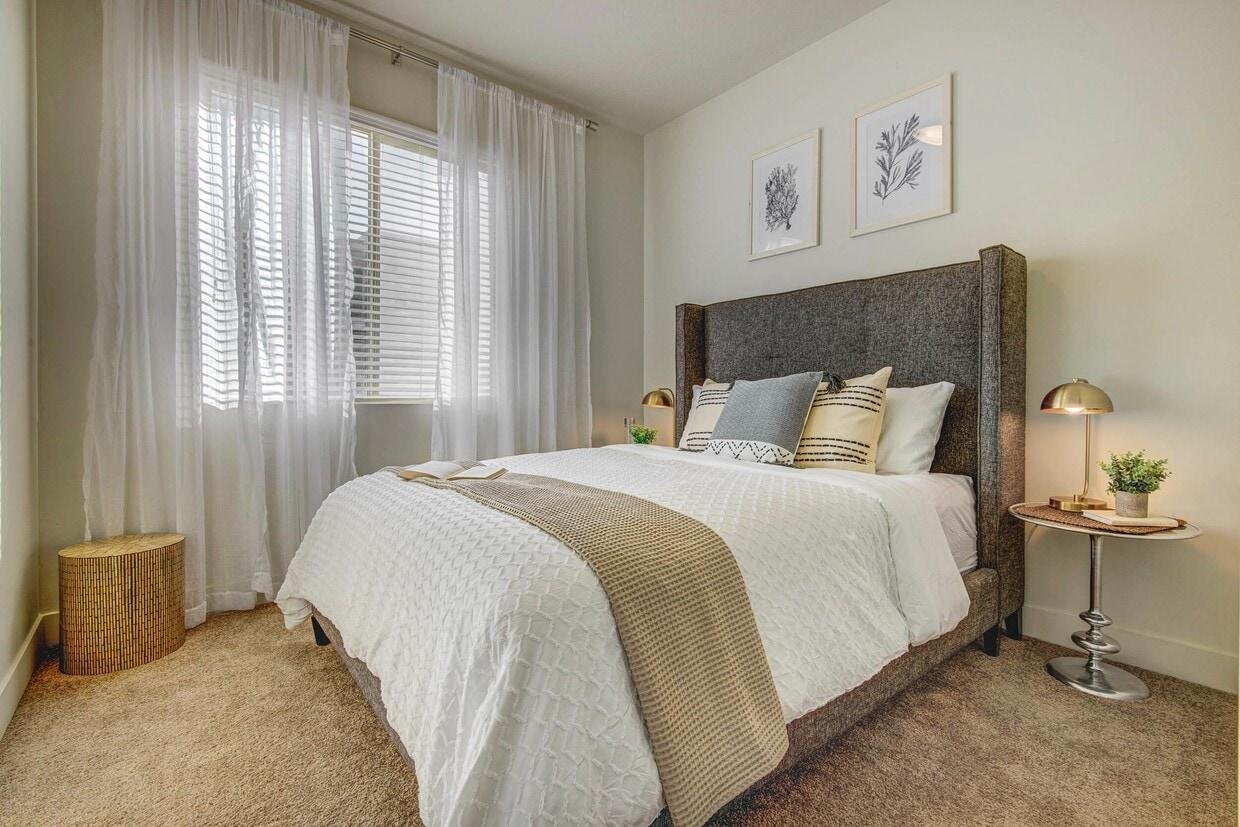
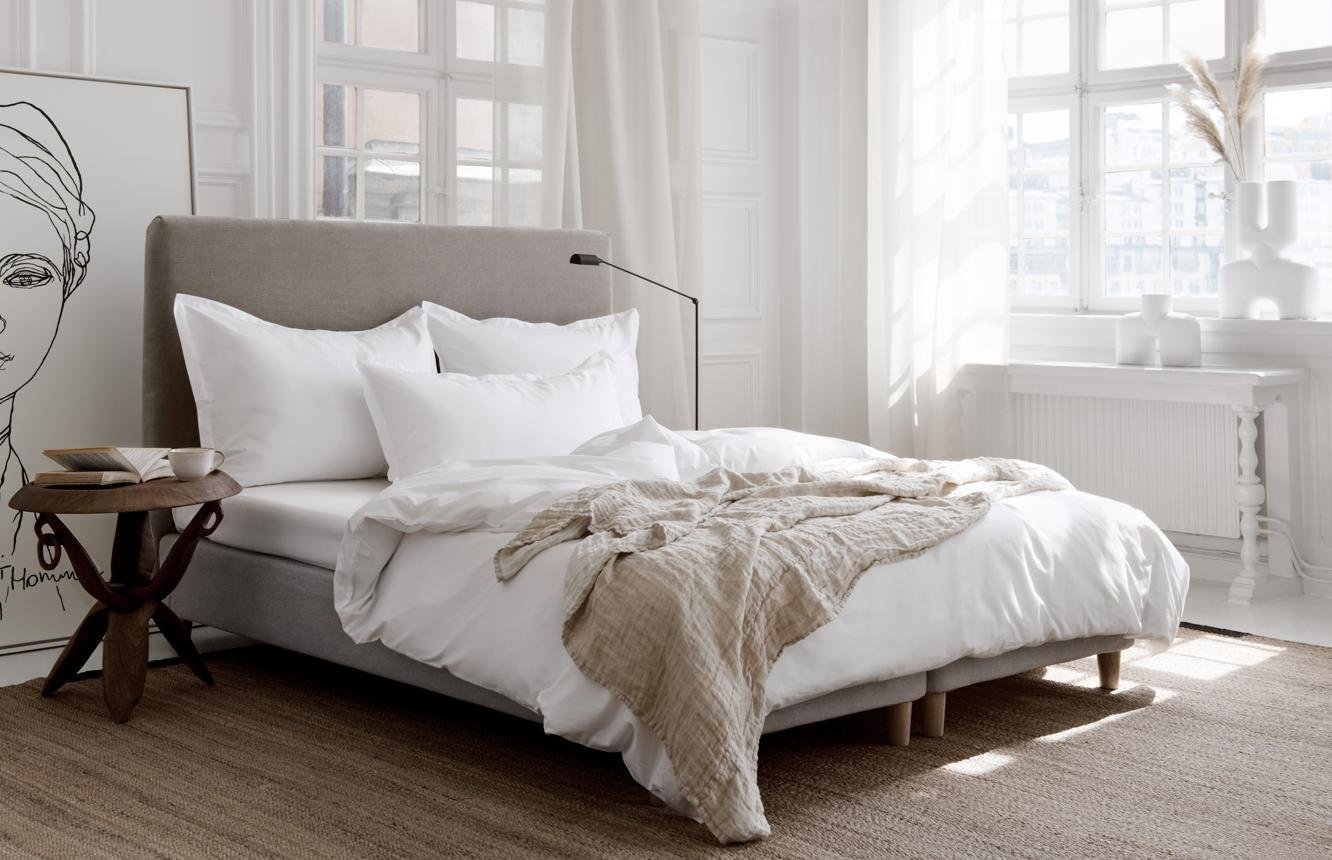
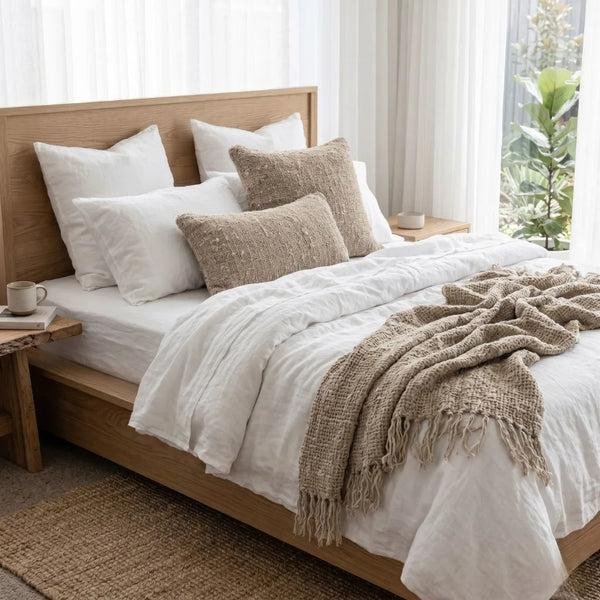
The bed is the star of any guest bedroom, so it deserves most of your attention. You can have beautiful artwork, stylish curtains, and gorgeous furniture, but if the mattress is uncomfortable, your visitors will remember that first. The goal is to create a bed that looks inviting from the doorway and feels even better once someone climbs underneath the covers. Start with clean, breathable sheets and build layers rather than relying on one thick comforter to do everything.
A simple formula works beautifully: fitted sheet, flat sheet, lightweight quilt or duvet, folded throw blanket, and several pillows in different sizes. This gives the bed that relaxed, layered appearance you often see in boutique hotels without making it feel overly formal. White or cream bedding is particularly useful because it feels fresh and timeless, while a colored quilt or textured blanket can introduce personality.
You do not necessarily need to purchase an expensive luxury bedding set. Instead, spend your budget where guests will physically feel the difference. A decent mattress topper, soft sheets, and a comfortable duvet can make an ordinary bed much more inviting.
For an easy bedding upgrade, browse guest bedroom bedding options on Amazon. Look for breathable fabrics, washable materials, and colors that coordinate with the rest of the room.
The trick is not to make the bed look untouched. You want it to look comfortable enough to sink into. A slightly rumpled throw at the foot of the bed can actually make the room feel more relaxed than perfectly rigid hotel-style styling.
2. Layer the Bed With Plenty of Pillows
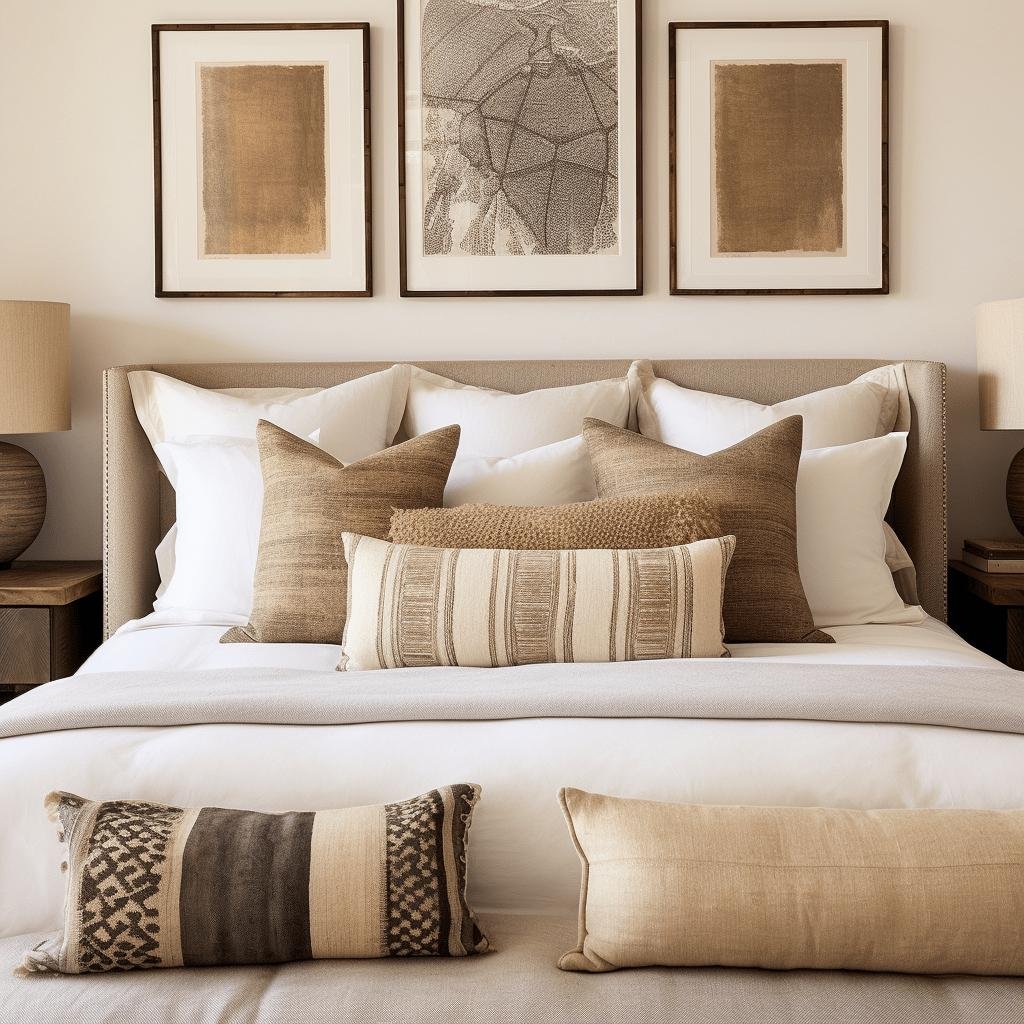
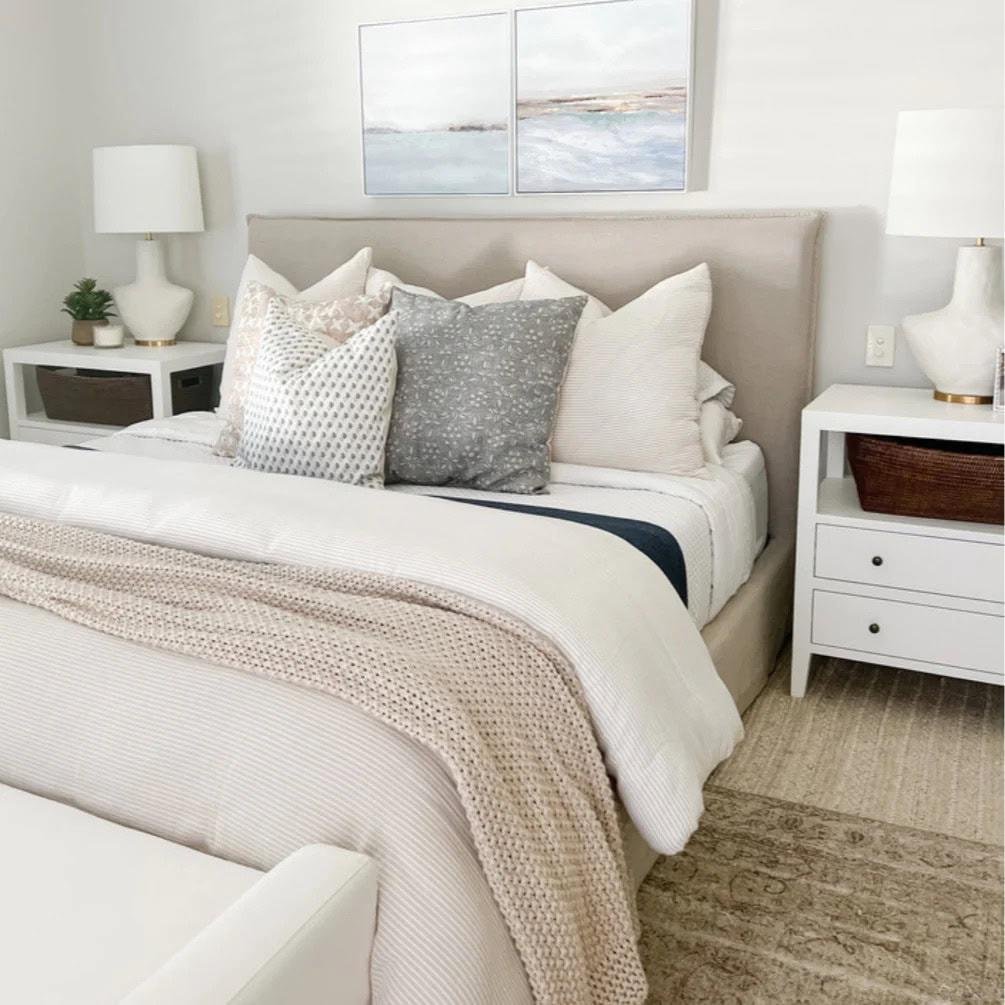
Have you ever walked into a bedroom and immediately wanted to dive onto the bed because it looked incredibly soft? Pillows are partly responsible for that feeling. They add volume, texture, and visual comfort, but they also give guests options depending on how they prefer to sleep.
Instead of placing four identical pillows on the bed, mix different sizes and firmness levels. Two supportive sleeping pillows can form the foundation, while decorative pillows or smaller lumbar cushions can sit in front. If your guests prefer a minimalist sleeping setup, they can simply move the decorative pieces aside.
Pillow choice is also an opportunity to make the room feel more personal without committing to a bold color scheme. A cream lumbar pillow, for example, can add texture to neutral bedding, while a muted green or terracotta cushion can introduce a subtle accent.
Keep extra pillows somewhere accessible rather than hiding them at the bottom of a closet. You might place one or two additional options inside a clean basket at the end of the bed or in the closet.
You can browse decorative and sleeping pillows on Amazon if you want an affordable way to refresh the room.
Most importantly, remember that decorative pillows should not take over the bed. Your guest should have somewhere to sleep, not a pillow puzzle to solve every night.
3. Use Warm Lighting Instead of Harsh Overhead Lights
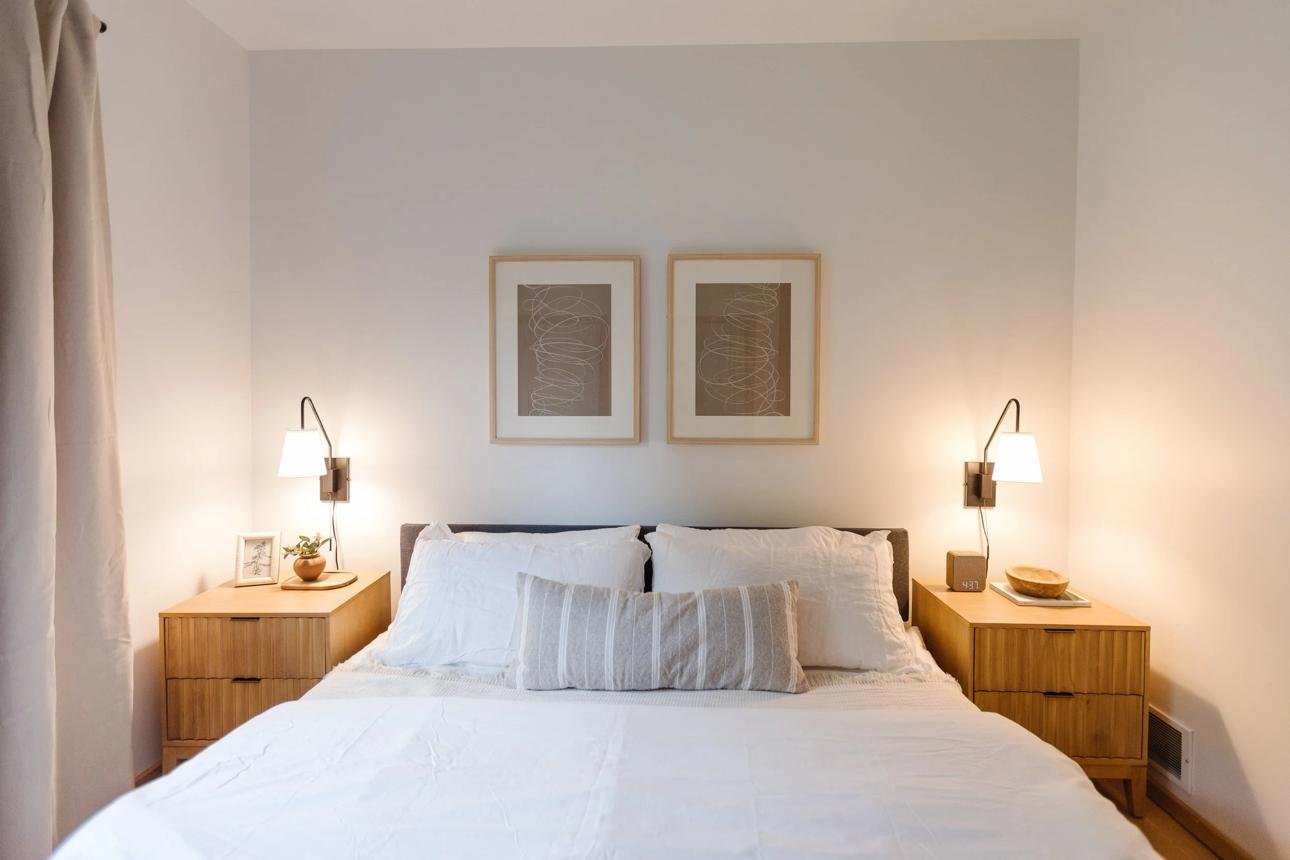
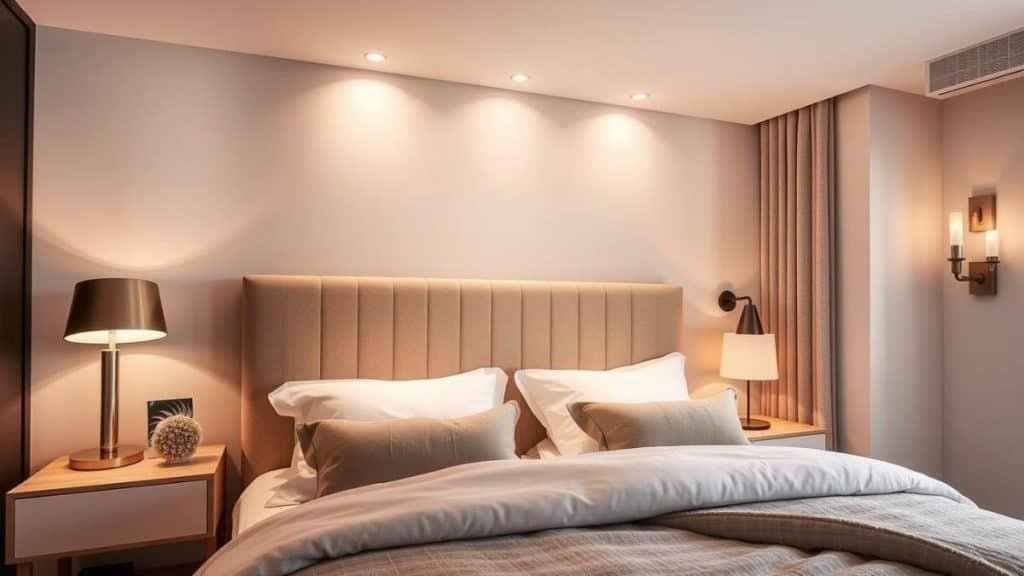
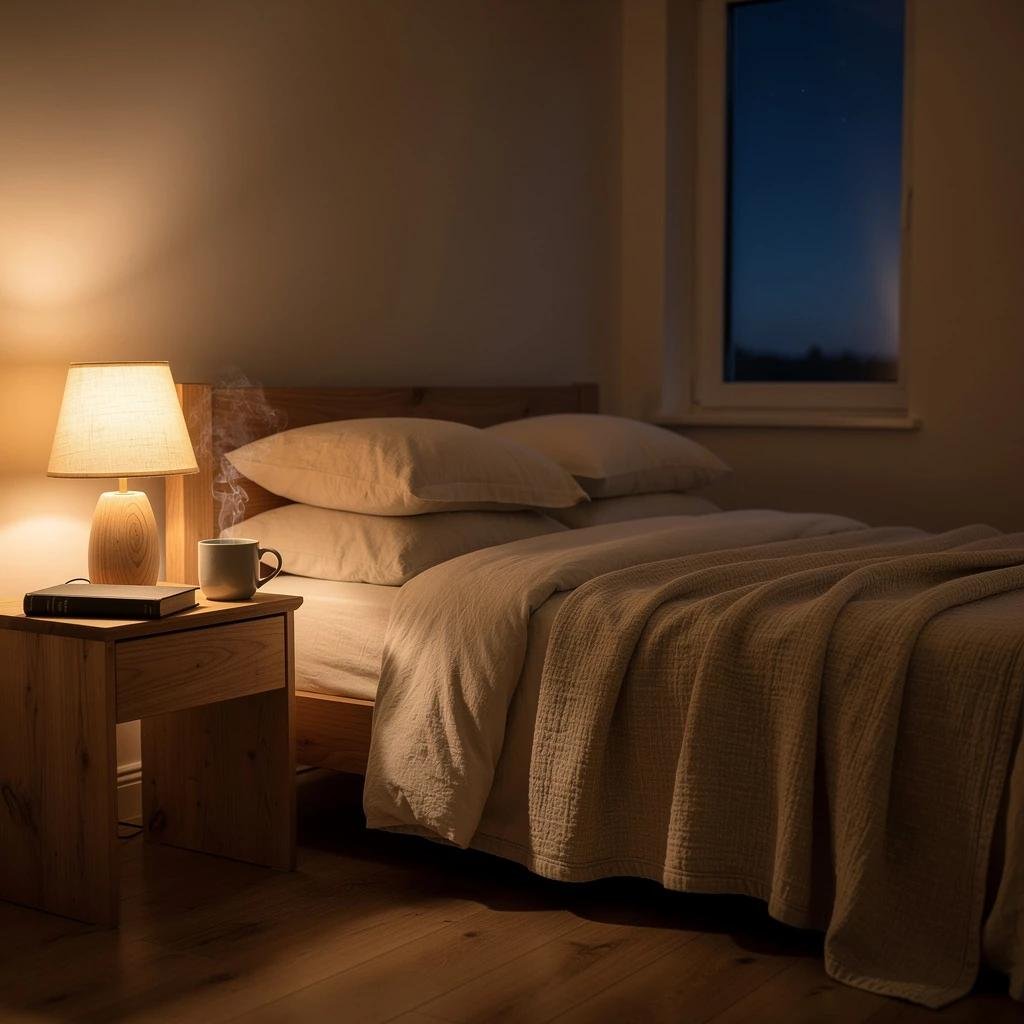
Lighting can completely change the mood of a guest bedroom. A bright ceiling fixture may be useful when cleaning or getting dressed, but it is rarely the most relaxing option at night. Instead, layer several sources of warm, gentle lighting throughout the room.
Bedside lamps are probably the most useful addition. They allow guests to read, check their phone, or get out of bed without walking across a dark room to find the main switch. Matching lamps create symmetry, but mismatched lamps can work too if they have a similar scale or visual weight.
You can also add a floor lamp beside a reading chair or a small decorative lamp on a dresser. If the room has artwork or architectural details worth highlighting, a small accent light can draw attention to them.
Choose warm-white bulbs rather than extremely cool bulbs if your goal is a cozy atmosphere. Warm light tends to make beige, cream, wood, and earthy colors look especially inviting.
For a budget-friendly refresh, explore warm bedroom lamps on Amazon.
The secret is flexibility. Your guest should be able to make the room bright when getting ready and soft when winding down. Think of lighting as the room’s dimmer switch for atmosphere.
4. Create a Dedicated Luggage Station
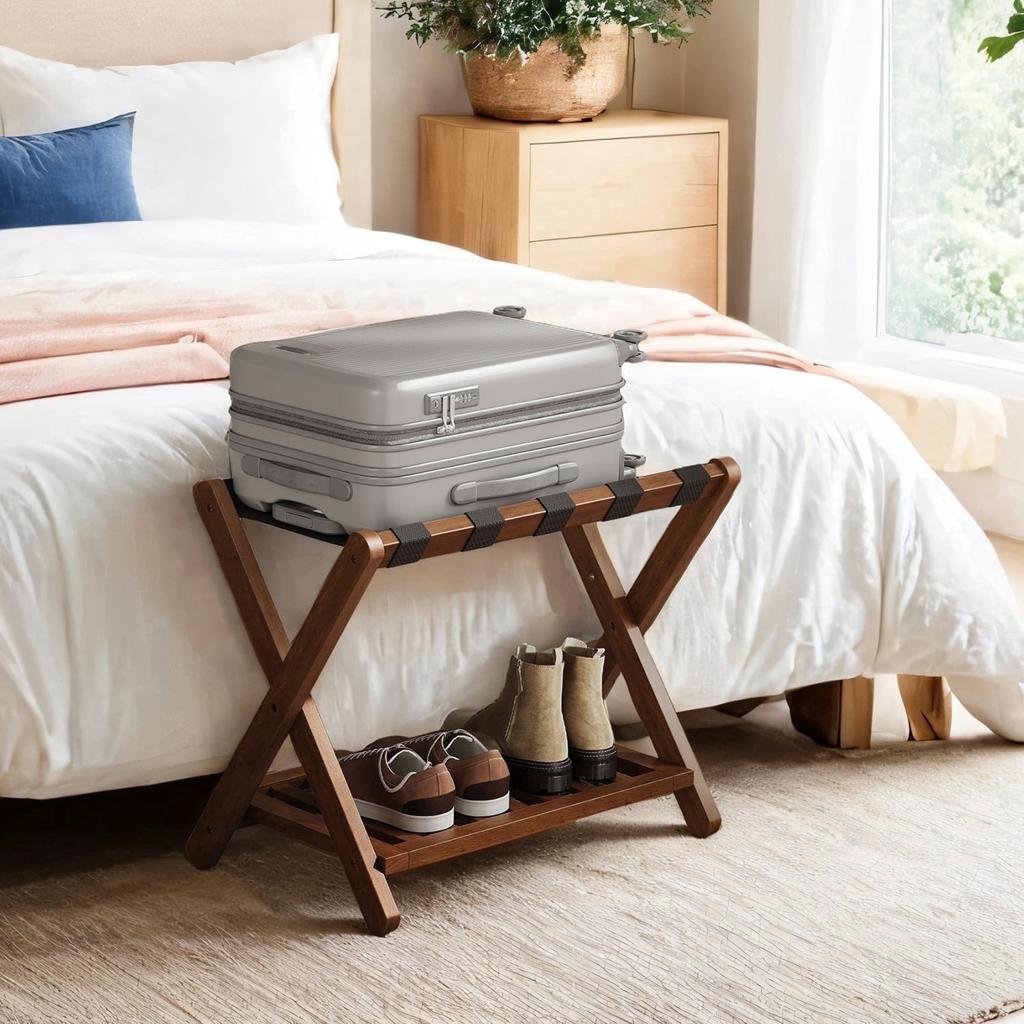
One surprisingly important detail in a guest room is where your visitor puts their suitcase. Without a designated spot, luggage often ends up on the bed, floor, or a random chair. That can make even a beautifully decorated bedroom feel cluttered within minutes.
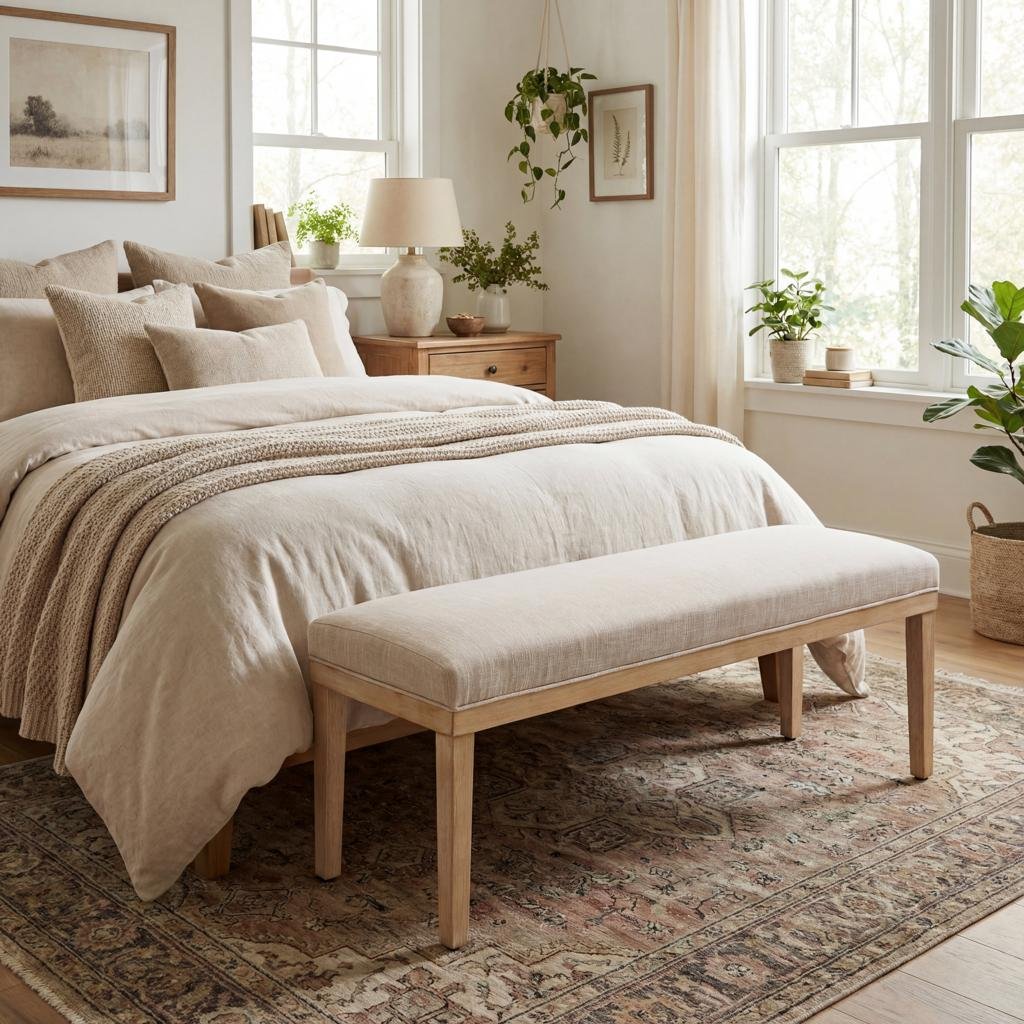
A simple luggage rack is an easy solution. Guests can open their suitcase without bending all the way to the floor, and they can pack again without spreading clothing across the bed. If you have enough room, a small bench at the end of the bed can perform the same function while adding another piece of furniture to the design.
A wooden bench can suit a traditional or Scandinavian-inspired room, while an upholstered bench works beautifully in softer, more elegant interiors. In a tiny bedroom, choose something lightweight that can be moved against the wall when it is not needed.
Browse guest room luggage racks and bedroom benches on Amazon for compact options.
This is one of those changes that does not necessarily make a huge visual statement, but it makes a noticeable practical difference. Your guests will appreciate having somewhere to place their luggage almost immediately.
5. Make the Nightstand Work Like a Mini Hotel
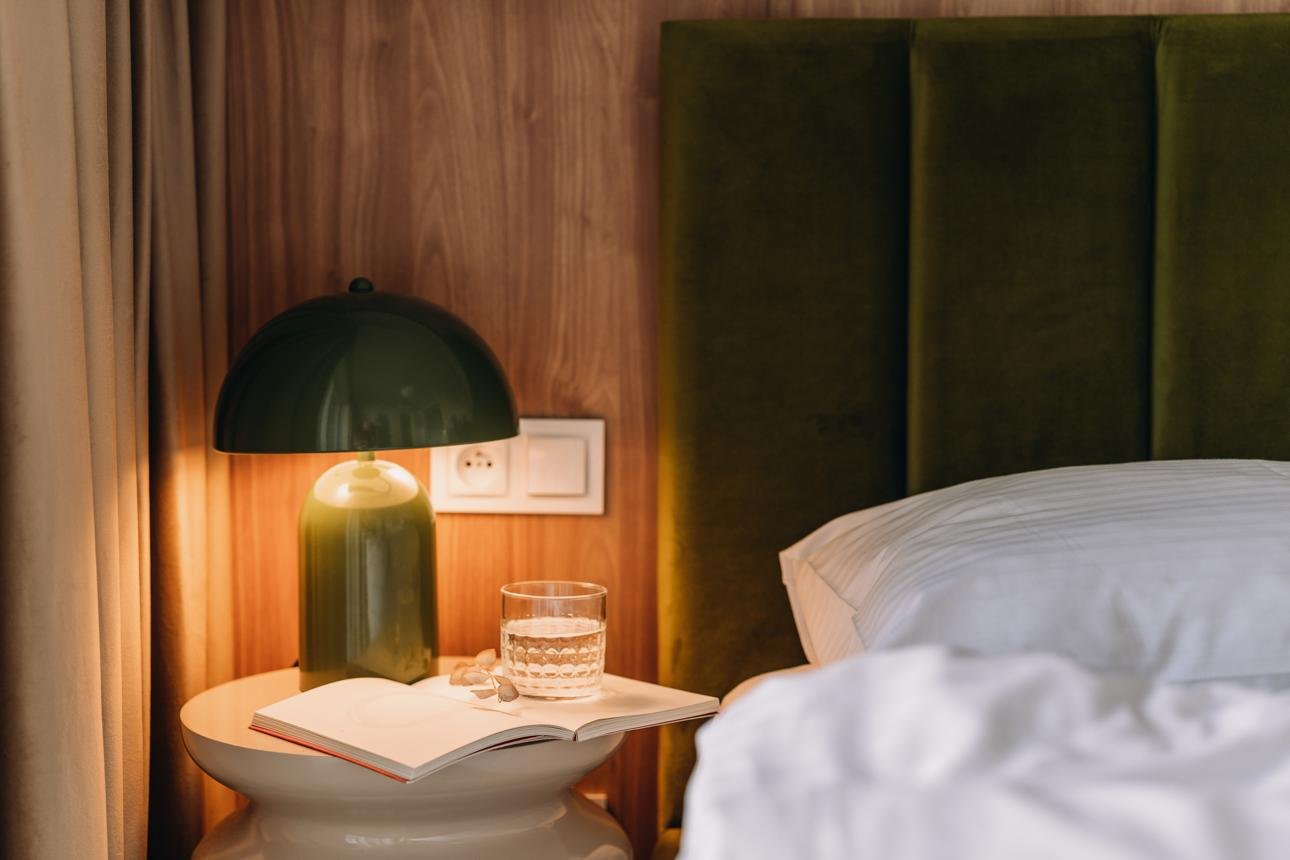
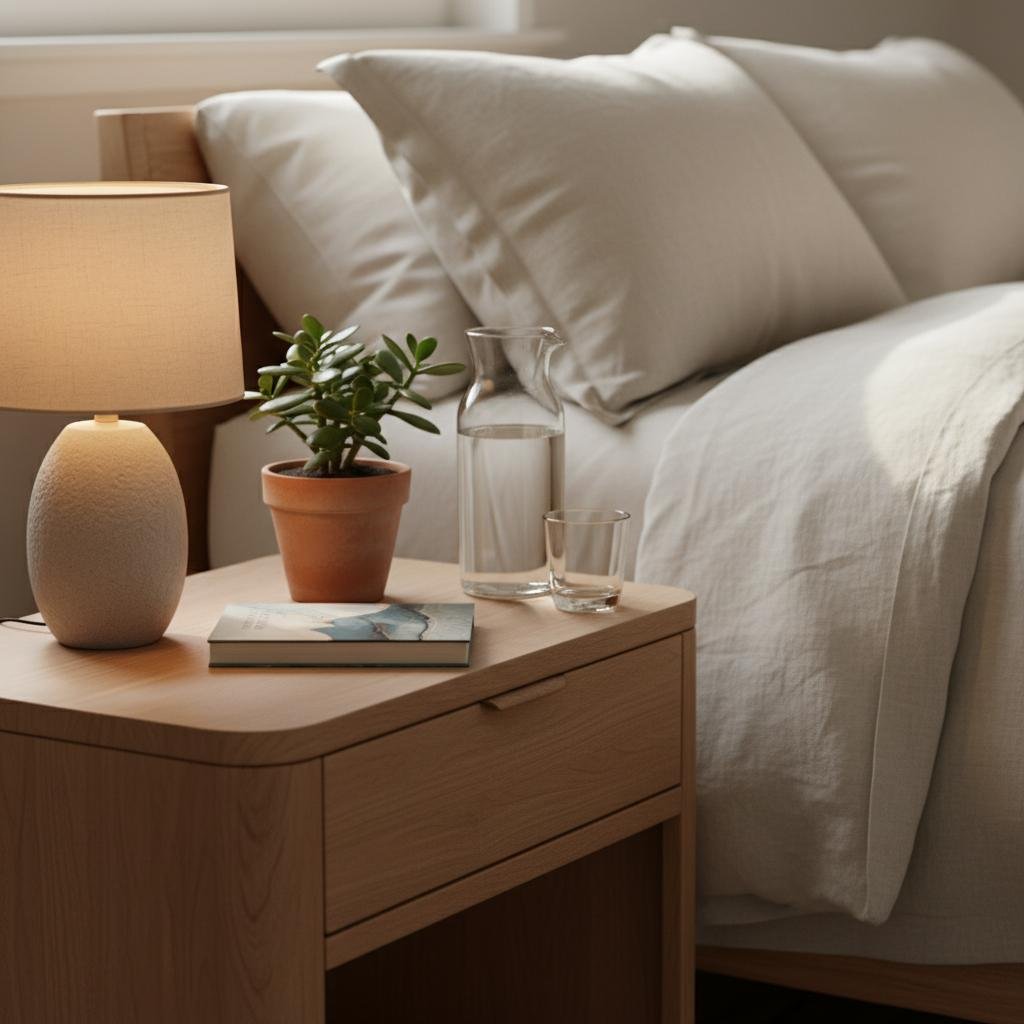
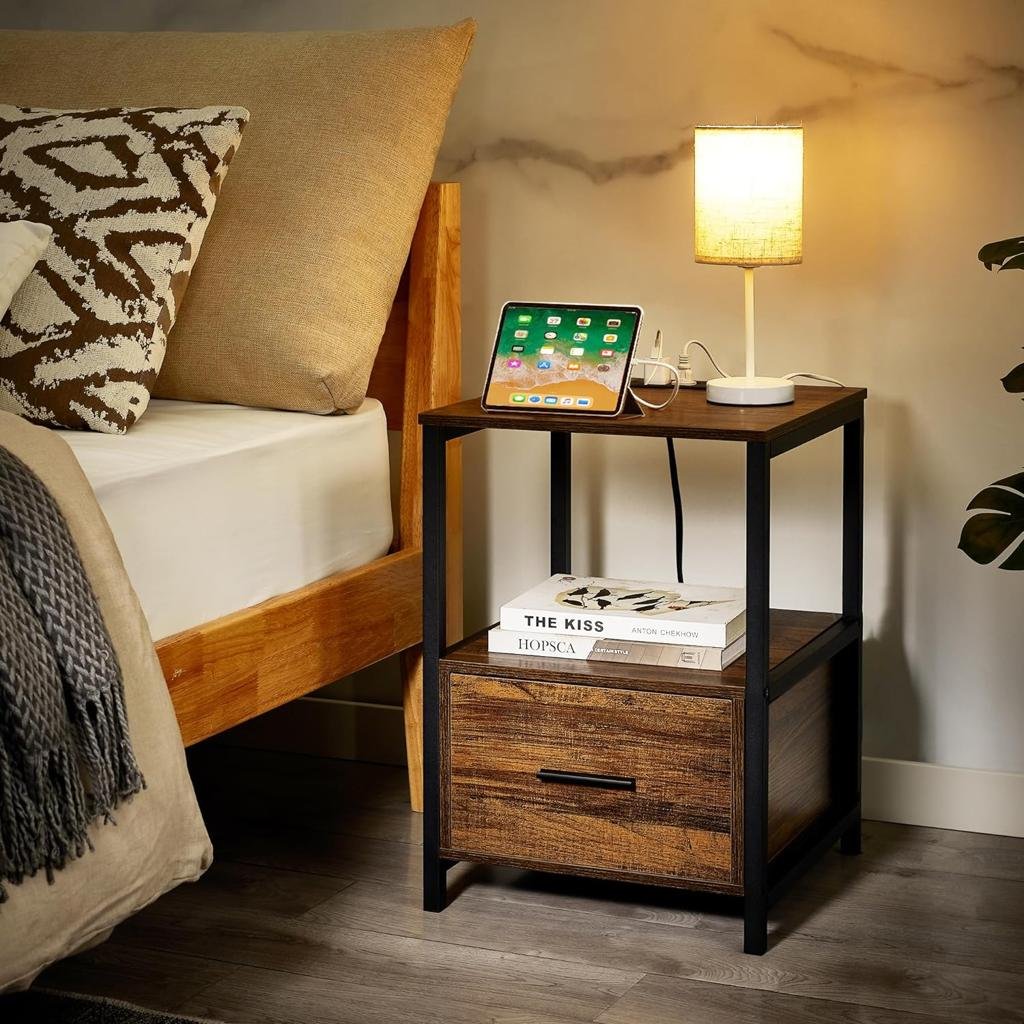
A bedside table should be more than a decorative surface. It can quietly answer several questions your guest might otherwise need to ask: Where do I charge my phone? Where can I put my glasses? Is there water? Where are the tissues?
Keep the essentials within easy reach. A small water bottle or carafe, a glass, tissues, a reading lamp, and a charging cable are excellent starting points. You can also place a small notepad and pen on the nightstand for a subtle hotel-inspired touch.
If you are particularly thoughtful, add a universal charging station with common cable types. That way, visitors do not need to hunt around your home looking for a compatible charger.
Avoid filling the nightstand with too many decorative objects. Guests need room for their phone, glasses, medication, book, or other personal belongings.
A small tray is useful because it visually organizes several items without making the surface feel chaotic. You can find bedside trays and guest room accessories on Amazon.
The best guest bedroom design often feels effortless because the practical details have already been considered.
6. Add a Soft Rug for Instant Warmth
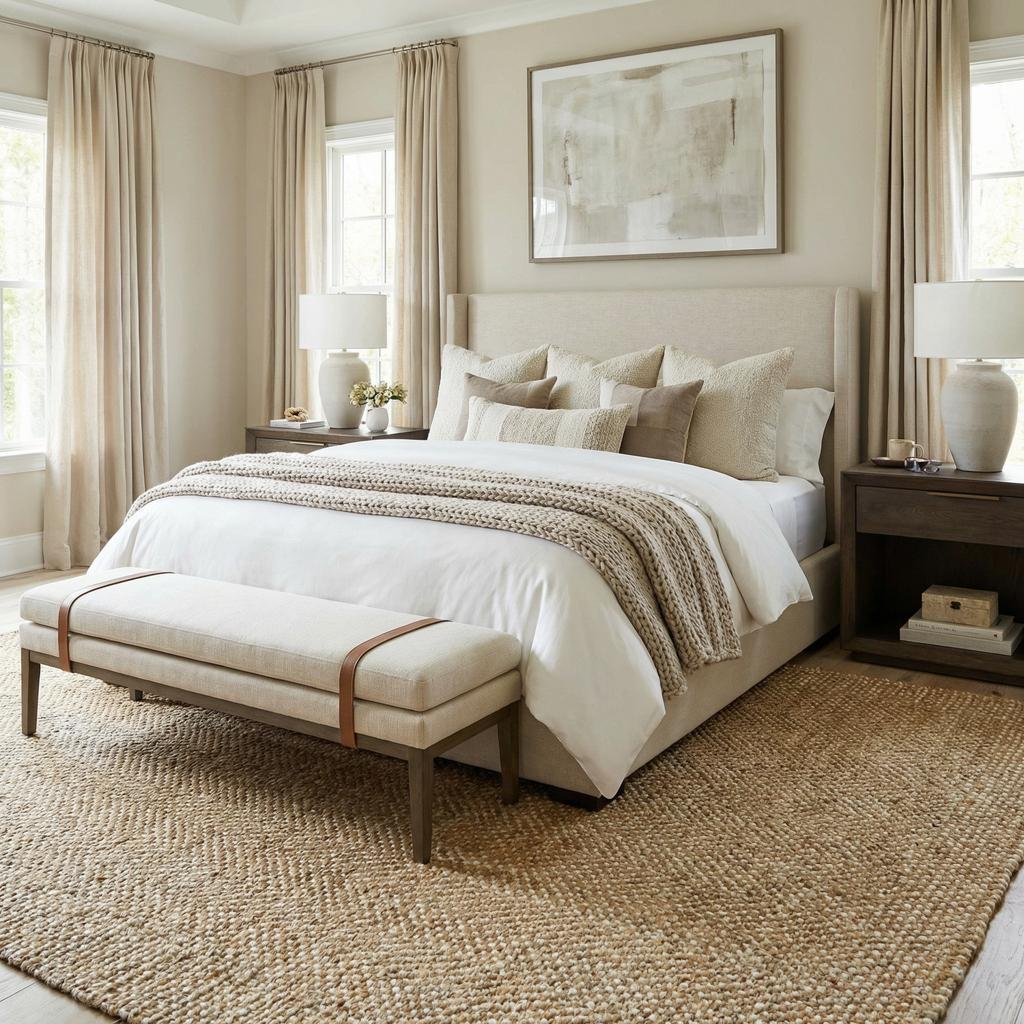
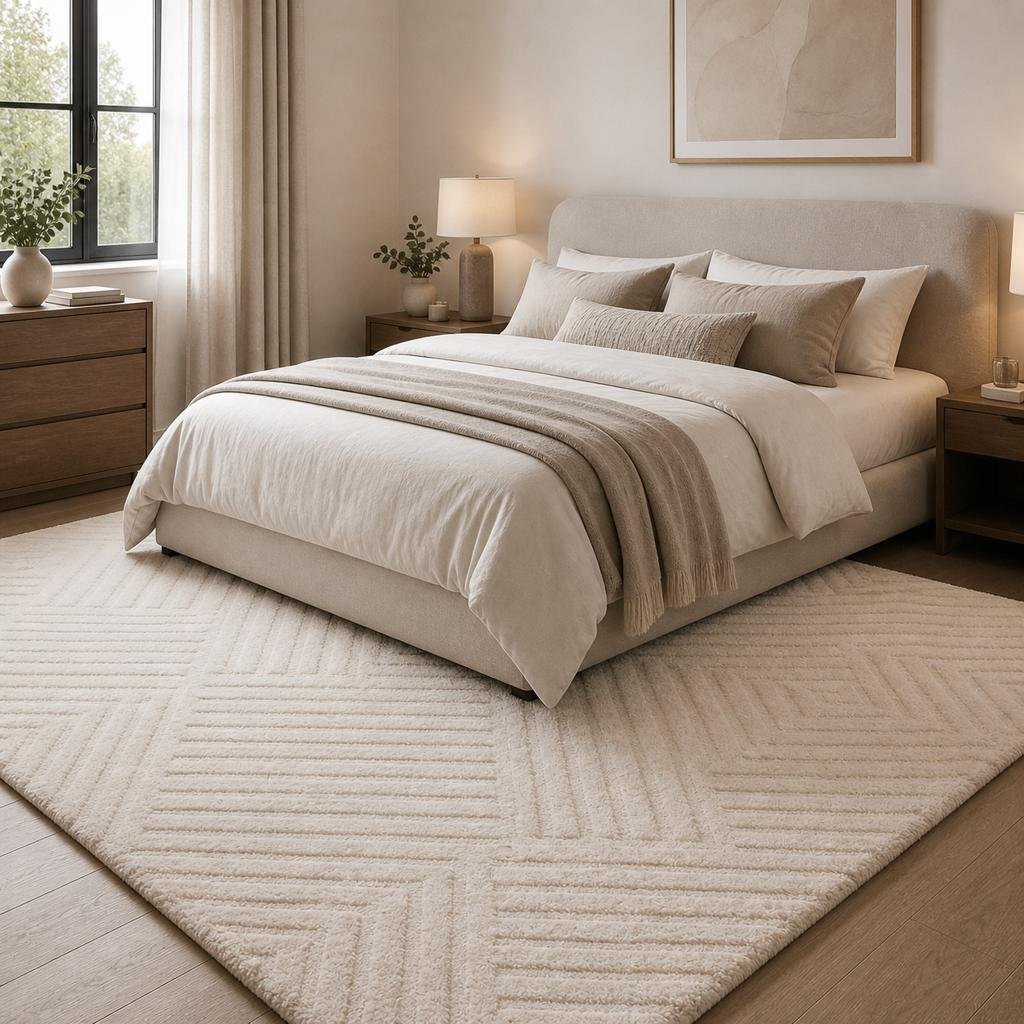
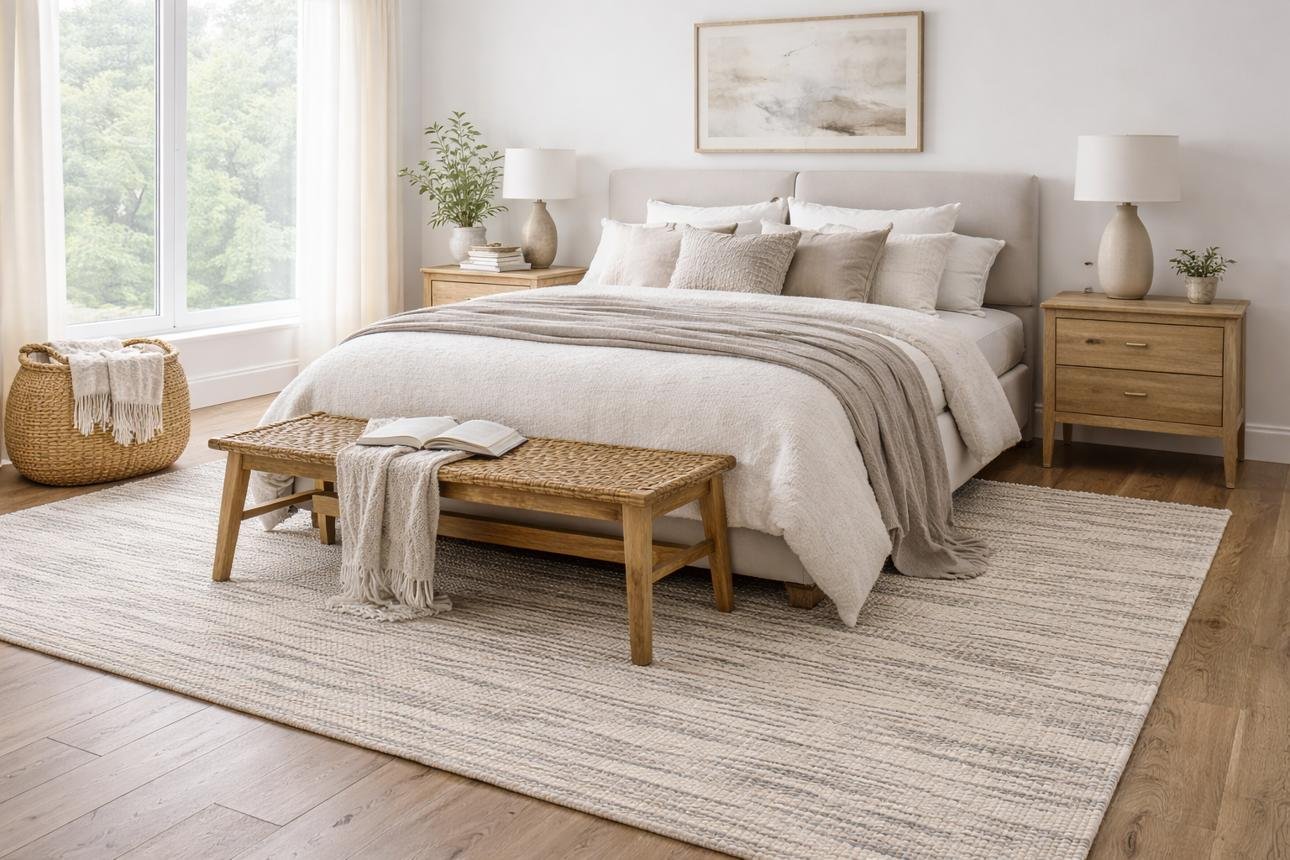
Few things feel less inviting than stepping out of bed onto a cold, hard floor. An area rug can solve that problem while adding color, pattern, and texture to the bedroom.
If you have a large room, consider placing a substantial rug beneath the bed so that it extends beyond both sides. In a smaller bedroom, runners or smaller rugs placed beside the bed can provide the same cozy feeling without overwhelming the space.
Neutral rugs are versatile, but don’t be afraid of subtle patterns. A faded geometric pattern, vintage-inspired design, or organic texture can add character while still allowing the bedding and artwork to stand out.
If your guest bedroom has hardwood flooring, a rug can also help soften the acoustics. This is particularly useful in homes where footsteps and other sounds travel easily.
Look for washable or easy-care options if the room is used frequently. You can browse guest bedroom area rugs on Amazon.
Think of a rug as the room’s cozy foundation. It does not have to be the first thing you notice, but it should make the whole room feel warmer.
7. Choose a Calm, Welcoming Color Palette
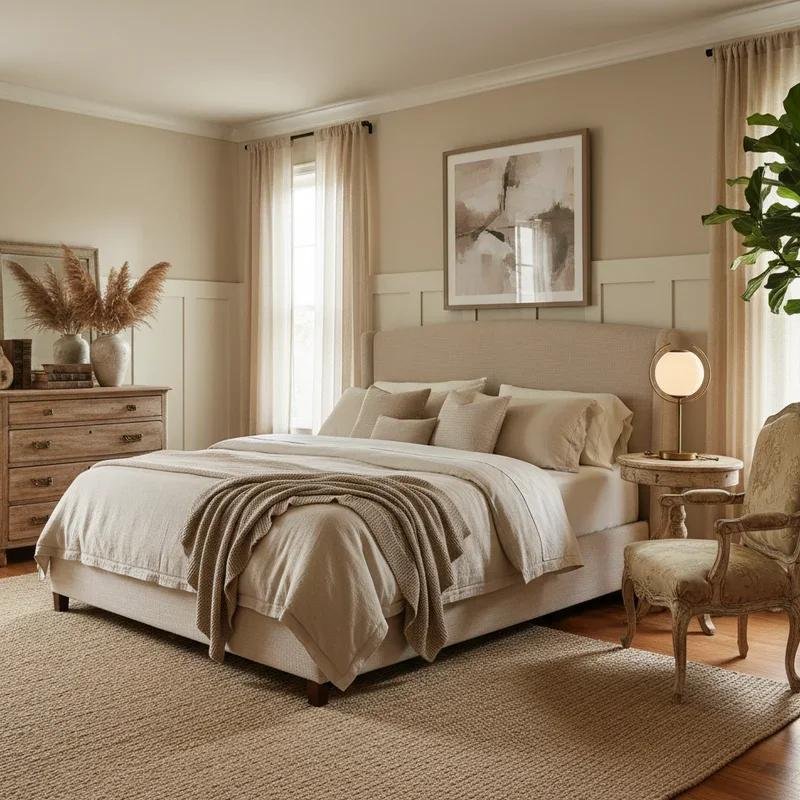
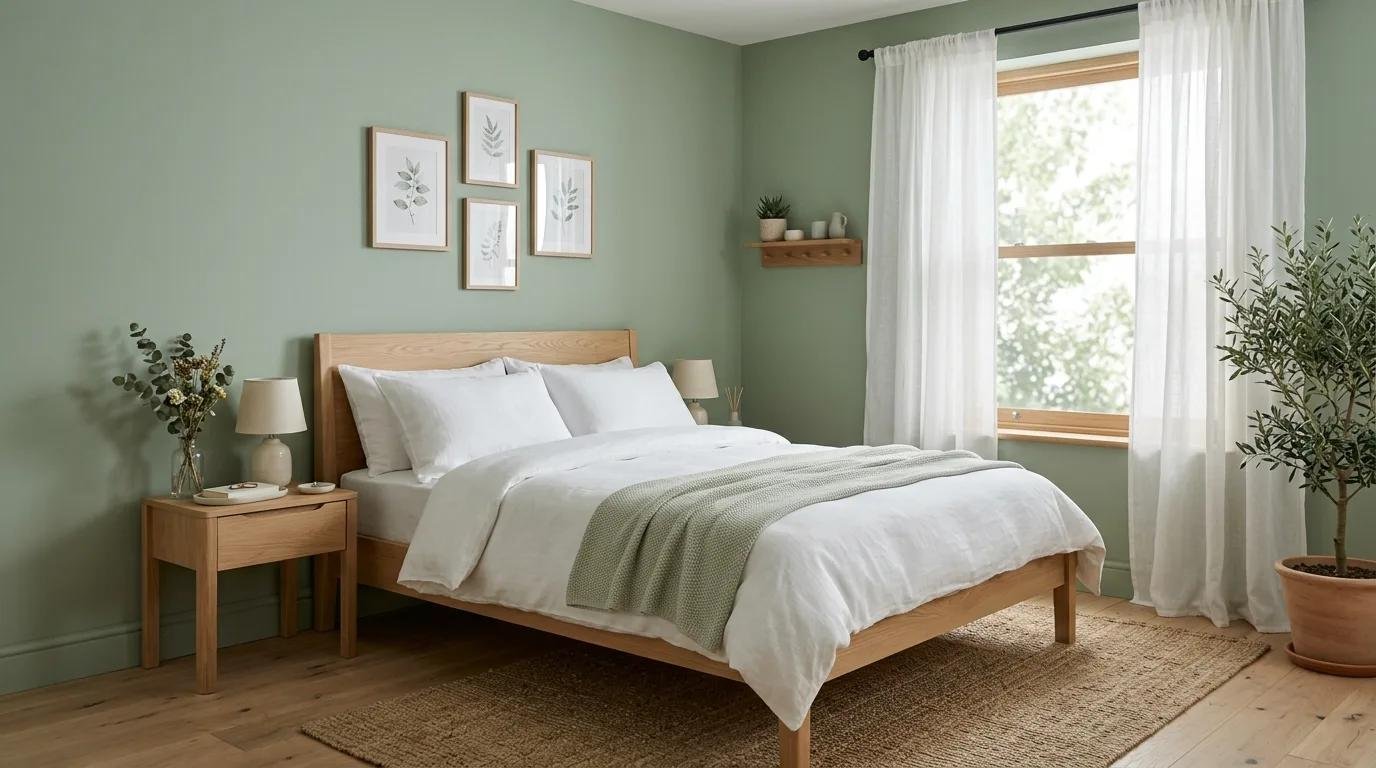
A guest room is one of the best places to experiment with color, but that does not mean you need to paint every wall a dramatic shade. Since different visitors have different preferences, a flexible color palette can help the room feel universally comfortable.
Warm white, cream, beige, soft taupe, muted sage, dusty blue, and gentle gray are all useful starting points. These colors create a peaceful background that allows you to add personality through artwork, bedding, lamps, and accessories.
If you want more drama, consider painting one accent wall rather than the entire room. Deep green, warm charcoal, dusty navy, or earthy terracotta can create a beautiful focal point while keeping the rest of the room balanced.
Another option is to use color through textiles. This approach is especially useful if you do not want to repaint the room. Swap the throw blanket, pillows, curtains, or rug when you want a seasonal refresh.
The goal is not to create a room that looks like a showroom. It should feel like a comfortable extension of your home.
For color inspiration, browse neutral and earthy bedroom decor on Amazon.
A calm palette gives your guests visual breathing room, which is exactly what you want in a space designed for rest.
8. Install Blackout Curtains for Better Sleep
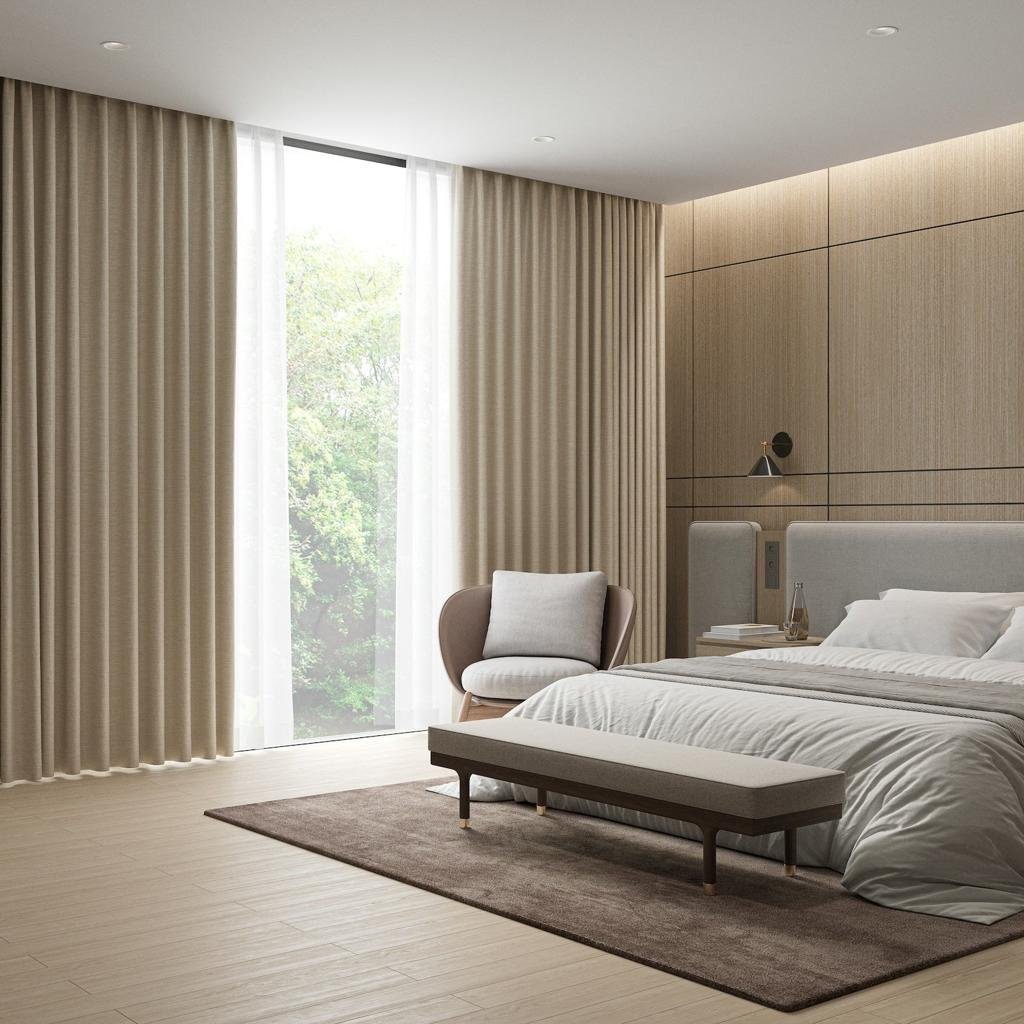
Different people have dramatically different sleeping habits. Some wake up at the first hint of sunlight, while others can sleep through a thunderstorm. Since you cannot control your guest’s preferred sleep schedule, you can at least give them the option of controlling the light.
Blackout curtains are particularly useful in guest bedrooms because visitors may be unfamiliar with how bright your room becomes in the morning. They can also provide additional privacy and make the room feel more cocoon-like at night.
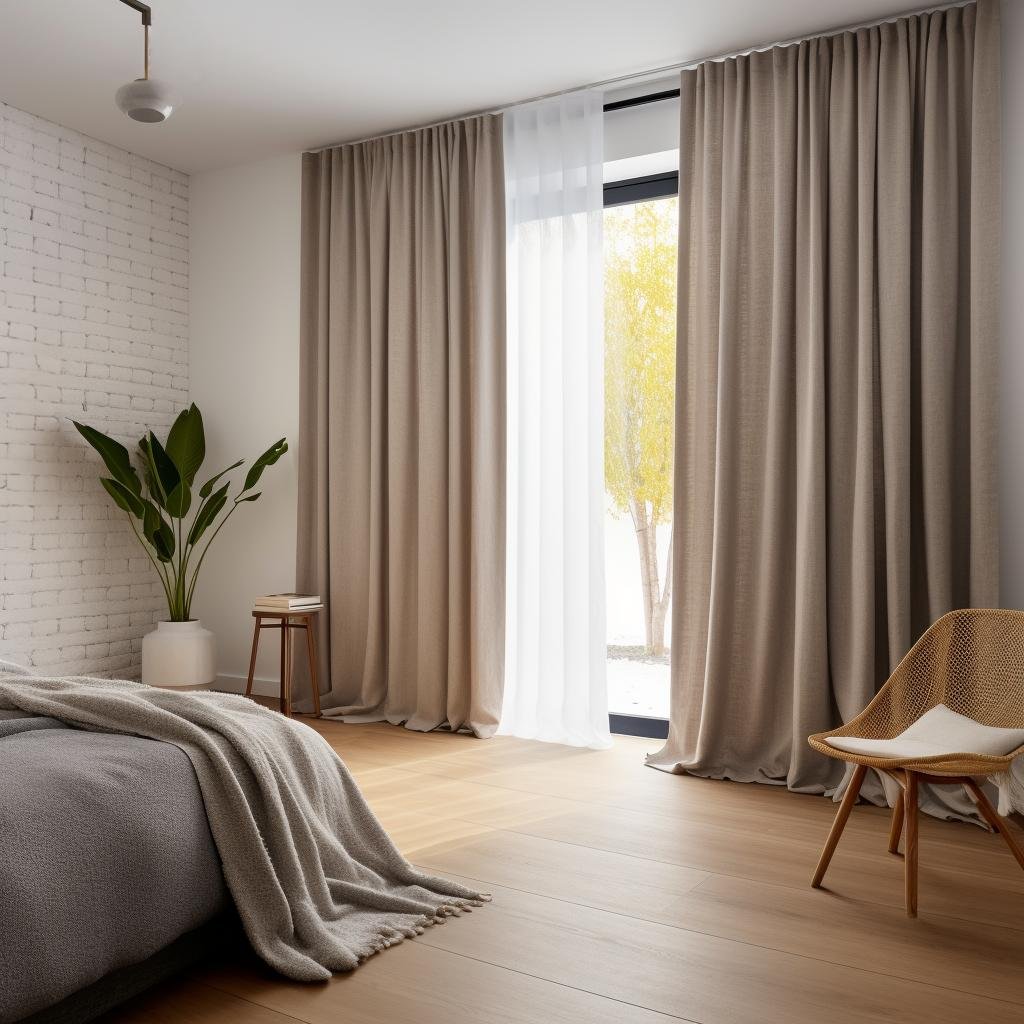
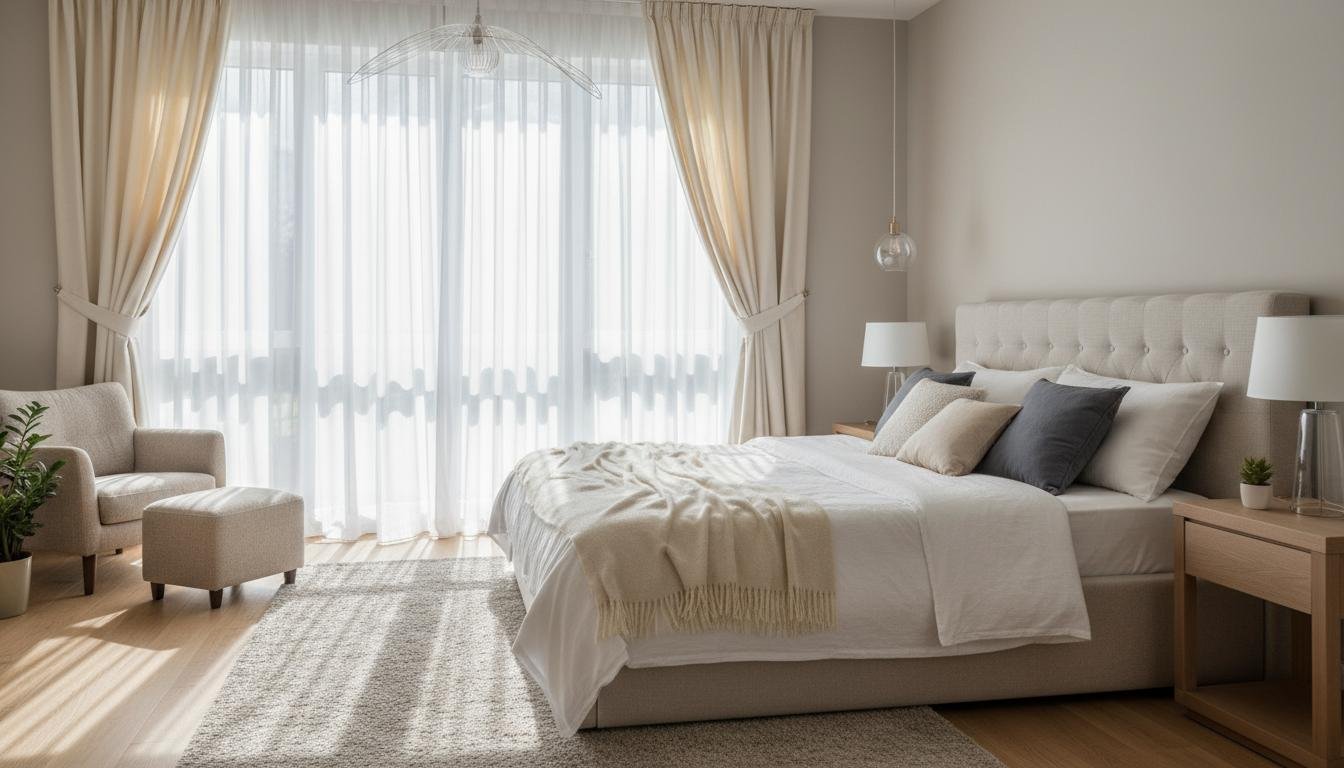
For a polished appearance, consider layering blackout curtains with sheer curtains. During the daytime, the sheers allow natural light into the room while providing some privacy. At night, the heavier curtains can be closed.
Choose curtain colors that coordinate with the rest of the room rather than treating them as an isolated element. Beige, oatmeal, ivory, gray, and muted colors are easy to work with.
You can explore blackout curtains for bedrooms on Amazon.
This is one of those guest bedroom upgrades that combines style with a very practical purpose. Your visitors may never compliment the curtains themselves, but they may compliment how well they slept.
9. Leave Plenty of Empty Storage Space
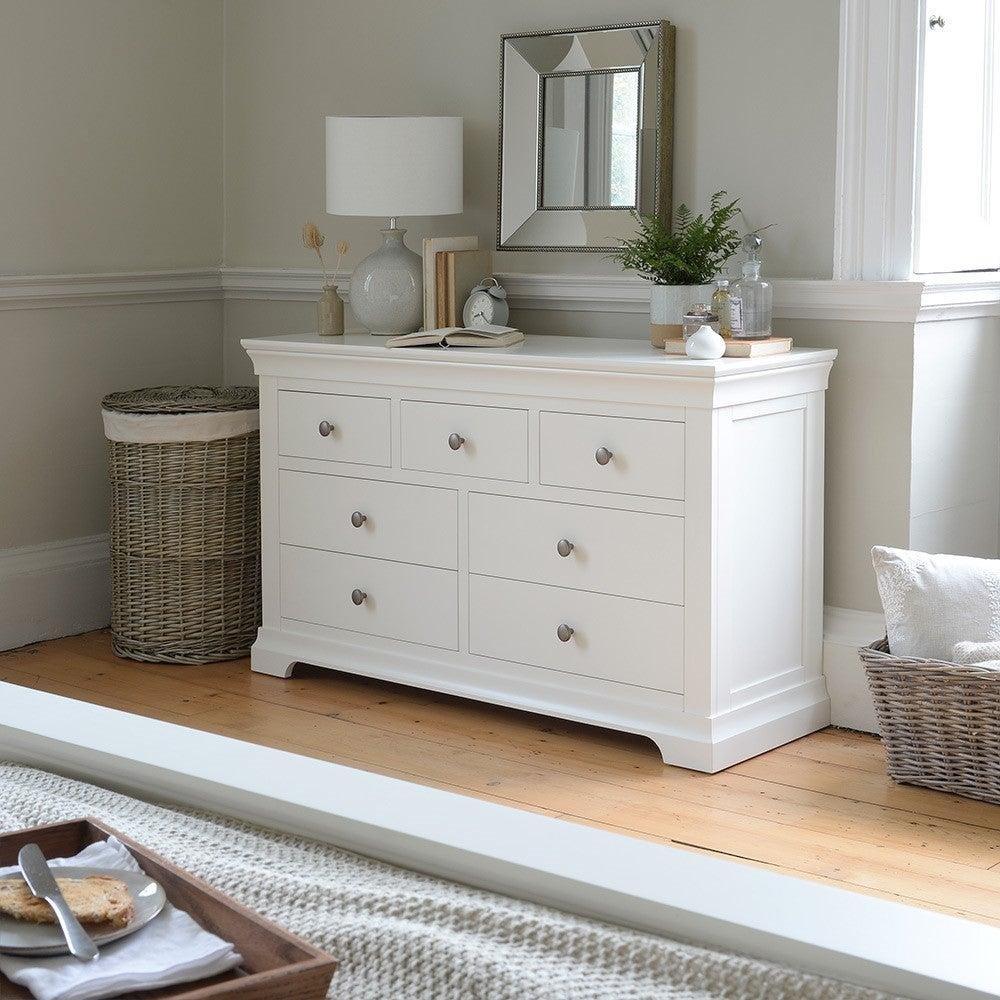
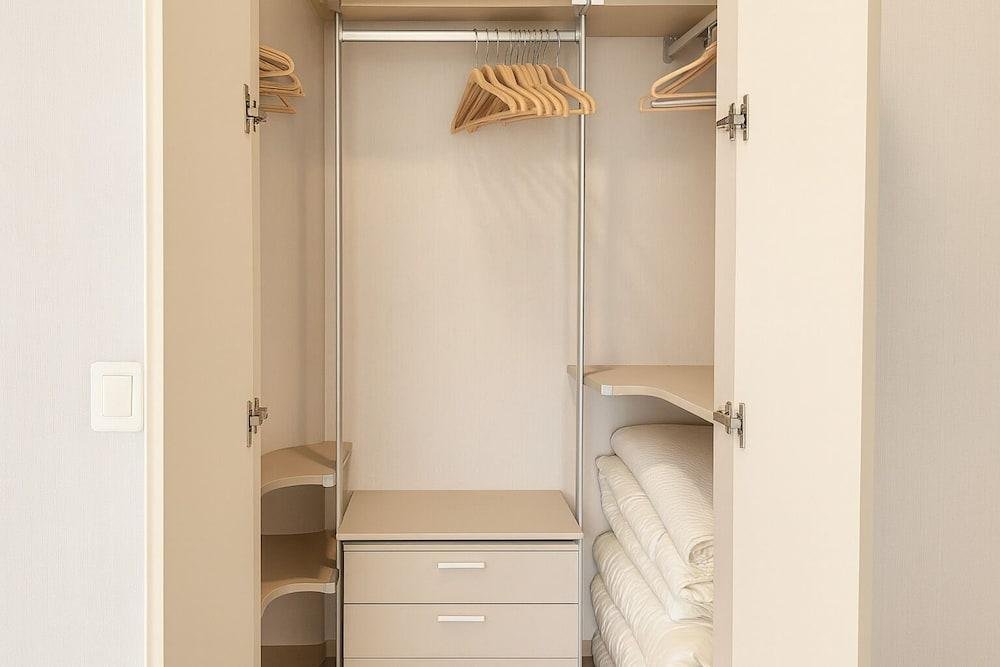
One of the easiest mistakes to make when decorating a guest bedroom is filling every drawer, shelf, and closet with your own belongings. From your perspective, that spare room may be convenient storage. From your guest’s perspective, however, it can feel like there is nowhere to put anything.
Before visitors arrive, clear several drawers and provide some hanging space in the closet. If you have a dresser, leave at least a few drawers completely empty.
You can also add a basket for towels, a laundry hamper, or a small storage box for miscellaneous items. The room should communicate, without anyone having to ask, “There’s room for your things here.”
If the bedroom is very small, use vertical storage instead. Wall hooks can hold robes, bags, or jackets without taking up valuable floor space.
Browse guest room storage baskets and organizers on Amazon.
This is a simple lesson in hospitality: space is a gift. Giving visitors somewhere to unpack allows them to settle into the room instead of living out of an open suitcase.
10. Add a Comfortable Chair or Small Seating Area
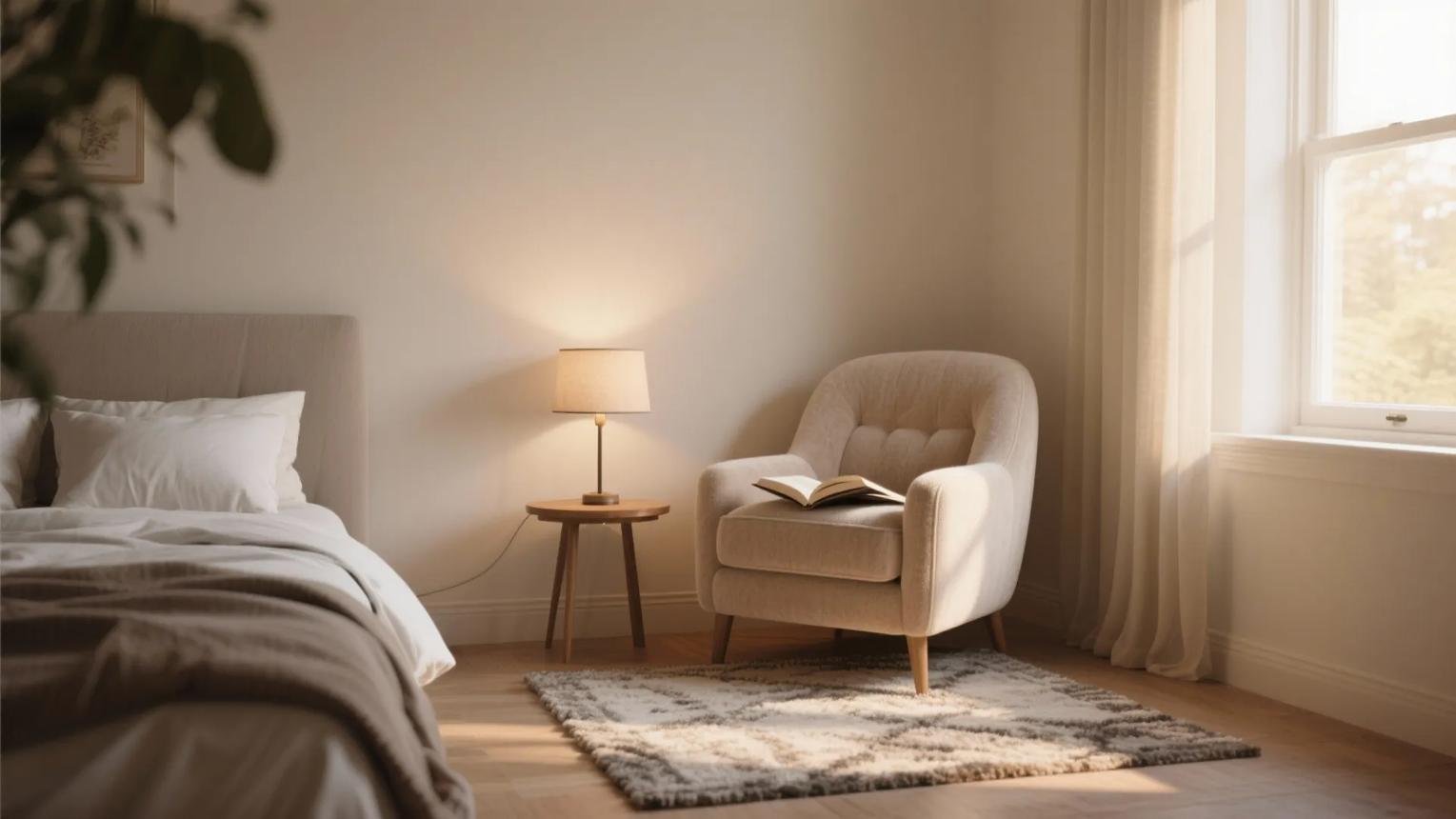
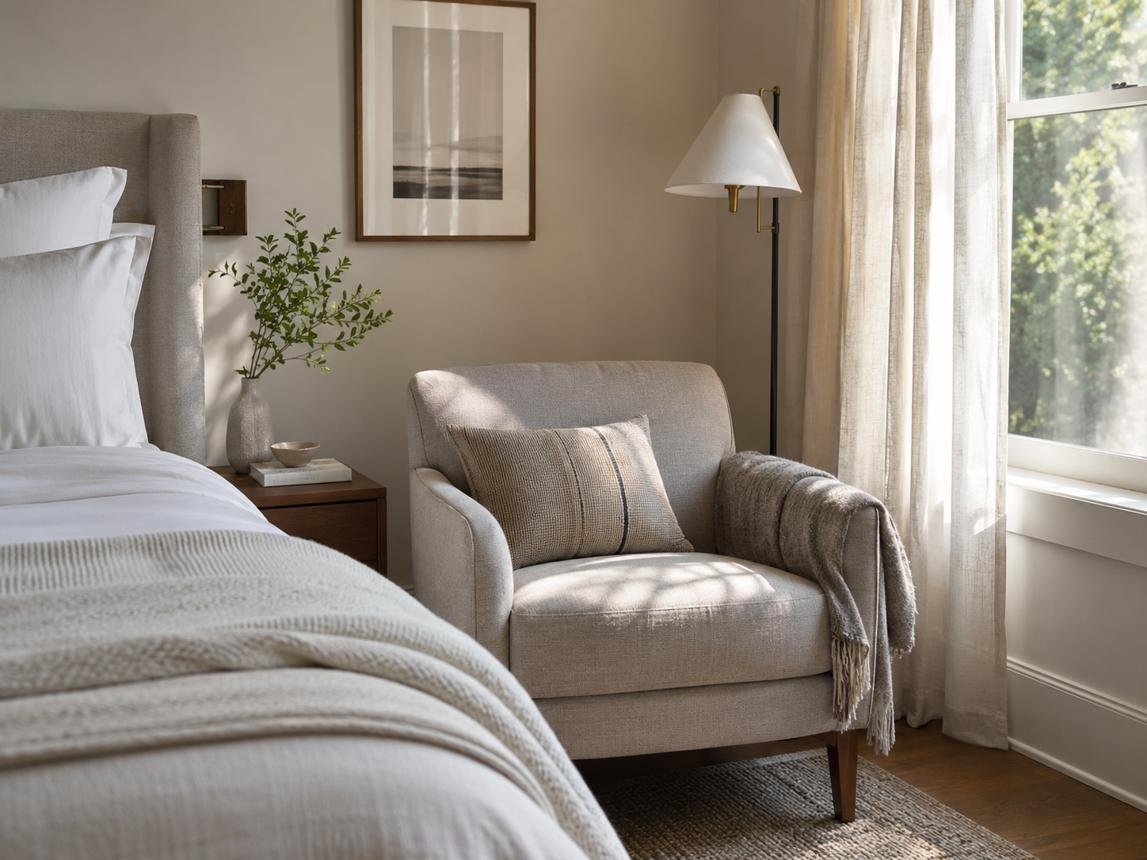
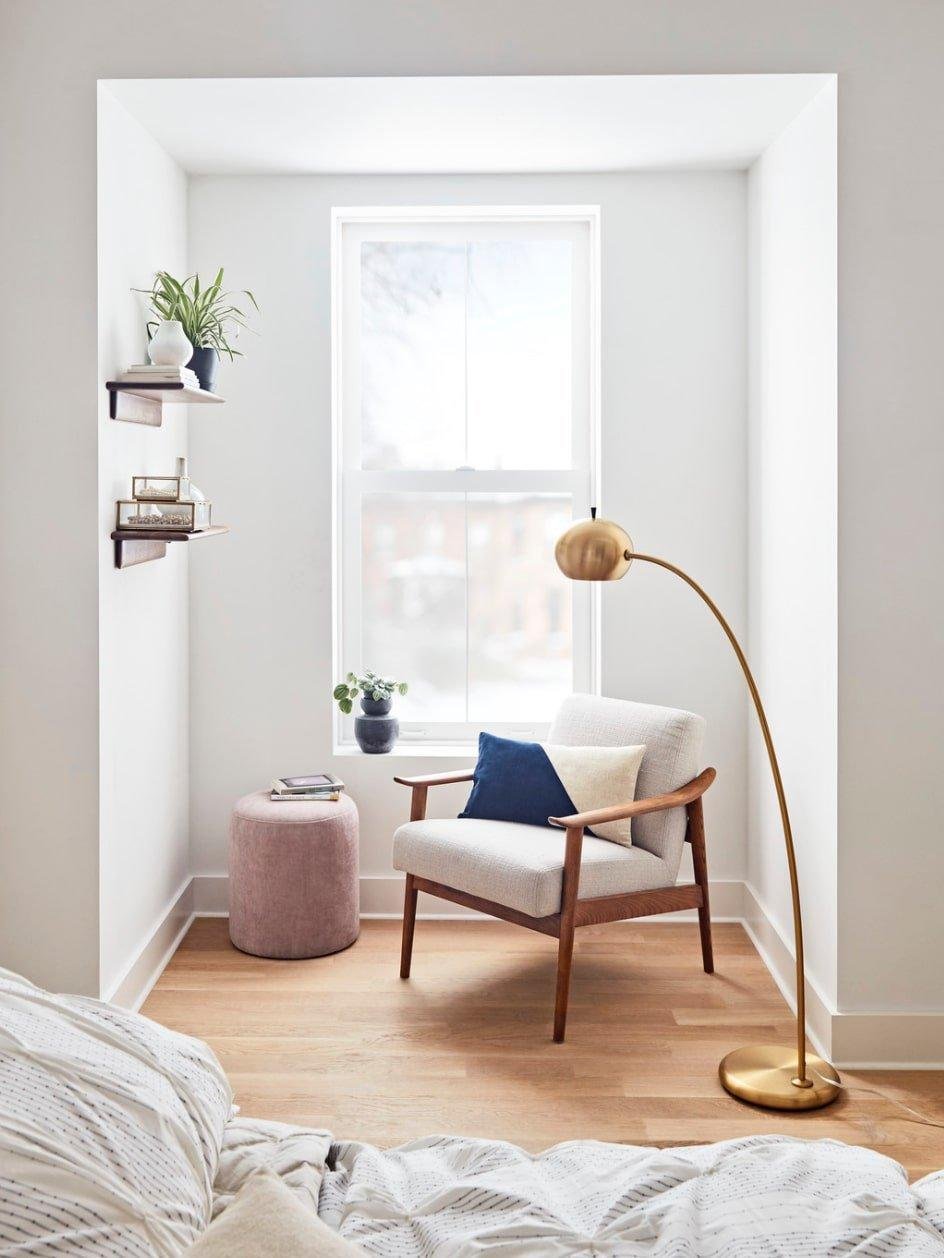
A guest bedroom becomes more versatile when it includes somewhere to sit besides the bed. Even a small accent chair can give visitors a place to read, put on shoes, make a phone call, or simply relax.
If you have enough space, create a tiny reading corner with a chair, side table, and floor lamp. It does not need to be elaborate. A comfortable chair beside a window can become one of the most charming features in the entire room.
For smaller spaces, choose a compact upholstered chair or armless accent chair. A small bench can also work, especially at the foot of the bed.
Try to choose seating that complements the room rather than competing with it. A textured cream chair can soften a modern room, while a wooden chair can add warmth to a minimalist or Scandinavian space.
You can browse small bedroom accent chairs on Amazon.
Giving guests a dedicated seat makes the bedroom feel more like a small private retreat rather than simply a place containing a bed.
11. Bring Personality In With Artwork
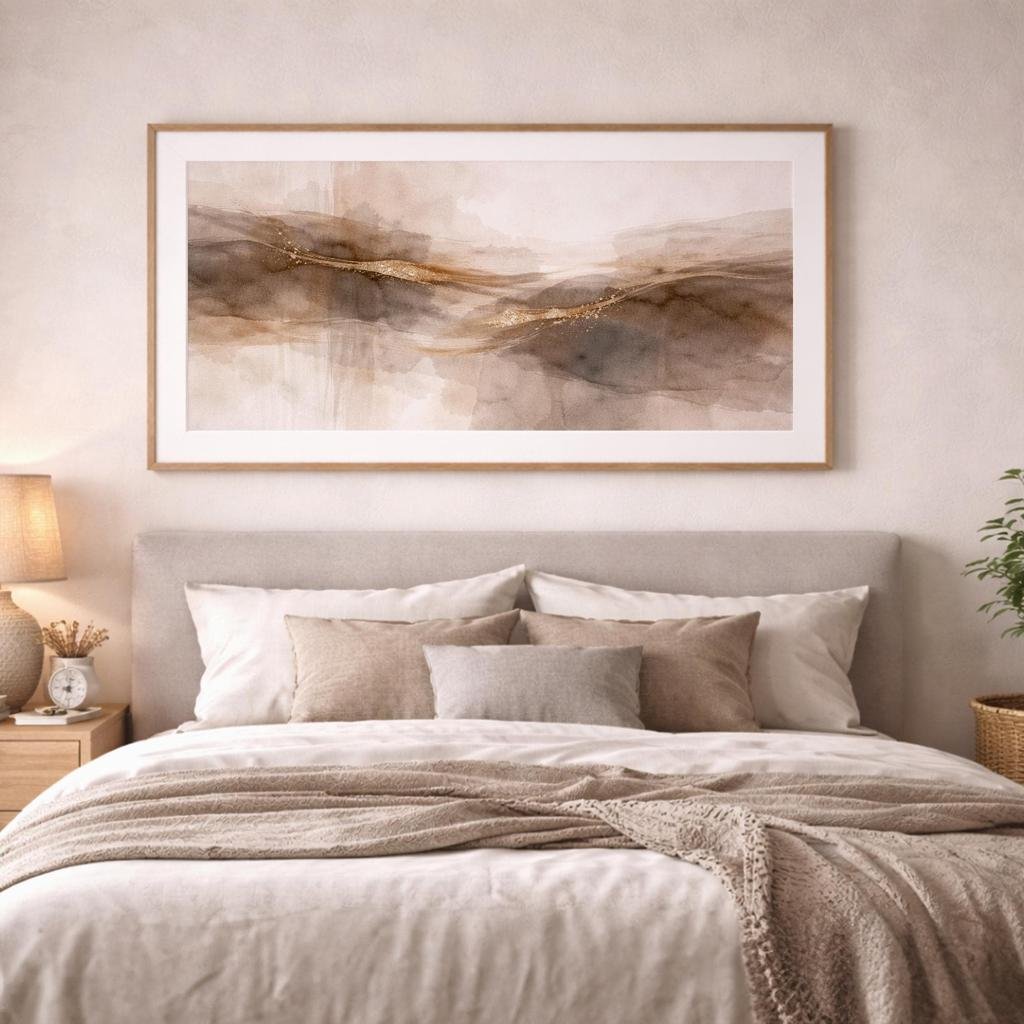
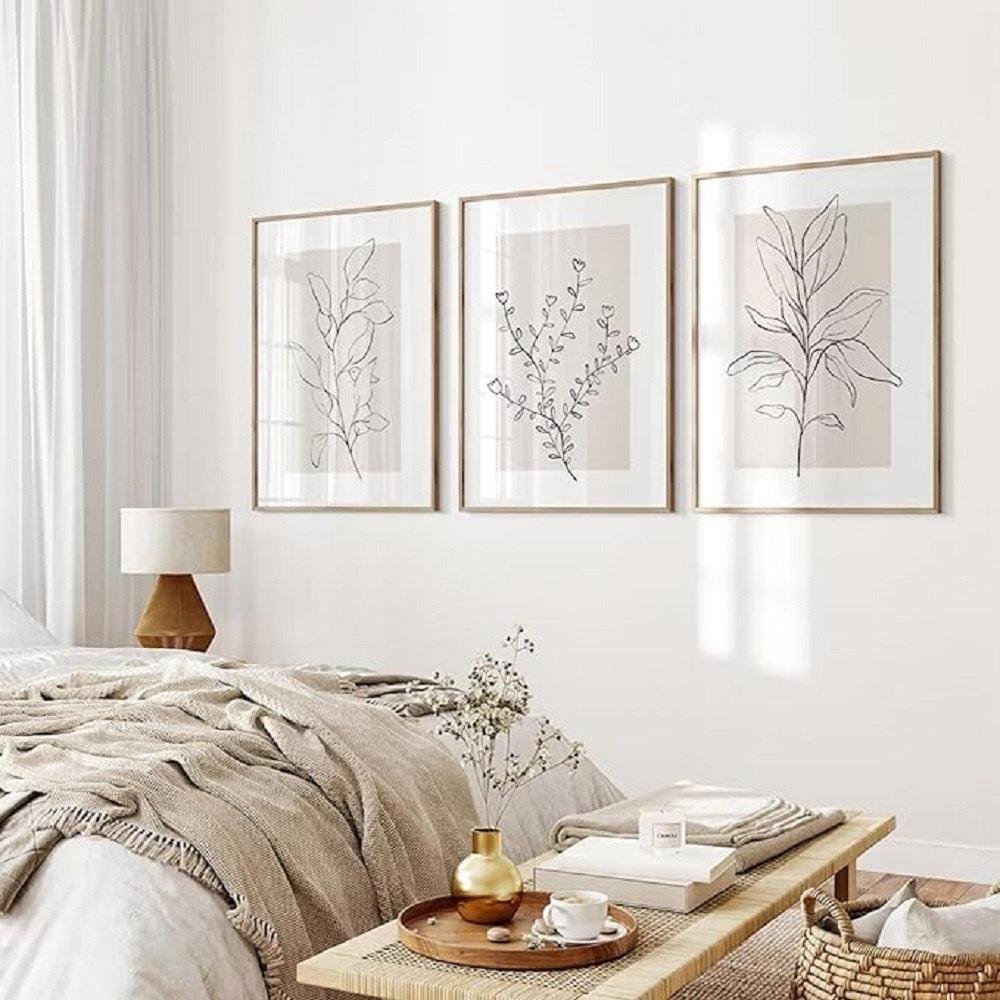
A blank wall can make even a comfortable bedroom feel unfinished. Artwork gives the room a sense of personality and helps your guests understand the aesthetic of your home.
You do not need expensive original artwork. A large framed print, landscape photograph, abstract canvas, vintage-inspired poster, or botanical illustration can work beautifully.
One oversized piece above the bed can create a strong focal point. Alternatively, a small gallery wall can add personality if you prefer a more collected look.
When selecting artwork for a guest room, consider pieces that create a calm or uplifting atmosphere. Nature scenes, soft abstracts, architectural photography, and muted botanical prints are versatile choices.
You can explore guest bedroom wall art on Amazon for affordable options.
The key is scale. Tiny artwork can disappear on a large wall, while one oversized piece can instantly make the room feel intentional. If you are working with a small bedroom, one well-chosen piece may be all you need.
12. Add Greenery for a Fresh, Lived-In Feeling
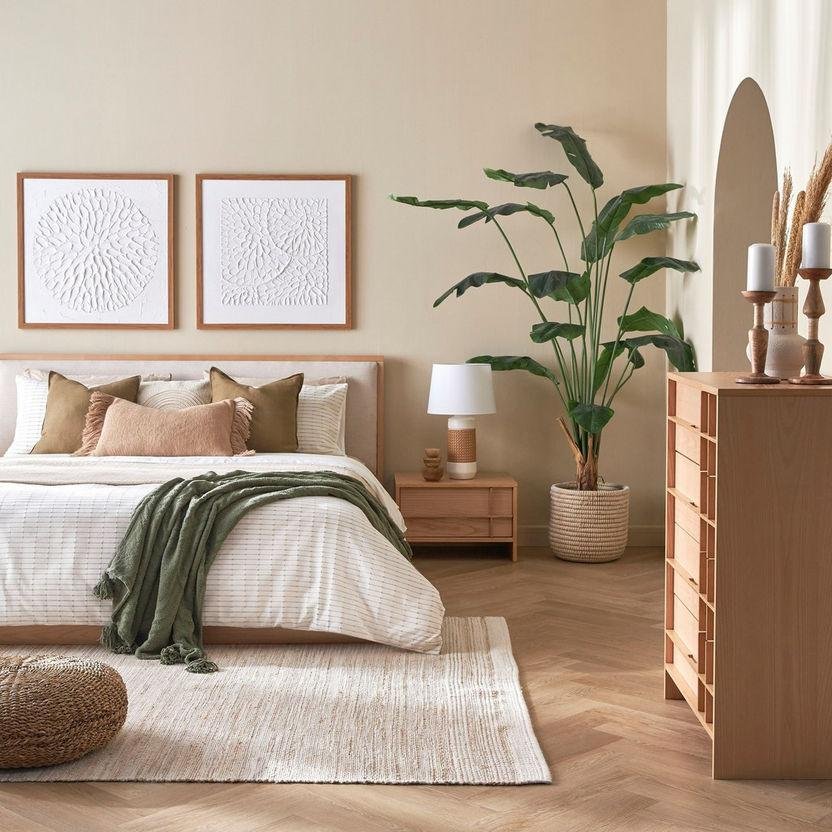
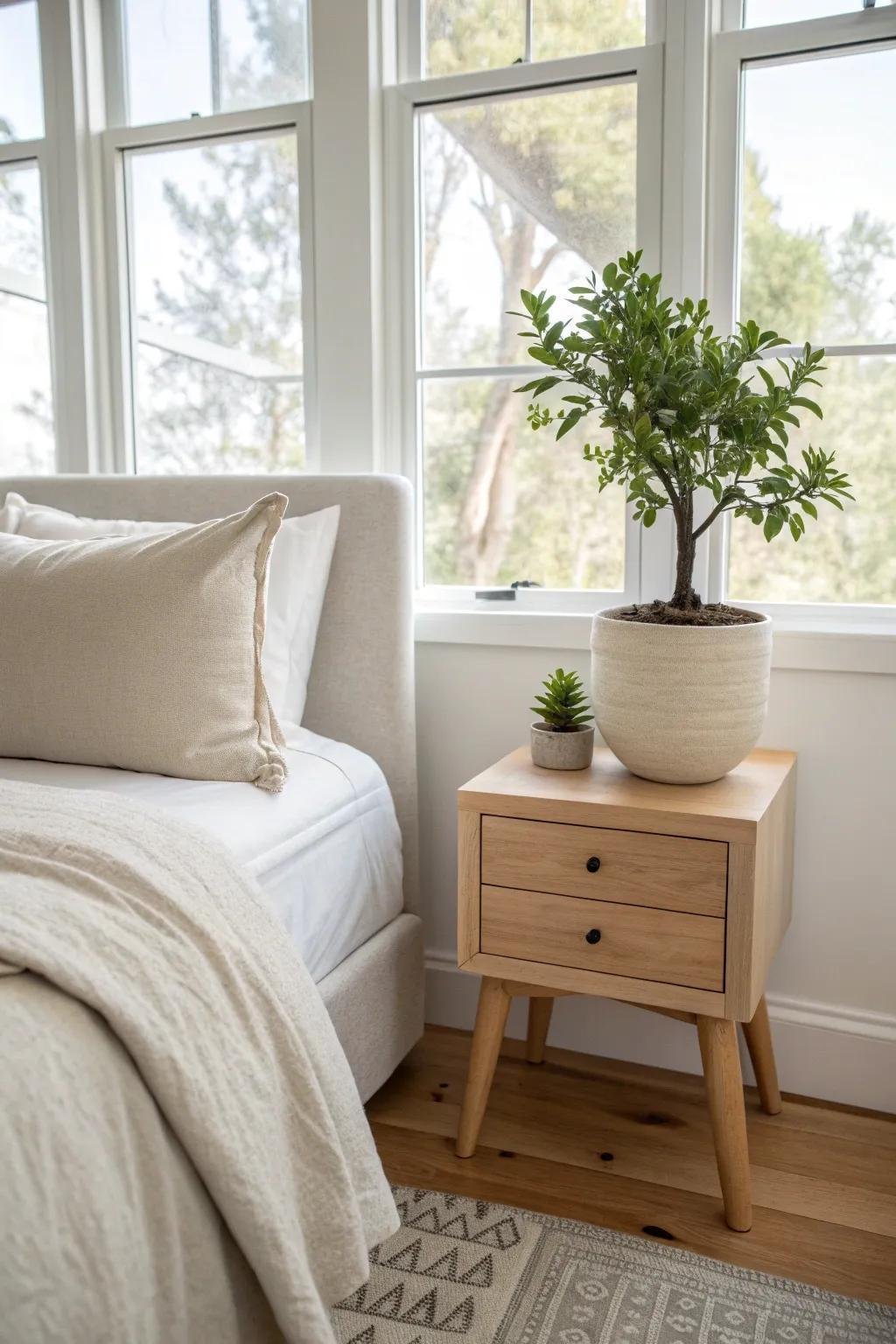
Plants have a special way of making a room feel alive. Even one small plant on a dresser or nightstand can introduce color and softness.
If your guest room receives plenty of natural light, a real plant can be a lovely choice. Snake plants, pothos, ZZ plants, and other relatively forgiving varieties can work well depending on your home’s conditions.
If you do not want to worry about watering plants while guests are staying, high-quality faux greenery is another option. The best artificial plants can add visual interest without creating another maintenance task.
Place greenery where it feels natural. A tall plant beside a dresser can fill an empty corner, while a small potted plant works well on a shelf or nightstand.
Browse bedroom plants and faux greenery on Amazon.
Do not turn the guest room into a jungle unless that is genuinely your style. One or two carefully positioned plants can be more effective than filling every available surface.
13. Create a Small Coffee and Beverage Station
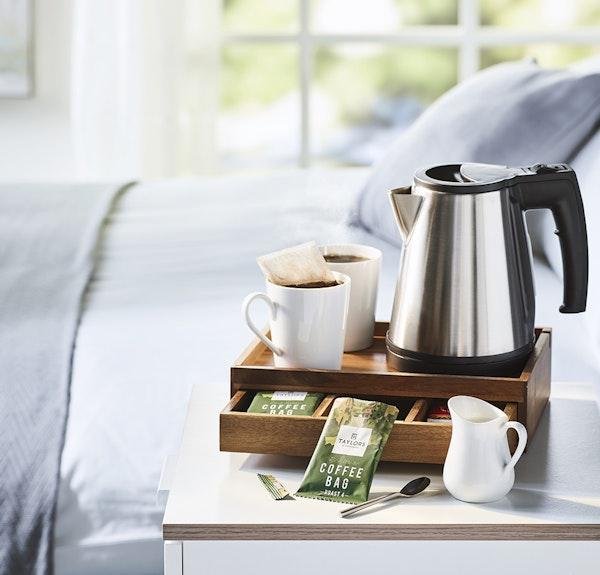
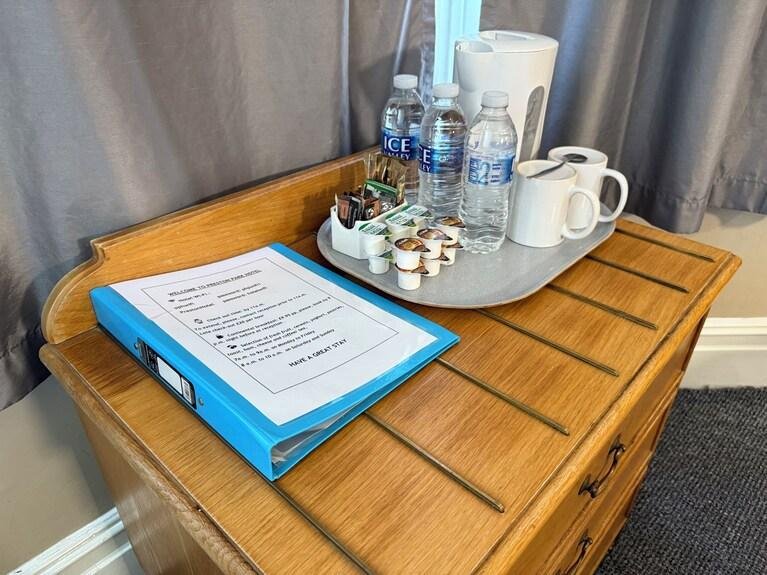
This is where a guest bedroom can start feeling genuinely special. A tiny beverage station gives visitors the freedom to enjoy coffee, tea, or water without feeling as though they need to walk into the kitchen first thing in the morning.
You do not need a full coffee bar. A small tray on a dresser or console table is enough. Add a kettle or compact coffee maker, a few mugs, tea bags, instant coffee, sugar, and bottled or filtered water.
If space is limited, keep the setup minimal. A pretty tray with two mugs, tea, and a water carafe can look decorative even when nobody is using it.
A small basket can hold individually packaged snacks such as crackers, granola bars, or chocolates. This is especially thoughtful for guests who may wake up earlier than everyone else.
You can browse small coffee stations and bedroom beverage accessories on Amazon.
The magic of this idea is not the coffee itself. It is the feeling of being able to quietly start the morning without needing to ask where everything is.
14. Add a Full-Length Mirror
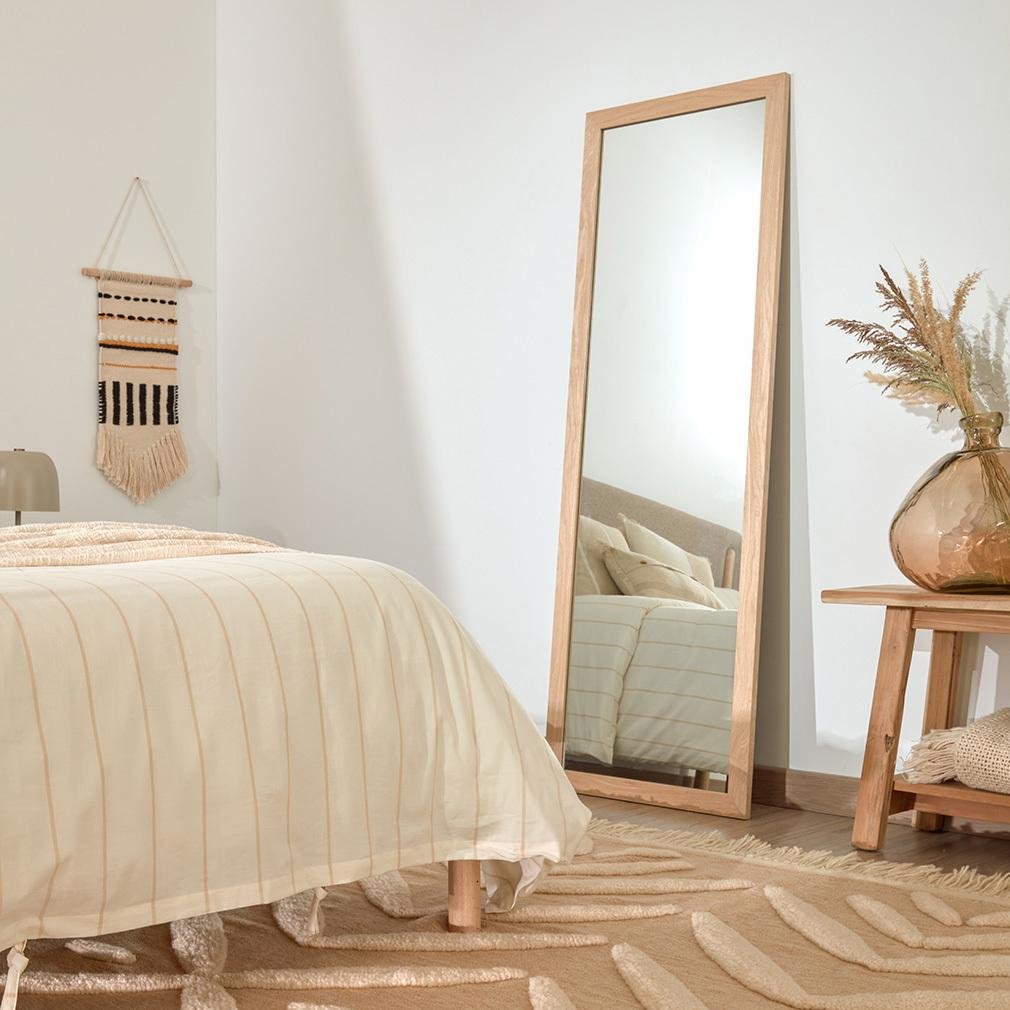
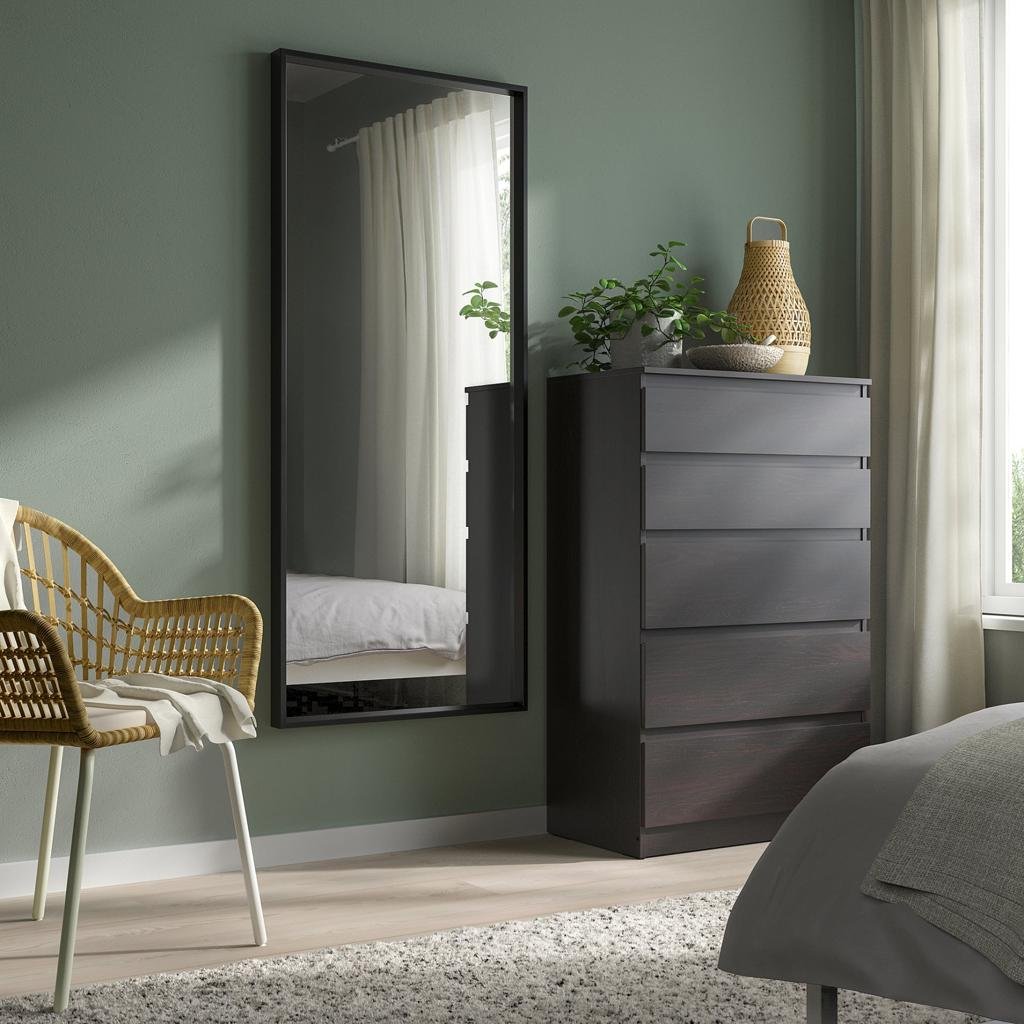
A full-length mirror is one of the most useful additions you can make to a guest bedroom. Visitors often want to check an outfit before leaving, and they may not know where the mirrors are located elsewhere in your home.
If the room is large enough, a leaning floor mirror can become a decorative feature. In smaller rooms, mount a slim mirror on the back of a door or against a wall where it does not interfere with the walking path.
Mirrors can also make a small bedroom feel larger by reflecting light and creating the impression of additional space. Positioning a mirror opposite or near a window can help brighten the room during the day.
Choose a frame that matches the room’s aesthetic. Black metal works well in modern interiors, natural wood adds warmth, and brass or gold can introduce a slightly more traditional feel.
Explore full-length bedroom mirrors on Amazon.
It is a small addition, but it solves a problem your guests might otherwise discover only when they are already dressed and ready to leave.
15. Finish With Thoughtful Personal Touches
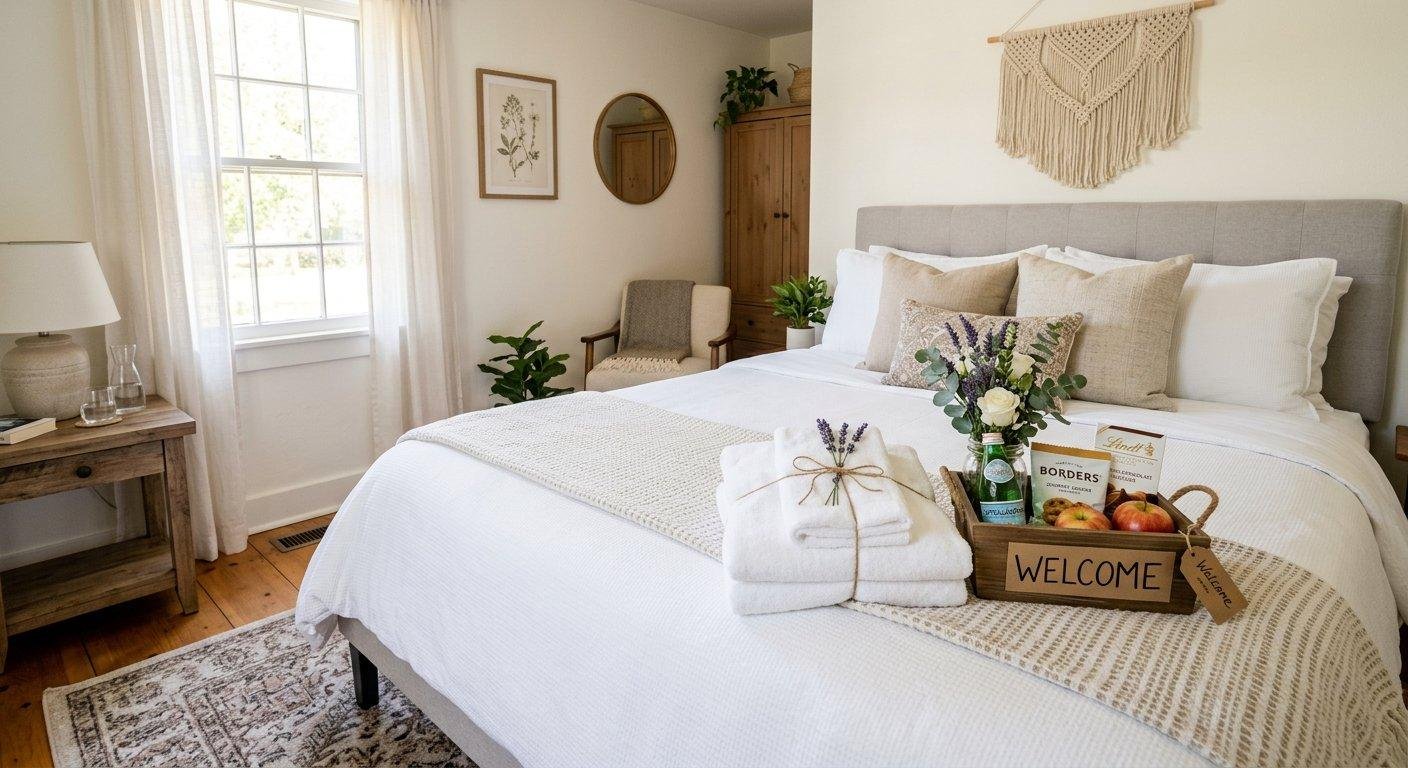
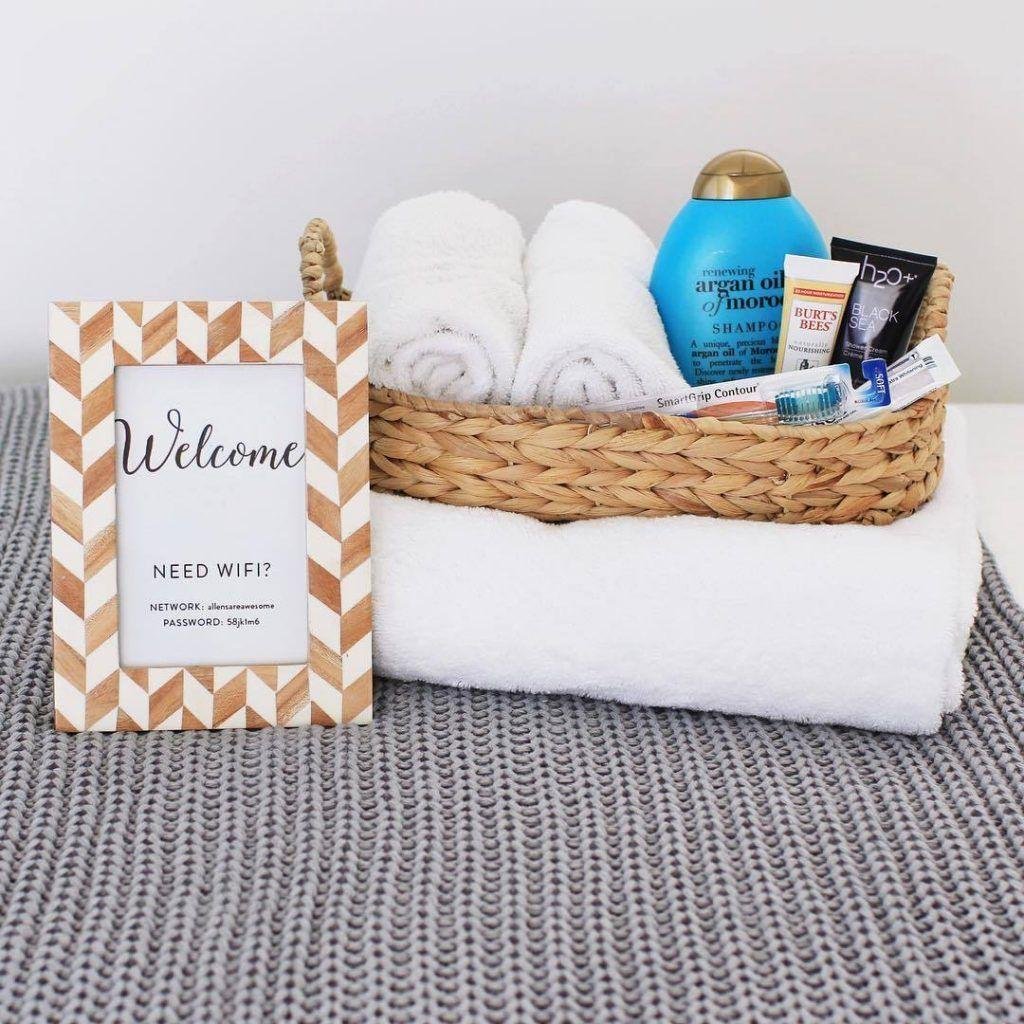
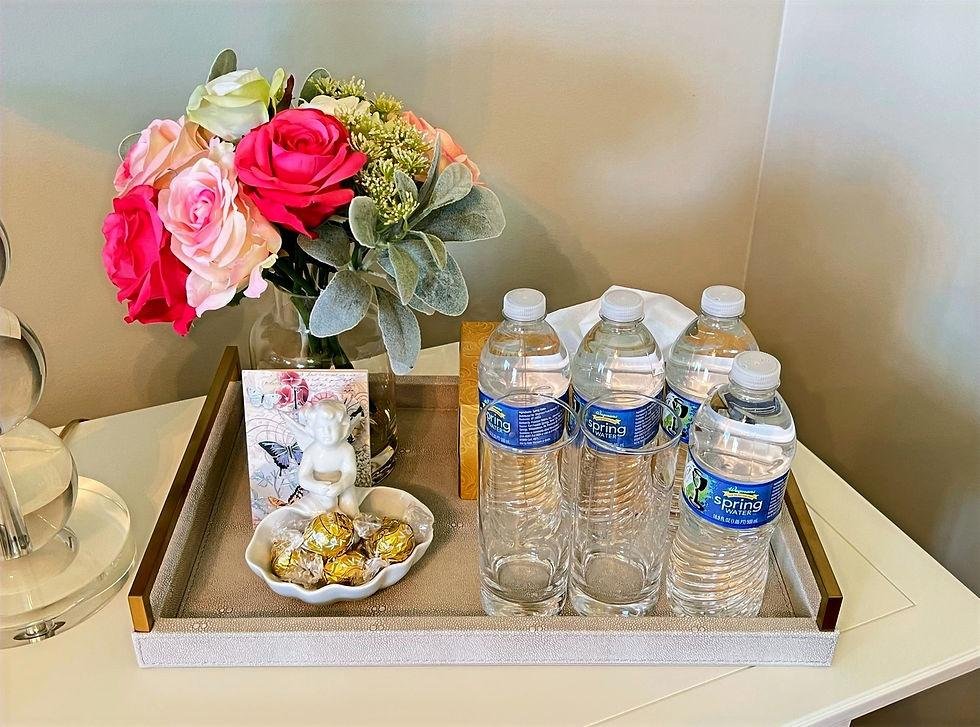
The final layer is what turns a nicely decorated bedroom into a genuinely welcoming guest space. These are the small details that tell visitors, “We prepared this room specifically for you.”
A handwritten welcome note can be incredibly effective. You might include the Wi-Fi password, information about the bathroom, breakfast options, or simply a friendly message letting them know they can make themselves comfortable.
Fresh towels should be easy to find. A spare blanket can sit folded at the end of the bed, and a small basket can contain practical items such as tissues, toiletries, or an extra phone charger.
You could also leave a small chocolate bar, local snack, bottle of water, or favorite tea. It does not need to be expensive. In fact, an inexpensive treat can feel more personal than a large gift because it communicates thoughtfulness rather than extravagance.
Browse guest room welcome basket supplies on Amazon if you want to put together a simple hospitality basket.
The goal is not to overwhelm your guests with amenities. It is to remove little inconveniences before they happen.
How to Make a Small Guest Bedroom Feel Bigger
A guest bedroom does not need to be large to feel comfortable. In fact, smaller rooms can sometimes feel more intimate and cozy when they are decorated thoughtfully. The trick is to avoid filling the floor with furniture that guests do not actually need.
Start with the bed and work outward. Choose appropriately sized nightstands, use wall-mounted lighting where possible, and keep decorative objects relatively simple. Mirrors can help reflect light, while curtains hung closer to the ceiling can visually increase the height of the room.
Storage also matters enormously. Under-bed containers, baskets, hooks, and a small dresser can keep belongings organized without requiring bulky furniture.
Use a lighter color palette if you want the room to feel airy. That does not mean everything needs to be white. Warm beige, pale sage, soft blue, and creamy neutrals can all create an open feeling while remaining cozy.
Most importantly, maintain clear walking paths. A room can have beautiful furniture but still feel cramped if guests have to squeeze between the bed and dresser.
When decorating a small guest bedroom, think less furniture, more comfort. Every piece should earn its place.
How to Make a Guest Bedroom Feel Like a Boutique Hotel
The boutique-hotel look is less about expensive furniture and more about repetition, layering, and thoughtful details. Start by keeping your color palette consistent. Two or three primary colors are usually enough.
Next, layer textiles. Combine crisp sheets with a quilt, duvet, throw, and decorative pillows. Add a rug beneath the bed and curtains that frame the windows. These layers create the visual richness associated with professionally designed bedrooms.
Lighting is another major factor. Instead of relying entirely on one overhead fixture, use bedside lamps, accent lighting, and perhaps a floor lamp.
Then add the practical details: water, charging cables, tissues, towels, hangers, and a luggage station.
Finally, keep the room uncluttered. A boutique hotel room usually does not have every surface covered in decorations. There is intentional empty space, and that space helps the room feel calm.
You can recreate the same principle at home without copying a hotel literally. Your guest bedroom should still feel like your home, just with an extra layer of hospitality.
What to Put in a Guest Bedroom Welcome Basket
A welcome basket can be as simple or elaborate as you want. The important thing is choosing items that are useful rather than filling a basket with random products.
A practical guest basket might contain bottled water, individually wrapped snacks, tissues, hand cream, travel-size toiletries, tea, coffee, and a small chocolate treat. If you know your guest’s preferences, personalize it.
For example, a tea drinker might appreciate several tea varieties, honey, and a nice mug. Someone arriving after a long drive might appreciate bottled water and snacks more than decorative items.
You can also include a printed Wi-Fi card. That tiny piece of paper may save your guest from having to ask for the password while everyone else is sleeping.
The basket itself does not need to be expensive. A woven storage basket, wooden tray, or simple fabric bin can work perfectly.
Remember that hospitality is about anticipating needs, not showing off how much you spent.
Guest Bedroom Decorating Mistakes to Avoid
Even with the best intentions, a guest bedroom can become uncomfortable if it is designed entirely around appearance rather than usability. One common mistake is filling the room with furniture. A large dresser, oversized chair, multiple tables, and decorative cabinets may look impressive, but they can leave guests with nowhere to walk or place their belongings.
Another mistake is making the room too personal. Family photographs are wonderful throughout your home, but if every inch of the guest room is filled with personal items, visitors may feel as though they are sleeping in someone else’s private space.
Avoid excessive decorative pillows and blankets that guests have to remove before sleeping. The room should be beautiful but functional.
Do not forget temperature control, either. Some guests sleep hot while others get cold easily. Leave an extra blanket accessible and make sure the room’s heating or cooling controls are understandable.
Finally, do not hide everything guests might need. Extra towels, hangers, blankets, and toiletries should be easy to find.
A beautiful guest bedroom should never feel like a museum. Comfort comes first.
A Simple Guest Bedroom Shopping List
If you want to refresh your guest bedroom without completely redesigning it, focus on the items that provide the biggest impact.
- Comfortable bedding
- Two or more pillow options
- Warm bedside lamps
- A luggage rack or bench
- Bedside charging station
- Soft area rug
- Blackout curtains
- Extra hangers
- Empty dresser or closet space
- Comfortable accent chair
- Full-length mirror
- Simple artwork
- Greenery or a plant
- Water carafe and glasses
- Small welcome basket
You do not have to purchase everything at once. Start with the bed, lighting, and practical storage. Then add decorative layers over time.
For convenient shopping, you can browse guest bedroom essentials on Amazon.
Affiliate disclosure: Some Amazon links in this article are affiliate links. If you make a qualifying purchase through these links, a commission may be earned at no additional cost to you.
Conclusion
Creating a guest bedroom that makes visitors feel at home does not require a massive renovation or an unlimited decorating budget. The most successful guest bedroom ideas focus on the experience rather than simply the appearance of the room. A comfortable bed, soft lighting, useful storage, fresh towels, a luggage station, and a few thoughtful extras can make a much bigger impression than expensive furniture.
Start by imagining what you would want if you were the guest. Would you know where to charge your phone? Could you find an extra blanket without asking? Is there somewhere to put your suitcase? Can you get a glass of water at night? Those questions reveal exactly where the room needs attention.
Then layer in personality. Choose calming colors, artwork you genuinely love, a soft rug, greenery, and textiles that make the room feel connected to the rest of your home. Add a welcome basket or small beverage station if you want to take the experience one step further.
The best guest bedroom is not necessarily the one that looks the most expensive. It is the one where visitors can close the door, put their bags down, climb into a comfortable bed, and immediately feel that someone thought about their stay.
And honestly, isn’t that what a guest room should do?
FAQs About Guest Bedroom Ideas
1. What should every guest bedroom have?
Every guest bedroom should ideally have a comfortable bed, quality bedding, bedside lighting, a nightstand, storage space, hangers, towels, and a place for luggage. Extra blankets, charging cables, water, and a full-length mirror can make the room even more convenient.
2. What colors are best for a guest bedroom?
Warm neutrals such as cream, beige, taupe, soft gray, sage green, and muted blue work particularly well because they create a calm background. You can introduce stronger colors through artwork, pillows, throws, rugs, or a single accent wall.
3. How can I make a guest bedroom cozy on a budget?
Start with affordable changes that guests physically experience: fresh bedding, soft lighting, a rug, curtains, extra pillows, and a warm throw blanket. Rearranging existing furniture and decluttering the room can also make a surprisingly large difference without spending much money.
4. What should I put on a guest bedroom nightstand?
Useful nightstand items include a lamp, water, tissues, a charging cable, a small tray, and perhaps a notepad and pen. Leave enough empty space for guests to place their phone, glasses, books, or personal items.
5. How can I make my guest bedroom feel like a hotel?
Use layered bedding, warm lighting, blackout curtains, a luggage rack, coordinated colors, a full-length mirror, fresh towels, and practical bedside amenities. A small coffee or tea station and personalized welcome note can add another layer of hospitality without requiring a major investment.


Leave a Reply