
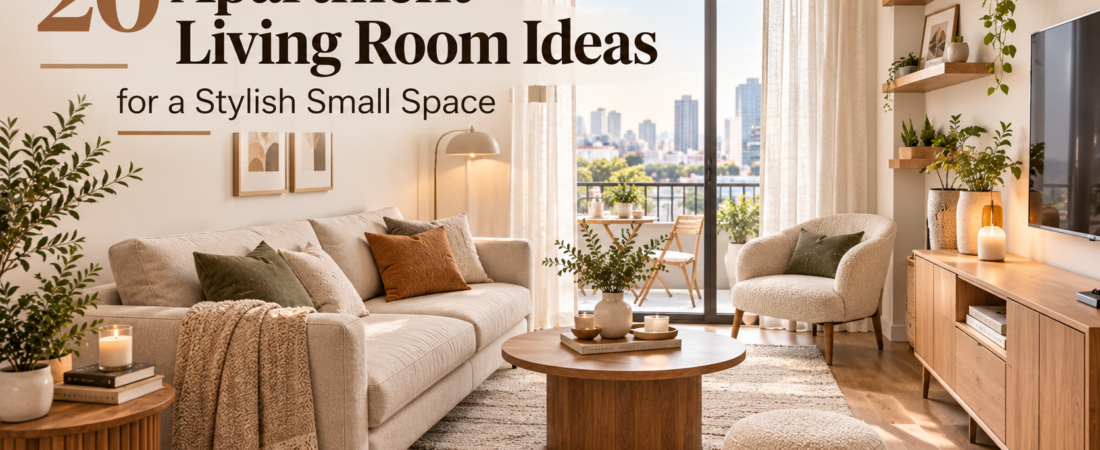
Living in an apartment doesn’t mean you have to settle for a cramped, cluttered, or uninspiring living room. With the right furniture, color palette, lighting, and layout, even a small apartment can feel stylish, comfortable, and surprisingly spacious. The secret isn’t having more square footage. It’s making every inch work harder while creating a room that reflects your personality.
Whether you’re decorating a studio apartment, furnishing your first rental, or refreshing a compact living room, thoughtful design choices can completely change how your space looks and feels. A well-placed mirror can brighten a dark corner, a compact sofa can open up the floor plan, and a carefully chosen rug can make a tiny seating area feel like a complete room.
The best small apartment living rooms balance beauty with everyday practicality. You need somewhere comfortable to relax, room for guests, storage for the things you use daily, and enough breathing space that the room doesn’t feel crowded. Fortunately, modern apartment decorating offers plenty of creative ways to achieve all of that without expensive renovations.
In this guide, you’ll discover 20 apartment living room ideas for a stylish small space, including renter-friendly decorating tricks, space-saving furniture, cozy color schemes, clever storage, and affordable upgrades. Whether you love minimalist interiors, warm modern decor, Scandinavian style, or a more eclectic look, these ideas will help you create a living room that feels like home.
How to Make a Small Apartment Living Room Feel Bigger
A small apartment living room can feel spacious, inviting, and stylish when its layout and furnishings work together. The first step is to stop thinking of limited square footage as a decorating problem and start treating it as a design opportunity. Every piece of furniture, every color choice, and every decorative detail can help the room feel more functional.
Unlike a large house, where you may have separate rooms for entertaining, relaxing, working, and dining, an apartment living room often has to do several jobs at once. It might be your movie-night spot, your reading corner, your home office, and the place where friends gather on weekends. That’s why choosing furniture based on your lifestyle is just as important as choosing it for its appearance.
Choose a Layout That Supports Everyday Living
Before purchasing furniture or accessories, look at the way you move through the room. Identify the main entrance, windows, doors, and any pathways connecting the living room to the kitchen or bedroom. These areas should remain easy to access rather than being blocked by bulky furniture or decorative pieces.
Think about your most frequent activities. If you enjoy watching television, arrange the seating so that the screen is comfortable to view without dominating the entire room. If you entertain often, prioritize flexible seating and a coffee table that can be moved when necessary. If you work from home, consider whether a small desk can fit beside a window or behind the sofa.
Balance Style, Comfort, and Function
A stylish small apartment shouldn’t feel like a furniture showroom where nobody is allowed to sit down. Choose comfortable pieces that suit the scale of the room, then use color, texture, and lighting to create a polished appearance.
You don’t need to fill every empty corner. In fact, leaving some open floor space can make a compact room feel more generous. A few well-chosen pieces often create a stronger visual impression than a collection of furniture that competes for attention.
The following 20 ideas will help you find that balance, whether you’re decorating a rental apartment, a studio, or a small living room in a larger home.
20 Apartment Living Room Ideas for a Stylish Small Space
1. Choose a Compact Sofa With a Streamlined Silhouette
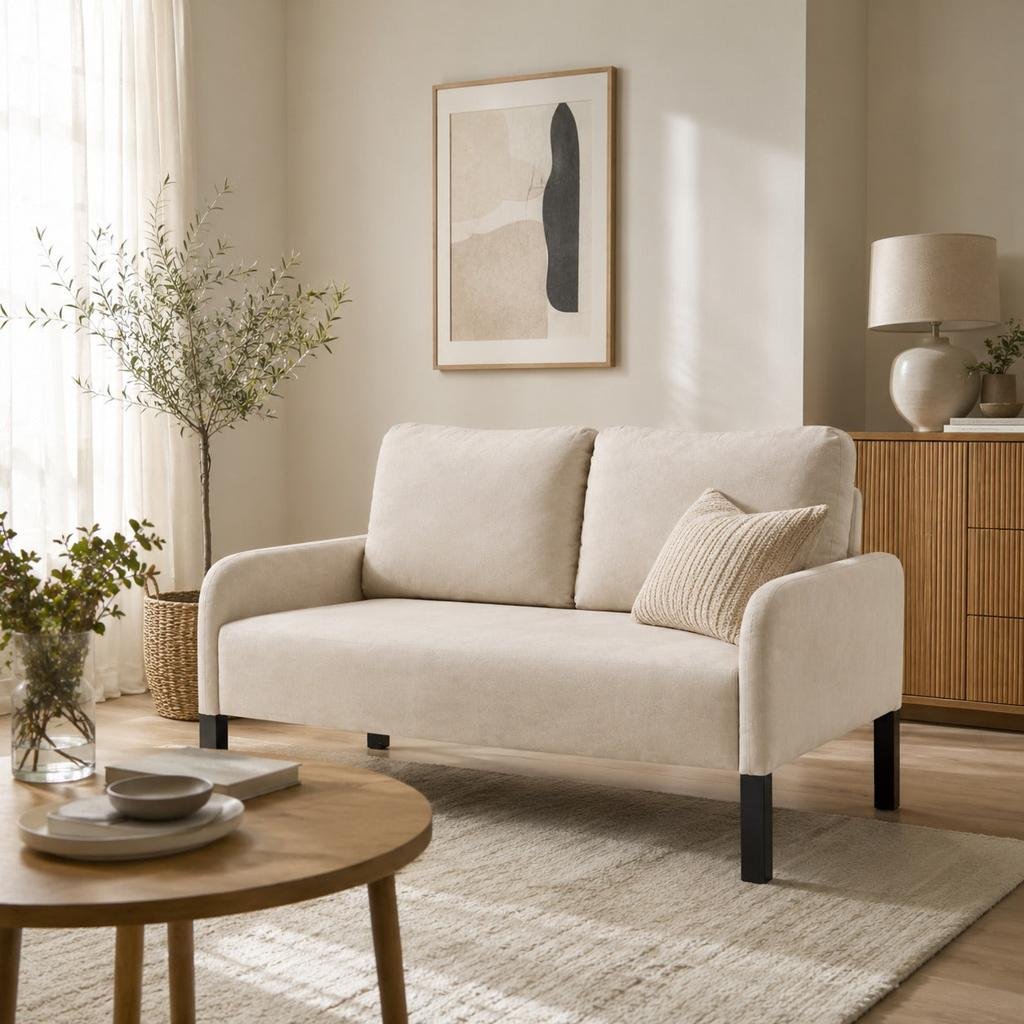
The sofa is usually the biggest piece of furniture in an apartment living room, so choosing the right one can make a huge difference. A bulky sectional with oversized arms and a deep frame might look comfortable in a large house, but in a small apartment, it can swallow valuable floor space and make the entire room feel crowded. A compact sofa with clean lines, slim arms, and raised legs can provide comfortable seating while allowing the room to feel more open.
Start by measuring your available space before shopping. Measure the wall where you want to place the sofa, check the depth of the seating area, and consider how much room you need to walk around it. Remember to measure doorways, stairwells, and elevators too, especially if you’re moving into an apartment building. A beautiful sofa isn’t much help if you can’t get it through the front door.
A two-seater sofa or apartment-sized three-seater can work particularly well in a small living room. Look for designs with narrow arms, exposed legs, and a simple silhouette. These features reduce visual bulk and allow more of the floor to remain visible. If you regularly host guests, consider a compact sleeper sofa that can provide an additional sleeping space without requiring a separate guest bed.
Color matters, too. A sofa in cream, beige, light gray, or muted olive can blend naturally with a small apartment’s palette. However, you don’t have to avoid darker colors. A charcoal or navy sofa can look beautiful when paired with light walls, a bright rug, and good lighting.
Small-space decorating tip: Don’t automatically choose the smallest sofa available. Prioritize comfortable seating and appropriate proportions. A well-sized sofa with a simple shape will usually look better than an undersized piece surrounded by too much furniture.
2. Use Light Colors to Open Up the Room
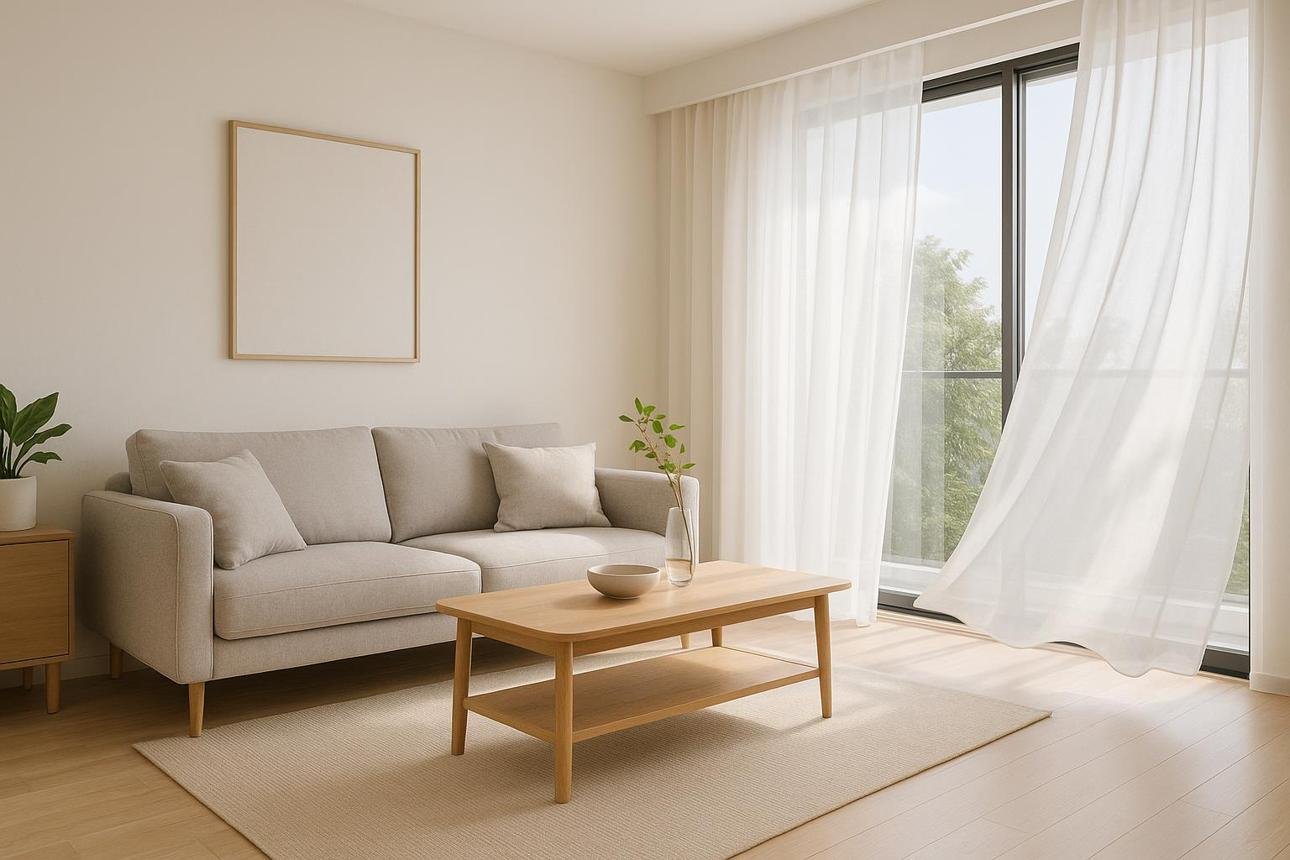
Light colors are a classic solution for making small apartment living rooms feel brighter and more spacious. Soft white, warm cream, pale beige, and gentle greige create a calm background that reflects available light and helps different areas of the room feel connected. When the walls, curtains, and larger furniture pieces share a similar color family, the eye can move around the room without being interrupted by too many strong contrasts.
A warm neutral palette is especially useful in apartments with limited natural light. Rather than choosing a very cold white that can look stark under artificial lighting, consider a creamy shade with a subtle warm undertone. Pair it with pale wood furniture, light upholstery, and simple accessories to create a relaxed modern atmosphere.
You can still introduce personality through color. A muted green cushion, terracotta vase, dusty blue throw, or colorful piece of artwork can add interest without making the room feel busy. The trick is to use accent colors intentionally instead of introducing a completely different shade on every surface.
If you’re renting and cannot repaint, work with the existing wall color. Use curtains, rugs, cushions, and removable decorative elements to establish your preferred palette. Even a rental with basic white walls can feel carefully designed when the furniture and accessories share a consistent color scheme.
Don’t assume that every surface must be pale. A darker coffee table, black floor lamp, or rich wood sideboard can create depth and help a neutral room feel grounded. Contrast is useful when it’s balanced with enough lighter elements.
Small-space decorating tip: Choose one main neutral, one supporting shade, and one or two accent colors. Repeating those colors in different parts of the room helps a small apartment look coordinated rather than cluttered.
3. Add a Large Mirror to Reflect Light
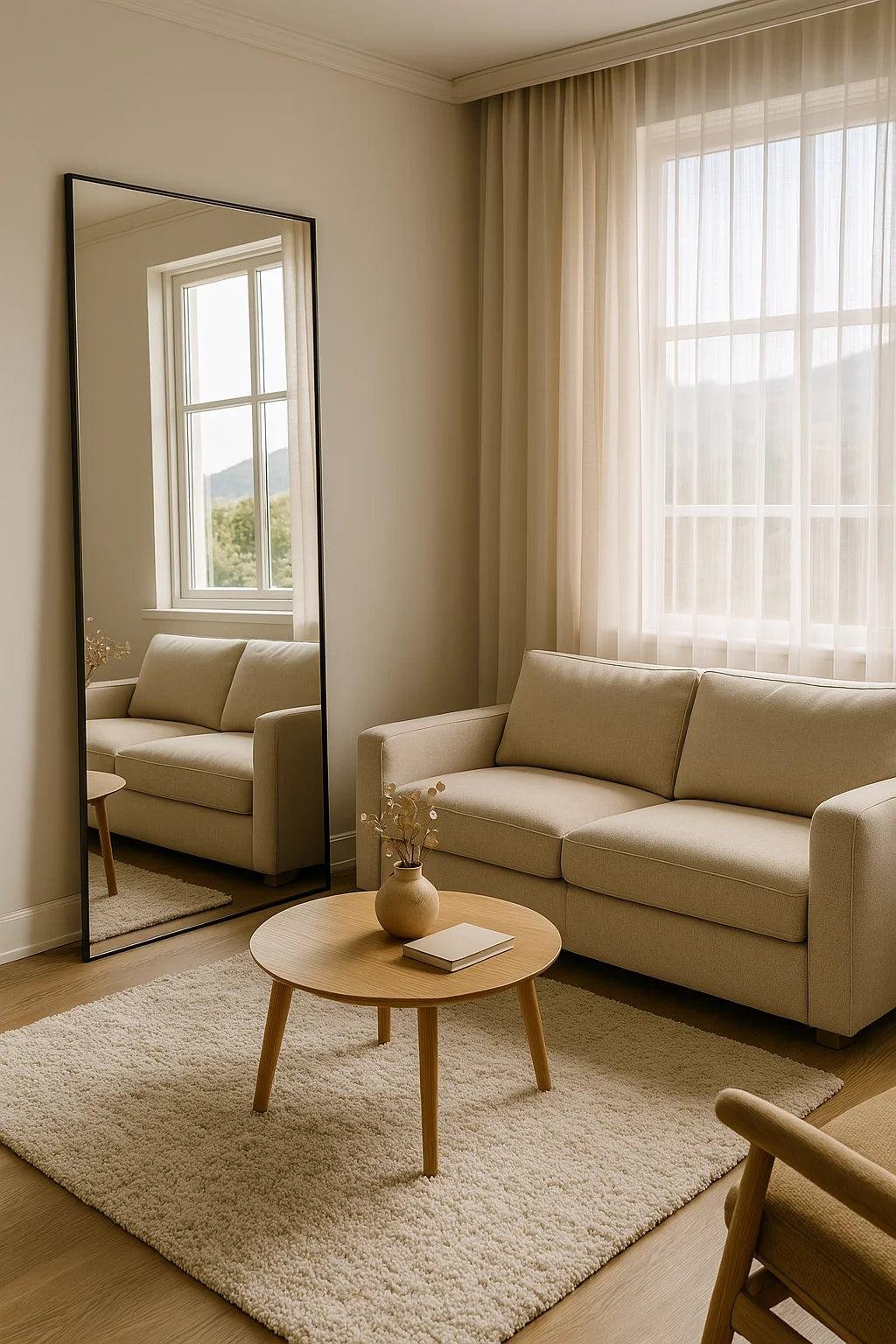
A large mirror is one of the simplest ways to make a small apartment living room feel brighter and more open. Mirrors reflect light and parts of the room, creating an impression of additional visual depth. When placed thoughtfully, they can also turn an otherwise plain wall into an attractive decorative feature.
The best location depends on your apartment’s layout. If you have a window that brings in natural light, try placing a mirror on a nearby wall where it can reflect some of that light into the room. A mirror positioned opposite or adjacent to a window may brighten a darker area, although the effect depends on the window’s direction and the amount of daylight available.
Full-length mirrors can be particularly useful in apartments because they combine decoration with everyday function. A tall mirror leaning against a wall creates a relaxed contemporary look, while a wall-mounted mirror saves floor space. Choose a frame that complements your furniture, whether that’s a slim black frame, natural wood, brushed brass, or a simple frameless design.
Mirrors can also help define a narrow living room. A large rectangular mirror placed above a console table may make the wall feel less enclosed. In a studio apartment, a mirror near the living area can reflect the room’s best features and help the space feel more connected.
Be intentional about what the mirror reflects. A mirror facing a cluttered shelf or an untidy corner will simply duplicate that visual clutter. Position it so that it reflects a window, attractive artwork, a plant, or a pleasant part of the room.
Small-space decorating tip: If you can’t drill into the walls, look for a freestanding mirror with a secure support or a suitable removable mounting solution. Always follow the manufacturer’s safety instructions, particularly in homes with children or pets.
4. Create a Cozy Living Room With Layered Textures
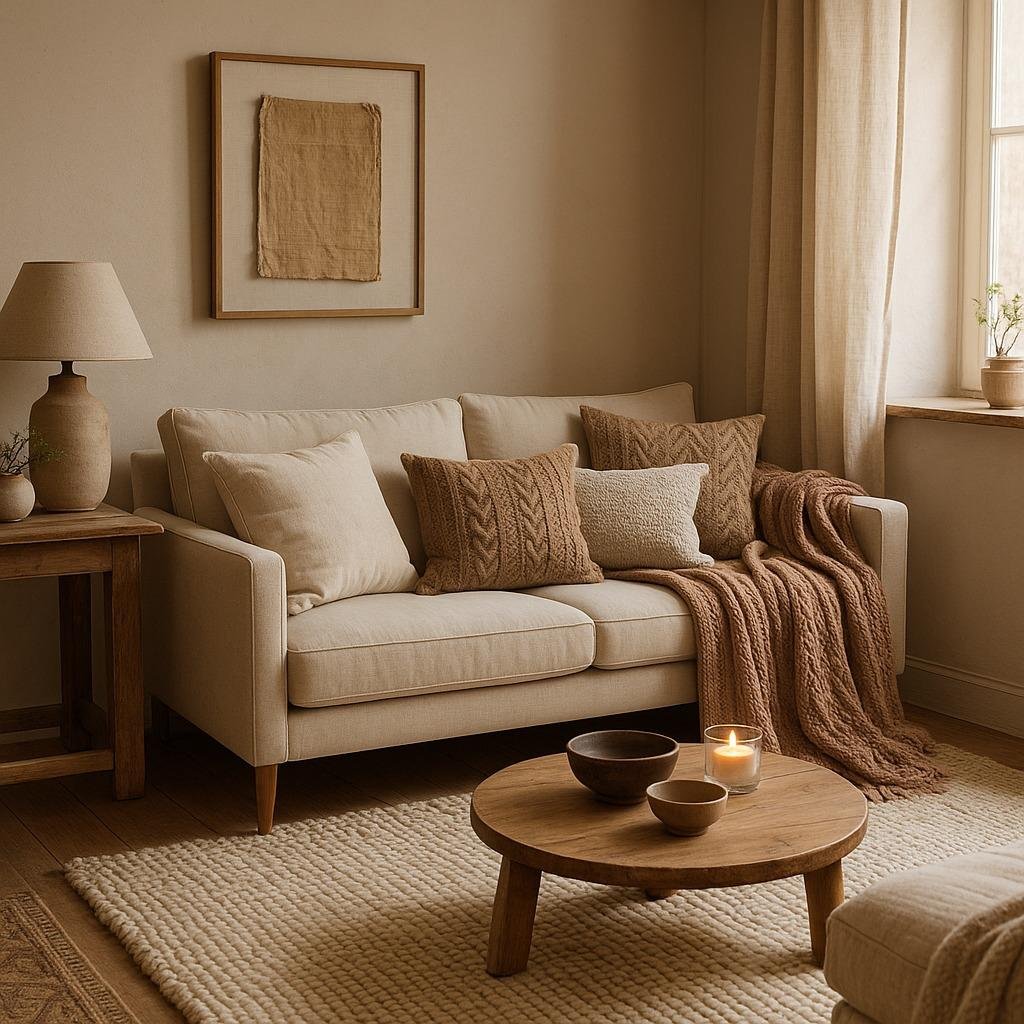
A small apartment can feel stylish and welcoming without being filled with decorative objects. One of the easiest ways to achieve that balance is through texture. Layered fabrics and natural finishes add depth to a room while allowing you to maintain a relatively simple color palette.
Start with the largest surfaces. A soft sofa, a textured area rug, and relaxed curtains can establish the foundation for a comfortable living room. Then introduce smaller details, such as a knitted throw, linen cushion covers, or a woven basket beside the sofa. These materials create visual variation without requiring additional furniture.
Texture is especially useful when your apartment has white walls and neutral furniture. Without variation, a small room can look flat or unfinished. Combining smooth wood, soft upholstery, woven fabrics, and ceramic accessories makes the interior feel more considered.
Think about how textures work together. A boucle cushion can add softness to a smooth cotton sofa, while a wool rug can balance the harder surface of a wooden coffee table. Linen curtains bring a relaxed quality to windows, and a woven storage basket can hide blankets while contributing to the overall look.
The important thing is not to layer so many textiles that the room becomes crowded. In a small apartment, a few thoughtfully chosen pieces are usually enough. Choose fabrics that are easy to clean and appropriate for your lifestyle, especially if you have pets, children, or frequent visitors.
Small-space decorating tip: Keep the colors relatively consistent and let the textures do the decorating. A cream sofa, beige rug, oatmeal cushions, and a natural wood table can feel rich and inviting without overwhelming the room.
5. Make the Most of Vertical Space
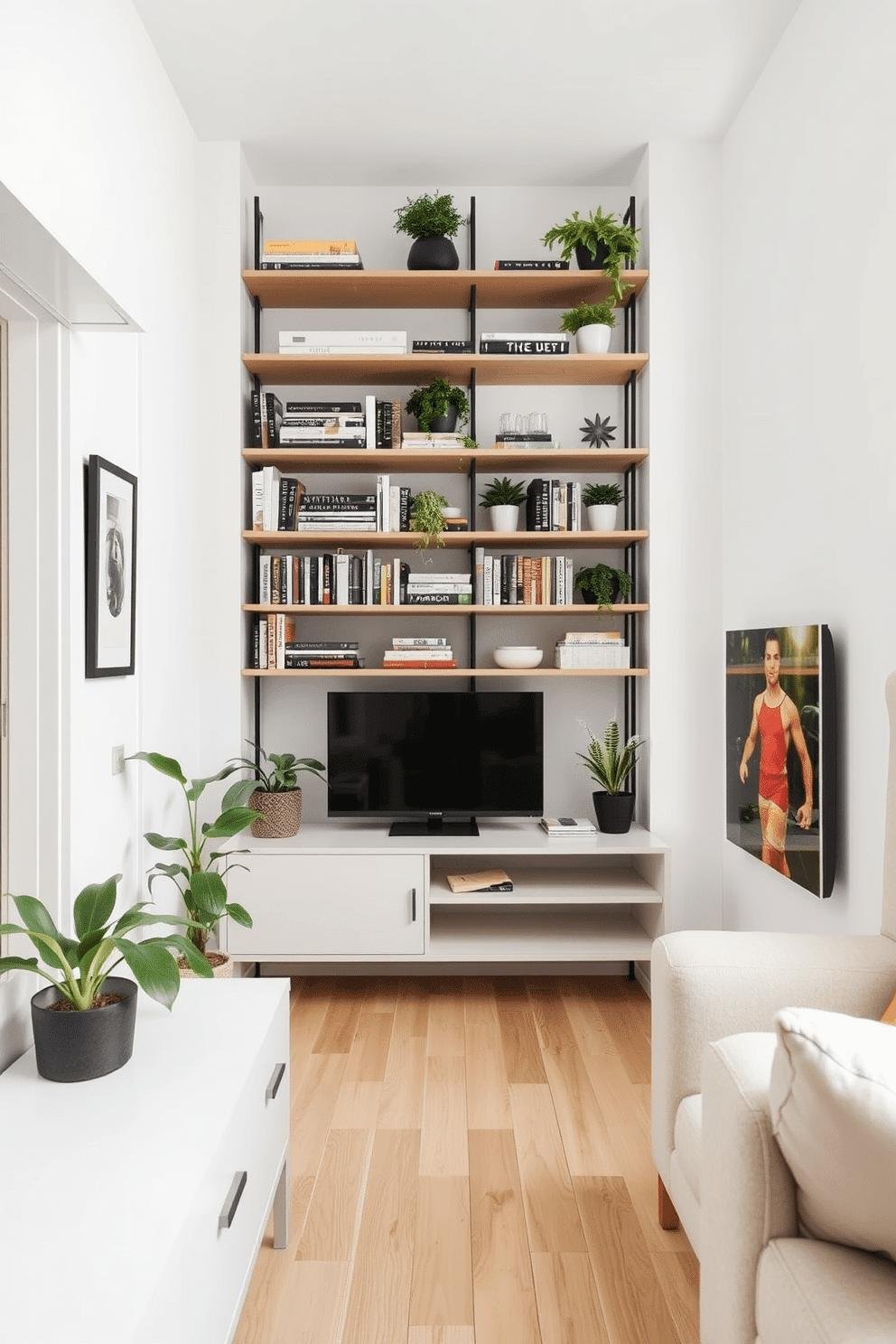
When floor space is limited, the walls become valuable real estate. Making use of vertical space can help you store belongings, display favorite objects, and create a more organized apartment without filling the room with extra furniture.
Tall, narrow bookcases are particularly useful in small living rooms. They can hold books, decorative accessories, baskets, and small storage boxes while occupying less floor space than a wide cabinet. Choose a design that suits the height of the room and leave enough clearance around doors, windows, and ceiling fixtures.
Floating shelves are another practical option. Install them above a desk, beside a sofa, or along an otherwise empty wall to display books, framed photographs, and small plants. Because they don’t require floor space, they can be useful in apartments where every square foot matters.
However, open shelving needs a little restraint. Too many small objects can make a compact room feel visually crowded. Instead, group items by color or material, vary their heights, and leave some empty space between arrangements. Use attractive baskets or storage boxes for smaller items that don’t need to be displayed.
Vertical storage can also include wall-mounted lighting, hooks, and slim cabinets. A wall-mounted lamp beside the sofa frees up space on a side table, while hooks near the entryway can keep bags and jackets organized.
Before installing shelves or heavy storage, check your lease and the building’s rules. Use appropriate anchors and mounting hardware for the wall type and the weight of the items being stored.
Small-space decorating tip: Look upward before buying another cabinet. A well-planned vertical storage solution may provide the extra capacity you need without making the room feel smaller.
6. Choose Multifunctional Furniture
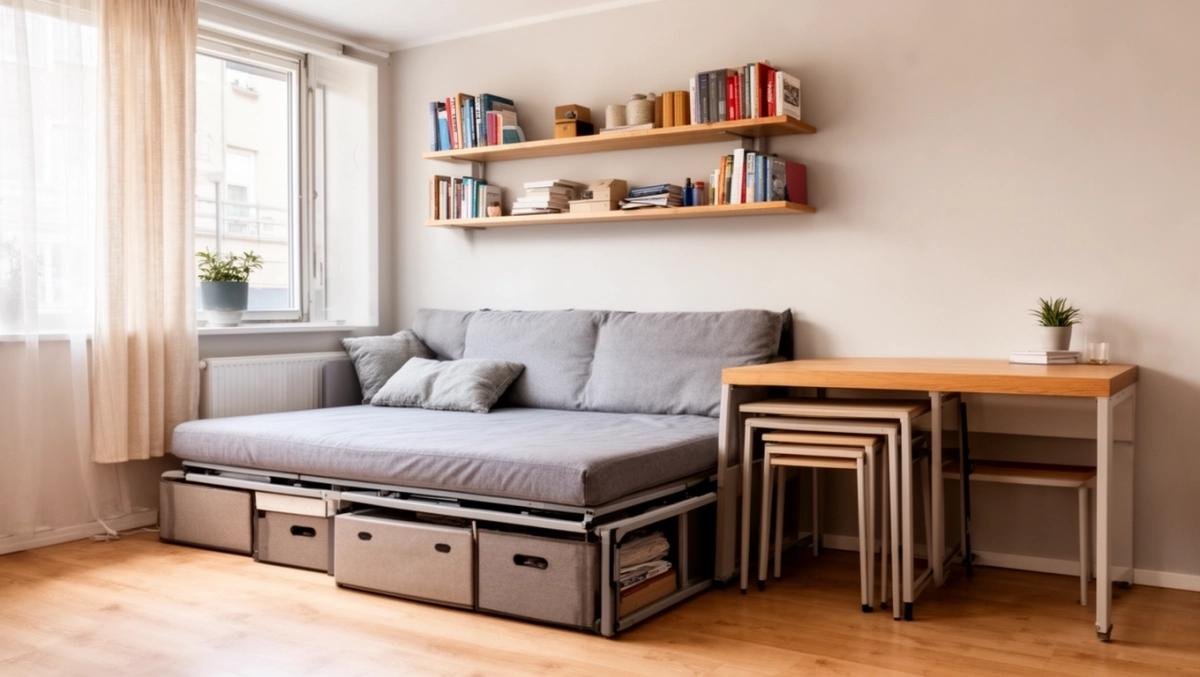
Multifunctional furniture is a practical solution when your apartment living room needs to serve several purposes. Instead of filling the room with separate pieces for seating, storage, dining, and sleeping, choose furniture that can perform more than one job. This approach saves floor space while making your home more flexible.
A storage ottoman is a great example. It can serve as a footrest, an extra seat, and a place to store blankets, games, or remote controls. If you choose one with a firm, flat top, it can also work as a casual coffee table when paired with a tray. In a compact apartment, that kind of flexibility can be more useful than a large traditional coffee table.
Nesting tables are another smart choice. They provide additional surfaces when guests arrive but can be stacked together when you need more room. A drop-leaf or extendable dining table can serve as a compact work surface during the week and expand for meals or entertaining.
If your living room doubles as a guest room, consider a sofa bed or a daybed with storage. Modern sleeper sofas come in a variety of styles, allowing you to prioritize comfort and appearance without sacrificing practicality. Measure the room carefully, including the space required when the bed is opened.
Furniture that can move easily is also valuable. Lightweight side tables, small stools, and chairs that can be relocated allow you to adjust the room for different occasions. Rather than permanently dedicating every corner to one activity, you can change the arrangement as your needs evolve.
Small-space decorating tip: Before purchasing a multifunctional piece, make sure each function is genuinely useful to you. A storage ottoman is helpful if you need hidden storage, but an overly complicated furniture item may not be worth the extra cost if you rarely use its additional features.
7. Create an Open and Airy Furniture Layout
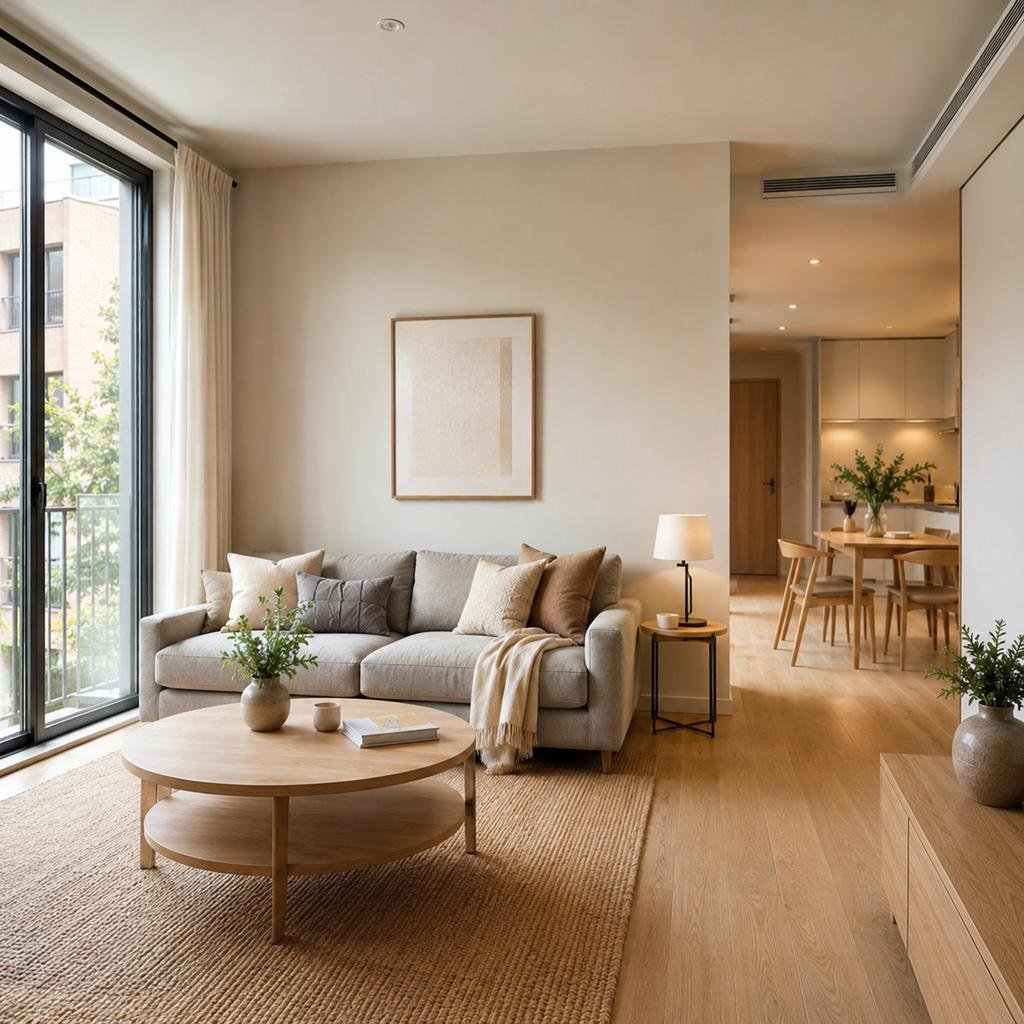
A thoughtful furniture layout can make a small apartment feel considerably more comfortable. The goal is to create clear pathways, establish a natural seating area, and avoid placing so many objects in the room that movement becomes difficult. Even a modest living room can feel inviting when its furniture is arranged with intention.
Start by identifying the main walking routes. You should be able to enter the room, reach the sofa, and move toward the kitchen or hallway without navigating around unnecessary obstacles. Avoid placing large furniture directly in front of doors or using a coffee table that leaves too little room between the sofa and surrounding furniture.
Don’t assume every piece of furniture must sit against a wall. In some layouts, pulling a sofa slightly away from the wall can create a more defined seating area. In a studio apartment, the back of the sofa can even help separate the living space from the sleeping area or dining zone.
Choose furniture with an appropriate visual weight. Pieces with raised legs, open frames, or glass surfaces allow more of the floor to remain visible. This can help the room feel less crowded than a collection of solid, floor-to-ceiling furniture.
If the living room is unusually narrow, consider placing the sofa along the longest wall and using a small round coffee table. Rounded edges can make movement around the furniture easier, particularly when the walking path is tight. Keep side tables compact and avoid adding chairs that block access to the main seating area.
Small-space decorating tip: Sketch the room or use painter’s tape to mark furniture dimensions on the floor before moving heavy pieces. Testing the layout first can save time and help you identify potential problems with doorways and walking paths.
8. Use a Large Area Rug to Define the Space
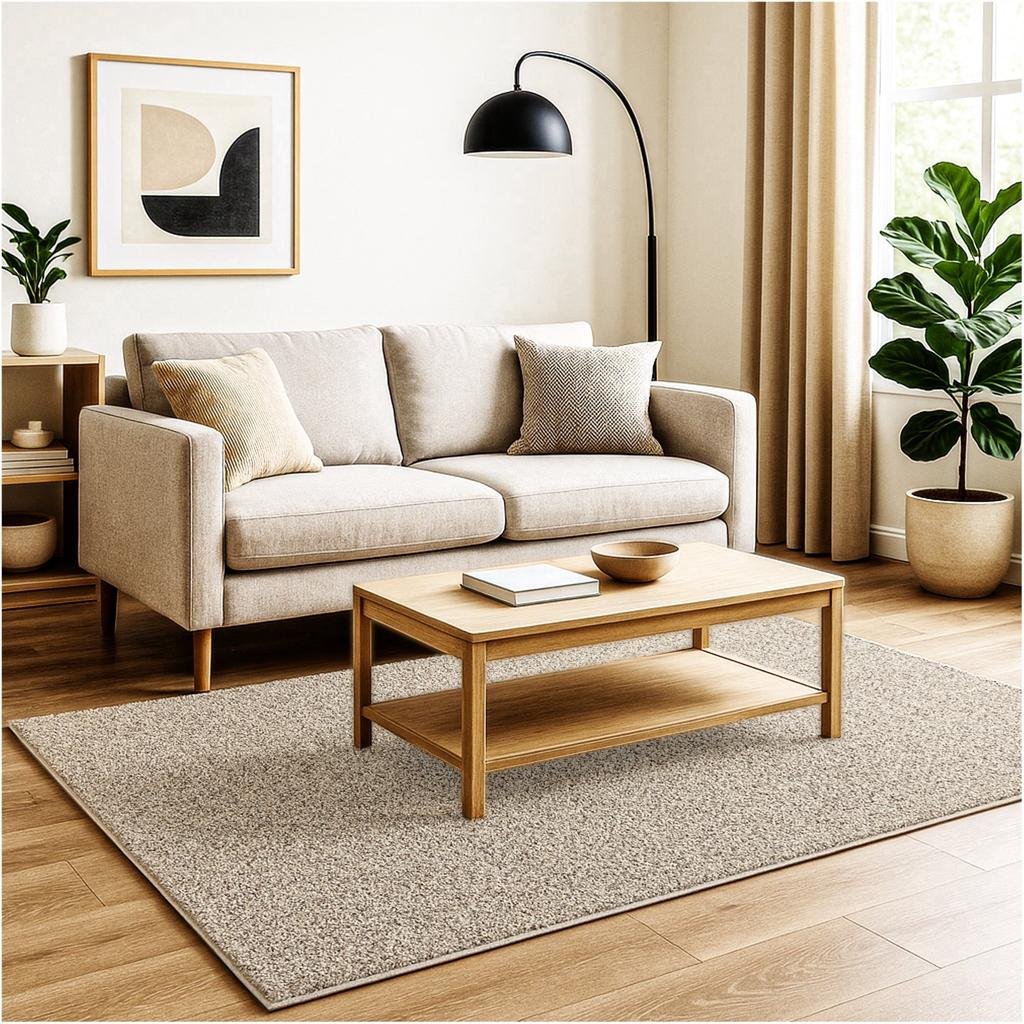
A well-chosen area rug can make a small apartment living room feel more complete. It creates a visual boundary around the seating arrangement, adds warmth underfoot, and helps connect furniture that might otherwise look like separate pieces scattered around the room.
One common mistake is choosing a rug that’s too small. A tiny rug placed directly beneath a coffee table can make the seating area feel disconnected. Whenever possible, select a rug large enough for at least the front legs of the sofa and accent chairs to rest on it. This creates a more unified arrangement.
In a compact living room, a light-colored rug with a subtle pattern can provide texture without making the floor feel visually busy. Cream, beige, pale gray, and natural woven tones are versatile options. If you have pets or expect frequent spills, consider a washable or stain-resistant rug in a pattern that helps disguise everyday marks.
Rugs can also help define different zones in an open-plan apartment. A rug beneath the sofa and coffee table establishes the living area, while a separate rug beneath the dining table can distinguish the dining zone. Keep the colors or textures related so that the spaces feel connected rather than divided.
Consider the material and pile height, too. A low-pile rug is generally easier to clean and allows furniture to sit more steadily. A thicker rug may feel cozier but can be less practical around dining chairs or high-traffic areas.
Small-space decorating tip: Measure your seating arrangement before buying the rug. A well-proportioned rug can make a compact living room feel intentionally designed, while a poorly sized one can make the furniture appear disconnected.
9. Add Stylish Lighting in Layers
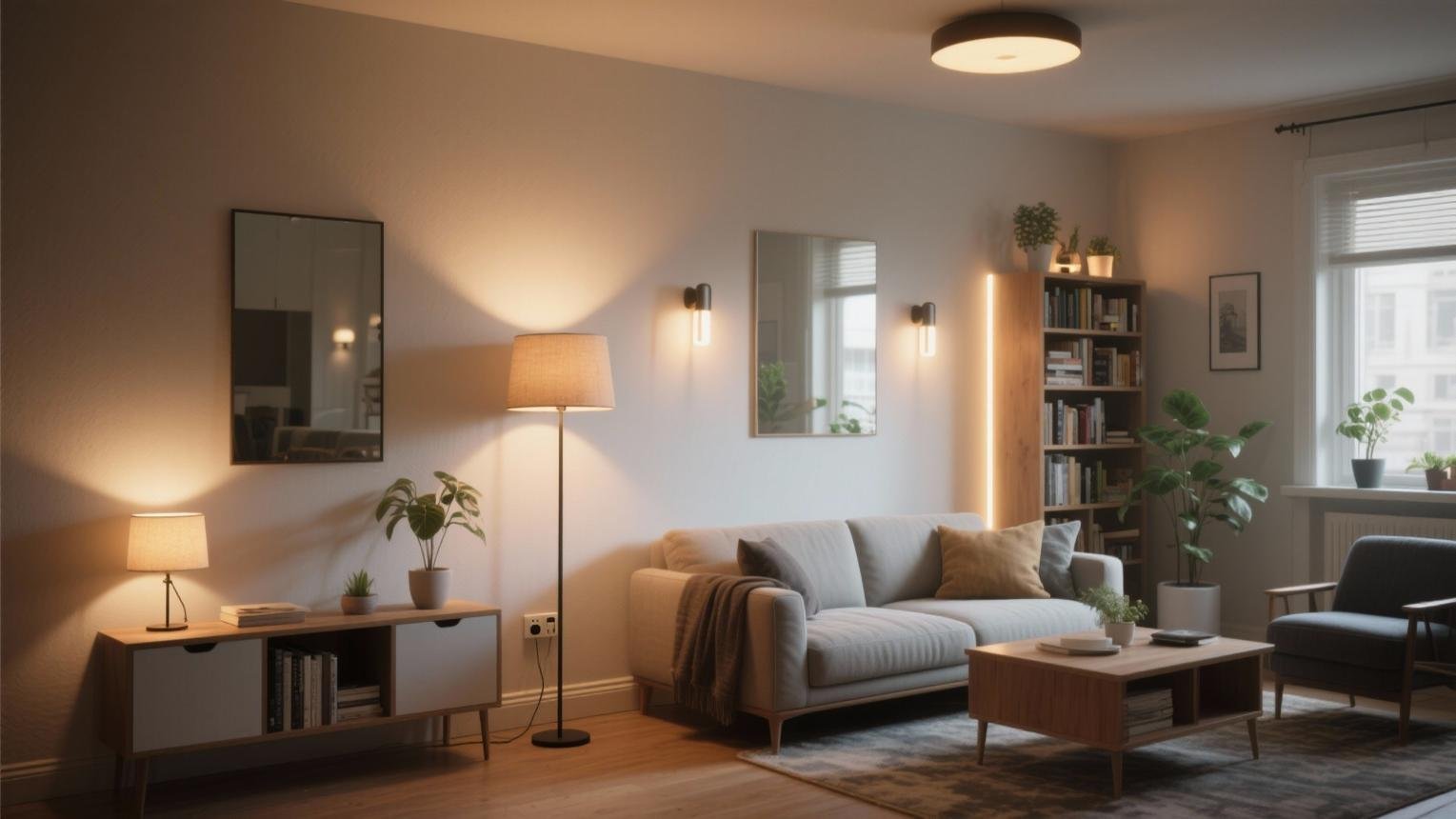
Lighting can make a small apartment living room feel bright during the day and cozy in the evening. Relying on a single ceiling light often creates flat illumination and harsh shadows, especially in rooms with limited natural light. Layering different lighting sources gives you greater control over the atmosphere and makes the space more functional.
Start with ambient lighting, which provides general illumination. Depending on your apartment, this might come from a ceiling fixture, recessed lights, or a suitable flush-mount lamp. If you’re renting and can’t change the existing fixture, you can still improve the room with additional lamps.
A floor lamp beside the sofa can provide useful reading light without requiring a table. A slim table lamp on a console or side table adds a softer glow, while wall-mounted lighting can free up valuable surface space. Choose fixtures that complement the room’s proportions rather than oversized designs that dominate the entire area.
Accent lighting can highlight artwork, shelving, or a decorative corner. A small lamp on a bookshelf, for example, can make the room feel more layered in the evening. If you have a desk in the living room, a dedicated task lamp can help separate work lighting from the softer light used for relaxing.
Bulb color also matters. Warm-toned lighting is often comfortable for living rooms, particularly in the evening, while brighter, cooler lighting may be more appropriate for focused tasks. Dimmable bulbs or compatible dimmer switches can offer additional flexibility, provided they work with your fixtures.
Small-space decorating tip: Combine one overhead light, one floor or table lamp, and one smaller accent light. This simple arrangement can make a modest living room feel more inviting without adding furniture or taking up much space.
10. Decorate With Oversized Wall Art
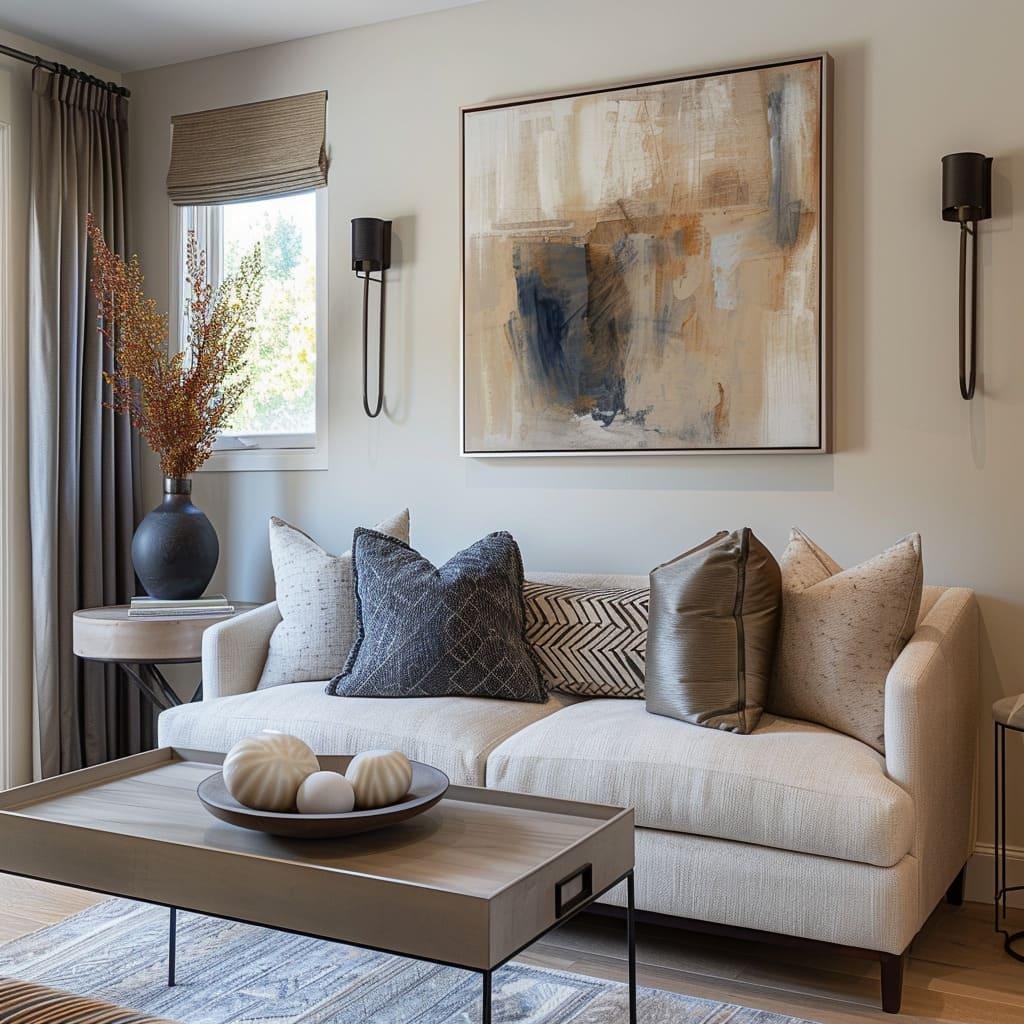
Oversized artwork can make a small apartment living room feel polished and visually interesting without requiring a lot of decorative objects. Instead of filling every wall with small frames, choose one larger painting, photograph, or abstract print to create a clear focal point.
A large piece of art above the sofa can anchor the seating area and help the furniture feel connected to the wall. Choose artwork that complements your existing colors rather than trying to match every cushion or accessory exactly. A contemporary abstract print with warm beige, rust, or muted blue tones can add personality to a neutral living room.
Scale is important. Artwork should relate to the width of the furniture beneath it. A very small frame above a large sofa may look disconnected, while a piece that’s too large can overwhelm the wall. Before hanging anything, measure the available wall area and consider the height of the sofa and ceiling.
If you prefer a more personal look, create a small gallery wall with photographs, illustrations, or prints. Use consistent frames or a coordinated color palette to make the arrangement feel intentional. In a small apartment, a compact gallery wall often works better than spreading numerous small frames across every wall.
Renters can use suitable removable picture-hanging products when permitted and when the artwork’s weight is within the product’s limits. For heavier pieces, use an appropriate secure mounting method and follow the lease requirements.
Small-space decorating tip: Let your artwork do some of the decorating. A striking piece can reduce the need for extra accessories, keeping the room visually interesting without adding clutter.
11. Try a Modern Neutral Apartment Living Room
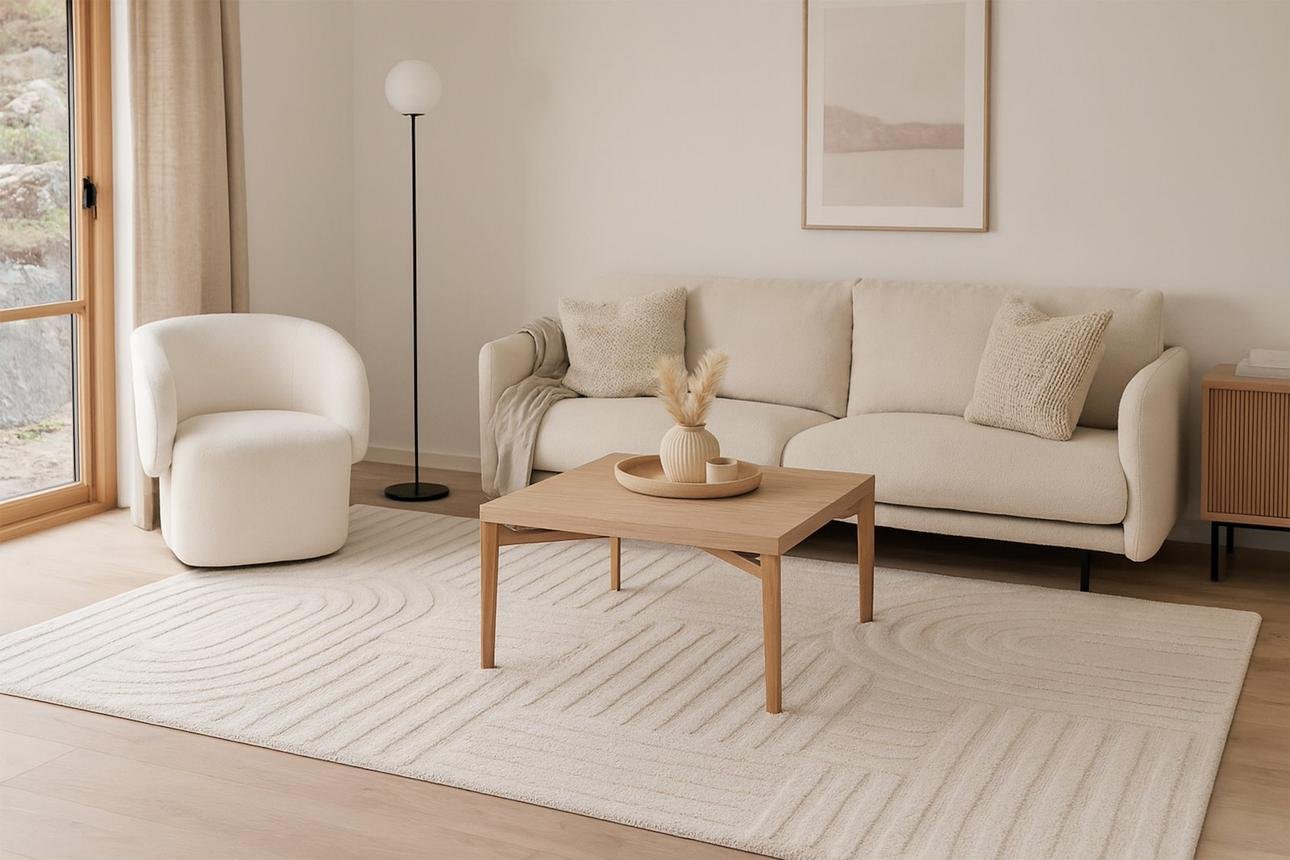
A modern neutral living room is an excellent choice for a small apartment because it creates a calm, coordinated background that can adapt to changing tastes. Cream, beige, warm white, taupe, and light wood tones work together to make the space feel connected, particularly when the living room shares an open floor plan with the kitchen or dining area.
Begin with the largest elements, such as the sofa, walls, and rug. Choose colors that complement one another rather than using exactly the same shade everywhere. A cream sofa against warm white walls, for example, can look beautiful when paired with a beige rug and a light oak coffee table. The subtle differences prevent the room from feeling flat.
Add contrast through smaller details. A black floor lamp, walnut side table, or dark-framed artwork can give the room definition. If you prefer a softer look, introduce muted olive, dusty blue, or terracotta through cushions and decorative accessories.
Natural materials are especially effective in neutral apartments. Linen curtains, woven baskets, ceramic vases, and wooden furniture create texture while maintaining the overall simplicity of the design. This combination can make a small room feel sophisticated without requiring expensive furnishings.
The best part about a neutral foundation is that it can evolve over time. You can change the accent colors, swap cushion covers, or introduce new artwork without needing to replace the sofa or repaint the walls. This makes neutral decorating particularly practical for renters and anyone who enjoys refreshing their home seasonally.
Small-space decorating tip: Use a consistent palette throughout connected areas, but vary the materials and accent colors slightly. This creates a cohesive apartment without making every corner look exactly the same.
12. Bring Nature Indoors With Houseplants
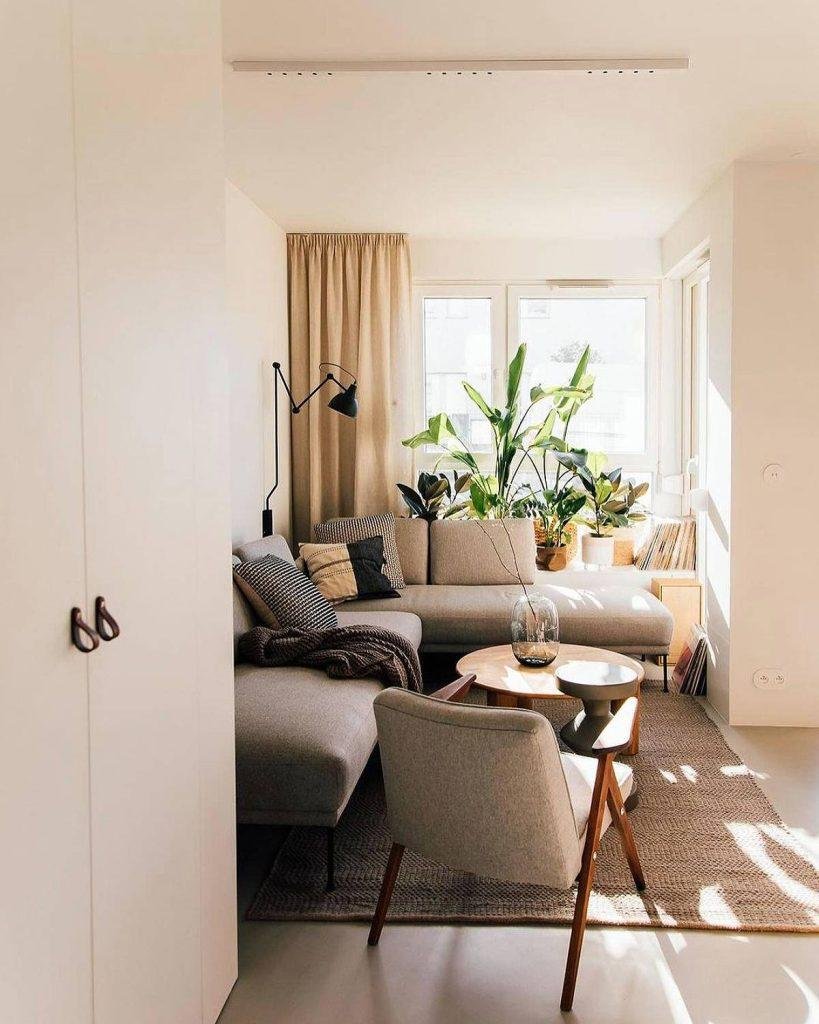
Houseplants can add life, color, and a sense of natural warmth to a small apartment living room. Their organic shapes provide a beautiful contrast to straight-lined furniture, simple walls, and contemporary finishes. Even one well-placed plant can make a compact space feel more welcoming.
If you have a bright window, consider a plant that suits the available light and the conditions in your apartment. A tall indoor plant can fill an empty corner, while smaller plants can sit on a side table, bookshelf, or windowsill. Choose plants based on the actual light levels and care requirements rather than buying one simply because it looks attractive in a photograph.
In a small living room, placement matters. A tall plant beside the sofa can soften an otherwise empty corner, while a small tabletop plant adds color without requiring additional floor space. Hanging planters may be useful where floor space is limited, provided they’re securely installed and suitable for your rental.
Planters can contribute to the overall design, too. Ceramic pots, simple terracotta containers, and woven baskets can complement modern neutral furniture and natural materials. Repeating a few similar planter finishes helps create a coordinated look without making the room feel overly styled.
If you have pets or young children, check whether a plant is safe for them before bringing it home. Some popular houseplants can be harmful if chewed or ingested. Artificial plants may be an alternative if your apartment has very little natural light or you prefer low-maintenance decorating.
Small-space decorating tip: Start with one medium or large plant and one smaller plant. This creates a natural focal point and a little variation without turning your apartment into a crowded indoor garden.
13. Create a Small Apartment Living Room With a TV
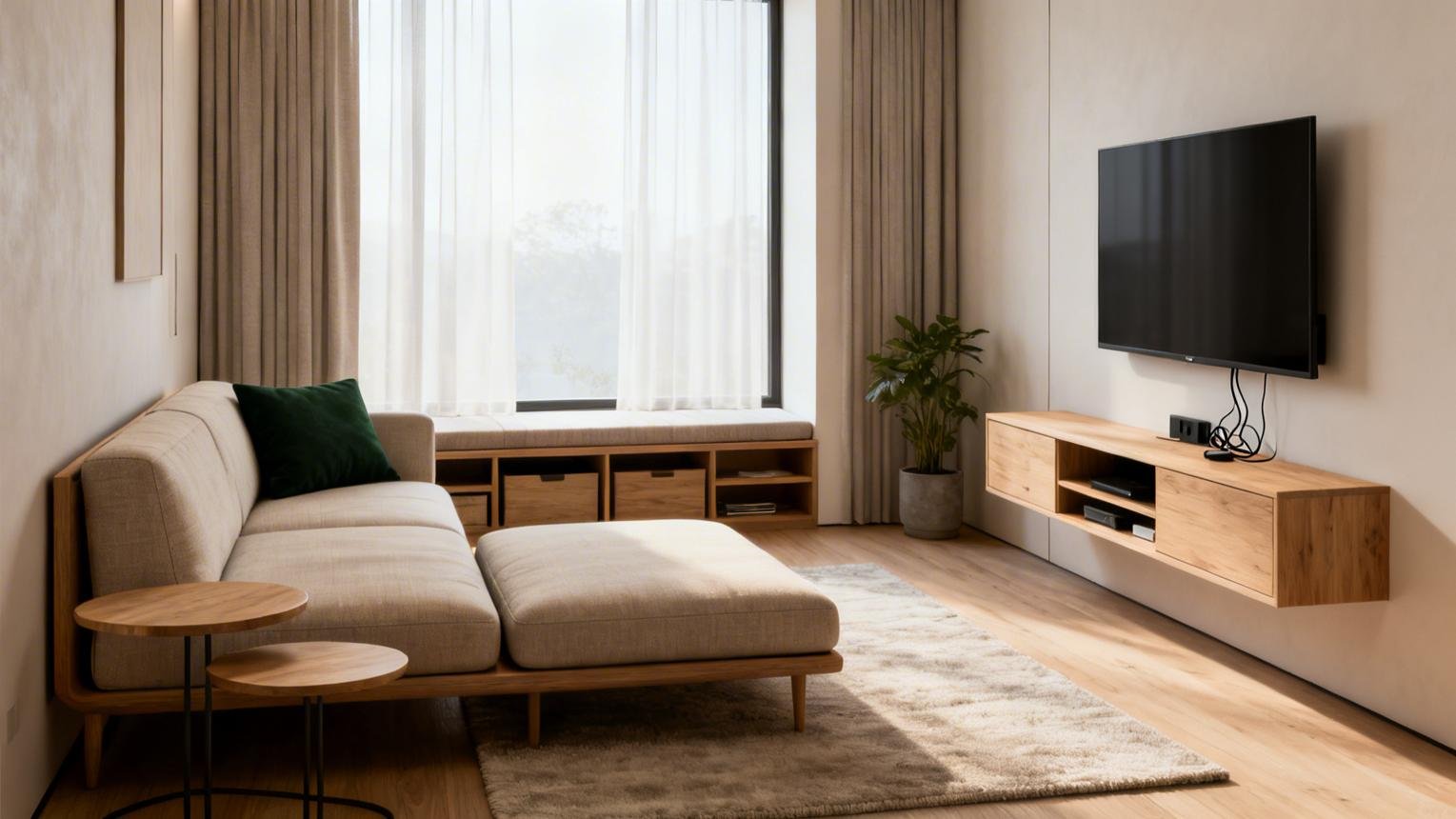
A television can be part of a stylish small apartment living room without dominating the entire design. The key is to create a practical viewing arrangement while keeping the surrounding furniture and accessories relatively simple. With a little planning, the TV area can feel like a natural part of the room rather than a bulky entertainment setup.
Wall-mounting a television may free up surface space, provided the wall and mounting hardware are suitable for the installation. Before drilling, check your lease and building rules. If wall mounting isn’t allowed, a slim media console can provide a practical alternative while offering storage for electronics, remotes, and accessories.
Choose a console that suits the width of the television and the room. A long, low unit can help establish a clean horizontal line, while a narrow design may work better in a compact apartment. Avoid oversized entertainment centers that consume a large portion of the living room unless you genuinely need the additional storage.
Cable management is another important detail. Visible wires can make even a carefully decorated room feel cluttered. Use appropriate cable covers, cable clips, or a media unit with built-in cable management. In rentals, select removable solutions that won’t damage walls or violate the lease.
Arrange the sofa at a comfortable viewing distance based on your television’s size and the manufacturer’s recommendations. Make sure the screen doesn’t block windows or become the only focal point in the room. Artwork, plants, and coordinated lighting can help the rest of the space feel equally considered.
Small-space decorating tip: Choose a media console with closed storage. It can hide remotes, gaming accessories, and cables, keeping the TV area organized while maintaining a clean modern appearance.
14. Add a Small Dining or Work Area
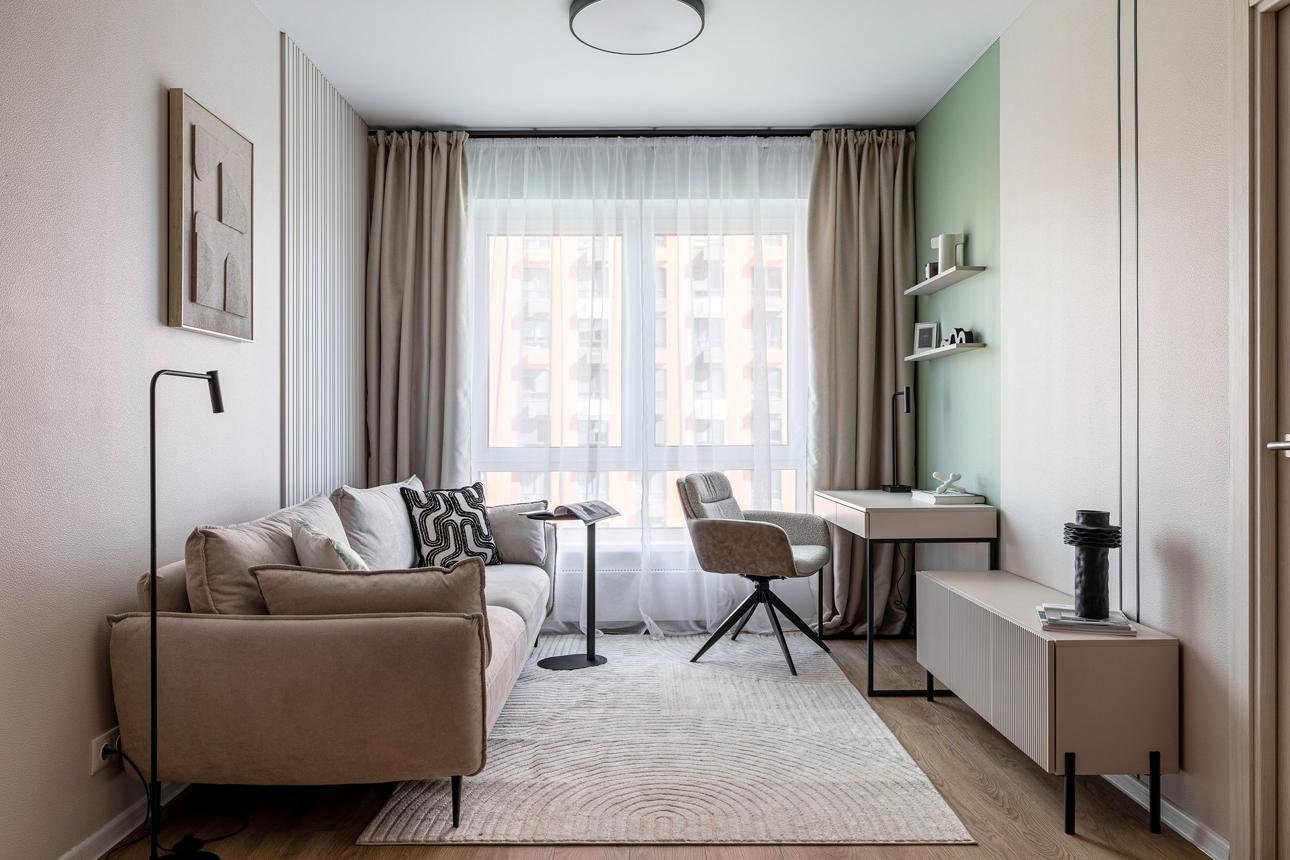
In many apartments, the living room has to accommodate more than just relaxing and entertaining. You might need a place to eat, work, study, or handle everyday tasks. Creating a small dining or work area within the living room can make the apartment more functional without requiring an additional room.
Start by identifying an underused corner or wall. A compact desk near a window can provide a pleasant work area, while a narrow dining table against a wall can serve as a place for meals and laptop work. Choose furniture that fits the available space and doesn’t block the main walking paths.
A round dining table can be particularly useful in a small apartment because it has no sharp corners and can make movement around the seating area easier. If space is extremely limited, consider a drop-leaf table that folds down when not in use or a wall-mounted desk with a compact chair.
Visual separation helps the different functions feel organized. A small rug beneath the living room seating area, a desk lamp at the workstation, or a pendant above the dining table can establish distinct zones. You don’t need a physical divider to make each area feel purposeful.
Storage is important when combining work and relaxation. Choose a desk with drawers or a small cabinet where you can put away office supplies at the end of the day. If you work from the dining table, use a portable storage box or organizer to keep your laptop accessories together.
Small-space decorating tip: Choose furniture that can serve different purposes throughout the day. A compact dining table can double as a workspace, while an upholstered bench can provide extra seating and storage.
15. Use Curtains to Make the Room Feel Taller
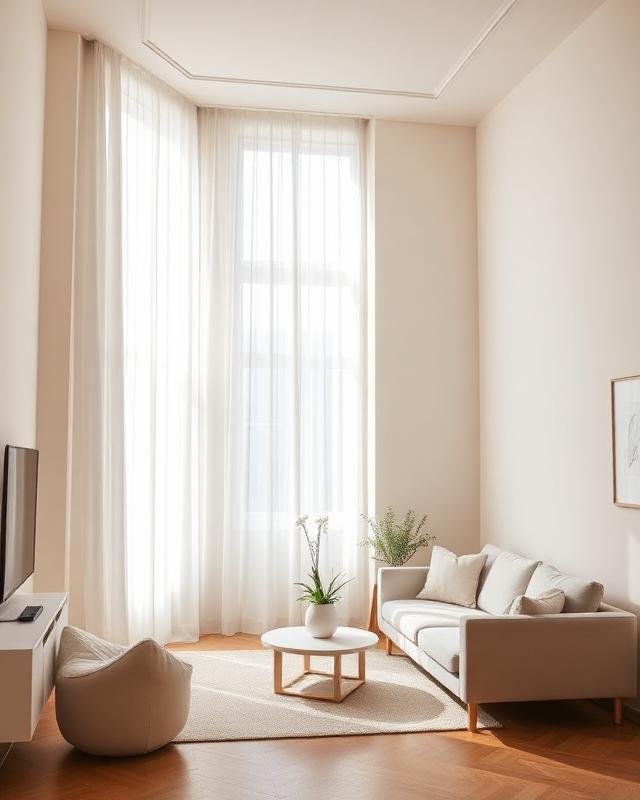
Curtains can have a surprisingly strong effect on how large or small an apartment living room feels. The right window treatment softens the space, provides privacy, and can make the ceiling appear taller. In a small apartment, these details are especially useful because they improve the room’s appearance without taking up much floor space.
One effective approach is to hang curtains higher than the top of the window frame, provided the wall and window arrangement allow it. Positioning the curtain rod closer to the ceiling and choosing floor-length panels creates a longer vertical line that draws the eye upward.
Choose fabric that suits the room’s lighting and privacy needs. Sheer curtains can allow daylight to filter into the living room while providing some privacy during the day. Linen or linen-look panels offer a relaxed modern appearance, while lined curtains may be more appropriate if you need greater light control.
Color can help create a cohesive look. Curtains that are similar to the wall color tend to blend into the background, making the room feel less visually interrupted. If you want more contrast, choose a slightly darker neutral or a muted accent shade that connects with your sofa cushions or rug.
Avoid curtains that are too short or excessively heavy for the space. Panels that stop awkwardly above the floor can make the window area feel unfinished, while very bulky fabric may overwhelm a narrow room. Make sure the curtain rod and fixings are appropriate for the wall and the weight of the curtains.
Small-space decorating tip: Choose simple, floor-length curtains in a light or coordinated color. They can make an apartment living room feel taller and more polished without requiring expensive renovations.
16. Introduce Curved Furniture and Rounded Shapes
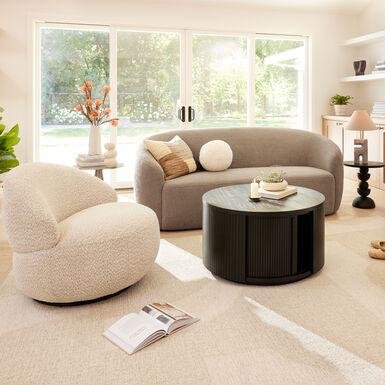
Curved furniture can make a small apartment living room feel softer, more inviting, and visually interesting. Compact spaces often contain many straight lines, from rectangular windows and doorways to sofas, shelves, and media consoles. Introducing rounded shapes creates contrast and helps the room feel less rigid.
A round coffee table is an easy place to start. It can be particularly useful in a tight seating area because its curved edges make it easier to move around. Choose a table with a relatively small footprint, and consider a nesting design if you occasionally need additional surface space.
A rounded accent chair or compact curved loveseat can also introduce a sculptural element. These pieces work especially well when the rest of the room has simple furniture and a restrained color palette. However, check the actual dimensions carefully, because some curved sofas have deep seats or wide profiles that may not suit a small apartment.
You can incorporate curves without buying new furniture. An arched mirror, round wall art, a circular wall clock, or a sculptural ceramic vase can create a similar effect. These smaller details are especially useful for renters who want to refresh their space without making major purchases.
Balance is important. Too many rounded pieces can make the room feel overly themed, while one or two well-chosen shapes can create a subtle modern look. Combine curves with clean-lined furniture, natural materials, and simple lighting to maintain a sense of structure.
Small-space decorating tip: If you only make one change, try replacing a bulky rectangular coffee table with a round or oval alternative. It can improve movement around the seating area while introducing a softer shape.
17. Make a Rental Living Room Feel Personal
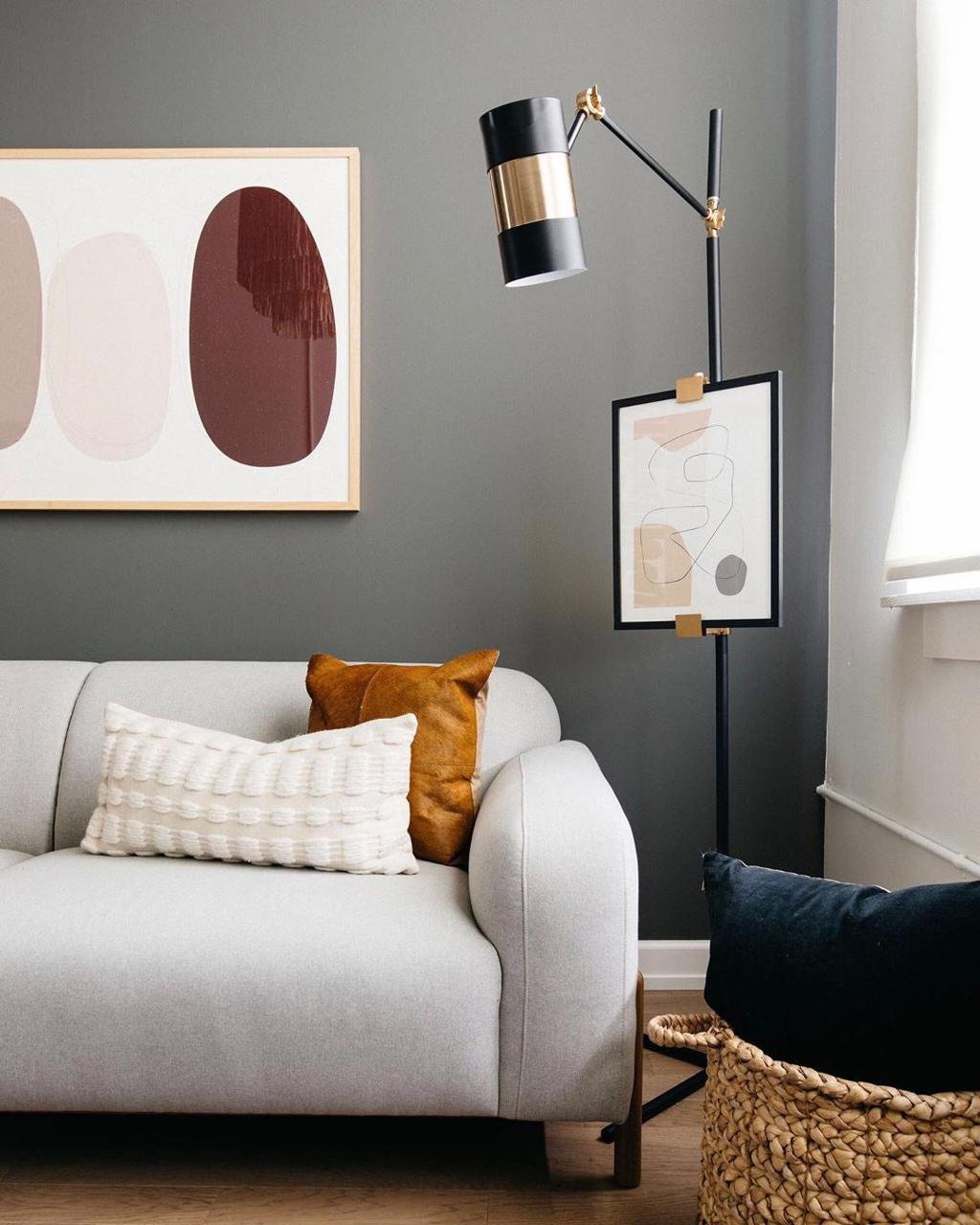
Decorating a rental apartment can feel challenging when you’re limited by rules about painting, drilling, flooring, or replacing fixtures. But a rental living room can still look beautiful and personal. The trick is to focus on changes that are removable, portable, and easy to take with you when you move.
Start with furniture and textiles because these have a significant impact on the room’s appearance without changing the apartment itself. A comfortable sofa, a well-sized rug, floor-length curtains, and coordinated cushions can transform a basic rental living room. Choose pieces you love and can reuse in future homes.
Removable wallpaper or temporary wall decals may be an option if permitted by your lease and suitable for the wall finish. These can add color or pattern to a feature wall without permanent changes, although it’s important to test the product in an inconspicuous area and follow the manufacturer’s removal instructions.
Artwork can be displayed using approved hanging systems, picture rails where available, or secure leaning arrangements. A large framed print placed on a console or against a wall can create a relaxed, contemporary appearance without requiring holes. Make sure any leaning artwork is stable and positioned where it won’t be easily knocked over.
Lighting and accessories are also easy ways to personalize a rental. A statement floor lamp, table lamps, decorative cushions, and plants can introduce warmth and character. If the existing light fixture isn’t your style, consider whether plug-in lighting can provide the atmosphere you want without changing the electrical installation.
Small-space decorating tip: Before making changes, review your rental agreement and ask the landlord when necessary. Focus on reversible improvements that protect the property and allow you to take your favorite pieces with you.
18. Use Smart Storage to Reduce Clutter
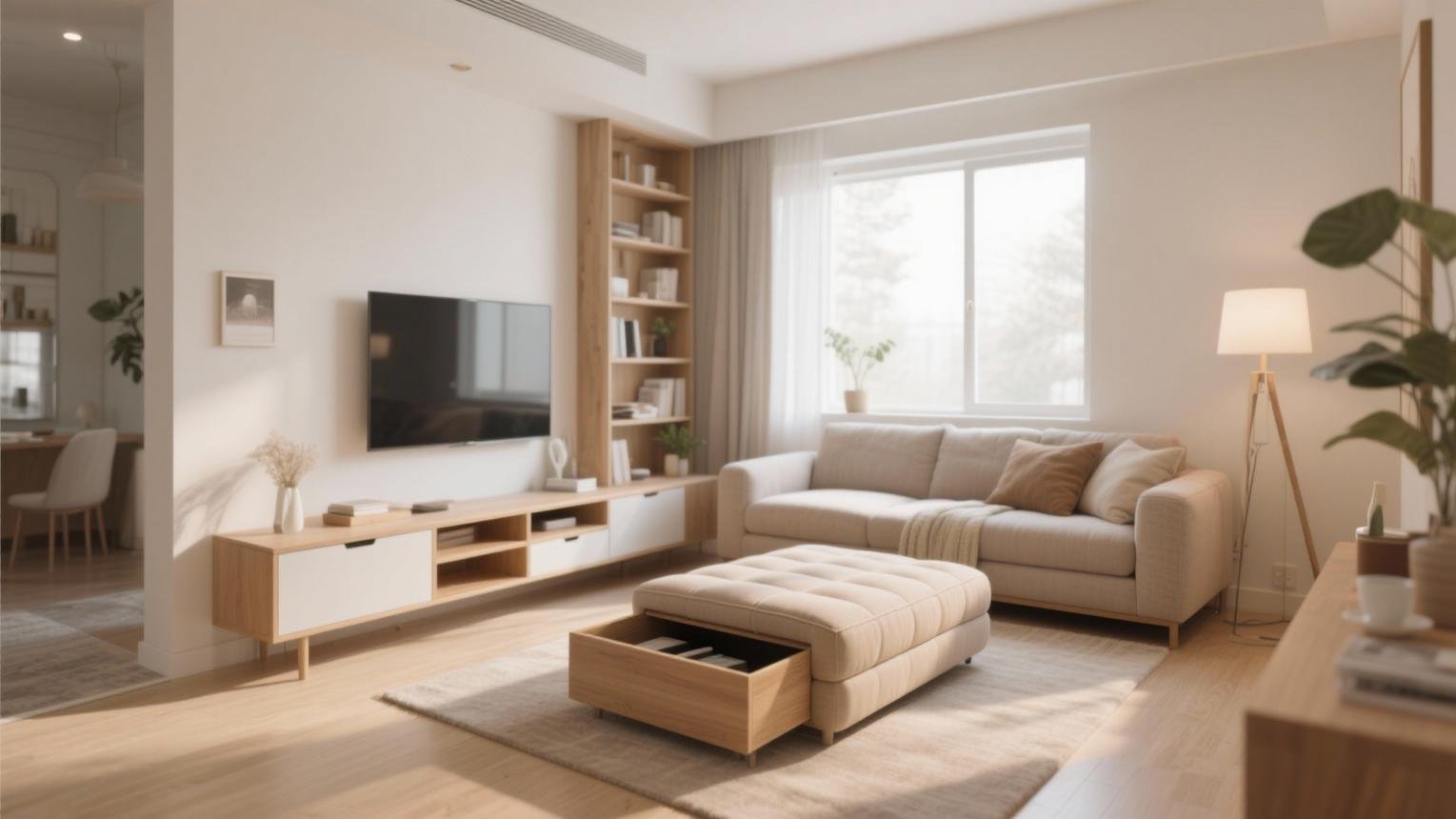
A small apartment living room can quickly become cluttered because it often serves as the storage area for many everyday belongings. Books, electronics, blankets, bags, paperwork, and household accessories all need a place to go. Without a practical storage system, even an attractive room can feel disorganized.
The solution is to give frequently used items convenient homes. A media console with closed cabinets can hold electronics and accessories, while a storage ottoman can conceal blankets and other living room essentials. Baskets beneath a console or inside open shelving can keep smaller items organized without making them difficult to access.
Look for unused spaces that could provide additional storage. The area beneath a sofa may accommodate low-profile storage boxes, while the space behind a door may work for suitable hooks or a slim organizer. If your apartment has high ceilings, a tall cabinet can provide extra capacity without taking up much additional floor space.
Be selective about open storage. Bookshelves and floating shelves can look attractive, but too many visible objects can make the room feel crowded. Use closed cabinets for everyday clutter and reserve open shelves for favorite books, plants, and a few decorative pieces.
Decluttering is just as important as adding storage. Review what you actually use and remove items that no longer serve a purpose. If the room is already full, another cabinet may simply take up more space without solving the underlying problem.
Small-space decorating tip: Choose storage furniture that also contributes to the room’s appearance. A beautiful wooden cabinet, woven basket, or upholstered storage ottoman can be both useful and decorative.
19. Add Color Through Affordable Accessories
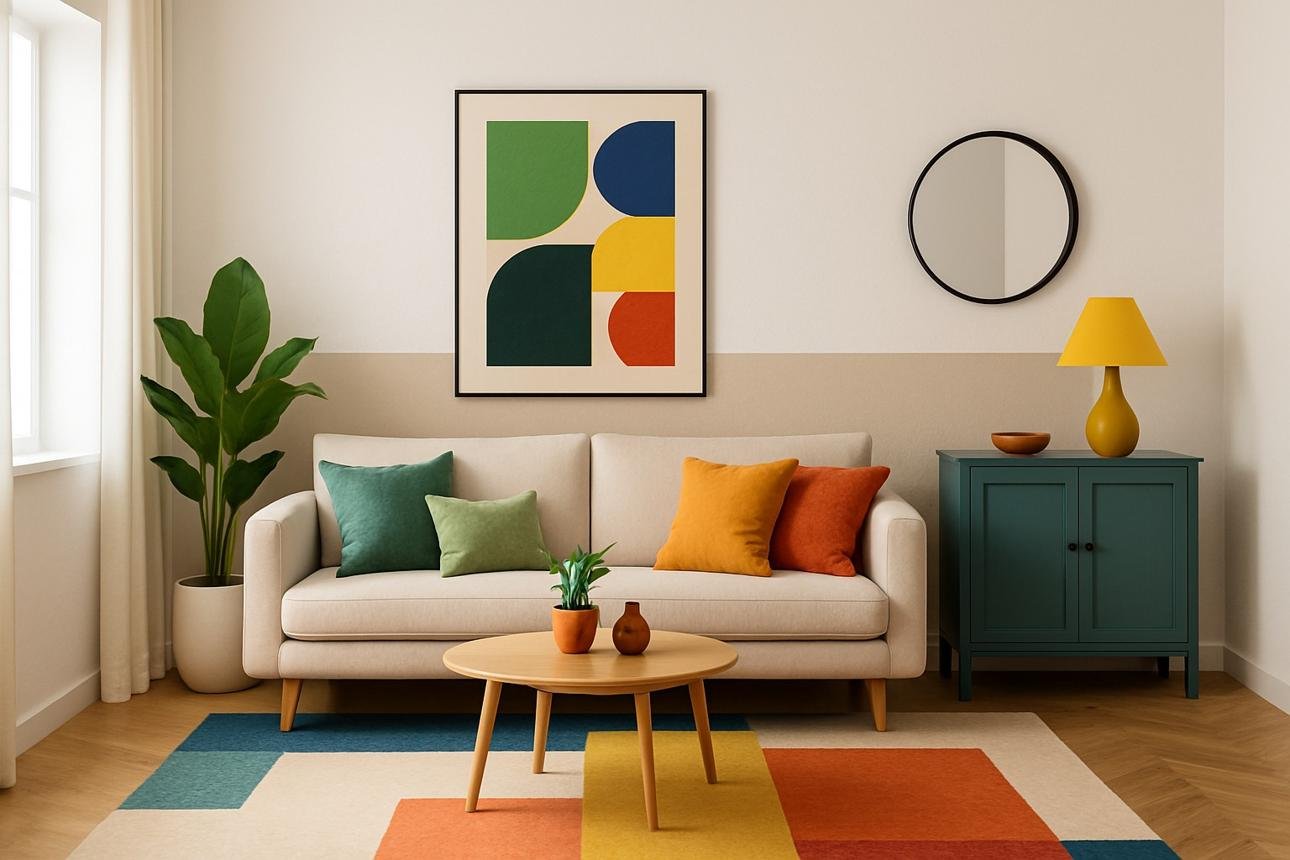
You don’t need to buy a new sofa or repaint the entire apartment to give your living room a fresh look. Affordable accessories can introduce color, update the atmosphere, and help your existing furniture feel more coordinated. This is particularly useful for renters or anyone who wants to refresh a room without committing to a major change.
Cushion covers are one of the easiest places to start. Choose two or three colors that work with your sofa and rug, then mix different textures or patterns. A neutral sofa can look completely different with olive green cushions, terracotta accents, or a combination of muted blue and cream.
Throws are another practical way to introduce color. Drape one over the arm of the sofa or fold it neatly in a basket beside the seating area. Choose a fabric that feels comfortable and complements the room’s overall palette.
Artwork, vases, books, and small decorative objects can provide additional color without requiring much space. A colorful abstract print can become the focal point of a neutral living room, while a few ceramic accessories can repeat the same accent shades elsewhere.
The secret is to keep the color story relatively consistent. You don’t have to match every accessory, but repeating a few colors throughout the room helps it feel intentional. If you enjoy changing your decor with the seasons, use affordable items such as cushion covers and small accessories rather than replacing larger furniture pieces.
Small-space decorating tip: Choose one main accent color and repeat it in three or four places, such as cushions, artwork, and a decorative vase. This creates visual connection without overwhelming a small room.
20. Create a Stylish Small Living Room on a Budget
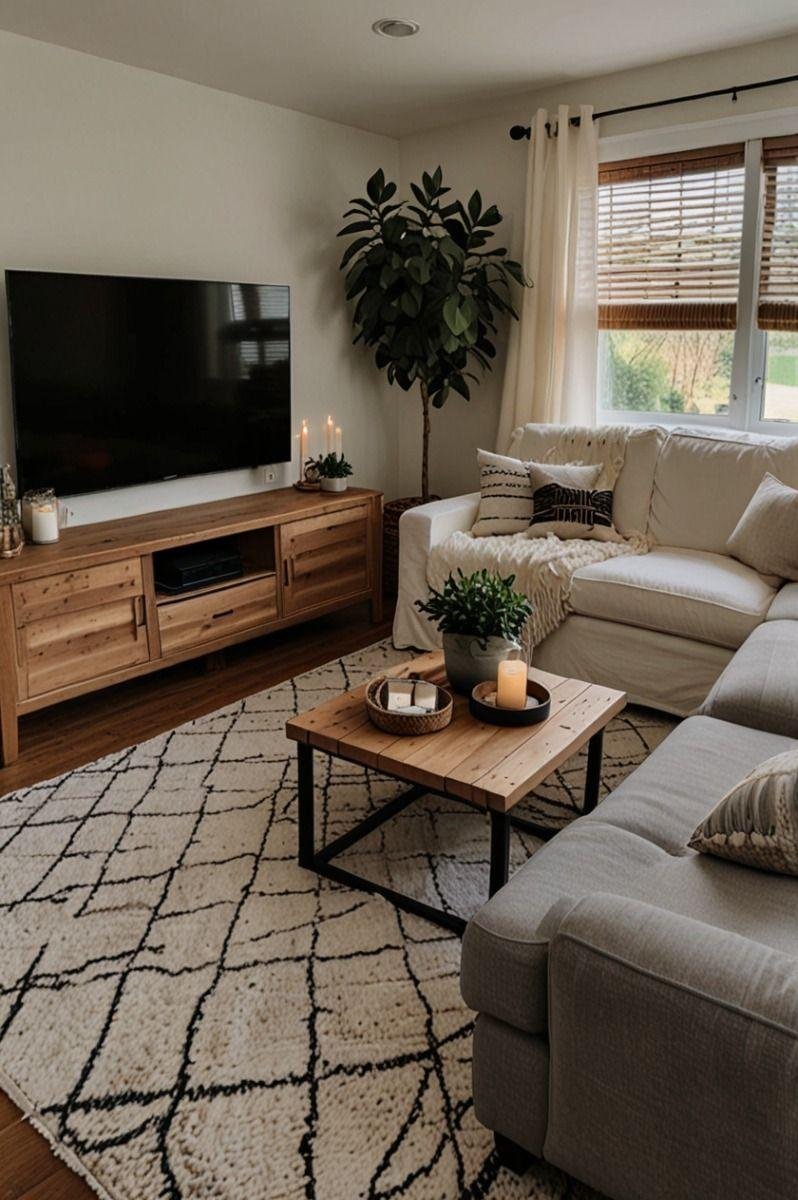
Creating a stylish apartment living room doesn’t require a designer budget. In fact, small spaces can be easier to update because a few carefully selected changes can have a significant effect. Instead of replacing everything at once, focus on the elements that most influence the room’s appearance and everyday comfort.
Start by working with the furniture you already own. Rearrange the sofa and chairs, remove unnecessary items, and identify any gaps in the room’s function. You may discover that a different layout, a better rug, or improved lighting is all you need to make the space feel more complete.
Secondhand furniture can be a valuable resource. Look for solid wood side tables, vintage lamps, compact bookcases, and coffee tables with simple shapes. Local resale shops, estate sales, and online marketplaces may offer useful pieces at lower prices. Check the dimensions and condition carefully, and consider whether a piece can be cleaned, refinished, or updated with new hardware.
Prioritize improvements that you use every day. A comfortable sofa, practical lighting, and a rug that suits the seating area may provide more value than a large collection of decorative accessories. If your budget is limited, update the room in stages rather than buying inexpensive items that you’ll quickly want to replace.
You can also create a more expensive-looking appearance through coordination. Repeat a few colors, choose accessories with complementary finishes, and keep surfaces organized. A simple living room with good proportions and thoughtful lighting often looks more polished than a crowded room filled with costly decorations.
Small-space decorating tip: Set a budget for one improvement at a time. Start with the item that will make the greatest difference to your comfort or layout, then gradually build a living room that suits your style and your finances.
Conclusion
A small apartment living room can be stylish, comfortable, and functional without requiring a major renovation or an expensive decorating budget. The key is to make thoughtful choices about furniture, color, lighting, and storage while leaving enough room for everyday life.
From compact sofas and multifunctional furniture to oversized mirrors, layered lighting, and cozy neutral palettes, these 20 apartment living room ideas offer practical ways to make the most of limited square footage. Even small changes, such as adding a well-sized rug, introducing a few plants, or rearranging your furniture, can make the space feel noticeably more inviting.
If you’re decorating a rental, focus on removable accessories, portable lighting, and furniture that can move with you. If you’re working with a particularly small studio, prioritize pieces that serve multiple purposes and keep your main walking paths clear.
Most importantly, don’t feel pressured to copy every decorating trend. Choose ideas that reflect your personality, suit your lifestyle, and make your apartment enjoyable to live in. A beautiful living room isn’t defined by its size or the price of its furniture. It’s defined by how thoughtfully it works for you.
Start with one corner, one furniture upgrade, or one simple decorating change. Over time, those small improvements can turn even the tiniest apartment living room into a space you’ll love coming home to.
Frequently Asked Questions
1. How do you make a small apartment living room look stylish?
Choose furniture that fits the room, use a coordinated color palette, and keep walking paths clear. A compact sofa, well-sized area rug, layered lighting, and a few meaningful decorative pieces can create a polished appearance. Mirrors, plants, and textured fabrics can add depth without requiring lots of additional furniture.
2. What furniture is best for a small apartment living room?
Compact sofas, nesting tables, storage ottomans, slim media consoles, and multifunctional furniture are useful choices. Look for pieces with simple silhouettes, raised legs, and dimensions that suit the room. Furniture that provides hidden storage or serves multiple purposes can help maximize limited space.
3. What colors make a small apartment living room look bigger?
Warm white, cream, light beige, pale gray, and soft greige can help a small living room feel brighter and more open. These shades work well with natural wood and light-colored textiles. You can introduce personality through accent colors such as olive green, terracotta, muted blue, or darker decorative details.
4. How can I decorate a small apartment living room on a budget?
Rearrange existing furniture, declutter surfaces, and update affordable elements such as cushion covers, curtains, lighting, and artwork. Secondhand furniture and simple DIY improvements can also help create a stylish look. Focus on practical upgrades that improve the room’s comfort and layout before spending money on decorative accessories.
5. How do I decorate a rental apartment living room without damaging the walls?
Use portable furniture, floor lamps, freestanding mirrors, rugs, cushions, and plants to personalize the space. Where permitted, removable wallpaper and approved picture-hanging products can add visual interest. Always check your lease and follow the product’s weight and installation requirements before attaching anything to the walls.
Leave a Reply