
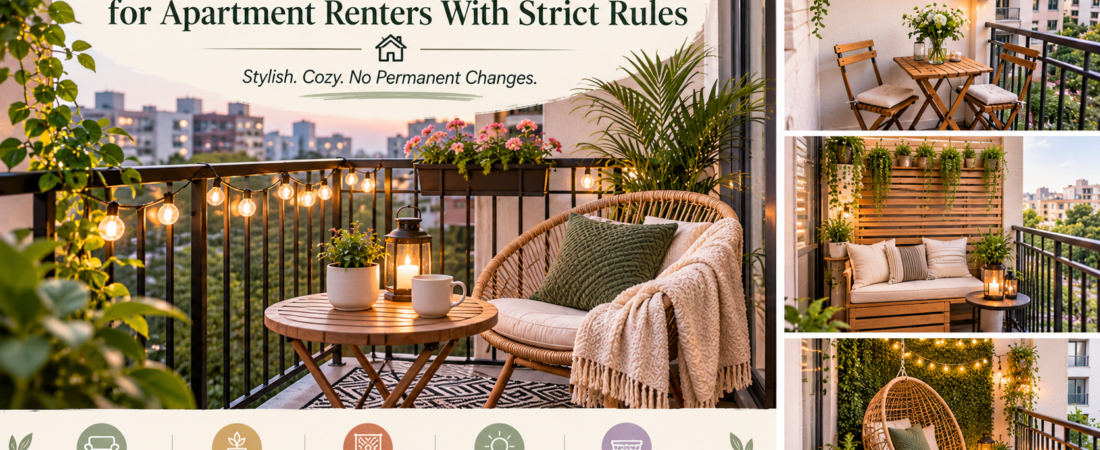
A rental balcony can be a lovely little escape. It might be just wide enough for two chairs and a plant, or it could be a narrow outdoor strip overlooking a busy street. Either way, a few thoughtful decorating choices can turn that overlooked space into somewhere you actually want to spend time. The challenge? Some apartment buildings have surprisingly strict rules about what you can put outside. Drilling into walls, installing permanent fixtures, hanging lights from railings, changing flooring, and even placing certain items on balcony railings may be prohibited.
That doesn’t mean your balcony has to stay empty. You can still create a comfortable outdoor retreat with freestanding furniture, movable planters, outdoor rugs, portable lighting, folding accessories, and simple styling ideas that don’t require permanent alterations. The trick is to work with the space you have instead of trying to renovate it.
In this guide, you’ll find 15 practical balcony ideas for apartment renters with strict decorating rules, including options for tiny balconies, narrow layouts, privacy-conscious spaces, and renters who need to remove everything easily when they move. You’ll also find safety reminders, styling tips, and ways to make even the smallest balcony feel intentional.
Before decorating, check your lease and building rules. Balcony regulations can cover more than drilling: they may restrict open flames, hanging objects, outdoor fabrics, plants, furniture dimensions, visible items, and anything that could fall or obstruct an exit. Always follow your building’s requirements and local safety rules.
How to Decorate a Rental Balcony Without Breaking the Rules
Decorating a balcony in a rental apartment is a little different from decorating a living room. Outside, you have to think about weather, wind, drainage, building appearance, and the safety of people below. A decorative object that looks harmless indoors may become a problem outdoors if it can blow away, collect rainwater, block a walkway, or fall from a height. That’s why the best rental balcony designs start with the rules, not the shopping list.
Before buying furniture or accessories, check what your building allows. Some properties permit movable chairs and small planters but prohibit privacy screens, outdoor rugs, string lights, or objects attached to railings. Others have specific requirements for balcony flooring, fire safety, drainage, and the appearance of exterior spaces. If the rules aren’t clear, ask the property manager rather than assuming something is allowed because it is removable.
The easiest decorating strategy is to choose portable pieces that stand securely on the balcony floor. Folding chairs, lightweight tables, freestanding plant stands, portable lamps, and movable planters are often more flexible than permanent installations, although they still need to meet building requirements. Think of your balcony as a small outdoor room that you can arrange without changing the structure. When each item has a clear purpose and can be moved indoors when necessary, decorating becomes much easier.
15 Balcony Ideas for Apartment Renters With Strict Decorating Rules
1. Create a Cozy Seating Corner With Lightweight Chairs
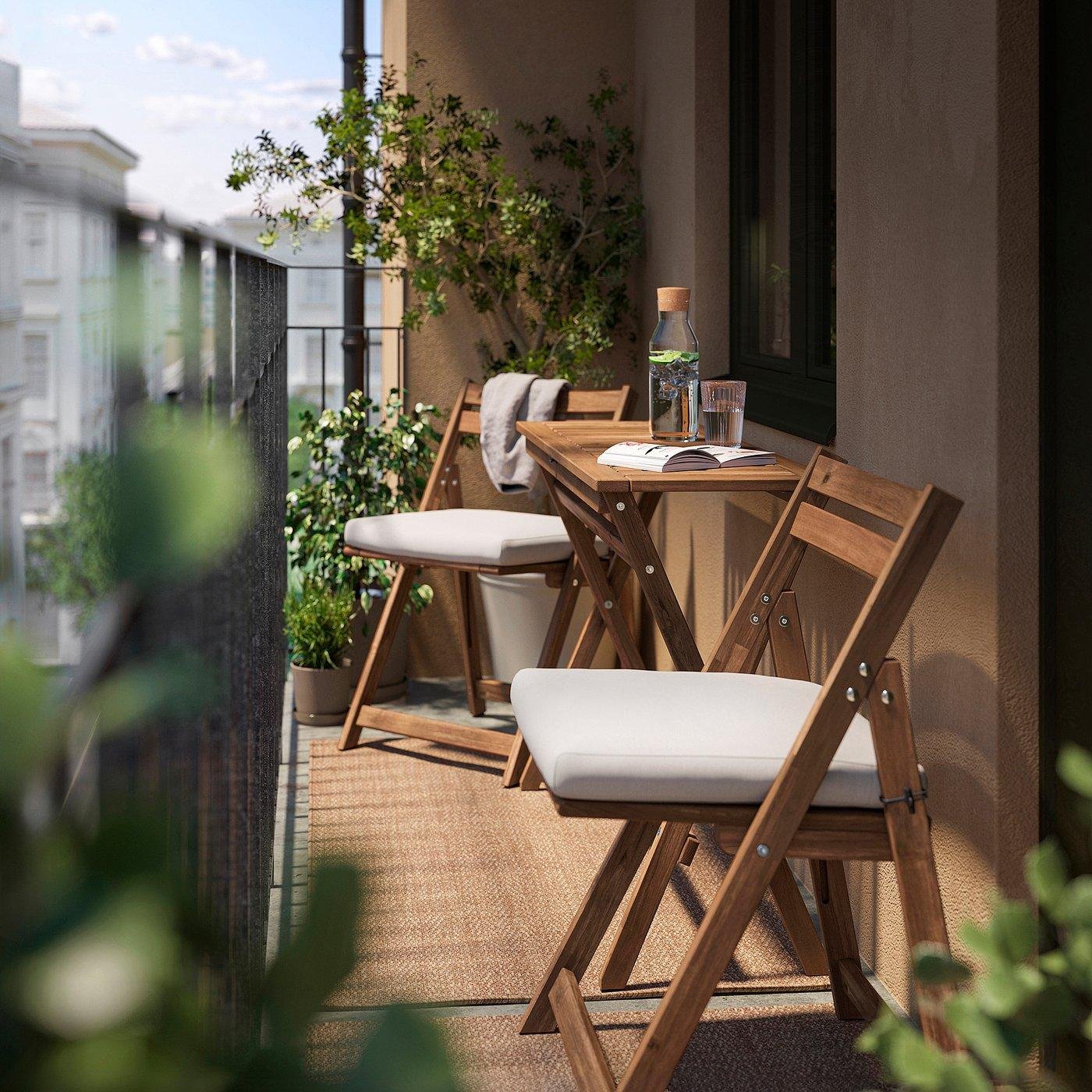
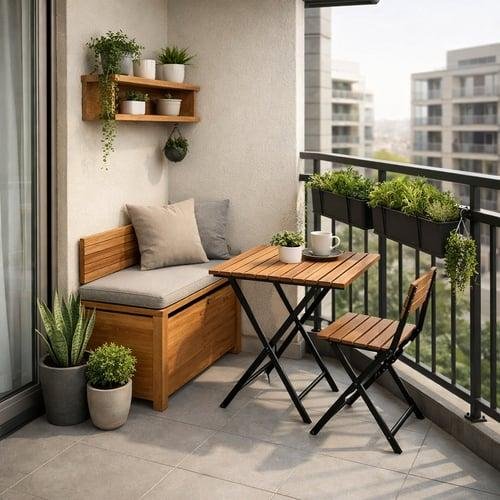
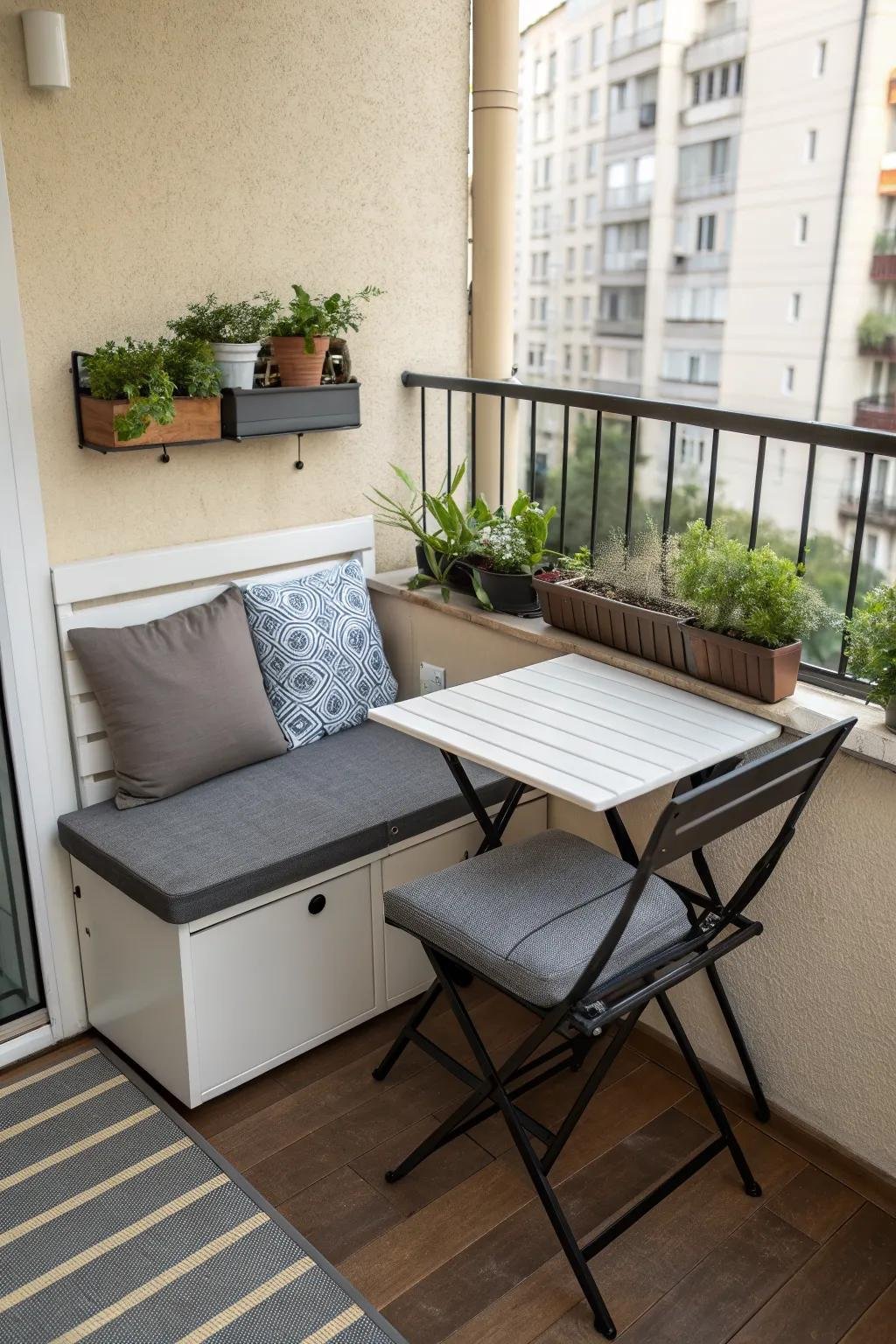
A comfortable place to sit is often all a balcony needs. Even if your outdoor space is too small for a full furniture set, a single chair can turn it into a useful morning coffee spot or a quiet place to unwind after work. Look for compact folding chairs, lightweight outdoor lounge chairs, or stackable seats that you can bring indoors when the weather changes. Materials such as powder-coated metal, treated wood, and outdoor-rated synthetic wicker can work well, provided they’re suitable for your climate and building requirements.
Think about how you actually plan to use the balcony. If you enjoy reading outside, choose a chair with a supportive back and enough room for a cushion. If you mostly want somewhere to enjoy breakfast, a simple chair paired with a small portable table may be more practical. On a very narrow balcony, position the chair against the shorter end rather than placing it across the walking path. That small adjustment can make the space feel less cramped.
Don’t forget stability. A chair that feels lightweight and convenient indoors may be too easy for strong wind to move around outdoors. Choose furniture designed for outdoor use, and follow the manufacturer’s advice about securing or storing it during bad weather. Avoid placing chairs on unstable surfaces or close to the railing where someone could accidentally lean or climb.
Styling tip: Choose one chair in a natural or neutral finish, then add a weather-resistant cushion in a color you already use indoors. A simple connection between your interior and balcony decor makes the outdoor space feel like a natural extension of your apartment.
2. Use a Freestanding Outdoor Rug to Define the Space
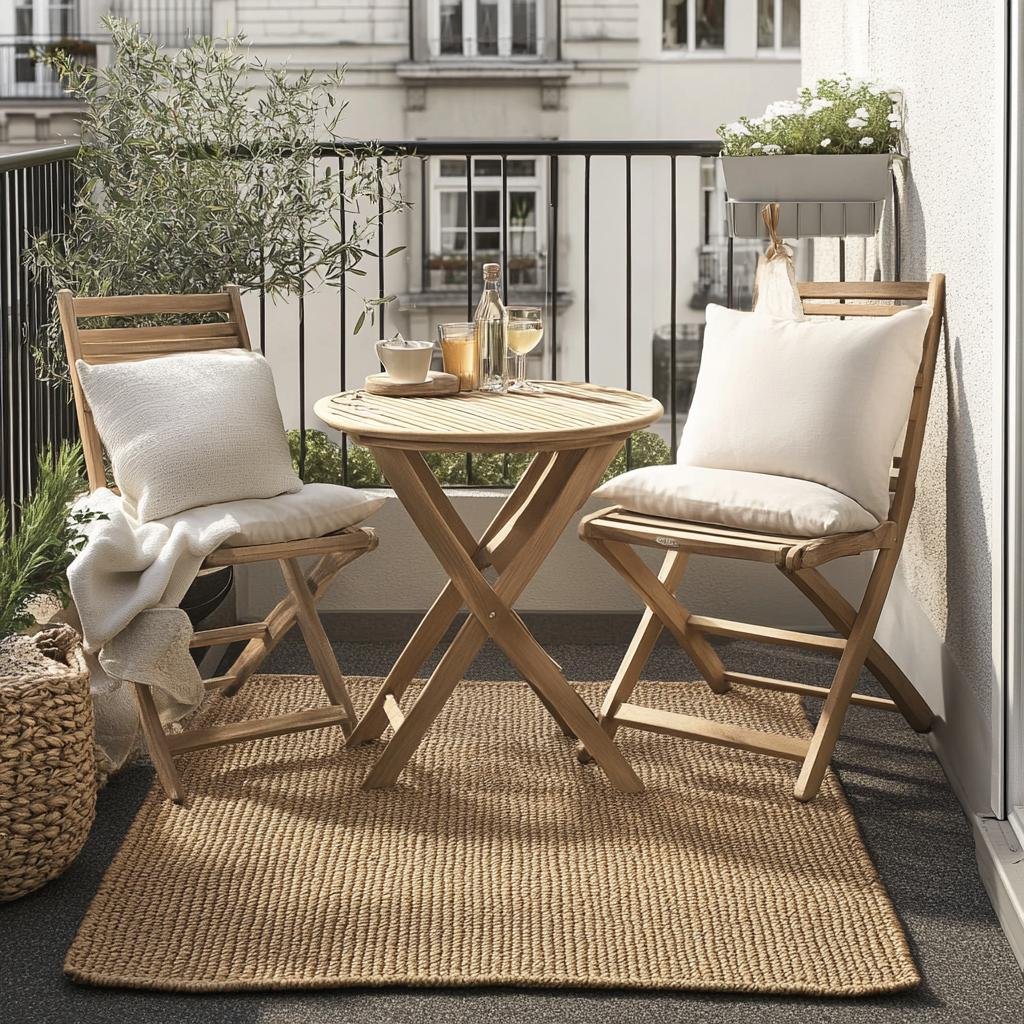
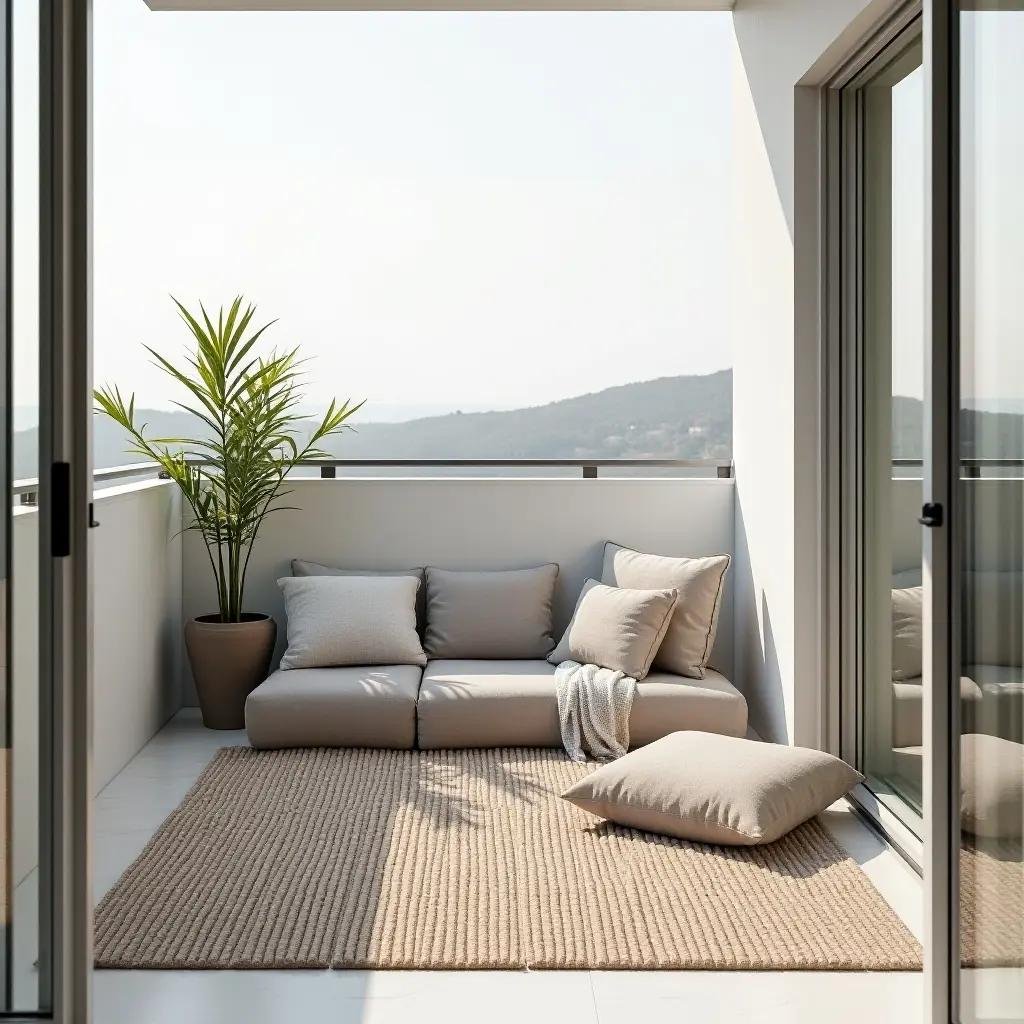
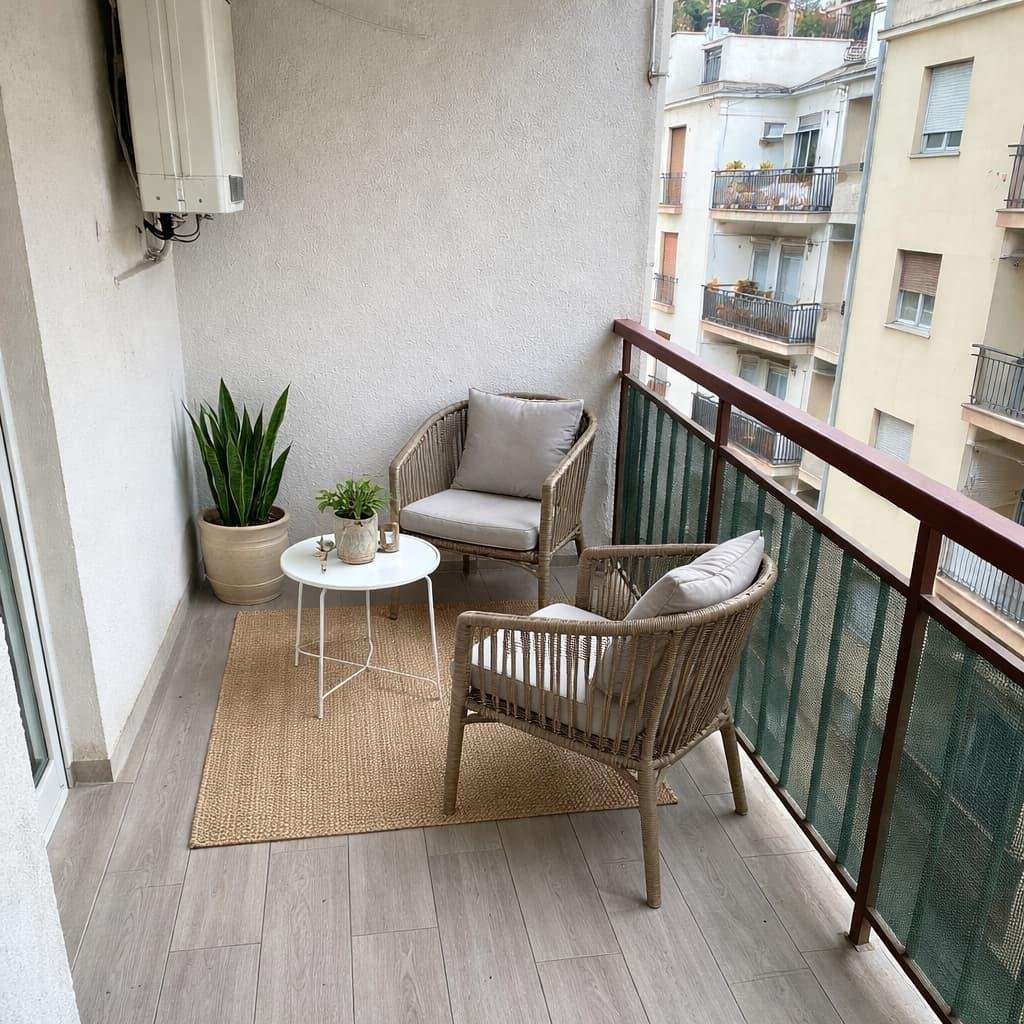
A rug can make a balcony feel less like an empty concrete platform and more like a finished outdoor room. It adds color, softens the look of a hard floor, and helps visually define a seating area. This is particularly useful in rental apartments where you aren’t allowed to install deck tiles, paint the floor, or make permanent changes to the balcony surface. A simple outdoor rug can create a noticeable transformation without changing the structure.
Choose a rug made for outdoor conditions. It should be suitable for moisture, sunlight, and regular cleaning, and it should be the right size for your balcony. A small rug beneath a chair and side table can be enough to establish a cozy corner. If you have a long, narrow balcony, a runner-style rug may help emphasize the length without taking up too much visual space. Neutral patterns, subtle stripes, and natural-looking textures are versatile choices that work with many furniture styles.
There are a few practical details to consider before putting a rug outside. Check whether your building permits outdoor rugs, especially if the balcony has specific drainage requirements. Never cover drains or allow water to become trapped underneath the rug. Moisture can encourage mildew and may affect the balcony surface. Make sure the rug lies flat and doesn’t create a tripping hazard, and bring it inside during severe weather if necessary.
Styling tip: Choose a rug first, then coordinate your cushions and planters with one or two colors from its pattern. This gives even a tiny balcony a deliberate color scheme.
3. Add Potted Plants Without Attaching Anything to the Walls
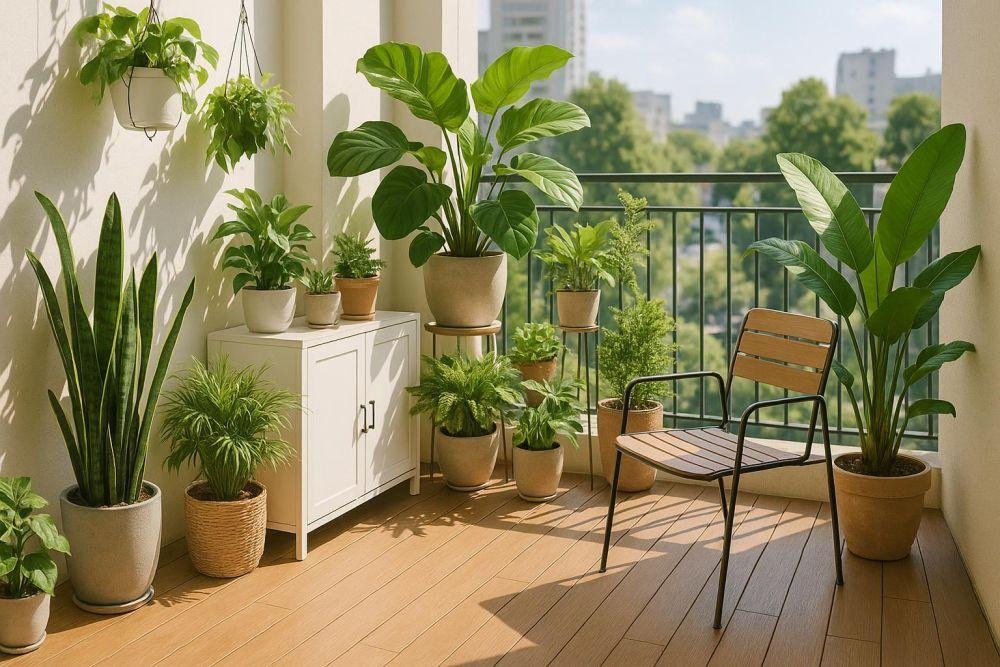
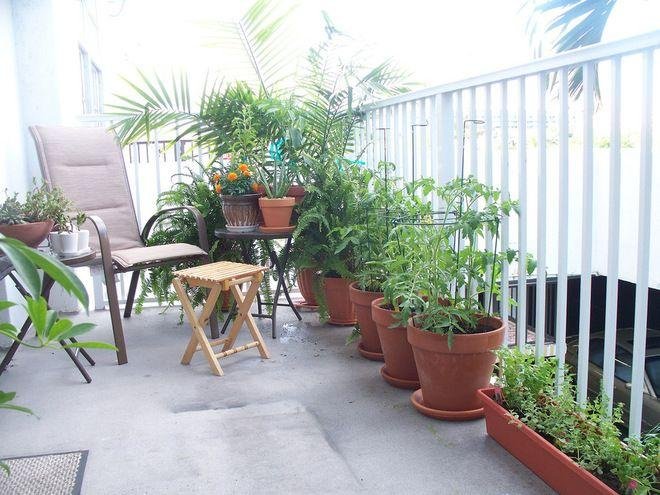
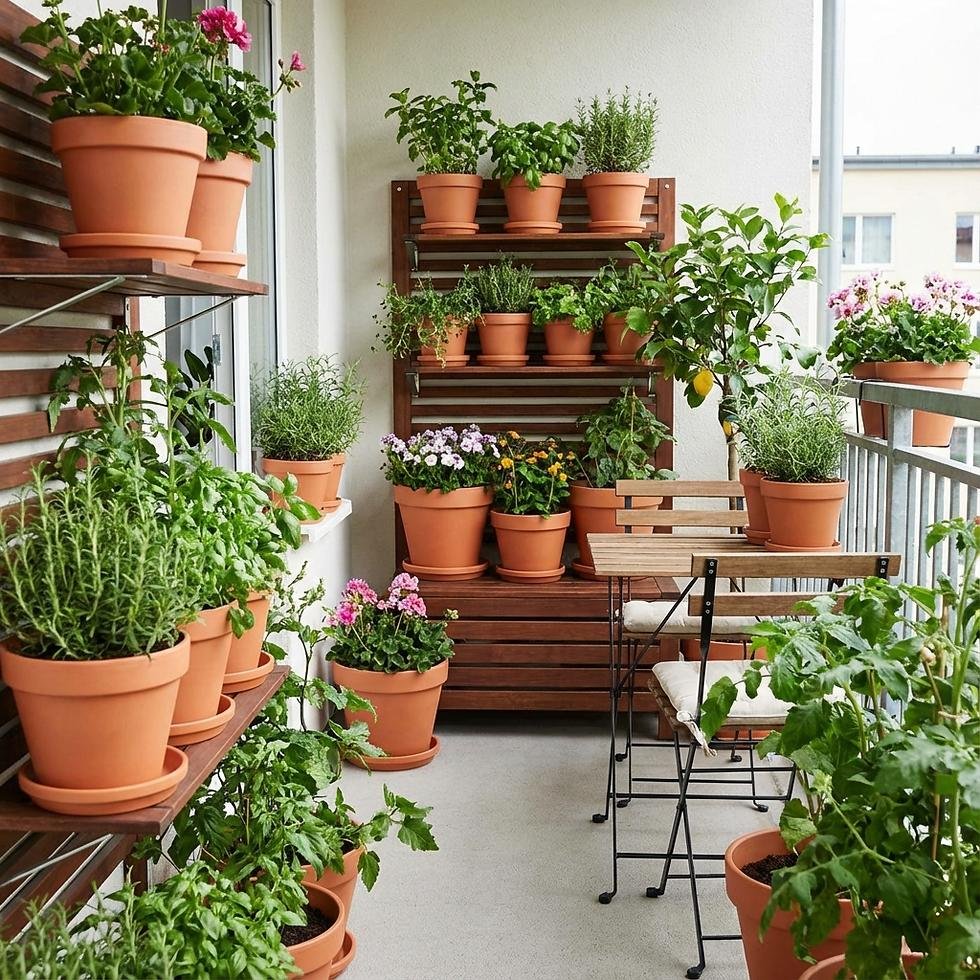
Plants can make a balcony feel alive without requiring a single permanent installation. A few well-chosen pots introduce natural color, soften hard architectural lines, and create a more relaxing atmosphere. You don’t need a large collection, either. Two or three plants arranged at different heights can have more impact than a crowded assortment of small pots. For renters who cannot attach planters to railings or walls, floor-standing containers are a straightforward alternative.
Start by paying attention to the conditions on your balcony. Does it receive direct sunlight for several hours, or is it mostly shaded? Is it exposed to strong wind? Does rain reach it easily? These details help you choose plants that are more likely to thrive. Sun-loving herbs and flowering plants may suit bright balconies, while some leafy varieties are better suited to lower-light conditions. Always check the needs of the specific plant rather than relying on a general label such as “indoor” or “outdoor.”
Use stable pots with drainage appropriate for the plant and balcony surface. A saucer can help catch excess water, but it should not become a permanent pool that attracts insects or damages the floor. Check building rules about water runoff, heavy planters, and the placement of pots. Avoid putting containers on railings, ledges, or anywhere they could fall. Large ceramic pots can also be surprisingly heavy, especially after watering, so consider lighter containers if your building has balcony load restrictions.
Styling tip: Repeat the same pot material or color two or three times. Terracotta, matte cream, charcoal, and natural woven-look planters can create a coordinated display without making the balcony feel overly styled.
4. Choose a Folding Bistro Set for a Tiny Balcony


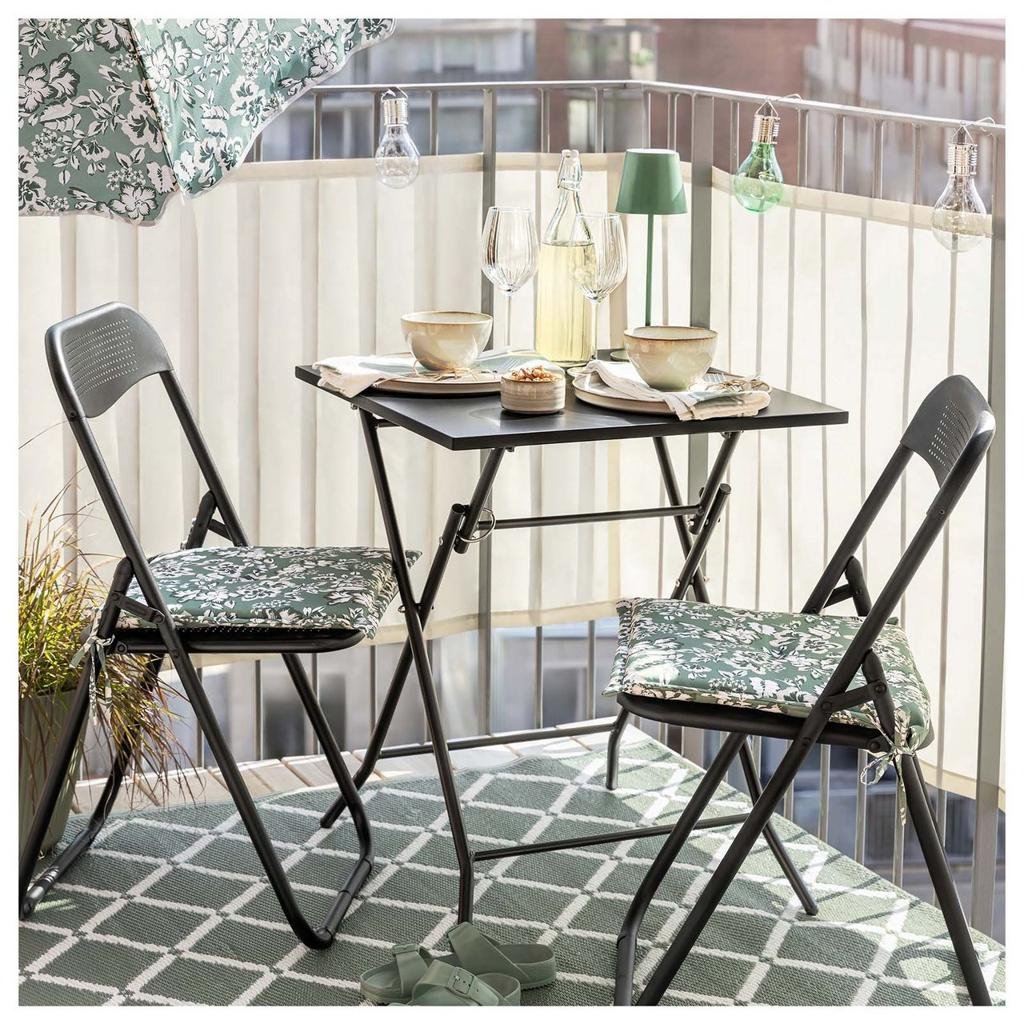
A folding bistro set is a classic solution for a small balcony because it creates a place to eat, work, or enjoy a drink without taking up permanent floor space. The table and chairs can be folded when you need more room, making this arrangement especially useful for narrow balconies and apartments where outdoor space serves several purposes. A compact two-seat set can make a tiny balcony feel like a private café.
Before choosing a set, measure the balcony carefully. Include the space needed to pull a chair out and move around the table. A table that fits perfectly against the wall may leave no room to sit comfortably. Look for a design with slim legs and a simple silhouette, since bulky furniture can make a small outdoor area feel crowded. Metal and weather-resistant materials are popular choices, but check the manufacturer’s care recommendations and whether the finish is suitable for your local climate.
Folding furniture is convenient, but it still needs to be stored safely. Strong wind can move lightweight pieces, and a folded chair left leaning against a railing may become a hazard. When the balcony is exposed to poor weather, move the furniture indoors or store it in an approved location. Also check whether your building has rules about furniture visibility from the exterior.
Styling tip: Keep the tabletop simple. A small tray, one cup, and a compact plant are often enough. The goal is to create a charming café feeling without filling the limited surface with accessories.
5. Bring in a Portable Outdoor Side Table
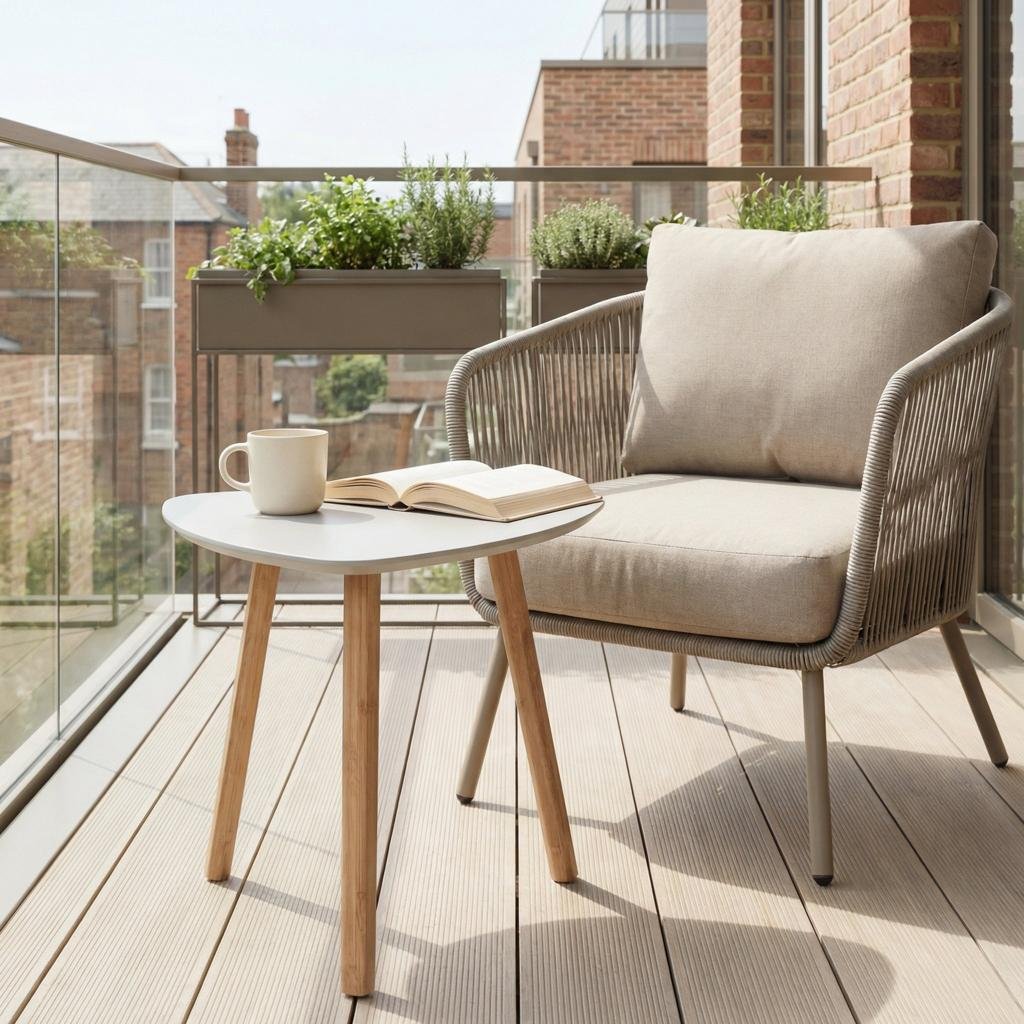
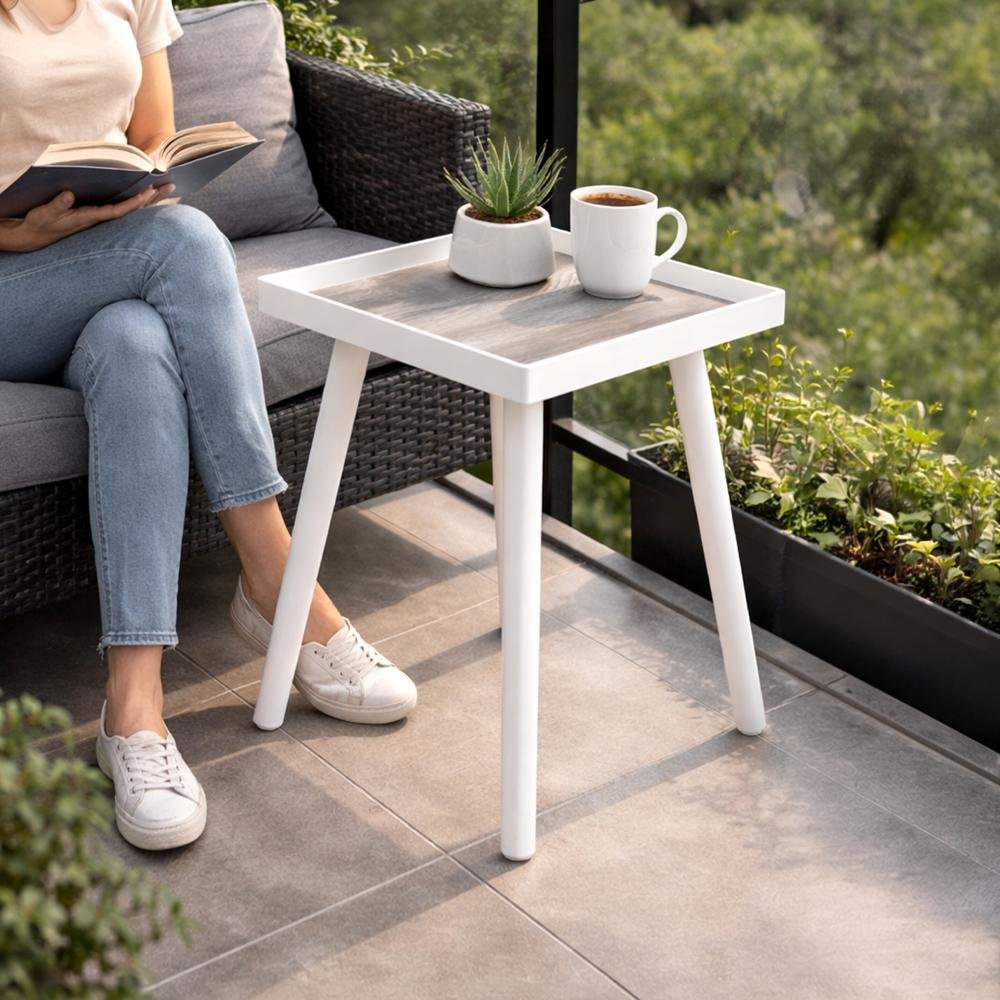
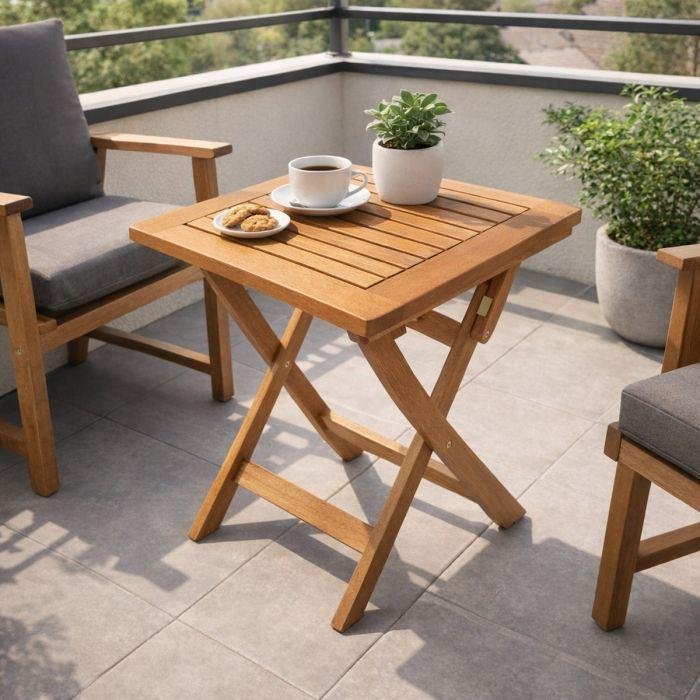
A side table may seem like a small addition, but it can make a balcony much more comfortable. It gives you somewhere to put a coffee cup, book, phone, or small plant, so you don’t have to balance everything on your lap or leave items on the floor. For a rental balcony with strict decorating rules, a portable table is useful because it doesn’t need to be fixed to a wall or railing. You can move it around as your seating arrangement changes.
Choose a table that suits the scale of your balcony. A compact round design can be easier to walk around than a square table with sharp corners. If the space is extremely narrow, look for a slim C-shaped table that can slide beside a chair, provided it is stable and appropriate for outdoor use. A lightweight table is easy to reposition, but it should not be so light that it moves easily in the wind. Check the manufacturer’s guidance for outdoor exposure and storage.
Think about what the table is made from, too. Metal can create a clean modern look, while treated wood brings warmth. Outdoor-rated resin or other weather-resistant materials may be easier to maintain. Avoid untreated materials that can warp, stain, or deteriorate when exposed to rain and sun. If your balcony is uncovered, consider a design that can be moved indoors quickly.
Styling tip: Use a small tray to group a few everyday items. It keeps the surface looking tidy and makes it easier to carry everything inside when the weather changes.
6. Use a Freestanding Privacy Screen
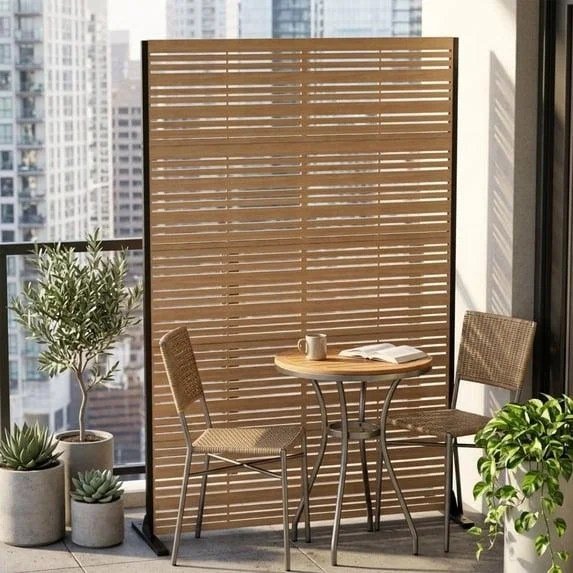
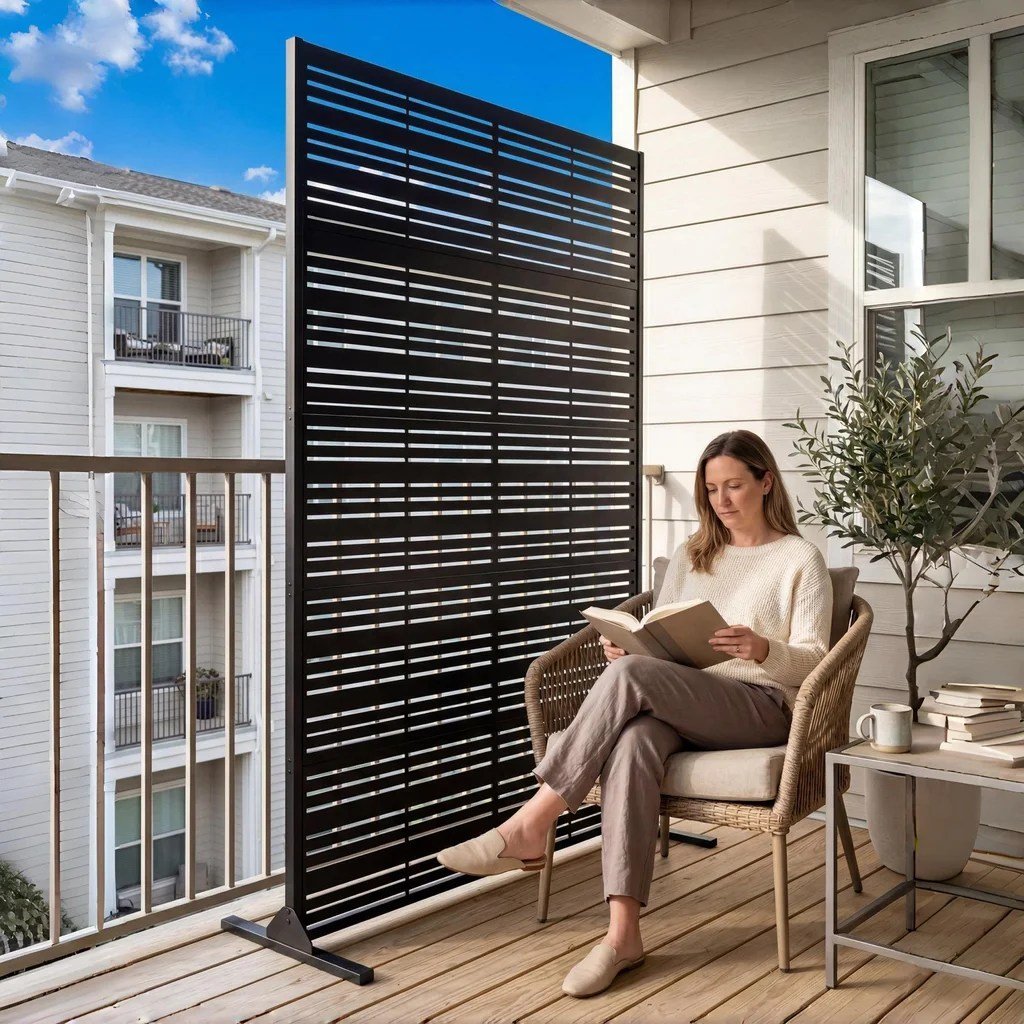
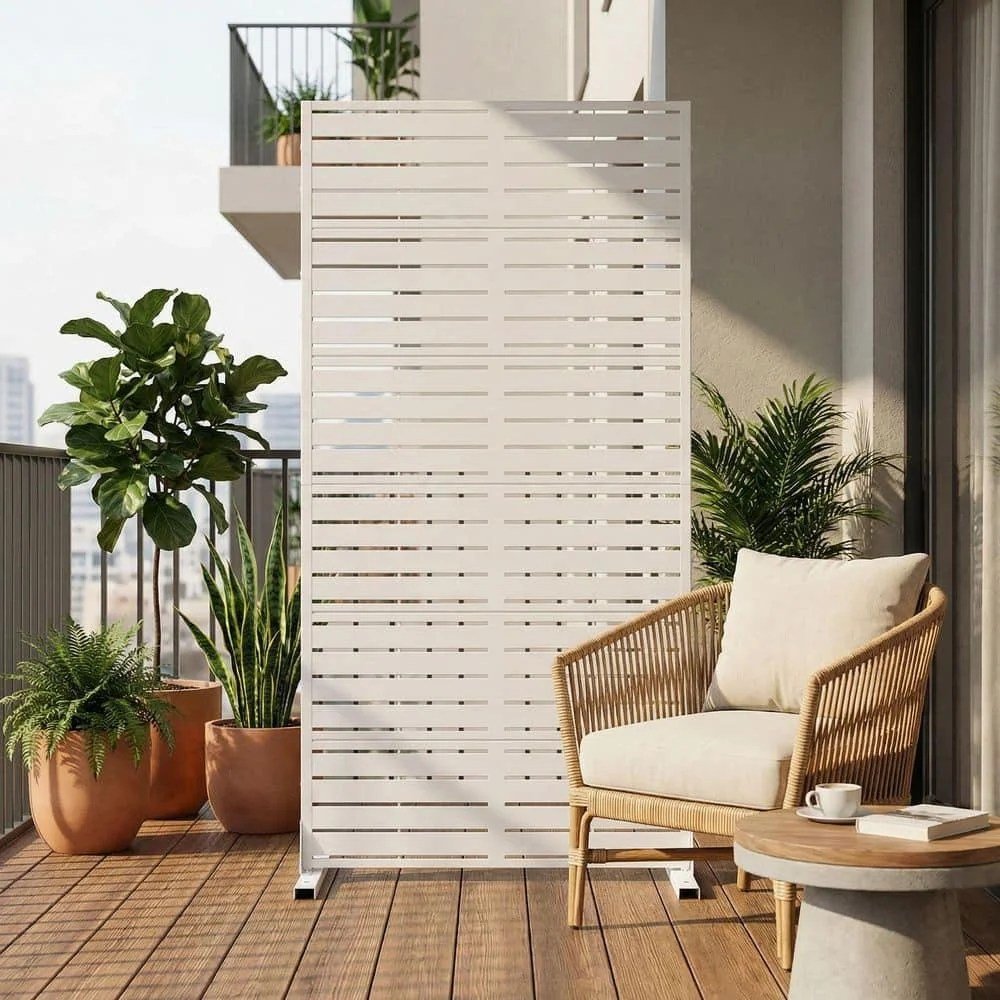
If your balcony faces another apartment building or a busy shared courtyard, privacy may be just as important as decoration. A freestanding screen can create a more sheltered feeling without requiring you to drill into the exterior wall. Folding screens, movable decorative dividers, and certain freestanding outdoor panels can help visually separate your seating area from the surrounding view. They can also make a balcony feel like a small outdoor room rather than an exposed platform.
The important word is freestanding. Avoid assuming that a screen is permitted simply because it doesn’t need screws. Your building may restrict screens that change the exterior appearance, rise above a certain height, block visibility, or catch the wind. A tall panel can act like a sail in strong gusts, creating a safety risk. Before buying one, check the building’s rules and ask management whether a particular design and placement are acceptable.
If screens are not permitted, you can create a softer sense of privacy through furniture placement. A chair angled toward the apartment rather than the neighboring building may make the space feel more comfortable. A low arrangement of approved floor-standing plants can also provide a visual buffer, provided the pots are stable and don’t obstruct access or drainage. Never attach fabric, bamboo rolls, or other materials to the railing unless your building explicitly allows it.
Styling tip: Choose a screen with a simple finish that complements your furniture. A natural wood appearance can suit a relaxed balcony, while a dark metal design may work better with contemporary furniture.
7. Decorate With Weather-Resistant Cushions
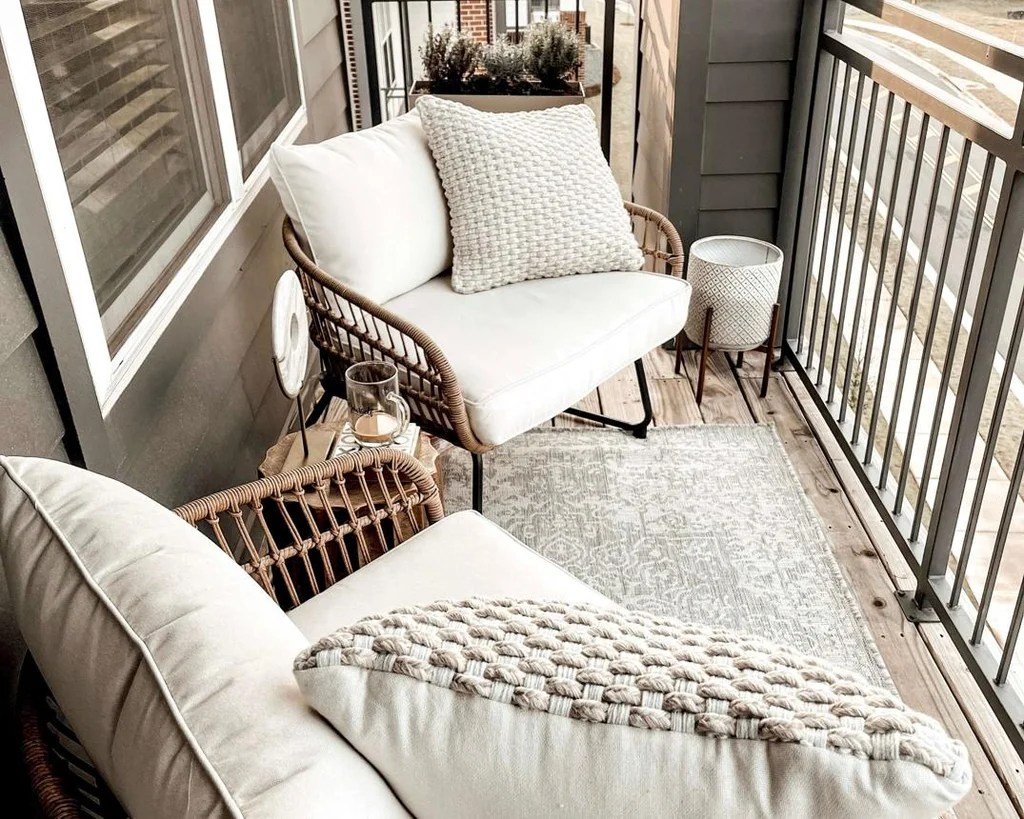
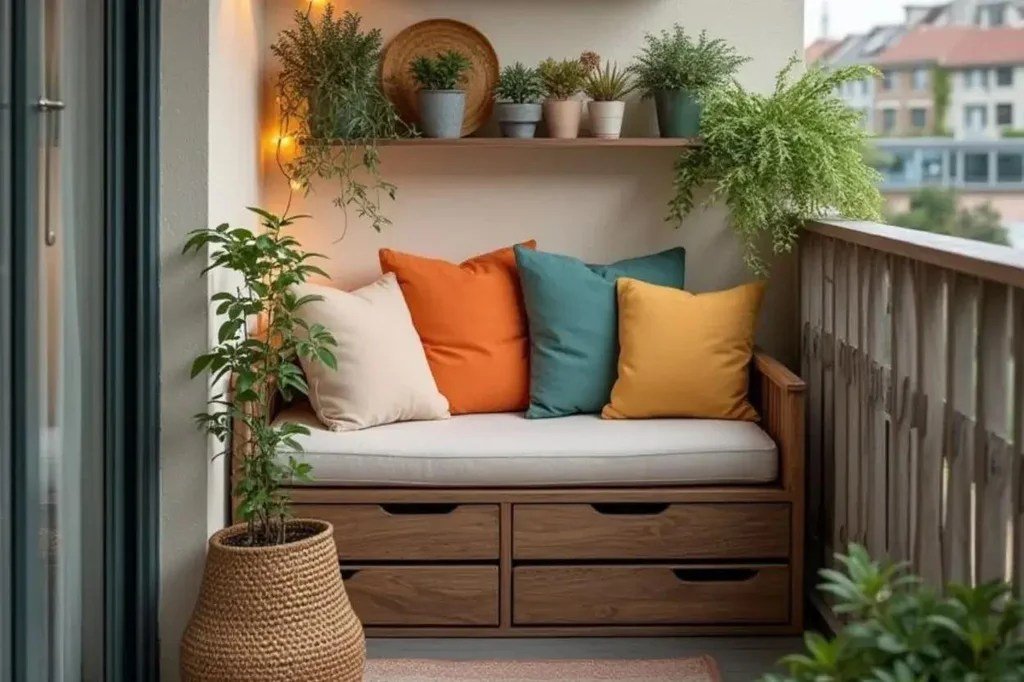
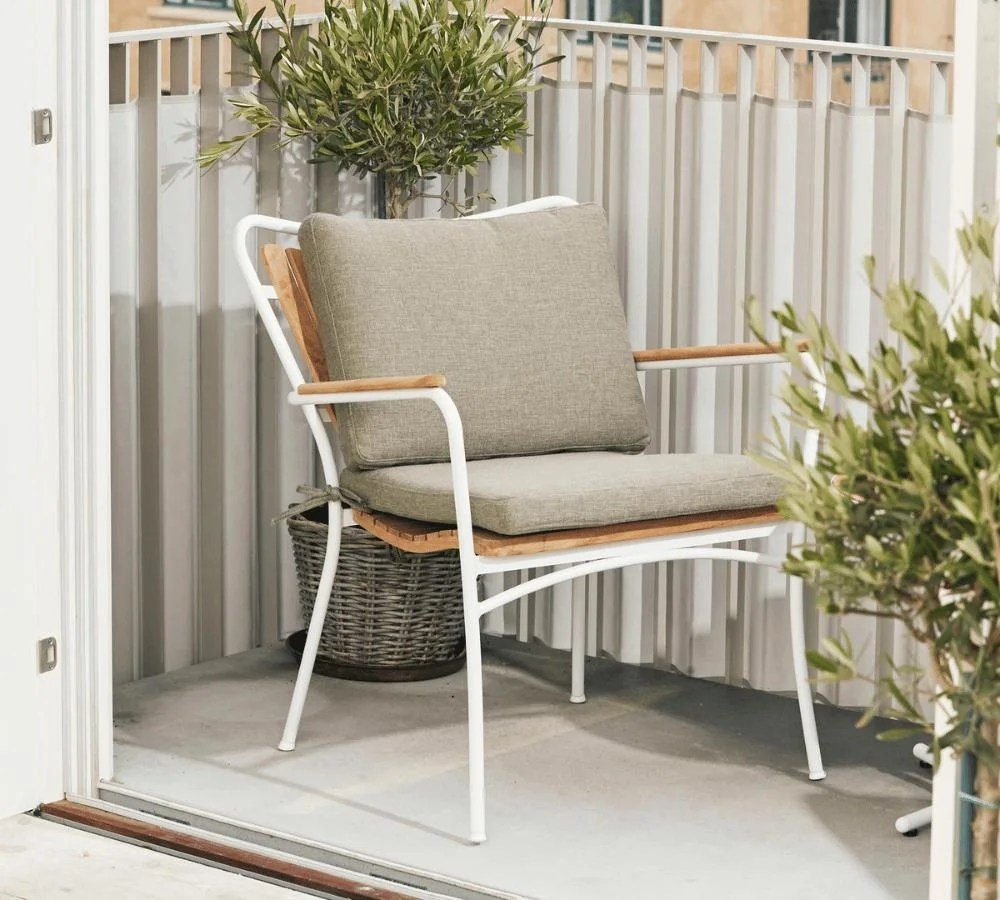
Cushions are one of the easiest ways to make basic balcony furniture look inviting. A simple folding chair can feel much more comfortable with a supportive seat cushion, while a pair of coordinating outdoor pillows can bring color and personality to a neutral seating corner. Because cushions are portable, they’re also a flexible decorating choice for renters who can’t change flooring, walls, or permanent fixtures.
Look for textiles specifically designed for outdoor use. Materials vary, so check whether the cushion cover is water-resistant, quick-drying, fade-resistant, or intended to be stored indoors when not in use. These descriptions are not interchangeable. A fabric that resists light moisture may not be suitable for prolonged rain exposure. If your balcony is uncovered, you may need to bring cushions inside after each use or store them in an approved weatherproof container.
Color can make a small balcony feel more connected to the rest of your apartment. Cream, sand, olive, terracotta, and muted blue are versatile options, but there’s no reason to avoid brighter shades if you enjoy them. Just remember that direct sunlight can fade some fabrics faster than others. If you want a coordinated appearance without buying a matching set, repeat one color across two cushions and a planter or small accessory.
Styling tip: Use one main cushion color and one accent pattern. Too many patterns can make a tiny balcony look busy, while a restrained combination creates a comfortable, finished appearance.
8. Create Soft Lighting With Portable Lamps
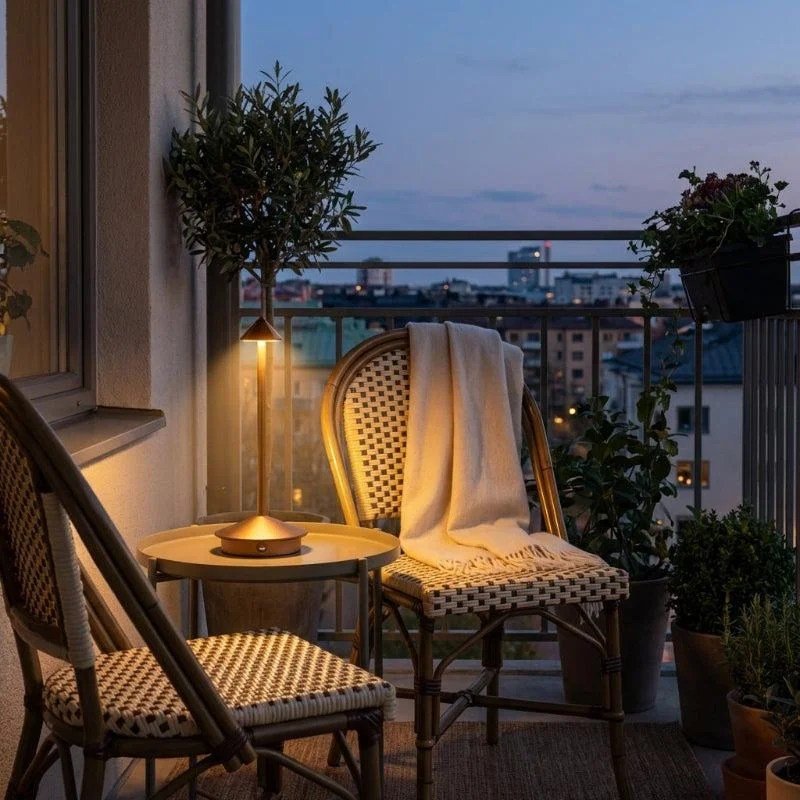
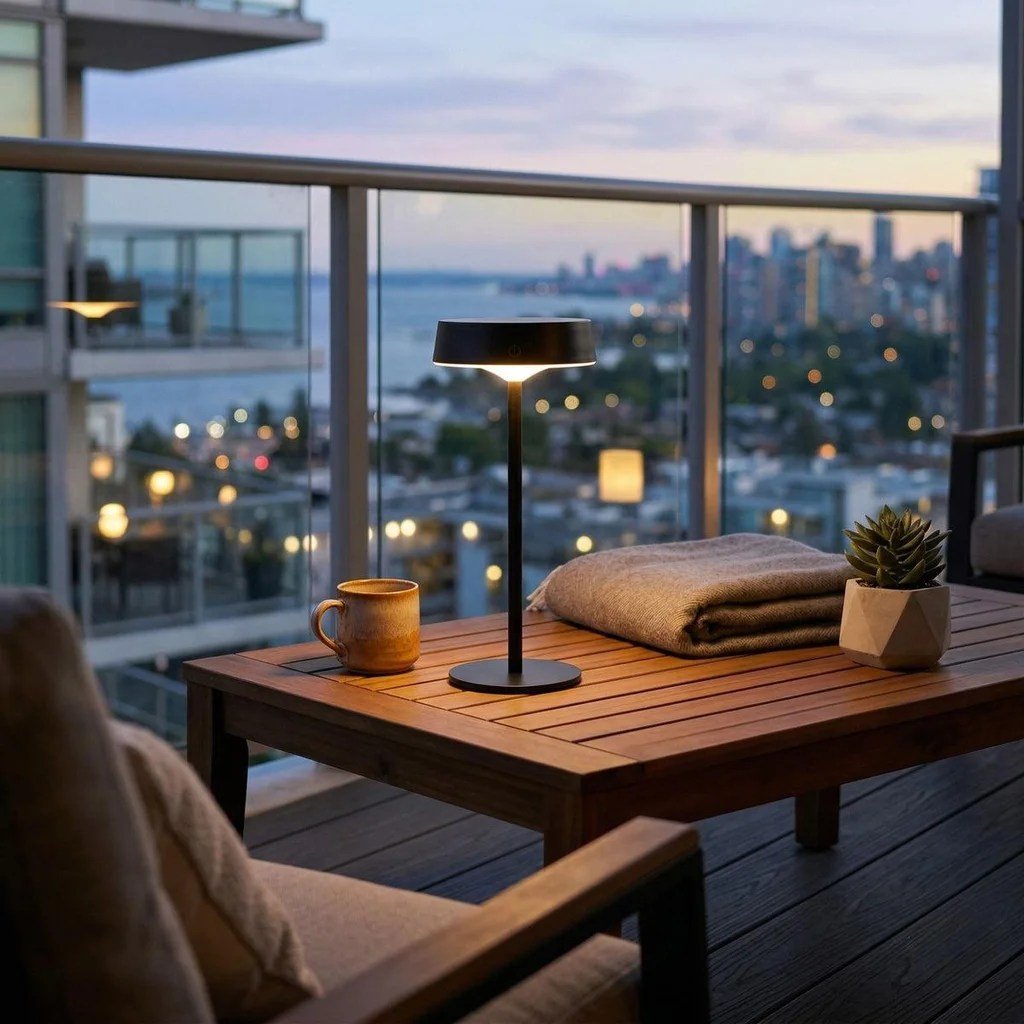
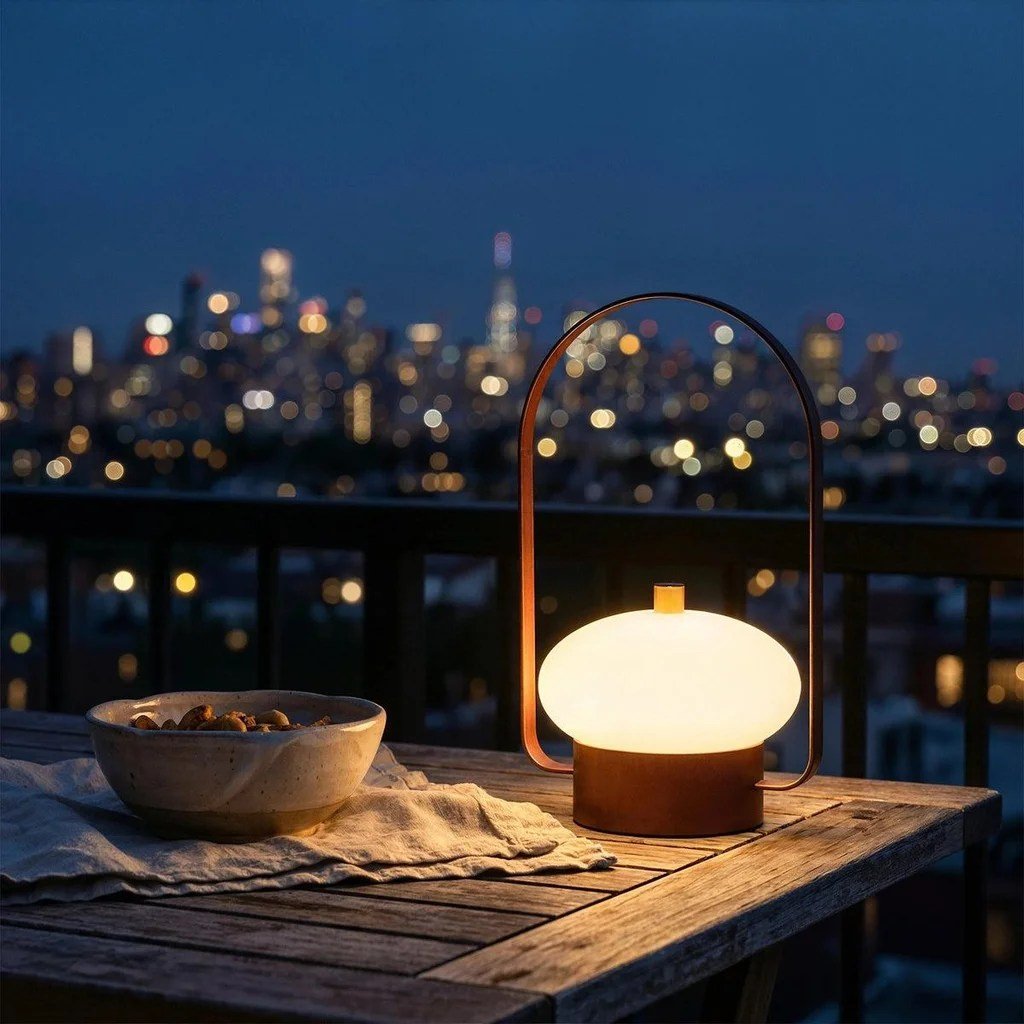
Lighting can completely change the mood of a balcony after sunset. A small portable lamp creates a warm pool of light that makes the space feel more welcoming than relying on a bright interior light shining through the window. Rechargeable table lamps are particularly convenient because they don’t necessarily need a nearby outdoor socket or a permanent installation. You can bring one outside when you want to sit in the evening and take it indoors afterward.
Choose a lamp that is designed for the conditions in which you plan to use it. An indoor decorative lamp may not be suitable for a balcony exposed to humidity, rain, or temperature changes. Check its outdoor rating and the manufacturer’s safety instructions. If the balcony is uncovered, don’t leave a lamp outside unless it is specifically designed for that environment. Keep charging cables and electrical connections away from water, and avoid using damaged batteries or chargers.
A portable lamp also gives you flexibility. You can place it on a side table, move it beside a reading chair, or bring it indoors when you need more light in another room. If your building prohibits string lights or anything attached to railings, a self-contained lamp may be a more suitable option, subject to the property’s rules.
Styling tip: Warm-white lighting generally creates a softer, more relaxed atmosphere than cool, bright light. Pair a small lamp with neutral cushions and a plant for a simple evening retreat.
9. Make a Vertical Garden With a Freestanding Plant Stand
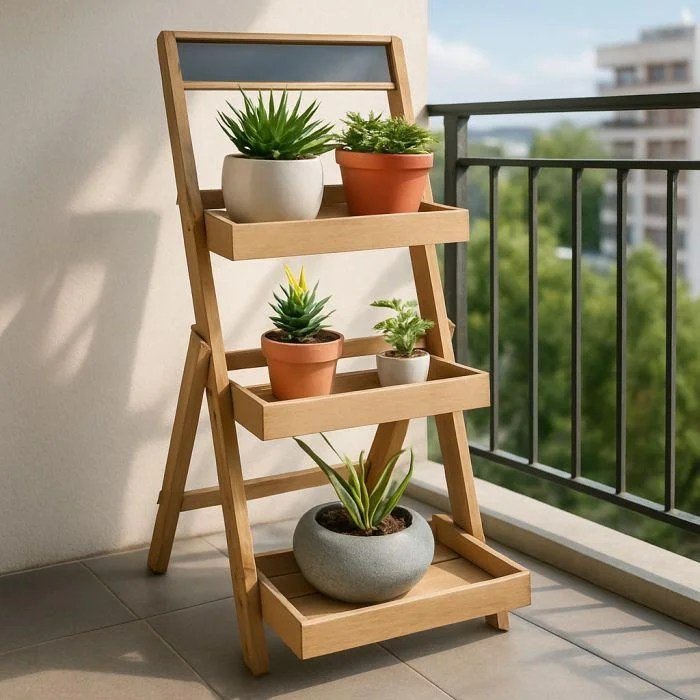

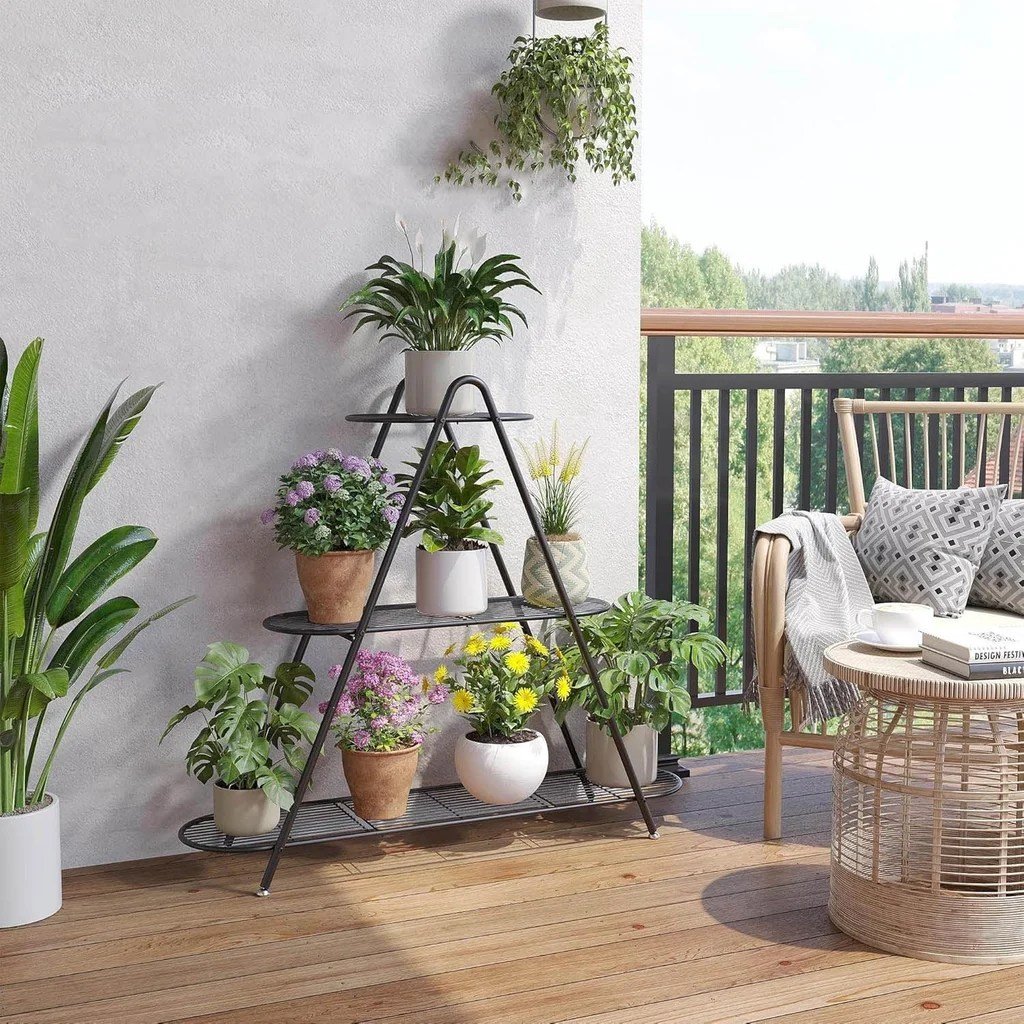
A vertical plant stand lets you enjoy several plants without spreading pots across the entire balcony floor. Instead of using wall-mounted shelves or railing planters, choose a freestanding tiered stand that sits securely on the ground. This is especially useful when you have a narrow balcony and want to keep a clear path between the door and seating area. It also creates height and visual interest, which can make a small outdoor space feel more layered.
Look for a stand with a stable base and shelves designed to support the combined weight of the pots and wet soil. A tiered arrangement can become top-heavy if large containers are placed high up. Keep heavier pots on lower levels and check the manufacturer’s load guidance. If the balcony is exposed to strong wind, choose a design with a sturdy footprint and move it indoors or to a safer approved location during severe weather.
Plant selection matters as much as the stand itself. Choose varieties with similar light and watering needs for each tier, or group plants according to their care requirements. Avoid overcrowding the shelves because leaves need room for airflow and pots need to drain properly. Make sure water doesn’t spill onto neighboring balconies or create slippery patches on the floor.
Styling tip: Arrange plants by height and leaf shape rather than placing every pot in a straight row. A mix of upright foliage, softer trailing growth, and a few compact flowering plants can create a balanced display—provided the plants remain securely contained.
10. Add a Small Outdoor Storage Bench


A storage bench can solve two balcony problems at once: limited seating and a lack of space for everyday accessories. It gives you somewhere to sit while providing a place to keep cushions, gardening tools, or small outdoor items when they’re not in use. For renters, a movable bench is often more flexible than built-in seating because it can be repositioned or taken along when moving.
Measure carefully before choosing one. A bench that is too deep may block the balcony door or leave very little room to walk. Look for a compact design with a lid that opens easily without hitting the wall or railing. Outdoor storage products vary in their resistance to rain and sunlight, so check the manufacturer’s specifications. A storage bench should not be treated as fully waterproof unless it is specifically rated for that purpose.
You should also consider what you plan to store inside. Wet cushions can develop mildew, and garden supplies may need ventilation or separate containers. Keep drainage areas clear and avoid using the bench to store flammable materials or anything prohibited by the building. If the balcony is small, a simple bench with a clean silhouette may look less bulky than several separate storage boxes and chairs.
Styling tip: Add one outdoor cushion across the seat and place a small side table nearby. This creates a comfortable seating area while keeping everyday clutter out of sight.
11. Style the Balcony With Lanterns and Decorative Accessories
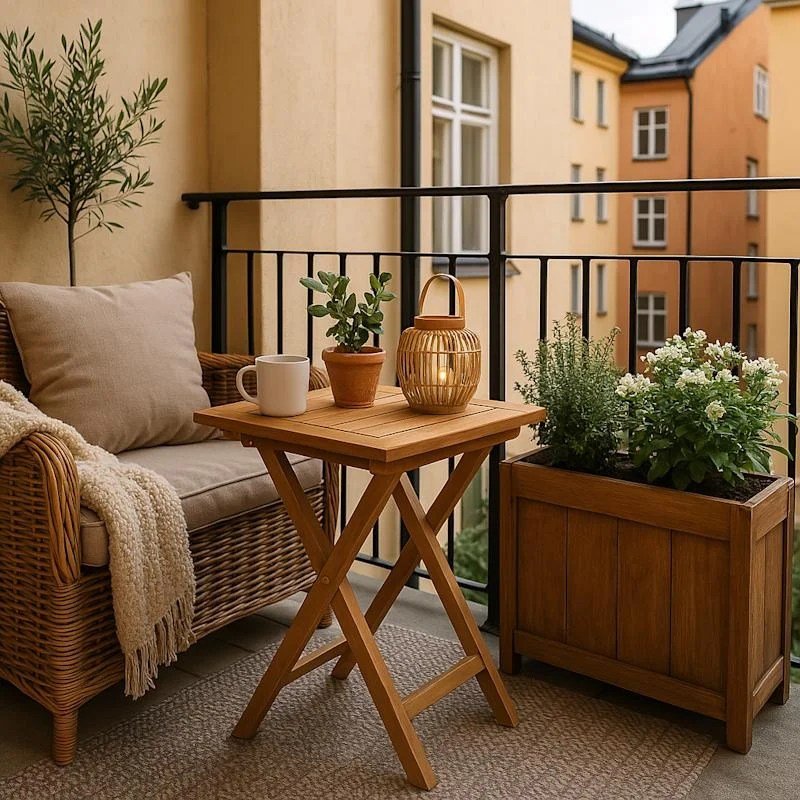
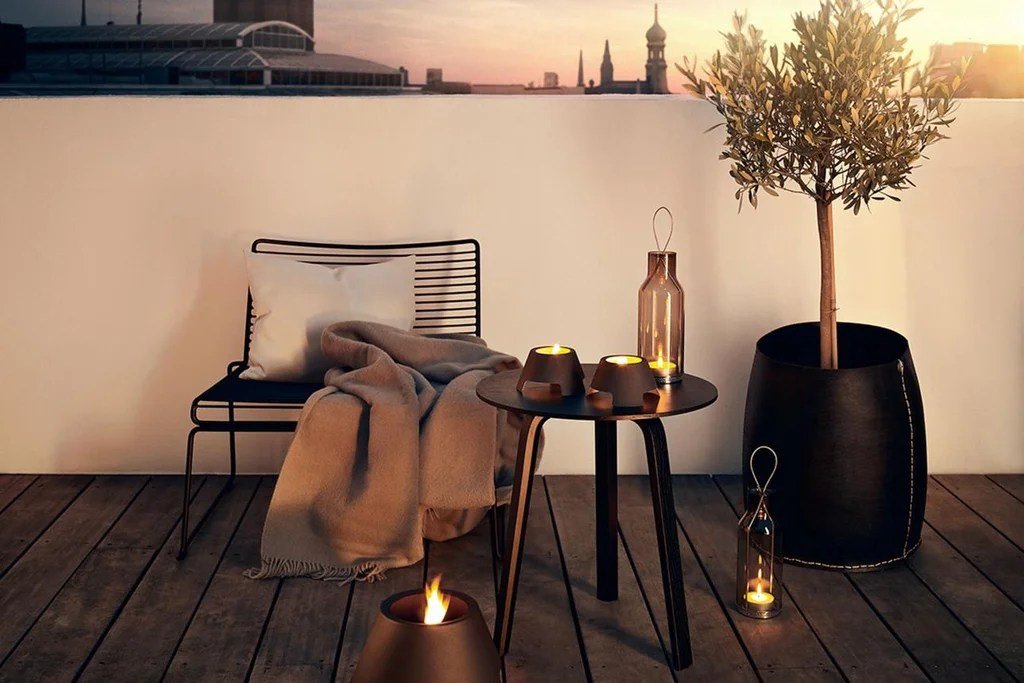
Decorative accessories can give a balcony personality without requiring large furniture or permanent changes. A lantern, a small weather-resistant sculpture, a decorative tray, or a compact planter can help make the space feel considered. The key is to choose a few pieces rather than filling every available corner. On a tiny balcony, too many accessories quickly become clutter and can make it harder to move around.
When choosing lanterns, pay attention to how they produce light. Battery-operated or rechargeable LED lanterns can offer a candle-like appearance without an open flame, which may be a more suitable choice for buildings that prohibit candles or fire features. However, you should still check your property’s rules. Some buildings restrict decorative lighting, and outdoor products need to be suitable for the conditions in which they’re used. Avoid placing accessories on railings or ledges where they could fall.
Materials can help tie the arrangement together. A matte metal lantern, terracotta pot, and natural-texture cushion can create a relaxed, earthy look. For a more contemporary balcony, choose simple shapes in black, cream, or charcoal. Keep accessories low and stable, and leave the door, walkway, and drainage points unobstructed.
Styling tip: Try a simple group of three objects with different heights, such as a lantern, a plant pot, and a small tray on a stable surface. A limited arrangement often looks more polished than a collection of unrelated decorations.
12. Use a Narrow Console or Rail-Free Plant Stand
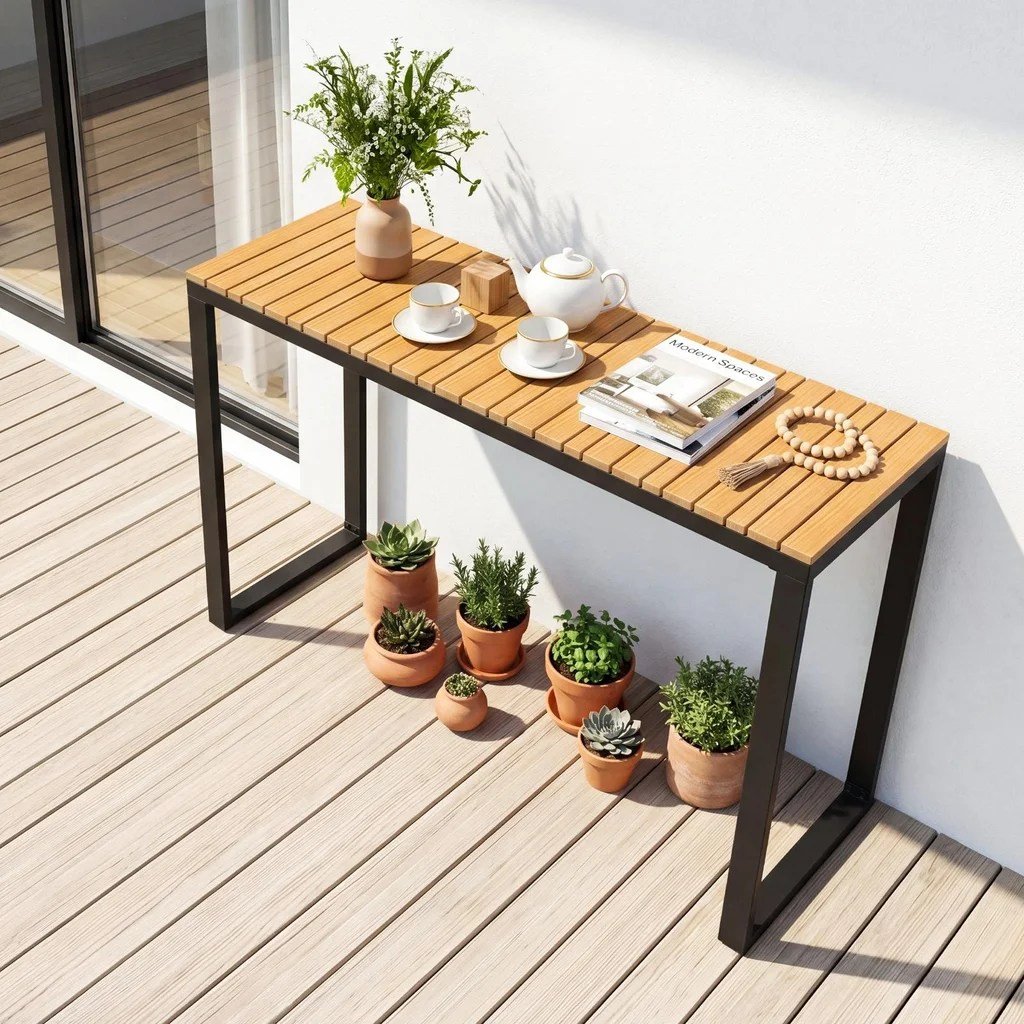
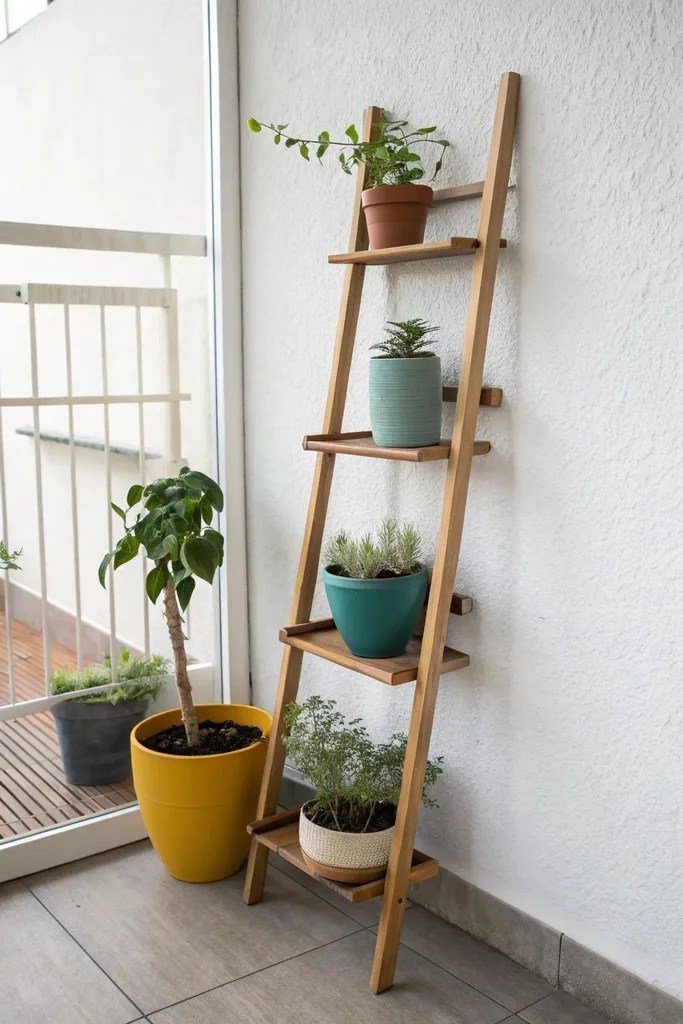
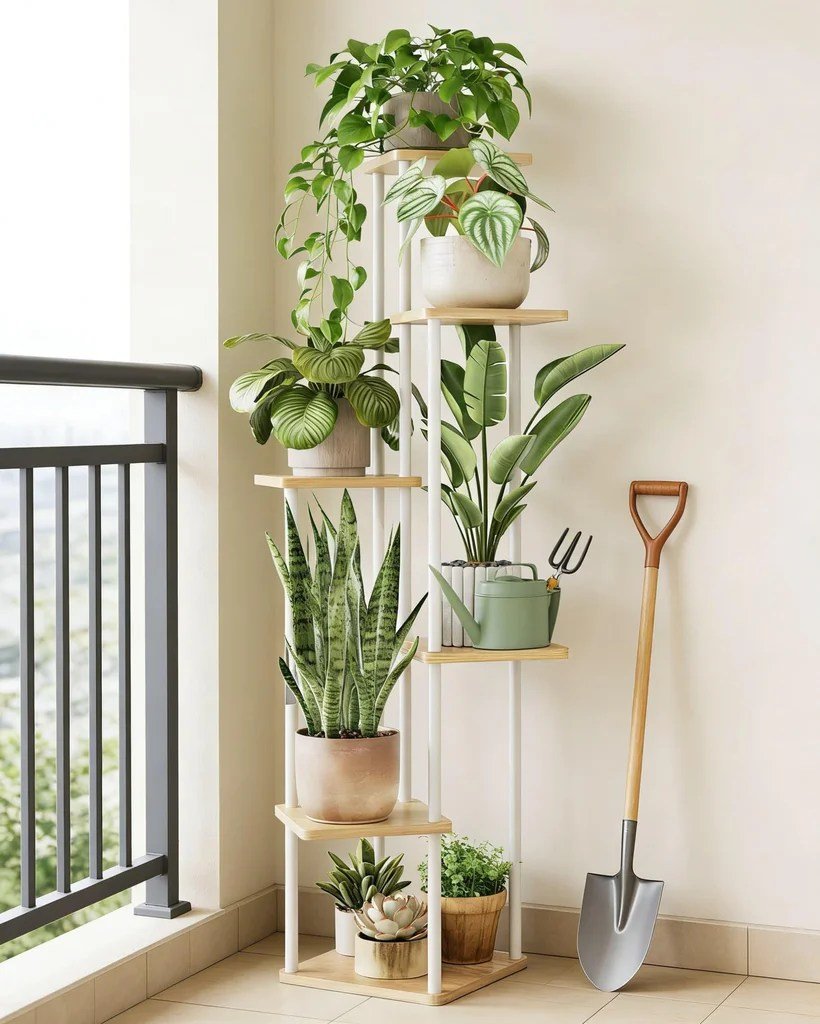
A narrow console can make use of an awkward strip of balcony space without taking up the room needed for a chair or walking path. It can hold a few small planters, a portable lamp, or a tray for outdoor essentials. If your balcony is long and narrow, a slim freestanding table placed along an approved wall-side area may be more practical than a deep coffee table in the middle.
Look for outdoor furniture with a small footprint and a stable base. A narrow table should not wobble when you place a pot or lamp on it, and it shouldn’t obstruct the balcony door or any required access route. Avoid rail-mounted tables and hanging planters unless your building specifically permits them. Even if a product is advertised as renter-friendly, it may still violate balcony rules or create a hazard if it projects beyond the balcony’s safe usable area.
A plant stand can provide a similar function if you don’t need a tabletop. Choose one with shelves that support the size and weight of your containers. Keep the arrangement low enough to avoid blocking views or creating issues with exterior appearance rules. If you want a little more visual interest, mix one or two plants with a small decorative object rather than filling every shelf.
Styling tip: A slim console in a natural finish can make a balcony feel more like an outdoor extension of your living room. Keep the display simple and repeat the same pot color for a tidy look.
13. Create a Relaxing Reading Nook
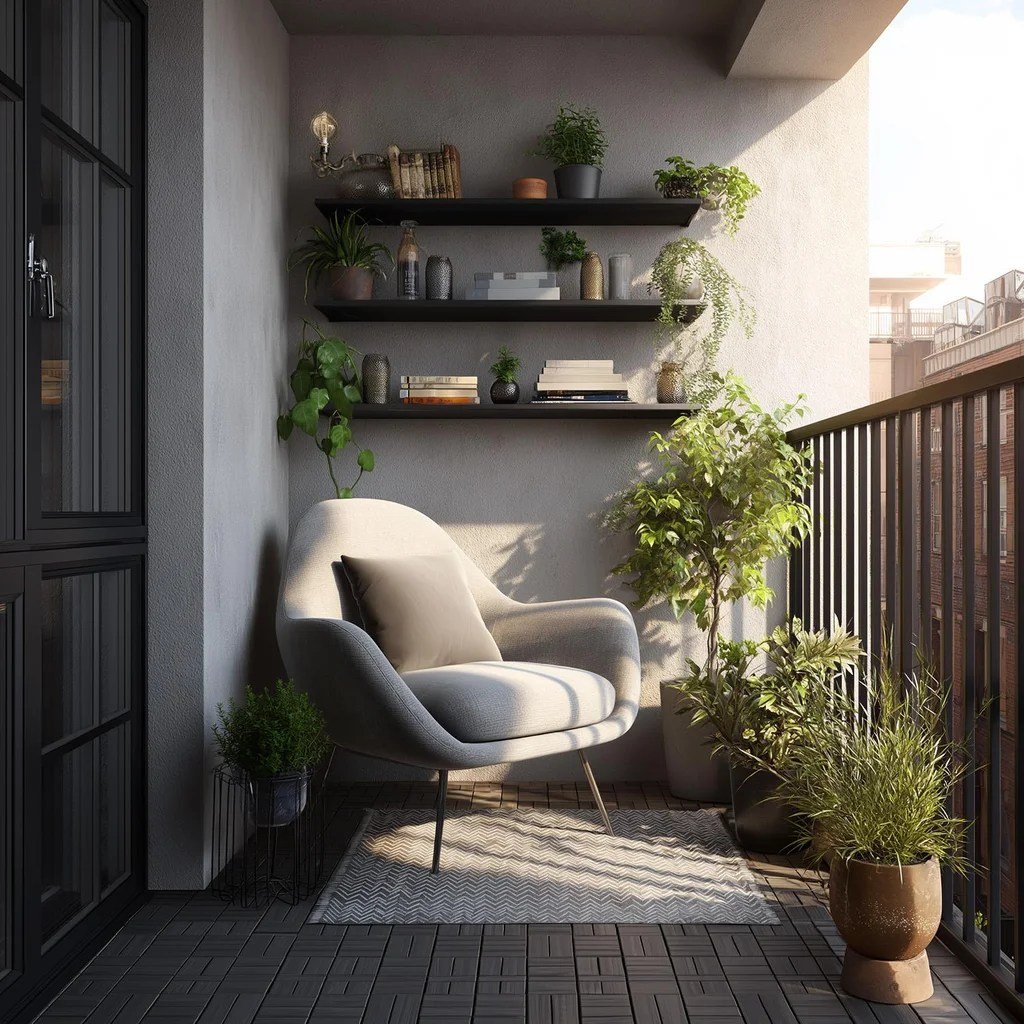
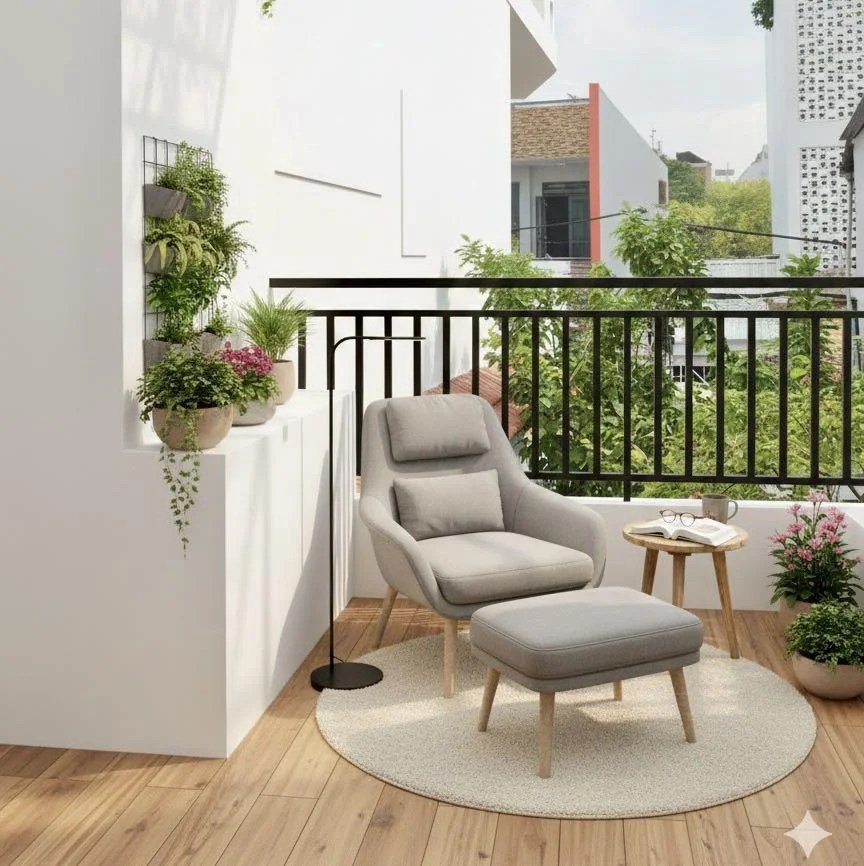
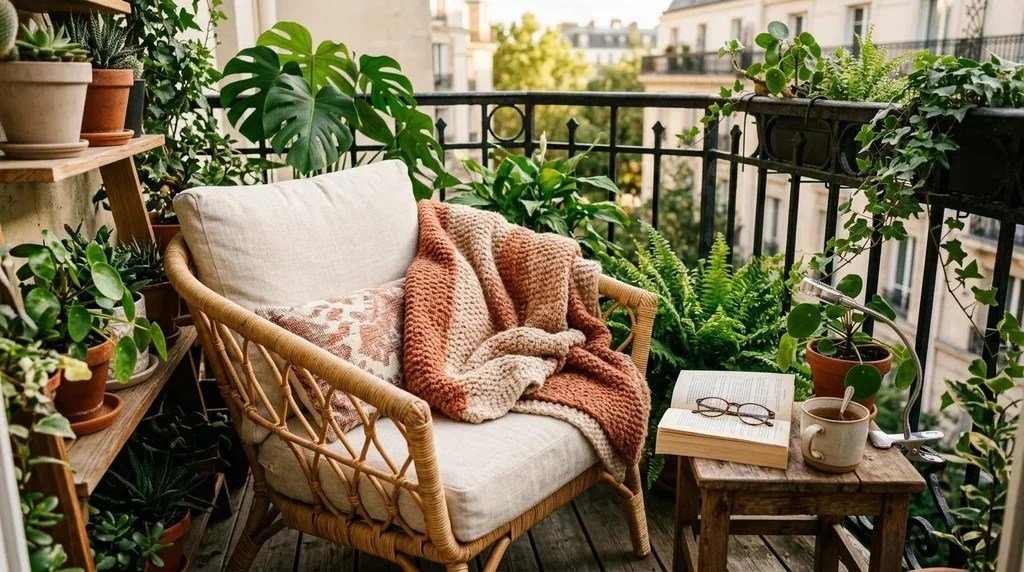
A balcony doesn’t need to be large to become a lovely reading spot. A supportive chair, a cushion, a small side table, and a portable lamp can be enough to create a place where you can enjoy a book and a little fresh air. This setup is especially useful if your apartment doesn’t have a dedicated reading corner indoors. The balcony becomes a separate little destination without needing permanent changes.
Start by choosing the most comfortable position. If possible, place the chair where you can enjoy a pleasant view while remaining away from the railing. Make sure the chair doesn’t block the door or narrow the walking route. A folding chair can be practical if you need to clear the balcony regularly, while a compact outdoor lounge chair may be more comfortable if you have a little extra space.
Keep the accessories functional. A small table can hold your book and drink, while a weather-resistant cushion adds comfort. If you like reading in the evening, a portable outdoor-rated lamp can provide a gentle glow. Bring books, cushions, and electronic devices inside when you’re finished, particularly if the balcony is exposed to rain or humidity.
Styling tip: Add one plant beside the chair and choose a cushion in a calming shade such as sage, beige, muted blue, or warm terracotta. The aim is to create a peaceful corner, not a crowded outdoor living room.
14. Decorate With a Simple Natural Color Palette
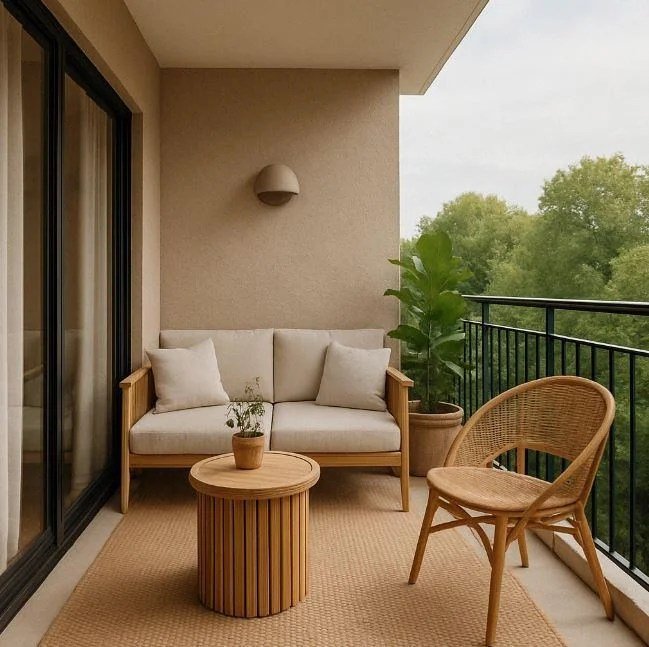

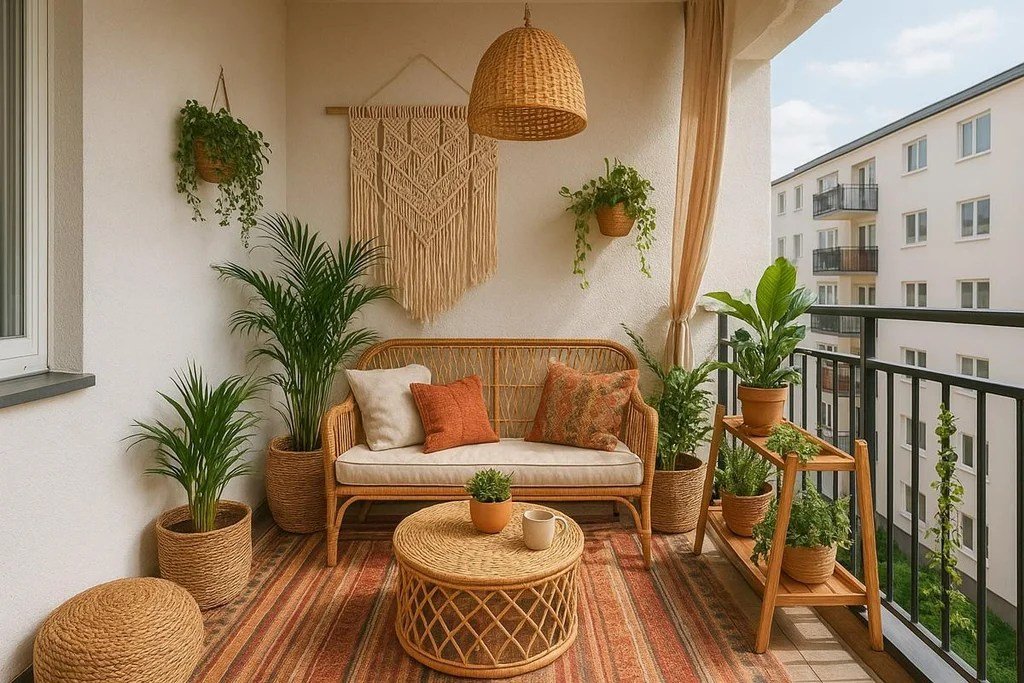
A coordinated color palette can make a rental balcony look thoughtfully designed even when the furniture is inexpensive or the space is very small. Natural colors are particularly useful because they work with many building finishes and can make an outdoor area feel calm. Think warm beige, cream, soft gray, muted green, terracotta, and natural wood tones. These colors complement plants and outdoor materials without requiring paint or permanent alterations.
You don’t have to buy everything in the same shade. Instead, choose one main neutral, one supporting natural color, and one accent. For example, a cream cushion, a terracotta planter, and green foliage can create a warm, relaxed combination. If your balcony has dark metal railings or gray flooring, natural wood and soft textiles can help balance those harder surfaces. A limited palette also makes it easier to reuse items you already own.
Texture is just as important as color. Woven-look planters, outdoor cushions, smooth metal furniture, and natural-looking wood finishes can add variety without making the space visually busy. Choose materials designed for outdoor conditions, and avoid leaving indoor textiles outside where they may fade or become damp.
Styling tip: Repeat each accent color at least twice. If you choose terracotta, use it in two planters or repeat a similar shade in a cushion. Repetition helps a small balcony feel cohesive.
15. Make a Flexible Balcony That Changes With the Seasons
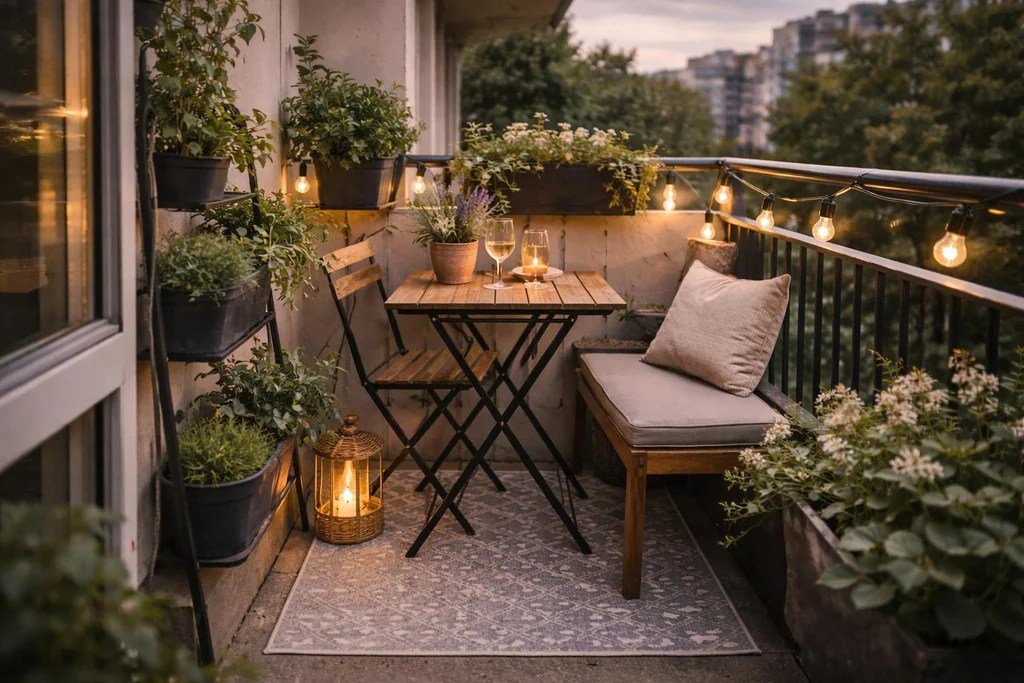
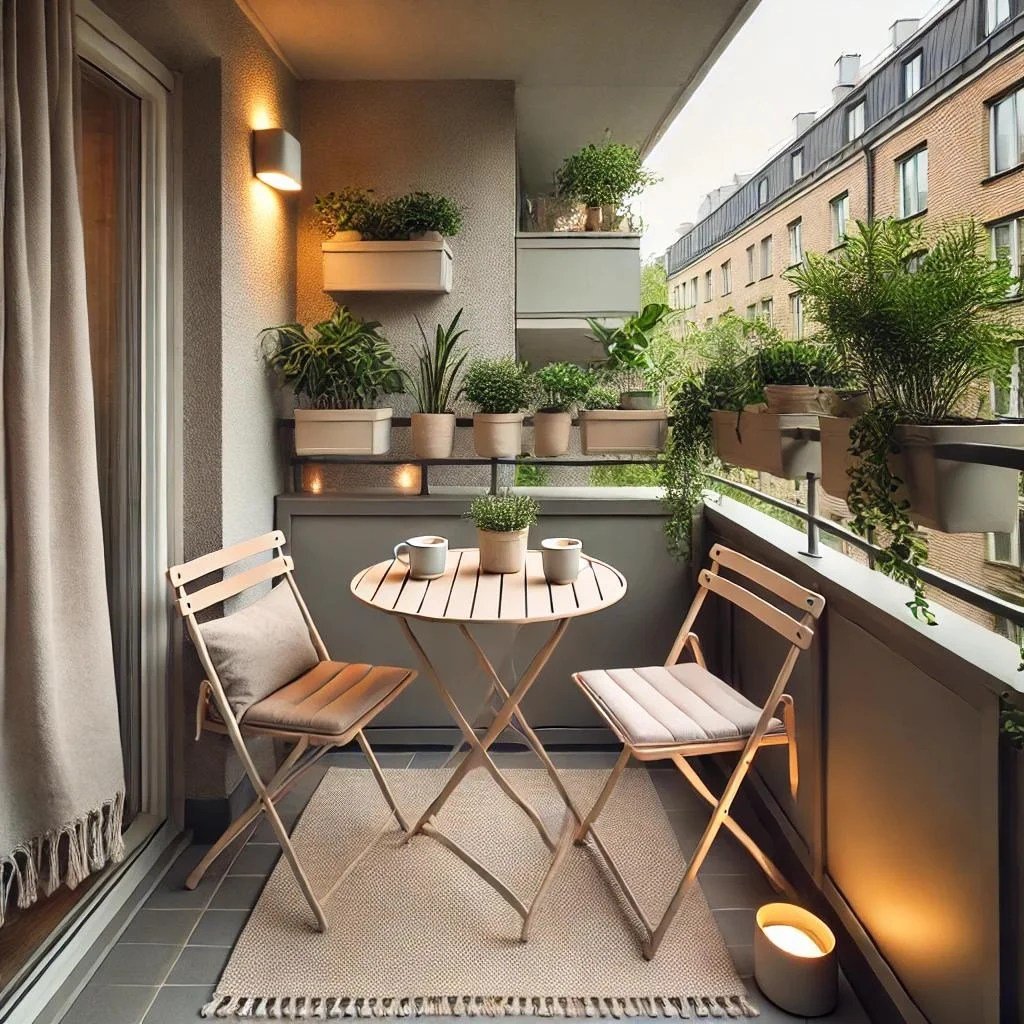
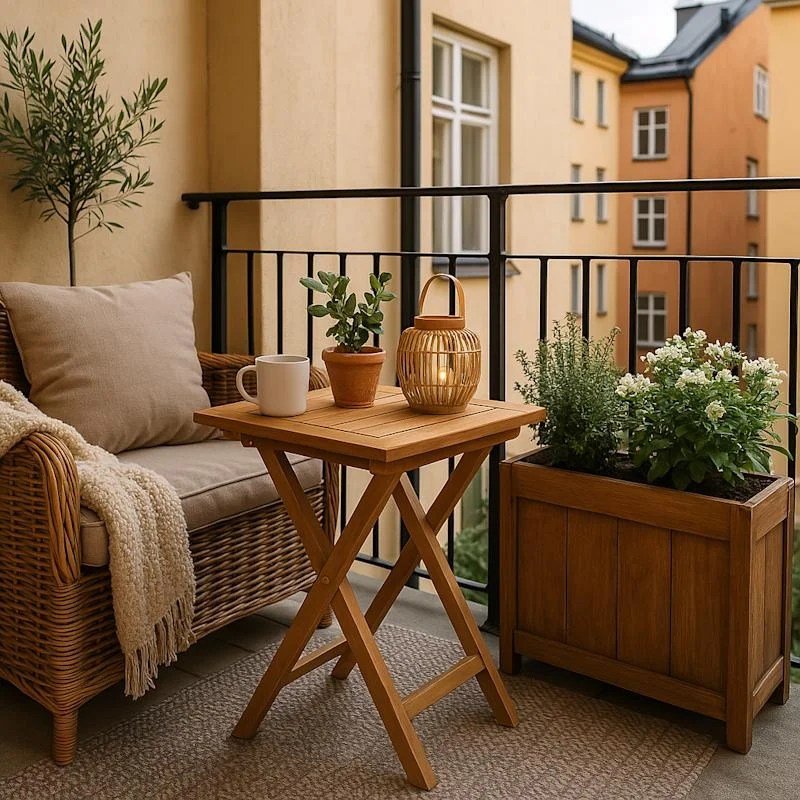
One of the smartest ways to decorate a rental balcony is to keep it flexible. Rather than installing a fixed arrangement, choose pieces that can be moved, folded, stored, or brought indoors as the weather changes. A folding chair might be perfect for warm mornings, while a storage bench can hold cushions when rain is expected. A portable lamp can move between the balcony and living room, and small planters can be rearranged as sunlight shifts through the year.
This approach is particularly useful if your building has strict rules or if you expect to move within a year or two. You won’t have to undo a complicated installation or repair permanent alterations. You can also adapt the balcony to different activities. In summer, it might become a small breakfast area; during cooler months, it can hold a few hardy plants and a simple chair on days when the weather is pleasant.
Make a habit of checking the balcony before severe weather. Store loose accessories, bring in cushions, and follow building instructions about furniture and planters. Don’t leave lightweight objects where wind could carry them over the railing. If your property has seasonal balcony inspections or specific storage requirements, plan your arrangement around those rules.
Styling tip: Invest in a few versatile pieces rather than buying a different set of decorations for every season. A folding chair, compact table, two planters, and one outdoor cushion can be rearranged in several ways without making the balcony feel repetitive.
What to Avoid on a Strictly Regulated Rental Balcony
A rental balcony can look beautiful without permanent changes, but some decorating choices create problems even when they seem harmless. The safest approach is to understand that balcony rules often exist for structural, fire-safety, drainage, and public-safety reasons. A decoration that works perfectly in one apartment building may be prohibited in another. Before bringing anything outside, check the specific rules for your property.
Here are some things to be particularly careful about:
| Item or decorating choice | Why it may be restricted | Safer approach |
|---|---|---|
| Drilled wall hooks and shelves | Can damage exterior walls or waterproofing | Use approved freestanding furniture |
| Railing planters | May fall, obstruct drainage, or alter the exterior | Use stable floor-standing pots |
| Hanging privacy fabric | Can catch strong wind or change the building’s appearance | Ask about approved freestanding screens |
| Outdoor string lights | May involve prohibited attachments or electrical hazards | Consider an approved portable lamp |
| Candles and fire pits | Can create fire and smoke risks | Use battery-powered LED lighting if permitted |
| Heavy ceramic planters | Can add substantial weight to the balcony | Choose lighter containers within building limits |
| Artificial grass or deck tiles | May trap moisture or interfere with drainage | Use an approved removable outdoor rug |
| Large furniture | Can block access or create wind-related hazards | Measure carefully and choose compact pieces |
| Objects on balcony railings | Can fall and injure people below | Keep decor securely on the balcony floor |
Be careful with anything attached to the railing
Railings are not decorative shelves. Avoid hanging baskets, lights, signs, fabric, and other accessories from them unless your building explicitly permits the particular item and installation method. Wind can make attached objects move unexpectedly, and even a lightweight decoration can become dangerous if it falls from an upper floor. Keep furniture and planters positioned safely away from the railing, and never use a chair, bench, or plant stand to create extra height near it.
Don’t block drainage or ventilation
Balcony drains need to remain accessible so rainwater can flow away. Rugs, storage boxes, planters, and decorative flooring should never cover drainage points or create places where water becomes trapped. Standing water can encourage insects, create unpleasant smells, and contribute to moisture problems. Also avoid placing furniture or screens where they obstruct required access, ventilation, or emergency exits.
Avoid assuming removable means approved
A freestanding screen, portable lamp, or outdoor rug may not damage the wall, but your building can still restrict it. Some properties regulate the balcony’s visible appearance, the type of furniture permitted, or the materials used outdoors. If you’re uncertain about an item, send the property manager a photo or product description before purchasing it. A quick confirmation is much easier than removing an entire setup later.
How to Make a Small Rental Balcony Look Bigger
A small balcony can feel surprisingly spacious when you give every item enough room to function. The biggest mistake is trying to squeeze in too many things. A chair, a table, several planters, a storage box, and decorative accessories might all look attractive individually, but together they can make a narrow balcony difficult to use. Instead, decide what matters most. Do you want a place to drink coffee, a small garden, or a comfortable reading corner? Choose one main purpose and let the rest of the arrangement support it.
Start by protecting the walking space. Measure the balcony before buying furniture, including the door swing and any access points that need to remain clear. A narrow folding chair and a small side table may be more useful than a full two-seat set. If the balcony is long, place furniture toward one end and keep the other end open. This creates a visual path that makes the space feel less crowded.
Color can help, too. Light neutrals, natural wood, and soft greens create a calm look, while a few darker accents add contrast. You don’t need to make everything white to create a sense of openness. A coordinated palette simply helps the eye move around the space without getting distracted by too many unrelated colors. If the balcony has a dark floor or railing, lighter cushions and planters can provide balance.
Think vertically, but choose safe, freestanding solutions. A tiered plant stand can display several pots in a smaller footprint than placing them all along the floor. A slim side table can replace a bulky coffee table, and folding chairs can be stored when they’re not needed. Avoid wall-mounted shelves or railing accessories unless they are specifically approved.
Finally, resist the temptation to decorate every empty corner. A little open space is part of good design. When you can walk comfortably, pull out a chair, and use the table without moving several objects first, the balcony feels bigger because it actually works better.
A simple small-balcony layout formula
The compact balcony setup
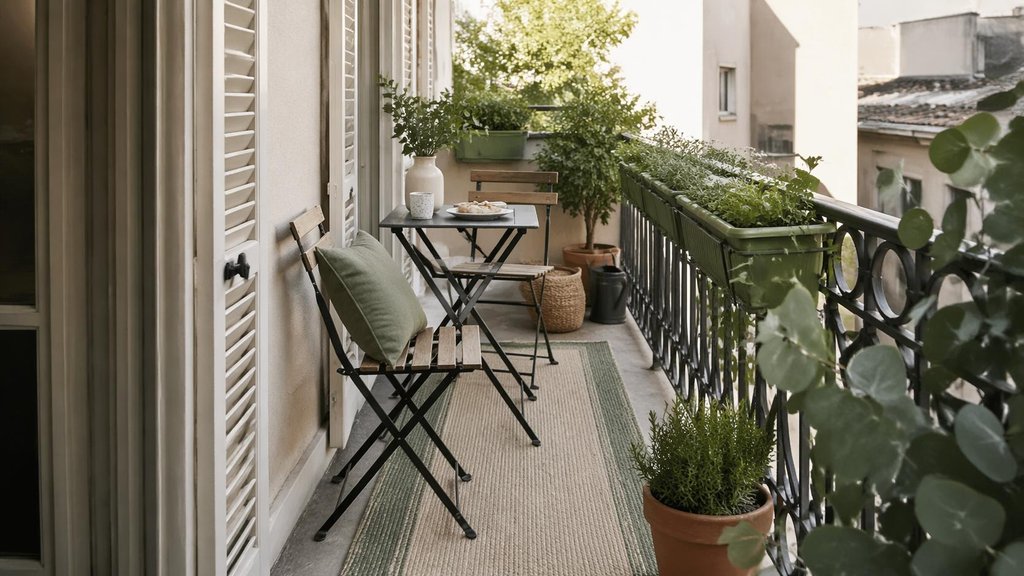
- One main seating piece: A folding chair or compact outdoor chair.
- One useful surface: A small side table for a drink, book, or lamp.
- Two or three plants: Choose varieties suited to the balcony’s light and weather.
- One soft detail: An approved outdoor rug or weather-resistant cushion.
- Clear floor space: Keep the entrance, walkway, and drainage points unobstructed.
A starting point, not a fixed plan. Adapt the arrangement to your balcony dimensions and building rules.
Conclusion: Make Your Rental Balcony Feel Like Your Own
A strict decorating policy doesn’t mean your apartment balcony has to remain an empty concrete space. It simply means you need to be more thoughtful about what you bring outside and how you arrange it. With a comfortable folding chair, a few stable planters, a portable lamp, and a coordinated color palette, even a small balcony can become a pleasant place to relax.
The best balcony ideas for apartment renters are practical as well as attractive. Choose furniture that fits the available space, use freestanding accessories where possible, and avoid anything that could fall, block drainage, or interfere with building safety requirements. You don’t need a permanent garden, a custom floor, or a complicated lighting installation to create a space you enjoy.
Start with one useful piece, add a little greenery, and build the arrangement gradually. Most importantly, check your building’s rules before purchasing or installing anything. Your balcony should feel like a natural extension of your home—and everything you add should be easy to manage, safe to use, and suitable for your rental.
FAQs About Decorating a Rental Balcony
1. How can I decorate my apartment balcony without drilling holes?
Choose portable furniture and freestanding accessories. Folding chairs, small outdoor tables, floor-standing planters, plant stands, storage benches, portable lamps, and outdoor cushions can all add personality without requiring holes in the walls. You can also use a freestanding privacy screen if your building allows it. Avoid attaching items to railings or exterior walls unless the property manager has approved the specific installation.
2. What can I put on a rental balcony with strict decorating rules?
Start with items that sit securely on the balcony floor, such as approved folding furniture, lightweight outdoor chairs, stable planters, and portable accessories. A small outdoor rug or rechargeable lamp may also work, depending on your property’s rules. Check restrictions on furniture size, visible decorations, drainage, fire safety, and balcony weight limits before making purchases. Strict buildings may regulate movable objects as well as permanent installations.
3. How do I make a tiny apartment balcony look cozy?
Focus on a few comfortable pieces rather than filling every corner. A compact chair, a small side table, two or three plants, and one weather-resistant cushion can create a welcoming seating area. Choose a simple color palette and use similar planter finishes to make the arrangement feel coordinated. Keep the walking space clear so the balcony remains comfortable and easy to use.
4. Can renters use outdoor rugs on apartment balconies?
Sometimes, but it depends on the building’s rules and the balcony’s drainage requirements. Choose an outdoor rug suitable for the weather, make sure it lies flat, and never cover drains or allow water to collect underneath. Some properties prohibit balcony rugs because they can trap moisture or affect the exterior appearance. Check with management before purchasing one, and bring it inside when necessary.
5. What are the best plants for a small apartment balcony?
The best plants depend on sunlight, wind exposure, temperature, and how much care you can provide. A sunny balcony may suit certain herbs and flowering plants, while a shaded balcony may be better for plants that tolerate lower light. Choose compact varieties and stable floor-standing pots, and make sure containers drain appropriately. Avoid placing plants on railings or ledges where they could fall.

Leave a Reply