
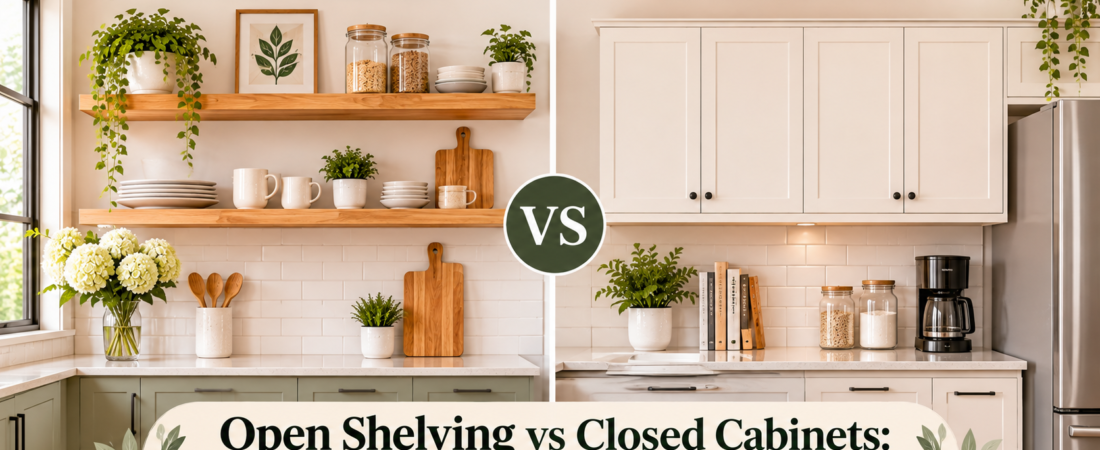
Walk into a beautifully styled kitchen or living room, and you might notice something before anything else: the storage. Maybe it’s a row of wooden shelves displaying neatly stacked plates, favorite mugs, and a few decorative pieces. Or perhaps it’s a wall of smooth, handle-free cabinets that makes everything look calm and uncluttered. Both can look fantastic, but they create very different experiences in a home.
That’s the real question behind open shelving vs closed cabinets. Which one gives you better storage? Which is easier to maintain? And which makes a room feel more organized instead of simply looking good in a photograph?
The answer depends on what you own, how often you use it, how much cleaning you’re willing to do, and the atmosphere you want to create. Open shelves make everyday objects visible and accessible, while closed cabinets keep belongings behind doors and give a room a more streamlined appearance. One isn’t automatically better than the other.
In this guide, we’ll compare their advantages, disadvantages, costs, maintenance needs, and best uses in different rooms. You’ll also find practical styling ideas and ways to combine both options. By the end, you’ll have a clearer idea of which storage style makes sense for your home, rather than choosing something simply because it looks beautiful online.
What Is Open Shelving?
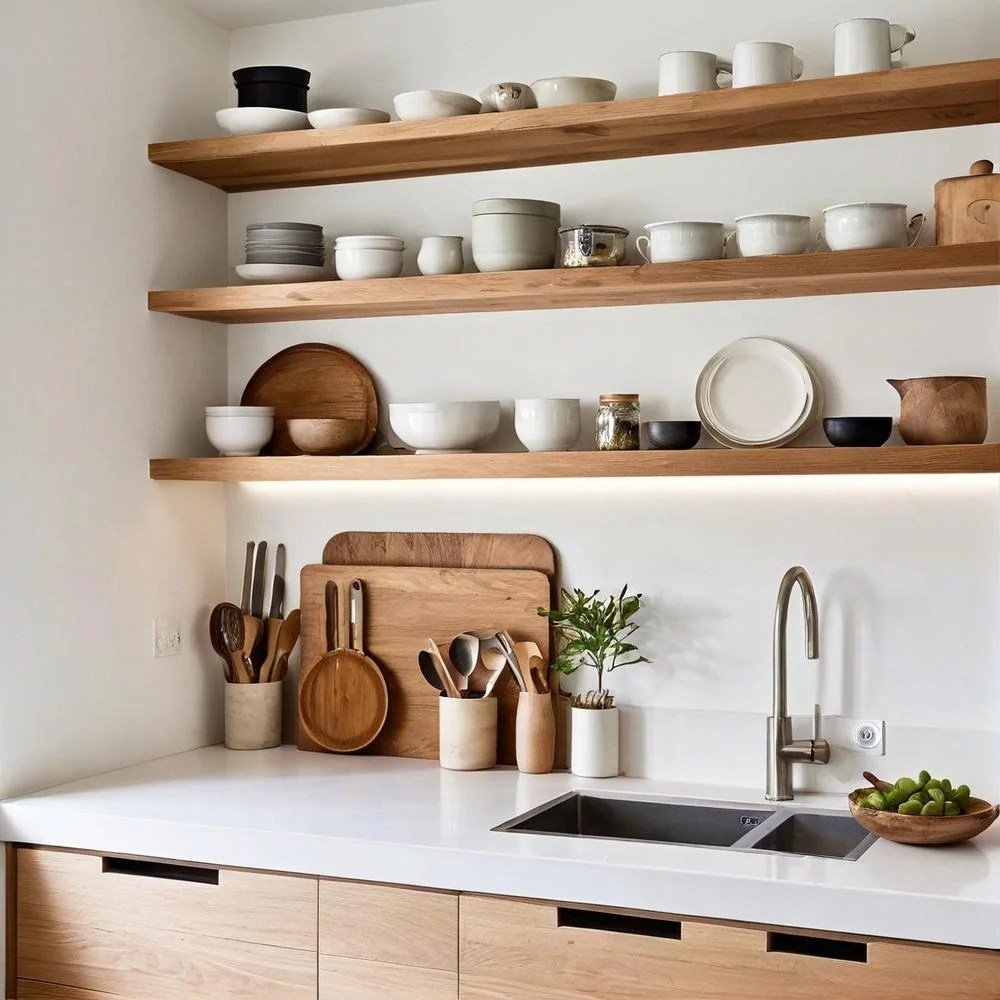
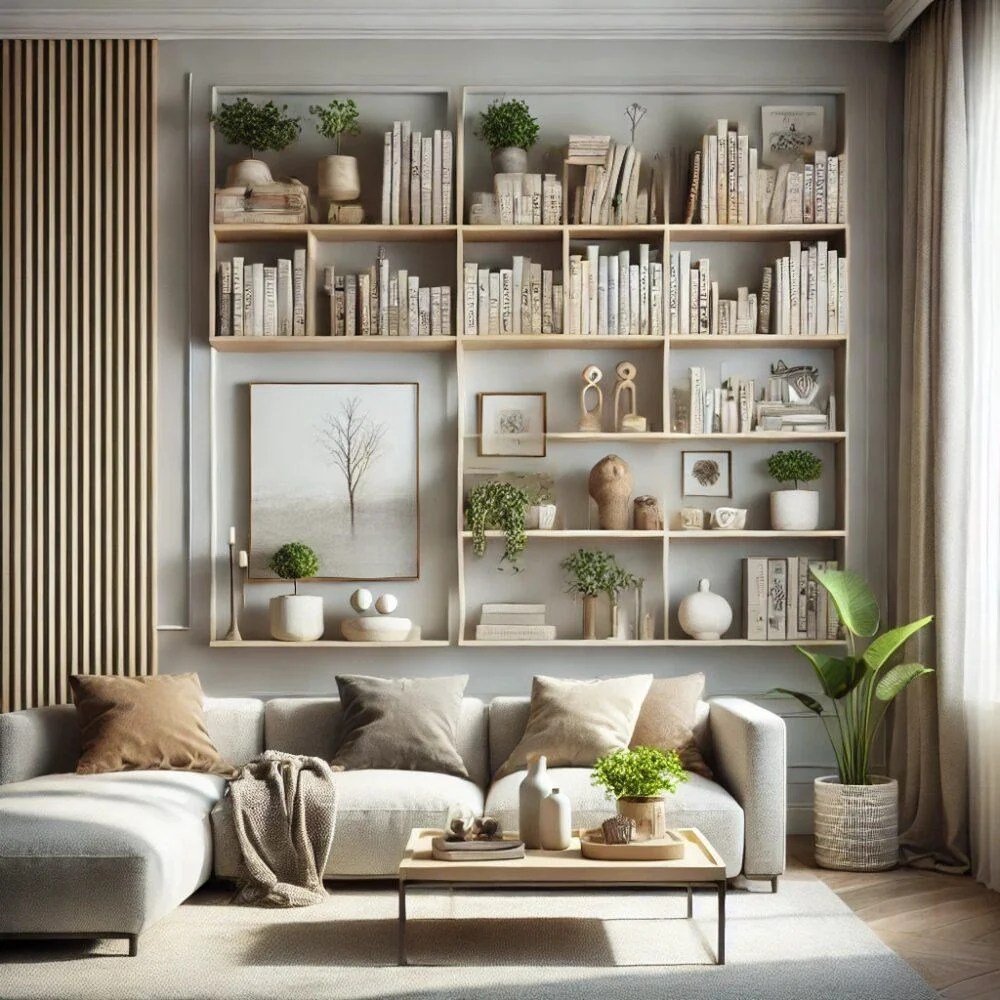
Open shelving is a storage arrangement where shelves remain exposed instead of being enclosed behind cabinet doors. You can see everything placed on them, from dinner plates and cookbooks to baskets, plants, glassware, and decorative objects. The shelves might be floating directly on a wall, supported by brackets, built into a niche, or incorporated into a larger storage unit.
This style has become popular in modern kitchens, but it isn’t limited to cooking spaces. You’ll find open shelves in living rooms, bedrooms, bathrooms, home offices, and even narrow hallways. Their appeal is easy to understand: they turn ordinary storage into part of the room’s design. A collection of ceramic bowls can become a visual feature, while a few carefully arranged books can make an empty wall feel personal.
Open shelving is available in plenty of materials. Natural wood creates warmth, painted shelves can blend into the wall, and metal options work well in industrial or contemporary interiors. Glass shelves can feel light and understated, especially in smaller rooms, although they require regular cleaning to keep fingerprints and dust from becoming noticeable.
The biggest difference is visibility. With open shelving, the things you store are also the things people see. That can be a benefit when your belongings are attractive, frequently used, and reasonably easy to organize. It can become a challenge when you have mismatched containers, crowded stacks, or everyday items that you’d rather keep out of sight.
Benefits of Open Shelving
One of the strongest advantages of open shelving is accessibility. You don’t need to open a door, pull out a drawer, or search through a deep cabinet to find something. If you reach for the same coffee mug every morning or use a particular cooking bowl several times a week, keeping it on an open shelf makes the routine feel easier. The storage is right there, visible and ready to use.
Open shelves can also make a room feel less visually heavy. Traditional upper cabinets create a solid block across a wall, especially when they extend from the countertop to the ceiling. Replacing some of that visual mass with shelves allows more of the wall to remain visible. In a compact kitchen, this can make the space feel more open, although it doesn’t necessarily create additional physical floor area.
Another advantage is design flexibility. You can change the arrangement whenever your needs or tastes shift. Move a plant, replace a stack of cookbooks, add a framed print, or rearrange your favorite serving pieces. You don’t need to replace an entire cabinet to refresh the look.
Open shelving can also be useful when you’re decorating on a limited budget. A few simple wall-mounted shelves may cost less than a full run of custom cabinetry, depending on the materials, hardware, and installation. They’re especially practical when you only need a little extra storage rather than a complete storage system.
Here are a few situations where open shelves are particularly useful:
- Everyday essentials: Keep frequently used mugs, plates, spices, or towels within easy reach.
- Display storage: Show off attractive ceramics, glassware, books, or collectibles.
- Small spaces: Reduce the heavy appearance of bulky upper cabinets.
- Flexible decorating: Rearrange objects and accessories without remodeling.
- Awkward wall areas: Add useful storage to narrow spaces or unused corners.
The visual benefit is worth mentioning, too. Open shelves can make a home feel lived-in rather than overly formal. They give you a place to display objects that tell a story, such as handmade pottery, travel souvenirs, or inherited kitchenware. When arranged thoughtfully, these everyday belongings become part of the room’s personality.
Drawbacks of Open Shelving
The biggest disadvantage of open shelving is that everything stays exposed. Dust settles on the shelves, grease can collect in kitchens, and moisture may affect certain materials in bathrooms. Even objects that you don’t use regularly need occasional cleaning. If you store glasses or decorative dishes near a cooking area, you may find yourself washing them before use simply because they’ve been sitting out.
Open shelving also demands more organization. A closed cabinet can hide a jumble of containers, spare appliances, and mismatched dishes. An open shelf cannot offer the same visual privacy. If you place too many objects together, the arrangement can quickly look crowded. The shelf may technically provide plenty of storage, but the room can feel messier because every item is on display.
There is also the question of storage capacity. Shelves are not always the best place for bulky appliances, cleaning supplies, food packages, or personal belongings. You might be able to fit those items on an open shelf, but that doesn’t mean they will look attractive or remain protected.
Safety and installation matter as well. Heavy objects require shelves with suitable brackets, anchors, and wall support. A shelf installed incorrectly can sag or pull away from the wall. In homes with young children or pets, objects placed on lower shelves may also be easier to reach, move, or knock over.
Think carefully before choosing open shelving if you:
- Prefer a visually minimal room but own many small items.
- Don’t want to dust and wipe shelves frequently.
- Need to store supplies that aren’t decorative.
- Have limited wall space and need maximum enclosed storage.
- Plan to place heavy objects on shelves without suitable structural support.
Open shelving can be beautiful, but it works best when you treat it as both storage and display. If you expect it to hide clutter, you’ll probably be disappointed. Its strength is visibility, and that same quality is also its main limitation.
What Are Closed Cabinets?
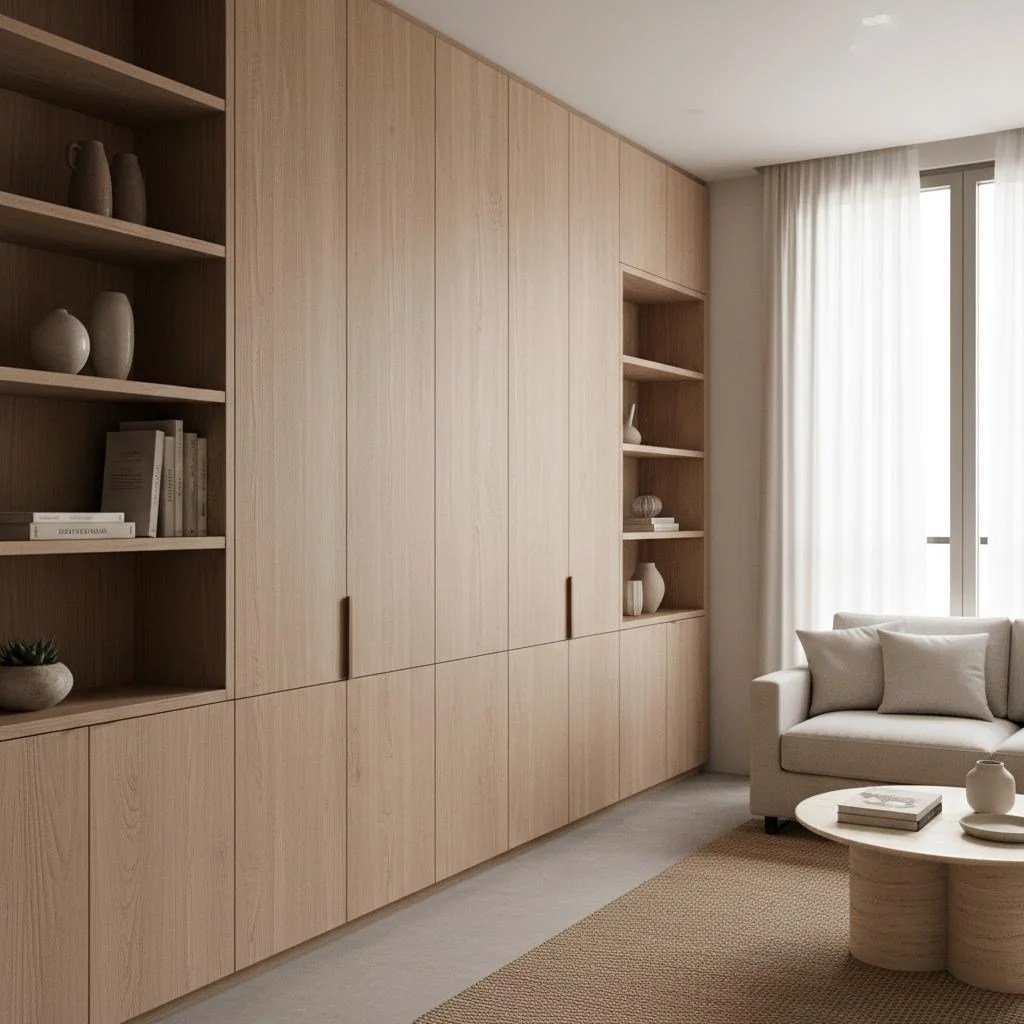
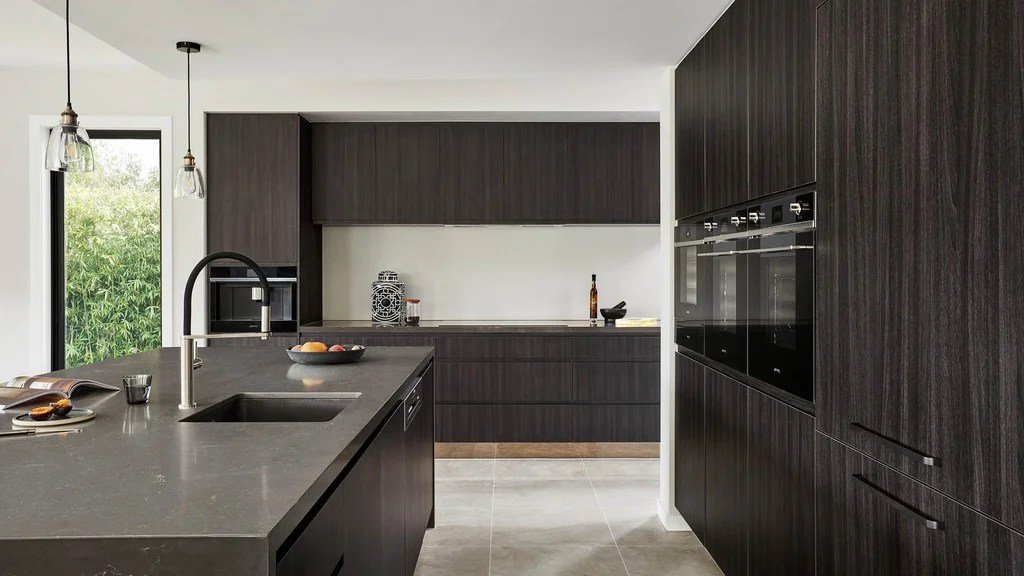
Closed cabinets are storage units with doors that conceal their contents. They can be installed above countertops, beneath sinks, along bedroom walls, inside bathrooms, or throughout living areas. Some are freestanding furniture pieces, while others are built into the room as permanent cabinetry.
Their biggest advantage is simple: you can put things away and close the door. Everyday objects don’t need to match, coordinate, or look decorative. You can store food packets, spare towels, cleaning products, electronics, paperwork, and kitchen equipment without making them part of the room’s visual design.
Closed cabinets come in a wide range of styles. Shaker doors suit classic and transitional interiors, flat-panel fronts create a contemporary look, and glass-front cabinets offer a partial display option while still providing some protection. You can choose natural wood, painted finishes, laminate, metal, or other materials depending on your budget and design preferences.
Cabinet interiors can also be customized. Adjustable shelves, pull-out trays, drawer organizers, dividers, and corner mechanisms help you make better use of the available space. This matters because a cabinet isn’t automatically organized just because it has a door. Without a sensible interior layout, items can disappear into the back and become difficult to find.
Closed cabinets are often the practical choice when you need storage that can handle a mixture of attractive and unattractive belongings. They let you keep the room’s visible surfaces relatively calm, even if the storage inside is working hard.
Benefits of Closed Cabinets
The most obvious benefit is that closed cabinets hide visual clutter. You can store a collection of kitchen appliances, extra dishes, pantry supplies, or cleaning products without displaying every item. When the doors are closed, the room looks more unified. This is particularly useful in open-plan homes, where the kitchen is visible from the dining or living area.
Cabinets also provide a degree of protection. Doors can reduce the amount of dust that settles directly on stored objects and help shield belongings from cooking splashes, sunlight, and accidental contact. They aren’t airtight or completely dustproof, but they create a barrier that open shelves don’t have.
Another major advantage is storage flexibility. Cabinets can be designed with different internal sections for different belongings. Deep shelves can hold larger items, shallow drawers can organize utensils, and tall compartments can accommodate appliances or cleaning equipment. You can also add pull-out systems that make deep spaces easier to reach.
Closed storage is especially helpful for households with busy routines. Not everyone has time to arrange objects into attractive displays. Sometimes you just want to put away the dishes after dinner, close the doors, and move on with your evening. Cabinets make that possible without requiring every item to look coordinated.
They also create a consistent visual surface. Matching cabinet fronts can make a room feel intentional and balanced. In a small space, a simple cabinet finish that matches the walls can help storage blend into the background instead of competing with other design features.
Drawbacks of Closed Cabinets
Closed cabinets have their own disadvantages, and the first is accessibility. You need to open doors or drawers to see what’s inside. If the cabinet is deep, items stored at the back can be difficult to reach. It’s easy to forget about ingredients, spare linens, or kitchen tools that get pushed out of sight.
Cabinet interiors can become cluttered, too. Closing the doors doesn’t solve an organization problem; it only hides it. Without dividers, labeled containers, or adjustable shelving, belongings can become stacked in unstable piles. You may end up buying duplicates because you can’t remember what you already own.
Cost is another consideration. A full wall of cabinetry can be a substantial investment, particularly if you choose custom dimensions, premium finishes, or specialized storage fittings. Installation may also involve more work than mounting a few shelves. Depending on the room, cabinets might require careful measurement, leveling, hardware adjustment, and professional fitting.
Large cabinet units can also make a room feel visually dense. This is especially noticeable in narrow kitchens or small rooms with limited natural light. Floor-to-ceiling cabinetry provides valuable storage, but a continuous wall of dark or heavy-looking doors can make the space feel enclosed.
Finally, cabinets require maintenance. Hinges may loosen, drawer runners can wear out, and painted or laminated surfaces can scratch or chip. Grease and fingerprints often collect around handles, while the cabinet interiors still need occasional cleaning.
Open Shelving vs Closed Cabinets: Key Differences

The easiest way to compare these storage styles is to look at what matters in everyday use. Open shelves prioritize visibility and quick access, while closed cabinets prioritize concealment and protected storage. Neither one wins every category.
| Feature | Open Shelving | Closed Cabinets |
|---|---|---|
| Visibility | Everything is on display | Contents stay hidden |
| Accessibility | Quick to grab frequently used items | Requires opening doors or drawers |
| Dust protection | Limited | Better protection |
| Visual appearance | Airy, casual, decorative | Streamlined, tidy, structured |
| Organization | Needs consistent visible arrangement | Can conceal mixed belongings |
| Storage flexibility | Best for selected items | Better for varied storage needs |
| Cleaning | Shelves and displayed objects need frequent attention | Exterior and interior need periodic cleaning |
| Installation | Often simpler for a small shelf arrangement | Can require more planning and fitting |
| Budget | Can be economical for limited storage | Costs vary; extensive cabinetry can be expensive |
| Best use | Display and everyday essentials | Bulk storage and household clutter |
Which is more practical? Closed cabinets usually win when you need to store a large variety of belongings and want the room to look tidy with minimal daily effort. Open shelving wins when you want quick access, visual interest, and a lighter appearance.
However, the comparison changes depending on the room. A kitchen used by a large family has different storage demands from a guest bathroom or a small living room. Instead of choosing one style for the entire home, think about what each space needs to store.
Which Option Works Better in Different Rooms?
The best storage solution isn’t always the same throughout a home. A kitchen needs to handle food, dishes, cookware, and appliances. A living room may need to store books, electronics, and decorative pieces. A bathroom has to deal with moisture, toiletries, and cleaning products.
This is why room-by-room planning is more useful than following a single design rule. Consider the items you use, how often you reach for them, and whether you want them visible.
Kitchens and Dining Areas
Kitchens are one of the most popular places to use open shelving, and for good reason. Plates, bowls, glasses, mugs, and frequently used ingredients can be easy to reach when they’re stored on accessible shelves. A few wooden shelves above a countertop can also soften the appearance of a kitchen filled with solid cabinet fronts.
But kitchens are demanding environments. Cooking creates steam, grease, and food splashes, which can settle on exposed surfaces. If your shelves sit close to the stove, you’ll probably need to clean them and their contents more often. Open shelves are therefore best placed away from the messiest cooking zones.
Closed cabinets are usually more practical for storing pantry goods, small appliances, cleaning products, and items you don’t want on display. They also help create a calmer appearance in an open-plan kitchen, where visual clutter can affect the entire living area.
A balanced arrangement often works best. Keep lower cabinets for heavier items, use upper cabinets for less attractive storage, and add a short section of open shelving for everyday dishes or a few decorative pieces. In a dining area, open shelves can display serving bowls, glassware, or cookbooks, while a closed sideboard stores table linens and extra supplies.
Living Rooms and Bedrooms
In living rooms, open shelving can be a natural fit because many of the items people want to store are also attractive to display. Books, framed photographs, plants, ceramics, and collected objects can make shelves feel personal. A tall shelving unit can even become a focal point, especially when its colors and materials complement the rest of the furniture.
The challenge is avoiding visual overload. If every shelf is filled from edge to edge, the arrangement can compete with the sofa, artwork, and other features. Leave some empty space, vary the height of objects, and use baskets to group smaller belongings.
Closed cabinets work well for items that don’t need to be seen. Remote controls, cables, board games, paperwork, chargers, and spare accessories can all be stored behind doors. A media console with closed compartments is particularly useful because it keeps electronic accessories from becoming part of the room’s decoration.
Bedrooms benefit from the same combination. Open shelves can hold a small selection of books, baskets, or decorative objects, while closed wardrobes and cabinets handle clothing, accessories, and personal belongings. If your bedroom is already visually busy, more closed storage may help create a calmer atmosphere.
For a softer, more relaxed bedroom, consider a combination of concealed storage and a small display shelf above a dresser. You can add a framed photograph, a small lamp, or a favorite object without turning the entire wall into an exposed storage area.
Bathrooms and Laundry Rooms
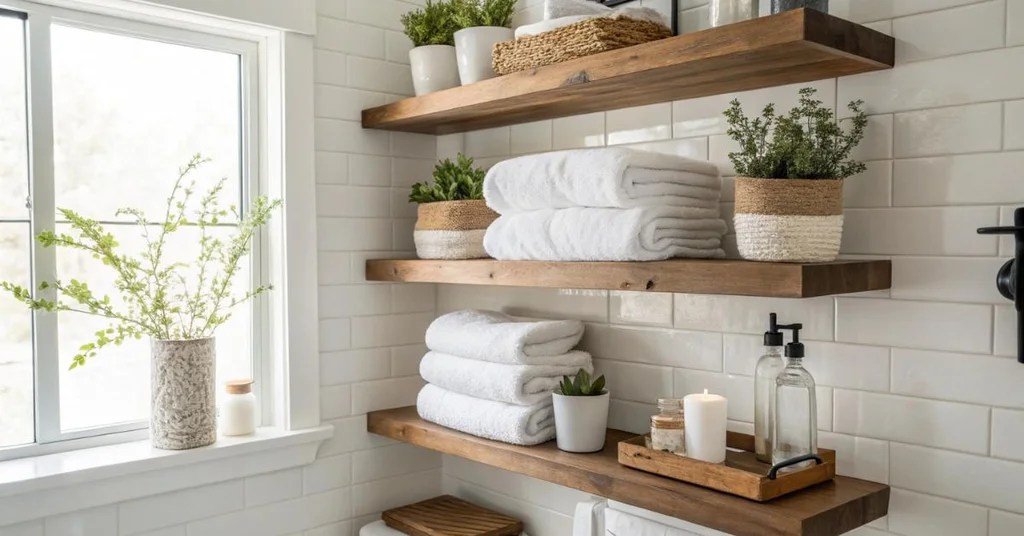
Bathrooms need storage that can handle humidity and frequent use. Open shelves are useful for neatly folded towels, a small basket of toiletries, or decorative items that add warmth to an otherwise functional room. They can be especially helpful in compact bathrooms where a bulky cabinet might make the space feel crowded.
However, exposed toiletries can quickly make a bathroom look messy. Bottles, packets, grooming tools, and cleaning supplies come in different shapes and colors. If you leave all of them on open shelves, the room may feel cluttered even when everything is technically in its place.
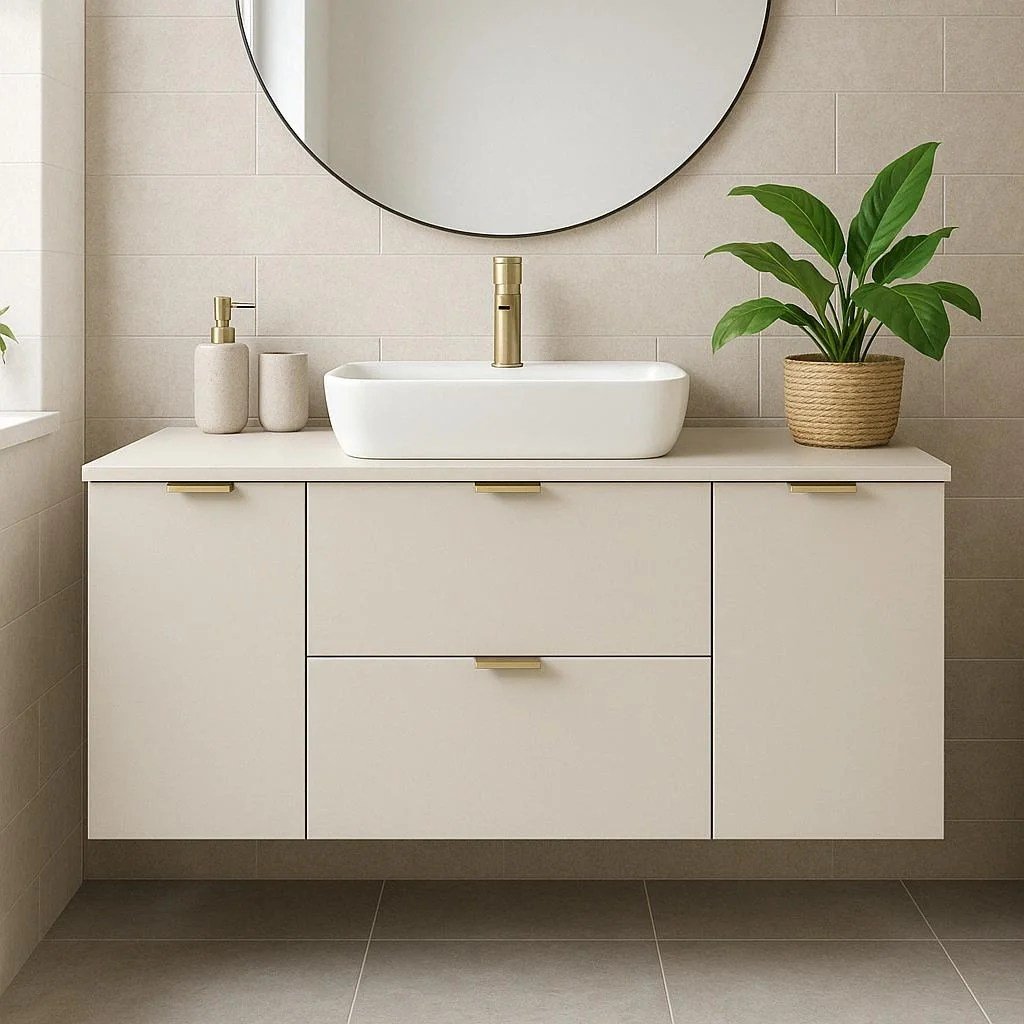
Closed vanity cabinets are usually better for storing everyday bathroom supplies. They keep personal products out of sight and provide space for items that don’t need to be displayed. Make sure the cabinet materials and finishes are suitable for the moisture levels in the room, and address leaks or poor ventilation rather than relying on a cabinet door to solve dampness.
Laundry rooms also benefit from a mix. Open shelves above a washing machine can hold labeled baskets, detergent containers, and frequently used supplies. Closed cabinets are useful for storing spare cleaning products, ironing accessories, and items you prefer to keep away from children or pets. Always store household chemicals safely and follow the product’s instructions.
Cost, Installation, and Maintenance
Cost is one of the most important factors when comparing open shelving and closed cabinets, but there’s no universal price winner. A simple floating shelf can be inexpensive, while custom hardwood shelving with concealed brackets can cost considerably more. Similarly, ready-made cabinets may be affordable, but a complete custom installation can become a major part of a renovation budget.
The real comparison depends on the size of the project, material quality, hardware, wall conditions, and whether you install everything yourself or hire a professional. Don’t compare the price of one shelf with the price of an entire cabinet wall. Compare solutions that provide a similar amount of usable storage.
| Consideration | Open Shelving | Closed Cabinets |
|---|---|---|
| Materials | Wood, metal, glass, laminate | Wood, plywood, MDF, metal, laminate |
| Hardware | Brackets, anchors, shelf supports | Hinges, handles, drawer runners, fittings |
| Installation | Often straightforward for small projects | More measuring and alignment may be needed |
| Cleaning | Frequent surface and object cleaning | Exterior cleaning and occasional interior cleaning |
| Repairs | Brackets or shelves may need tightening | Hinges, runners, doors, or finishes may need attention |
| Customization | Shelf length, depth, finish, spacing | Internal layouts, doors, drawers, pull-outs |
When planning installation, pay attention to the wall itself. Shelves holding heavy dishes or books need suitable fixings and proper support. Cabinet units must be securely attached where required, particularly tall units that could tip. If you’re unsure about wall construction, electrical wiring, plumbing, or the load a fixing can safely support, consult a qualified installer.
Maintenance is different, too. Open shelving asks you to clean visible surfaces more often. Closed cabinets reduce the amount of dust that reaches stored objects, but they still need cleaning inside and out. If you dislike frequent tidying, cabinets may suit your routine better. If you enjoy arranging objects and don’t mind wiping shelves, open storage can be rewarding.
Styling Tips for Open Shelving and Closed Cabinets
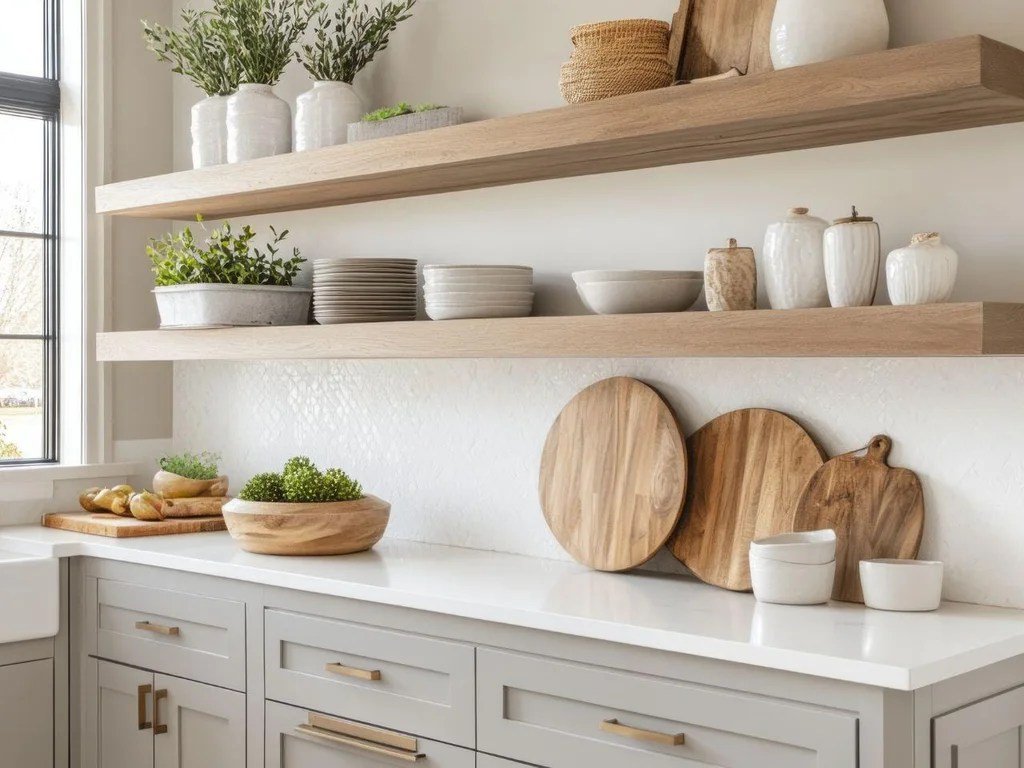

Storage should work hard, but it doesn’t have to look purely functional. The right finishes, proportions, and arrangement can make shelves and cabinets feel like intentional parts of your interior design.
For open shelving, start by choosing what deserves to be visible. You don’t need to display every plate or book you own. Select a manageable group of items that you use regularly or genuinely enjoy looking at. Keep everyday pieces together, then add a few decorative objects to make the arrangement feel considered.
A simple styling approach is to vary height and shape. Stack a few plates horizontally, place taller glasses nearby, and add one small plant or framed piece of art. Avoid filling every inch. Empty space gives the eye a place to rest and makes individual objects easier to appreciate.
For closed cabinets, focus on the exterior. Cabinet fronts occupy a lot of visual space, so their finish can influence the entire room. Light colors can help cabinetry feel less dominant, while natural wood adds warmth and texture. Simple handles or handle-free fronts create a cleaner look, whereas traditional hardware can introduce character.
Try these practical ideas:
- Repeat materials: Use similar wood tones or metal finishes across shelves, cabinet handles, and nearby furniture.
- Keep colors coordinated: Choose a small palette so visible objects feel connected.
- Use baskets: Place smaller items in baskets to reduce visual clutter on open shelves.
- Mix heights: Combine tall, medium, and low objects instead of creating one flat line.
- Leave breathing room: Avoid filling every shelf or covering every cabinet surface with decoration.
- Think about lighting: Under-shelf lighting can make a display more useful and add warmth to a kitchen or living area.
Don’t forget proportions. A shelf that’s too shallow may not hold the objects you need, while one that’s too deep can feel bulky in a narrow room. Cabinet doors that swing into walkways can also make a small space awkward. Measure your room and the items you plan to store before buying anything.
If your home has a warm, relaxed style, natural wood shelves paired with simple cream or warm-white cabinets can create a balanced look. For a more contemporary interior, try slim shelves, clean cabinet fronts, and a restrained color palette. The goal isn’t to make every storage feature match perfectly. It’s to make the different elements feel as though they belong in the same room.
Common Storage Mistakes to Avoid
A storage choice can look perfect in a showroom and still become frustrating at home. Most problems come from choosing based on appearance alone instead of considering everyday habits. Before installing shelves or cabinets, think about what you’ll actually store and how you’ll use it.
One common mistake is using open shelving for everything. Exposed storage looks attractive when it holds a carefully selected group of belongings, but it can become overwhelming when every spare item ends up on display. If you have lots of small objects, packages, cables, or mismatched containers, include enough closed storage to keep the room visually calm.
The opposite mistake is installing cabinets everywhere. A continuous wall of cabinetry may provide impressive capacity, but it can make a small room feel heavy. Breaking up the design with a short section of open shelving, a display niche, or a lighter finish can create more visual variety.
Another problem is choosing shelves that are too shallow or cabinets that are too deep. Storage dimensions should match the objects you plan to keep. Measure plates, baskets, appliances, folded towels, and other bulky items before settling on shelf depth.
Avoid these additional mistakes:
- Ignoring weight limits: Use appropriate brackets, anchors, and supports for the shelf and its contents.
- Placing shelves in messy zones: Keep exposed storage away from heavy grease, splashes, and other sources of dirt when possible.
- Forgetting accessibility: Don’t put frequently used items on shelves that are difficult to reach.
- Skipping interior organization: Add dividers, trays, or pull-out storage to cabinets so belongings don’t disappear into the back.
- Choosing materials without considering moisture: Bathrooms and laundry rooms need finishes suited to humid conditions.
- Overdecorating: Too many objects can make open shelves feel crowded and reduce their usefulness.
The best storage plan is one that makes daily routines easier. If you constantly struggle to reach an appliance, find a towel, or put away kitchen supplies, the design needs adjusting. Good storage should remove friction from your day, not create another task.
Can You Combine Open Shelving and Closed Cabinets?

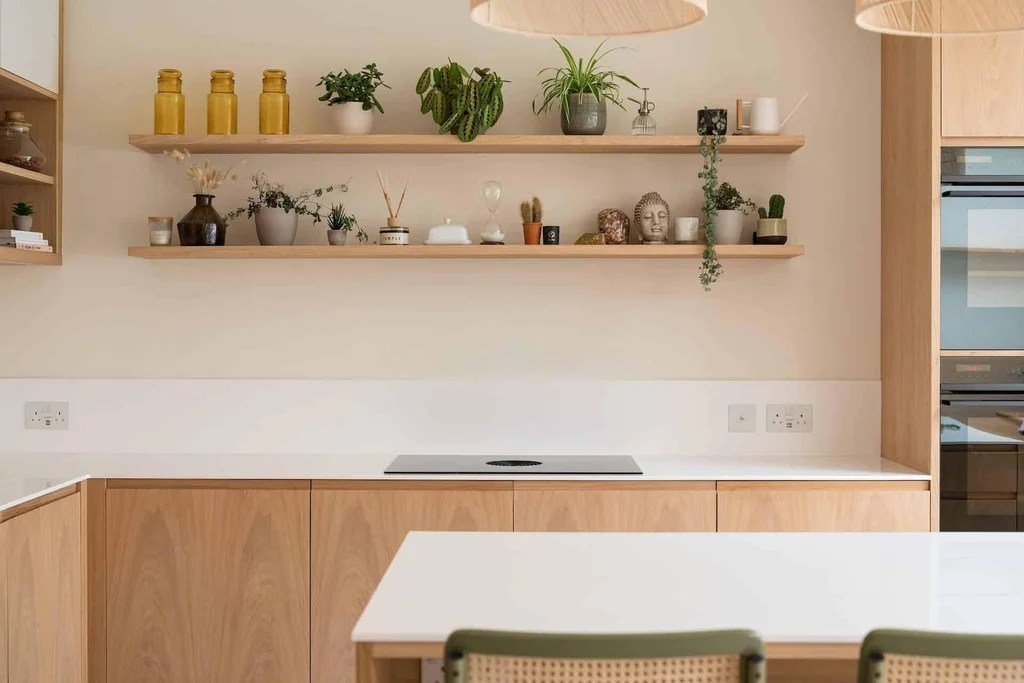
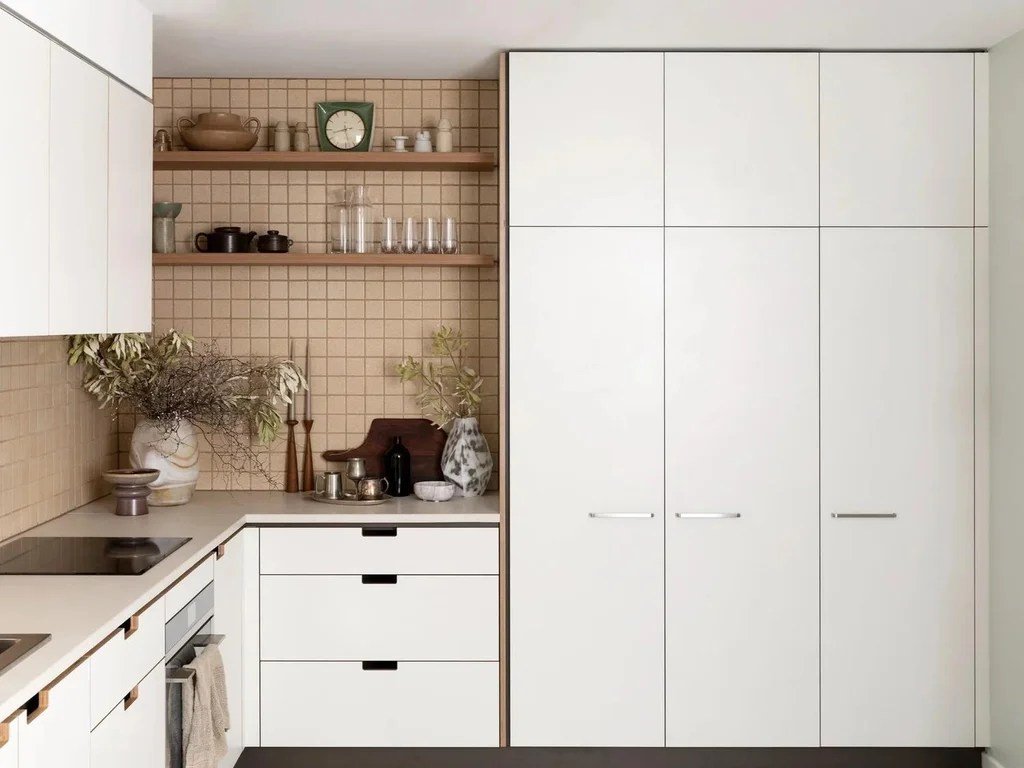
Absolutely. In fact, combining the two is often the most practical way to design a room. You don’t have to choose between displaying everything and hiding everything. A thoughtful mix gives you the convenience of open storage while keeping less attractive belongings out of sight.
In a kitchen, for example, you might use closed cabinets for food packages, appliances, pots, and cleaning products. A pair of open shelves can hold everyday plates, a few glasses, and attractive serving pieces. This arrangement keeps the majority of your storage concealed without making the kitchen feel like a solid wall of cabinetry.
In a living room, a built-in unit can combine closed cupboards along the bottom with open shelves above. The lower section stores games, electronics, documents, and other household items. The upper section displays books, artwork, plants, and personal collections. This arrangement also creates a useful visual balance because the heavier storage stays closer to the floor.
Bathrooms can use the same principle. A closed vanity cabinet can hide toiletries and spare supplies, while one small shelf provides space for folded hand towels or a decorative accessory. In a bedroom, a wardrobe handles clothing while a narrow floating shelf provides a place for a few favorite objects.
A useful starting point is to decide which belongings should be visible and which should be concealed. Then plan the storage around those categories. You might find that most of your belongings belong behind doors, with only a small percentage deserving open display space.
Think about your daily routine, too. Frequently used objects can go on accessible shelves or in easy-to-reach cabinets. Items used occasionally can be stored higher or farther away. Heavy belongings should generally be placed where they’re easy to lift safely, rather than on high shelves.
The combination doesn’t need to be perfectly symmetrical. One open shelf beside a tall cabinet can look intentional, as can a single display niche within a wall of cabinetry. What matters is that the proportions, materials, and finishes work together.
Conclusion
So, open shelving vs closed cabinets: which works better? The honest answer is that each one solves a different storage problem. Open shelving makes belongings easy to reach, adds personality, and can make a room feel lighter. Closed cabinets hide clutter, protect stored items from some dust and splashes, and provide flexible storage for the things you don’t want on display.
If you value quick access and enjoy styling your belongings, open shelves may be a great choice for selected areas. If you have a busy household, lots of everyday supplies, or a strong preference for a tidy appearance, closed cabinets will probably do more of the heavy lifting. Neither option needs to take over your entire home.
For many spaces, the smartest solution is a combination. Use cabinets for practical storage and shelves for the objects you use often or love seeing every day. That way, your home gets the best of both approaches without forcing you to compromise on appearance or function.
Before making a decision, take a quick inventory of what you need to store, measure the available wall space, and consider how much maintenance you’re comfortable doing. A beautiful storage solution should still make sense on an ordinary Tuesday, when you’re rushing to make breakfast or trying to put everything away after a long day. Choose the arrangement that supports your real routine, and your room will look better because it works better.
Frequently Asked Questions
Are open shelves cheaper than cabinets?
Open shelves can be cheaper when you only need a small amount of storage and choose straightforward materials. A few ready-made shelves may cost less than installing a full set of cabinets. However, custom wood shelves, premium brackets, and professional installation can increase the price. The fairest comparison is to look at the cost of materials, installation, and usable storage for the same project.
Do open shelves make a small room look bigger?
They can make a small room feel more open because they leave more of the wall visible than bulky upper cabinets. This reduces visual weight and can help a compact space feel less enclosed. However, shelves crowded with objects may create the opposite effect. Keep the arrangement simple, use coordinated colors, and leave some empty space to maintain a light appearance.
Are closed cabinets better for keeping things clean?
Closed cabinets generally provide better protection from dust and accidental splashes than open shelves because their doors create a barrier. They don’t make stored belongings completely dustproof, though, and cabinet interiors still need occasional cleaning. In kitchens and bathrooms, moisture, grease, and ventilation should also be considered when choosing cabinet materials and placement.
Can open shelving work in a modern kitchen?
Yes. Open shelving works particularly well in modern kitchens when the design is simple and the objects are arranged thoughtfully. Floating wood shelves can soften white cabinetry, while slim metal shelves can complement an industrial look. Use them selectively rather than replacing every cabinet, especially if you need substantial storage for appliances and pantry supplies.
What is the best combination of open shelves and cabinets?
A practical starting point is to use closed cabinets for most household storage and reserve open shelves for frequently used or attractive items. In kitchens, cabinets can hold appliances, food, and cookware, while shelves display plates, glasses, or cookbooks. In living rooms, closed lower cupboards can conceal clutter while upper shelves display books and decorations. Adjust the balance to suit the amount of storage you need and how much you want to keep visible.

Leave a Reply