
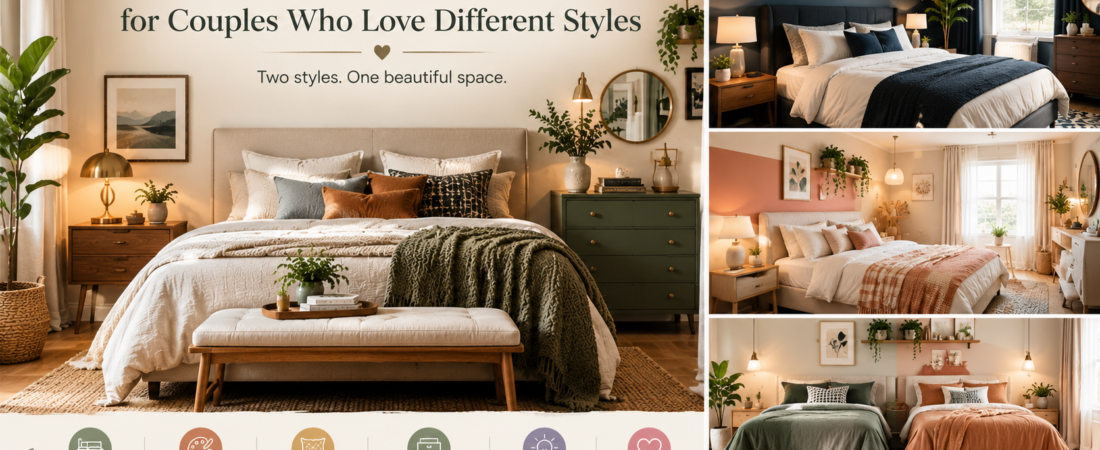
What happens when one person dreams of a sleek, modern bedroom while the other wants vintage furniture, colorful bedding, and a little bit of everything? You could spend weeks debating paint colors, scrolling through furniture stores, and wondering how two people can have such different ideas about one room. Or you could turn those differences into the very thing that makes your bedroom special.
The best bedroom ideas for couples who love different styles aren’t about making everything match. They’re about creating a space where modern furniture can sit beside vintage treasures, dark colors can balance soft neutrals, and personal collections can coexist with a clean, uncluttered design. Think of your bedroom as a conversation between two personalities rather than a competition to decide whose taste wins.
Whether you’re decorating your first apartment together or refreshing a bedroom you’ve shared for years, these ideas will help you find that sweet spot between individual expression and a cohesive look. You’ll discover color combinations, furniture pairings, lighting tricks, storage solutions, and simple styling formulas that make mixing styles feel intentional.
The design goal: Create a bedroom that feels like both of you belong in it—even if you wouldn’t decorate it the same way on your own.
1. Mix Modern Furniture With Vintage Finds
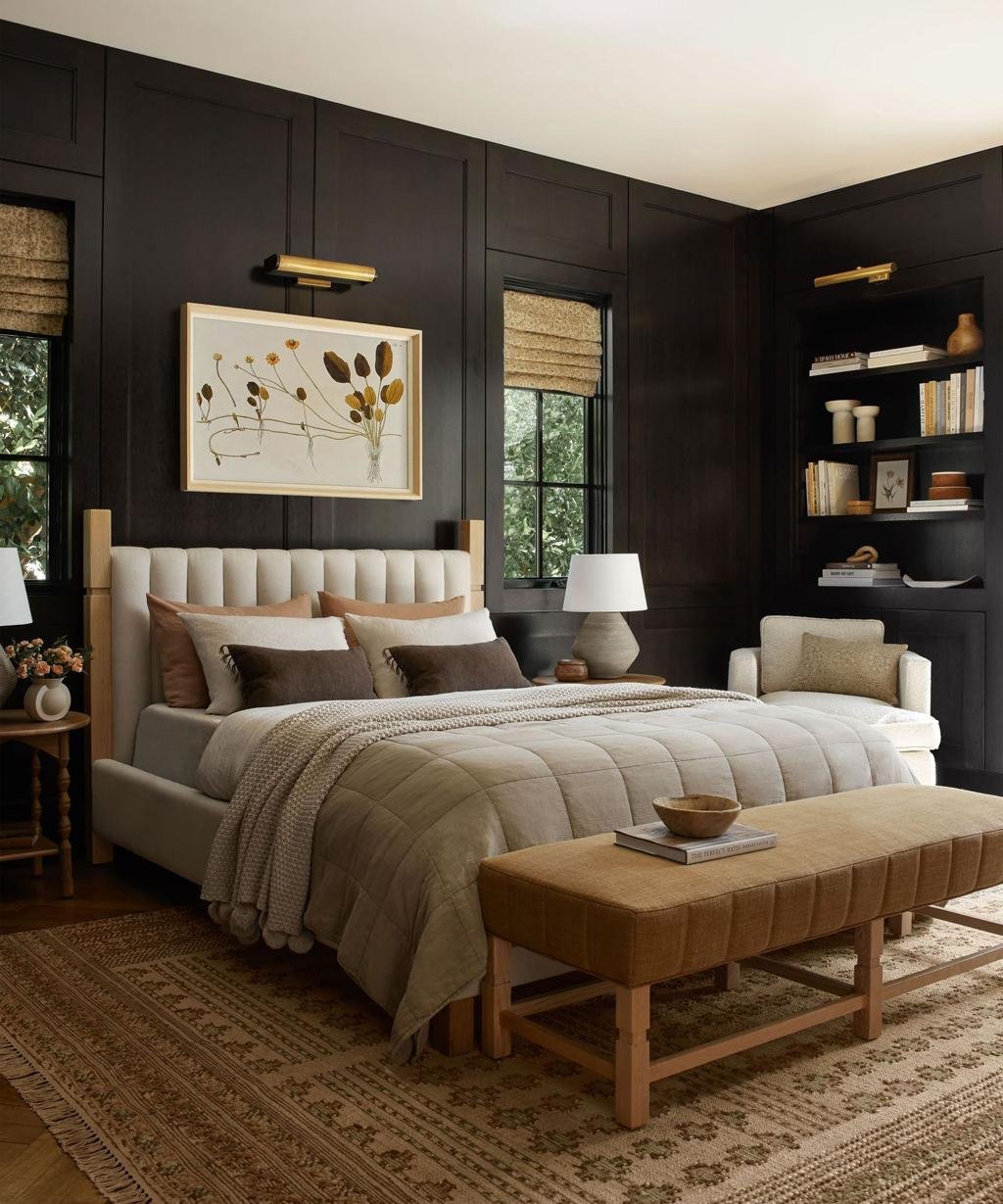
The look: Clean-lined furniture meets pieces with history, character, and a little personality.
One partner loves contemporary interiors; the other can’t resist an antique dresser or a beautiful old wooden chair. Instead of choosing one style, make the contrast the centerpiece of your bedroom.
Try this design combination
- Bed: A simple upholstered bed in cream, oatmeal, or soft gray.
- Nightstands: Vintage walnut tables or mismatched wooden bedside cabinets.
- Lighting: Contemporary brass sconces or sculptural bedside lamps.
- Decor: One oversized abstract print, a vintage mirror, and a textured throw.
The trick is to give every standout piece room to breathe. If your vintage dresser has ornate details, keep the nearby accessories simple. If your bed has a dramatic modern silhouette, a traditional bedside table can add warmth without making the room feel old-fashioned.
Designer trick: Repeat one finish across different pieces. Brass hardware, dark wood, or black accents can connect furniture from completely different eras.
This combination works especially well in neutral bedrooms because the furniture itself becomes the main attraction. You don’t need a matching bedroom set to create a polished result. In fact, a few carefully chosen pieces often feel more personal than furniture bought together in one collection.
2. Balance Moody Colors With Soft Neutrals
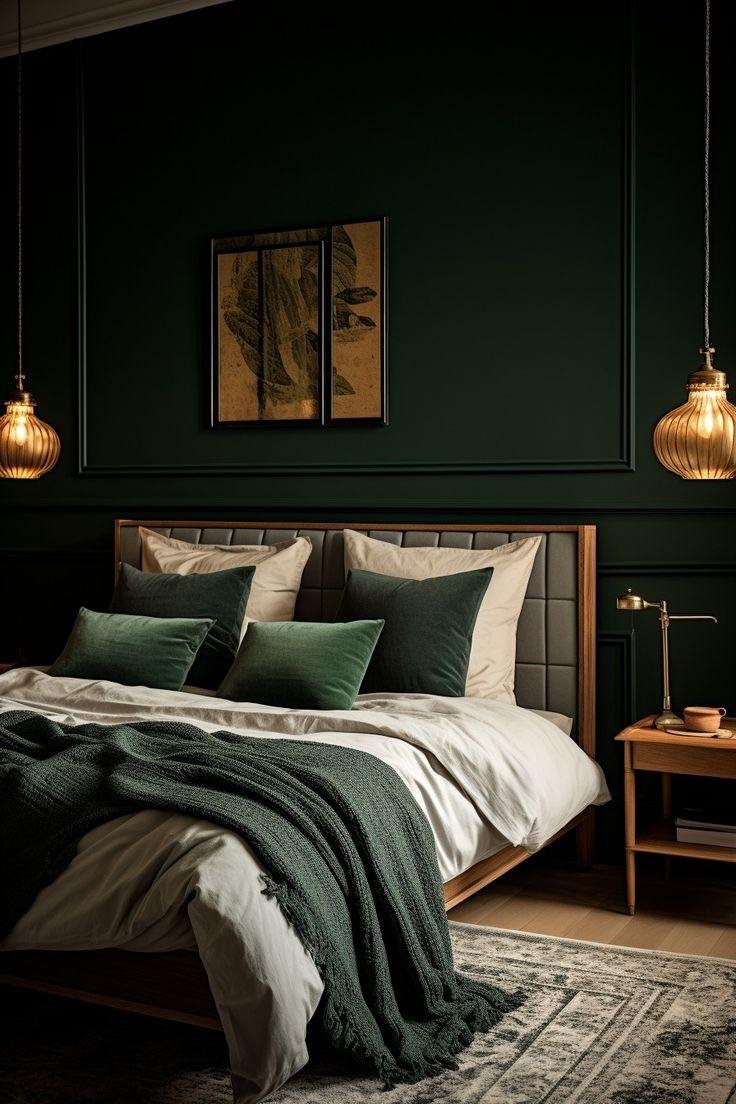
The look: Deep, dramatic shades paired with light bedding and warm materials.
Does one partner want a dark, cocoon-like bedroom while the other wants a bright, airy retreat? You don’t have to settle for a completely white room or paint every wall charcoal. Instead, let deeper colors create atmosphere while softer shades keep the room comfortable.
How to make it work
- Paint the wall behind the bed in forest green, deep olive, or muted navy.
- Keep the duvet and sheets in ivory, cream, or warm white.
- Introduce dark wood furniture for depth.
- Add brass lighting or warm-toned accessories to soften the contrast.
If painting the walls feels like too big a commitment, begin with a dark upholstered headboard, rich bedding, or dramatic artwork. These elements deliver the same mood without requiring a complete makeover.
The secret is proportion. A dark accent can feel sophisticated when balanced with light textiles and natural finishes. Too many competing dark surfaces, however, may make a small bedroom feel cramped.
For more palette inspiration, explore warm neutral color ideas and use those softer tones to balance the deeper shades you love.
3. Combine Minimalism With Cozy Textures
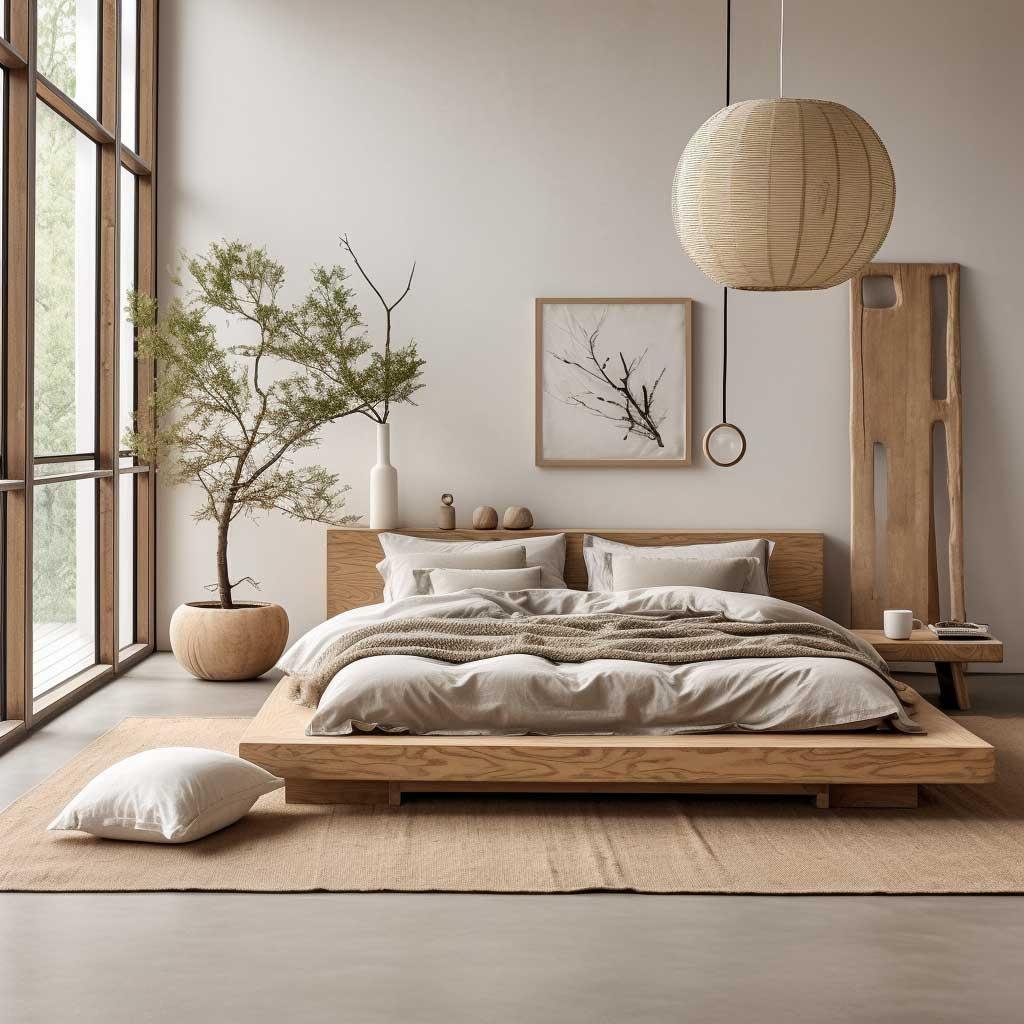
The look: Uncluttered furniture, soft fabrics, natural materials, and warm lighting.
For some people, a peaceful bedroom means clear surfaces and almost no decorations. For others, comfort comes from layered blankets, decorative cushions, textured rugs, and favorite objects on display. The solution is to keep the overall layout simple while making the materials feel rich and inviting.
Your styling formula
| Element | Minimalist choice | Cozy upgrade |
|---|---|---|
| Bedding | Plain duvet cover | Washed linen or cotton layers |
| Bedside table | Simple wood or metal | Add a ceramic lamp |
| Floor | Clear, open space | Soft wool or textured rug |
| Walls | Minimal artwork | One tactile or oversized piece |
| Accessories | A few essentials | Handmade ceramics or a favorite book |
Instead of adding more decorative objects, focus on what the room feels like. Linen bedding, a chunky knit throw, soft curtains, and a plush rug can make a bedroom inviting without cluttering every available surface.
The compromise that works: Agree to keep the dresser and nightstands relatively clear, then allow more layering on the bed. One partner gets visual calm; the other gets the softness and comfort that make the bedroom feel lived in.
You can also introduce closed storage for objects that one person wants to keep nearby but the other doesn’t want to see all the time. Baskets, drawers, and bedside cabinets are useful for maintaining a peaceful look.
The result is a bedroom that feels thoughtfully edited rather than empty. Minimalism doesn’t have to be cold, and coziness doesn’t have to mean clutter.
4. Bring Two Favorite Color Schemes Into One Room
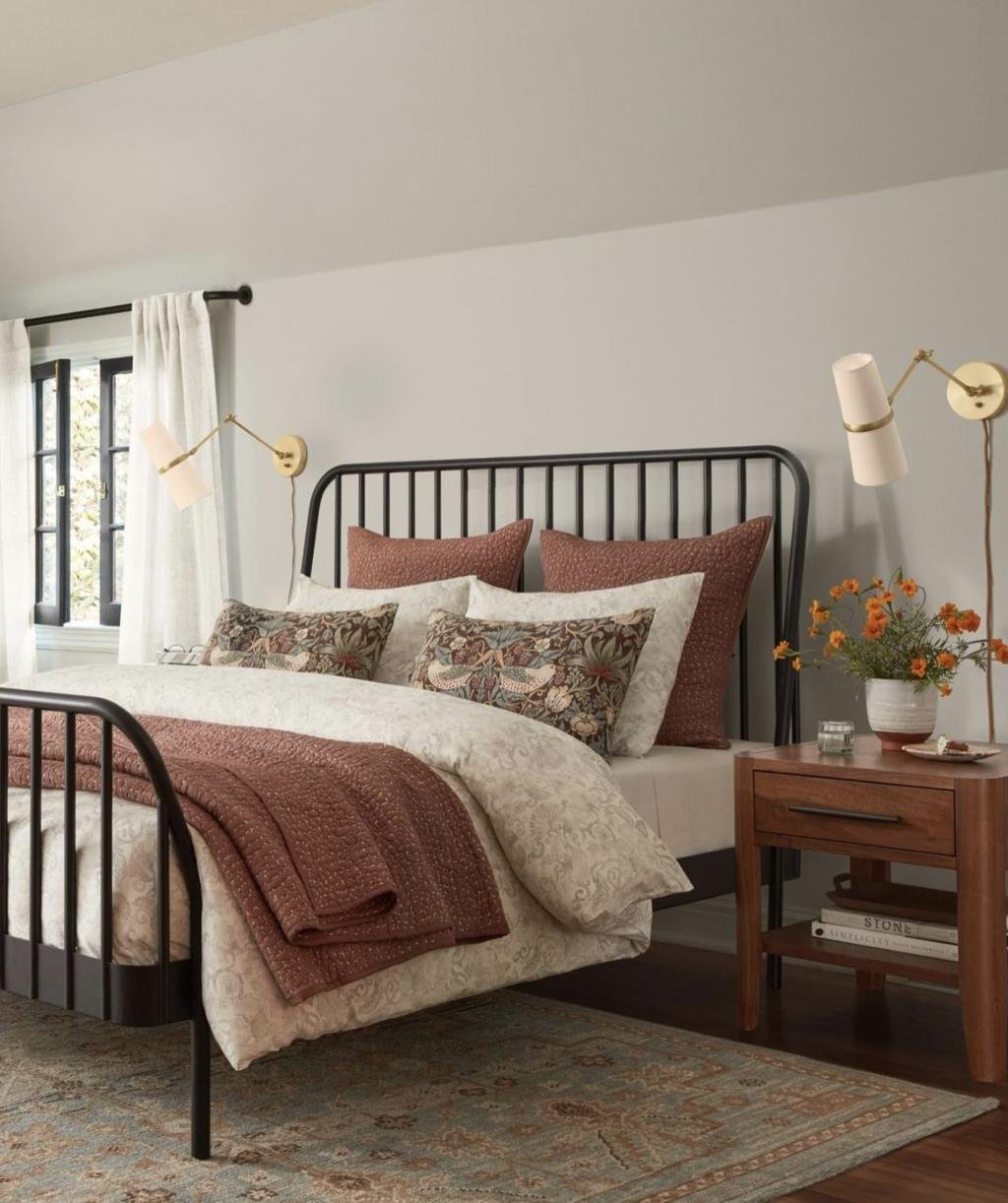
The look: Two distinct color preferences connected by a shared neutral foundation.
Perhaps one of you loves navy and charcoal while the other gravitates toward blush, terracotta, or sage green. Instead of assigning one person the entire color scheme, give each preference a role in the overall design.
Three color combinations to try
- Navy + camel + ivory: Sophisticated, warm, and timeless.
- Sage green + dusty pink + cream: Soft and expressive without feeling overly sweet.
- Terracotta + charcoal + natural wood: Earthy, contemporary, and slightly dramatic.
Start with a neutral base for the largest surfaces, then introduce both partners’ preferred colors through bedding, cushions, art, lampshades, or a rug. Repeating each accent color in at least two places helps the scheme feel connected.
For example, navy bedding could be paired with a terracotta cushion and artwork containing both colors. A sage-green wall might work beautifully with dusty-pink textiles and walnut furniture. Neither person has to abandon their favorite shade; the trick is making the colors feel as though they belong together.
Avoid the split-room effect. Painting one side of the bedroom blue and the other pink can look more like two separate spaces than a shared retreat. Distribute the colors throughout the room instead.
Before buying paint or bedding, look at samples in morning light and evening light. Colors can change significantly depending on the room’s orientation and the bulbs you use. Starting with small, reversible accessories gives you the freedom to experiment before committing to a permanent palette.
5. Pair Rustic Wood With Contemporary Details
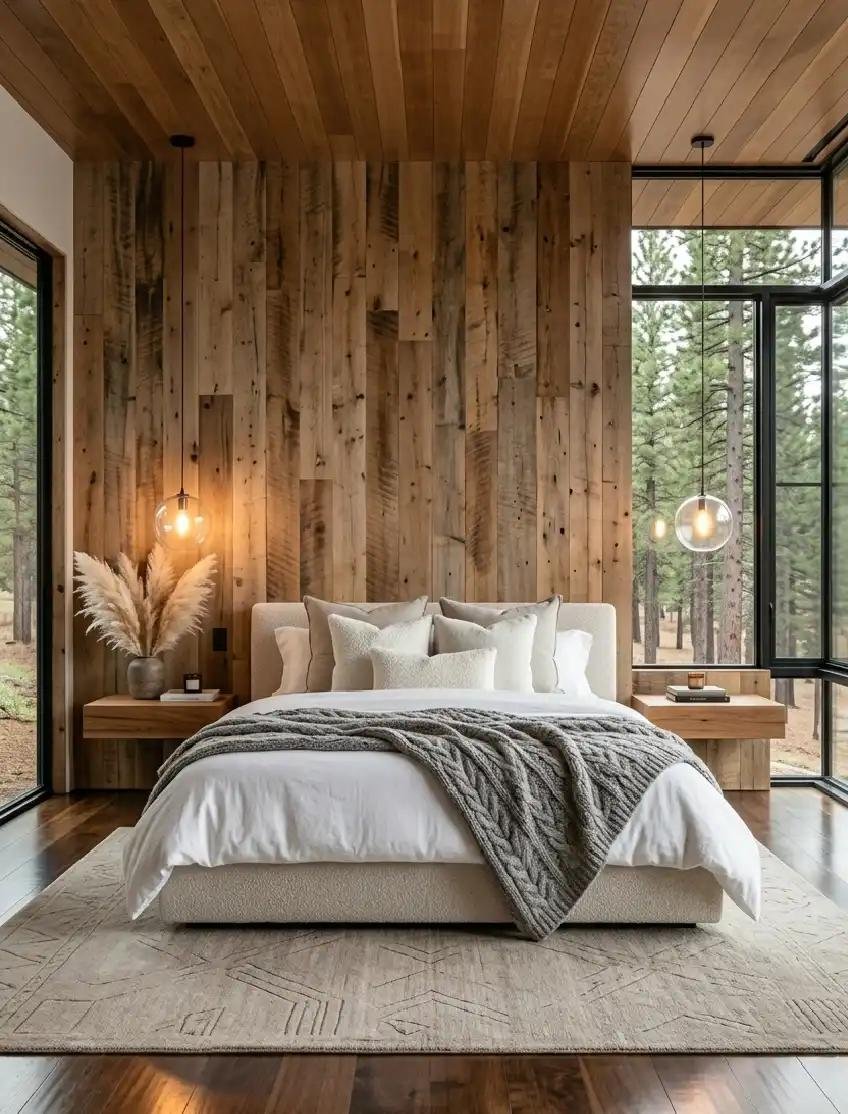
The look: Natural grain, warm textures, clean furniture lines, and modern lighting.
Rustic interiors can feel relaxed and full of character, while contemporary spaces tend to favor simplicity and streamlined shapes. These styles complement each other naturally because wood adds warmth to modern furniture, and modern details keep rustic pieces from feeling too traditional.
**Choose one rustic hero piece.**
A reclaimed-wood headboard, vintage dresser, or solid timber bench can provide enough natural character without turning the whole bedroom into a farmhouse theme.**Keep the supporting details contemporary.**
Add simple bedding, streamlined bedside tables, black metal accents, and uncluttered artwork. These details give the room a fresh, modern edge.Natural materials are the bridge between the two styles. Oak, walnut, linen, wool, leather, and stone can all work together when their colors and textures feel balanced.
If one partner prefers polished finishes, avoid using distressed wood on every piece. Choose furniture with visible grain but a smoother finish instead. If the other loves rustic character, add it through a single vintage object or a textured timber surface.
The finishing touch: Use warm lighting to highlight the wood grain and make the bedroom feel relaxed in the evening.
6. Let Bedding Bring Both Styles Together
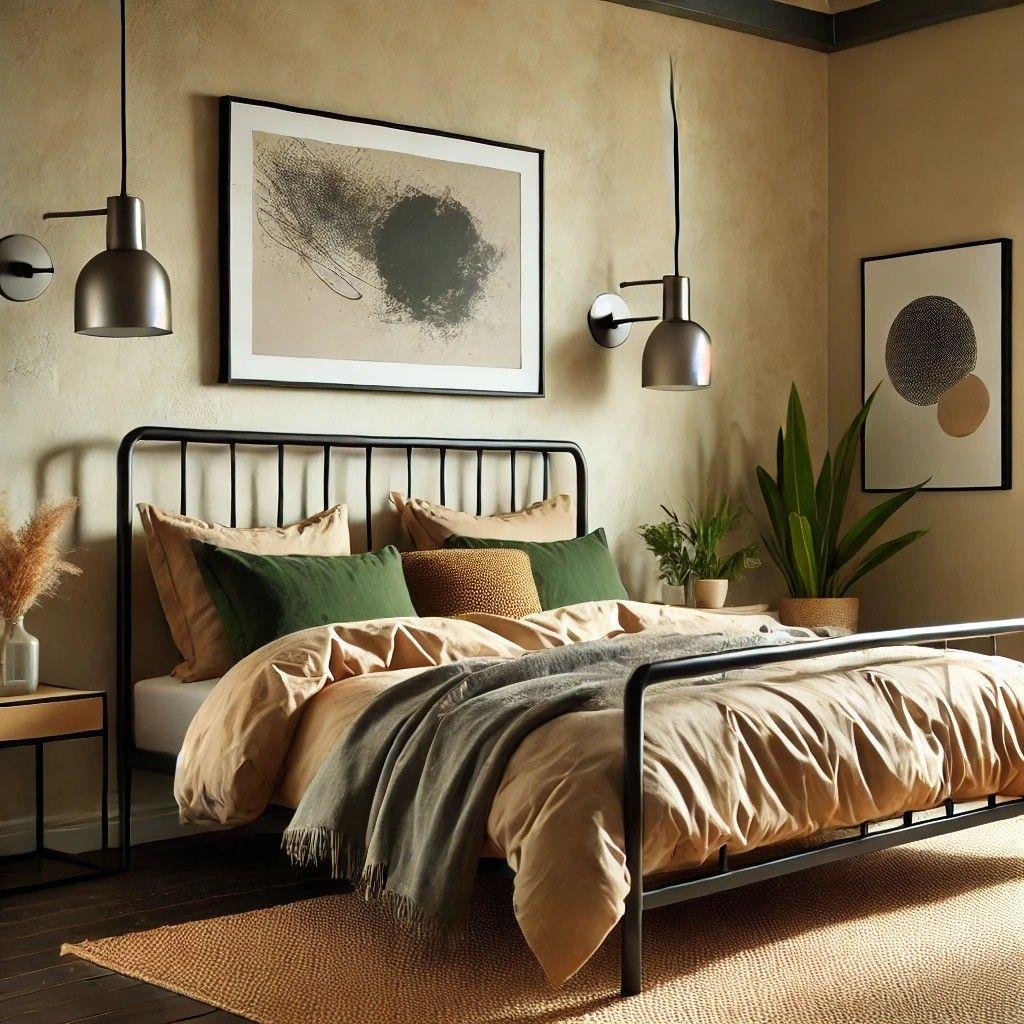
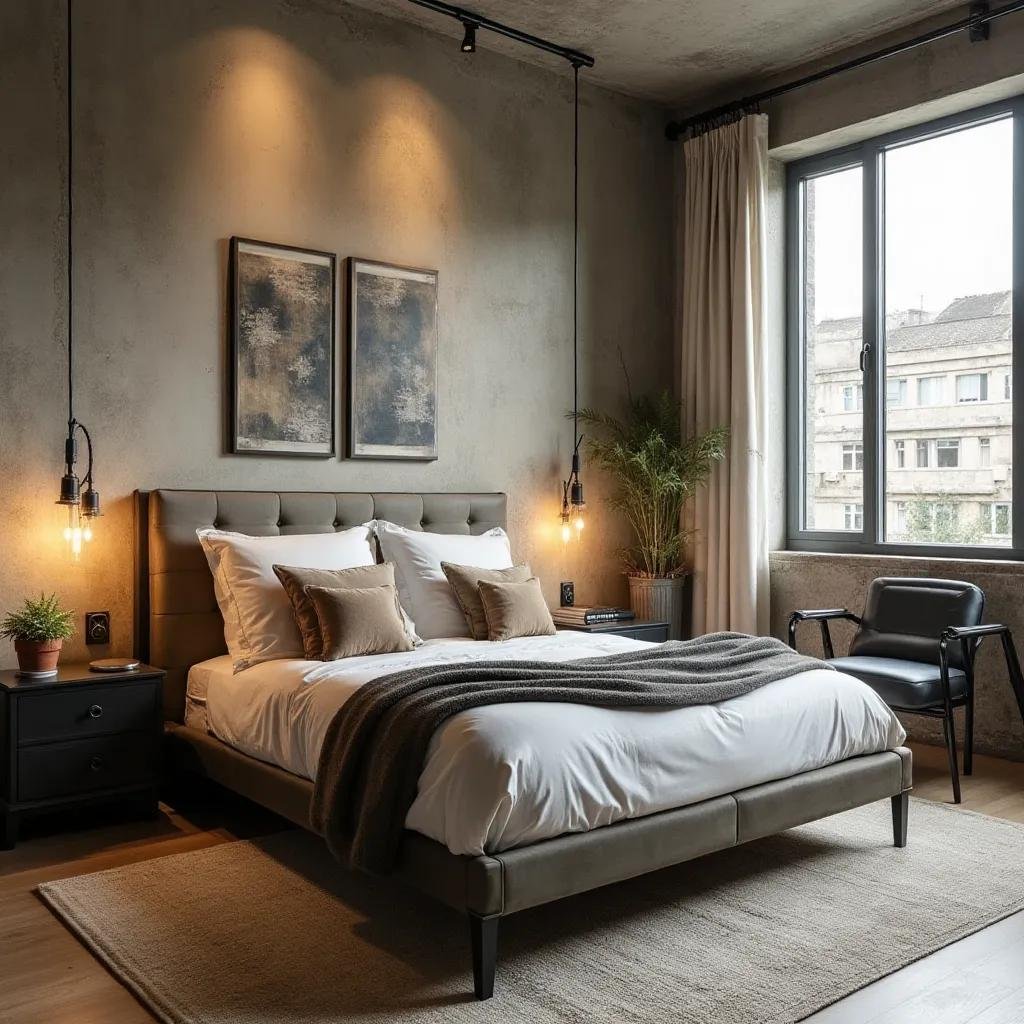
The look: A beautifully layered bed that balances different tastes without looking overstyled.
Bedding is one of the easiest ways to experiment with a shared design because you can change it without replacing expensive furniture. It’s also a natural place to combine different preferences: one partner may love plain, hotel-style bedding, while the other wants patterns, texture, and extra layers.
Build the bed in four layers
- Foundation: Choose a duvet cover in a shared neutral, such as ivory, oatmeal, or soft gray.
- Texture: Add a quilt or coverlet in linen, cotton, or a subtle woven finish.
- Personality: Introduce one patterned cushion or a throw in a favorite color.
- Finishing detail: Fold a blanket at the foot of the bed to add depth without overcrowding the pillows.
A useful rule is to choose one dominant pattern and let the other elements support it. If your partner loves botanical prints, combine them with solid cushions and a simple duvet. If you prefer stripes or geometric designs, introduce them through a throw or a pair of accent pillows.
You can also mix patterns when they share a color. A small floral print and a wide stripe may look surprisingly cohesive when both include navy, cream, or muted green.
Don’t forget practical comfort. One person might prefer a lightweight duvet while the other wants a heavier blanket. Separate covers or an extra folded throw can solve that problem while keeping the bed visually coordinated.
The goal: Make the bed look inviting and feel comfortable—not like a showroom arrangement that takes twenty minutes to recreate every morning.
7. Create a Personal Corner for Each Partner
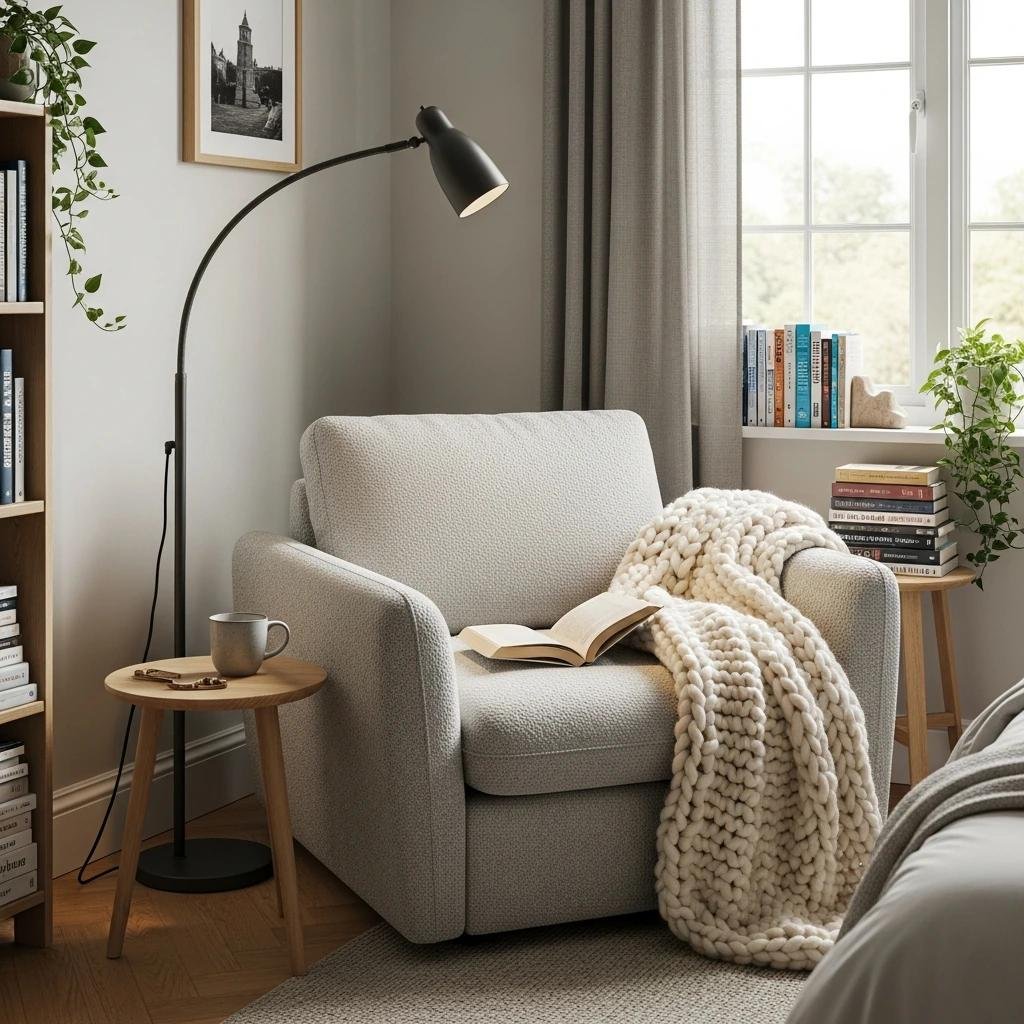
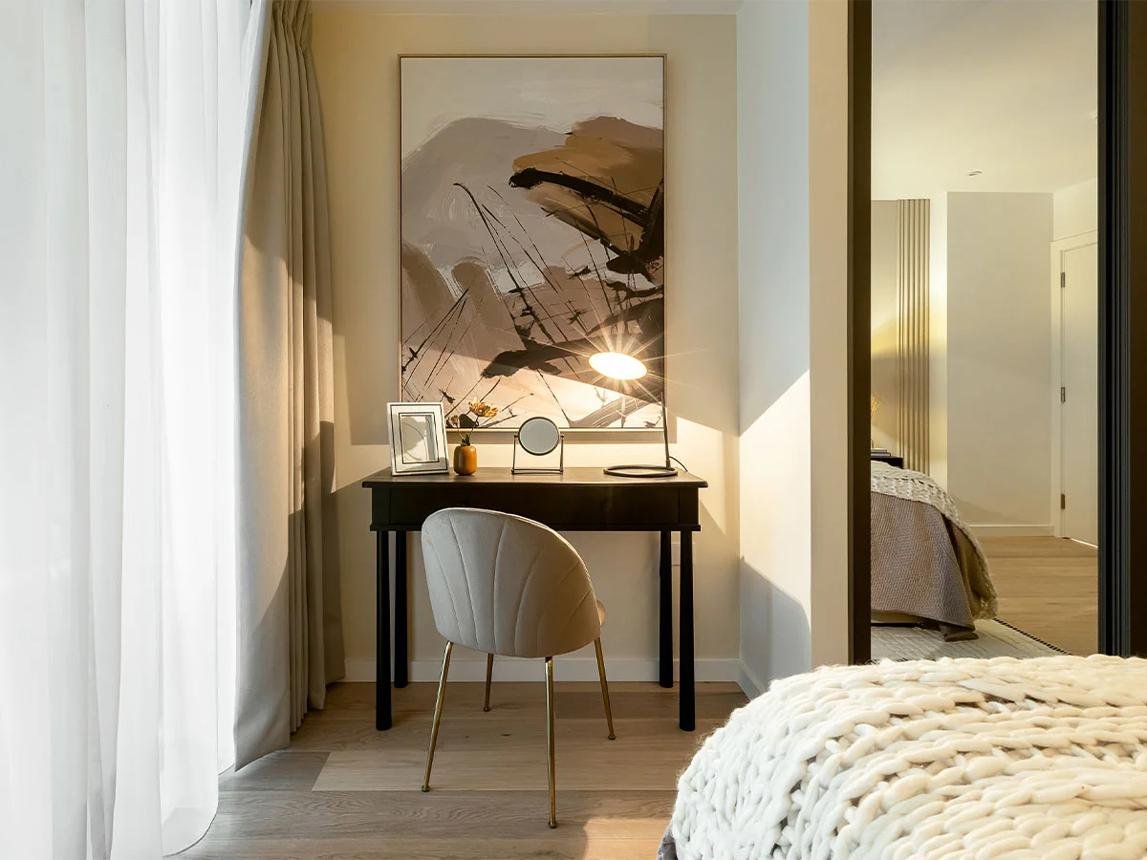
The look: One shared bedroom with two small areas that reflect individual personalities.
A bedroom doesn’t need to express both people’s tastes in every single detail. Sometimes the easiest solution is to create a small area where each person can display the things they love most.
One partner might enjoy a reading nook with a comfortable chair, a floor lamp, and a stack of books. The other might prefer a dresser with framed photographs, a favorite sculpture, or a small collection of meaningful objects. These individual corners can feel different while still belonging to the same room.
Ideas for personal zones
- The reader: A compact chair, a soft throw, a reading light, and a narrow bookshelf.
- The art lover: A small gallery wall or a favorite oversized print.
- The plant enthusiast: A plant stand near a suitable window, with pet-safe plants if needed.
- The collector: A dedicated shelf or glass-front cabinet that keeps treasured objects organized.
- The minimalist: A clear bedside surface, a simple lamp, and a small drawer for everyday essentials.
You don’t need a huge bedroom to make this work. Wall-mounted shelves, narrow tables, and compact seating can define a personal zone without taking over the floor.
The important part is fairness. Neither partner should feel that their belongings are welcome only when hidden away. Agree on how much display space each person gets, then connect the different corners through a shared palette or repeated materials.
A personal corner gives each partner a sense of ownership while preserving the bedroom’s overall harmony.
8. Make Statement Pieces the Stars of the Room
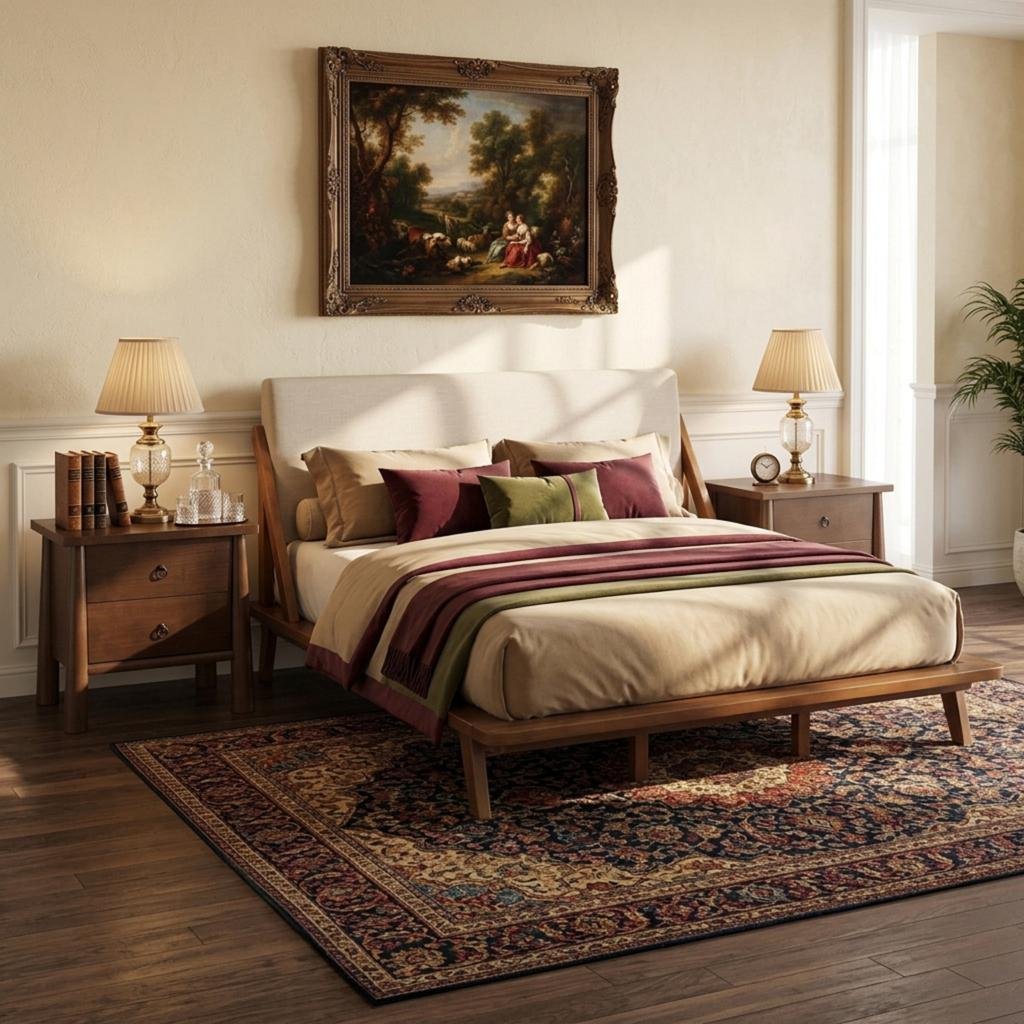
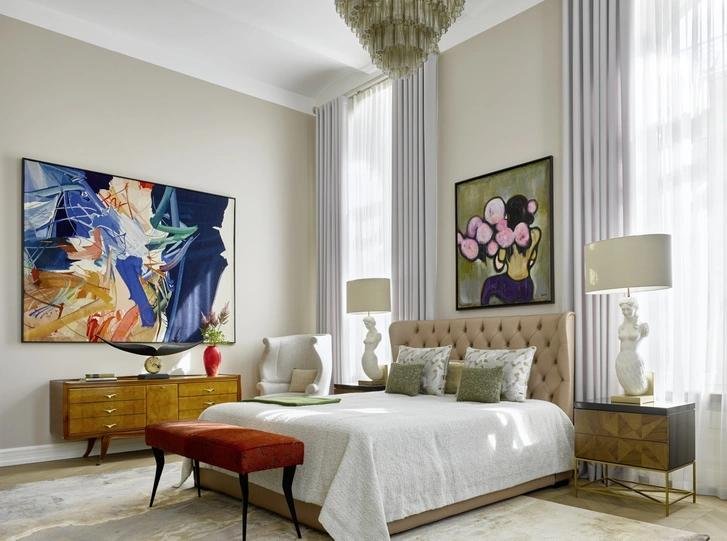
The look: A few distinctive pieces surrounded by simple, carefully chosen decor.
Maybe one partner has fallen in love with a dramatic chandelier, while the other wants a sculptural chair or an oversized piece of artwork. Rather than filling the bedroom with competing statement pieces, decide together which items deserve the spotlight.
Pick your focal point
- A dramatic headboard: Keep the bedding simple so its shape and material stand out.
- Oversized wall art: Repeat one or two colors from the artwork in the cushions or rug.
- A sculptural light fixture: Choose understated bedside accessories that don’t compete for attention.
- A vintage dresser: Let its character shine with a simple mirror and a few carefully selected objects.
If both partners want a bold feature, distribute the pieces around the room rather than placing them side by side. A distinctive headboard can anchor the bed, while a colorful artwork or statement chair draws the eye toward another area.
Scale matters, too. A large artwork can look impressive above a substantial bed but overwhelming over a narrow nightstand. Before purchasing anything, measure the wall and consider the surrounding furniture.
For wall inspiration, explore oversized wall art ideas and look for a piece that connects the colors or moods each partner prefers.
Remember: A room feels more intentional when a few pieces stand out and everything else helps them shine.
9. Soften Industrial Style With Comfortable Finishes
The look: Black metal, strong shapes, and modern edges balanced by soft fabrics and warm colors.
Industrial style can appeal to someone who loves darker colors, metal details, and architectural shapes. A partner with a softer taste may prefer upholstered furniture, flowing curtains, and warm, comfortable textures. The good news? These differences can create a bedroom with plenty of character.
The industrial-meets-soft formula
- Structure: Black metal bed frame or dark-framed mirror.
- Softness: Upholstered headboard, cotton bedding, and a textured rug.
- Warmth: Walnut furniture, tan accents, or creamy wall colors.
- Lighting: Black metal pendants paired with warm-toned bulbs.
- Decor: Simple art, ceramic accessories, and one or two natural materials.
The key is contrast. Hard surfaces feel more inviting when placed beside soft textiles, and dark details look more balanced when the room includes lighter colors.
If concrete finishes or exposed-brick textures appeal to one partner, consider using them on a single feature wall rather than across the entire room. The other partner can bring softness through curtains, a padded bench, or layered bedding.
Repeat the industrial details in several places—perhaps the mirror frame, lamp bases, and curtain rod—so the style feels intentional. Then repeat the soft finishes in the bed, rug, and seating area.
The finished room should feel architectural but comfortable, not cold or unfinished.
10. Blend Boho Decor With Classic Elegance
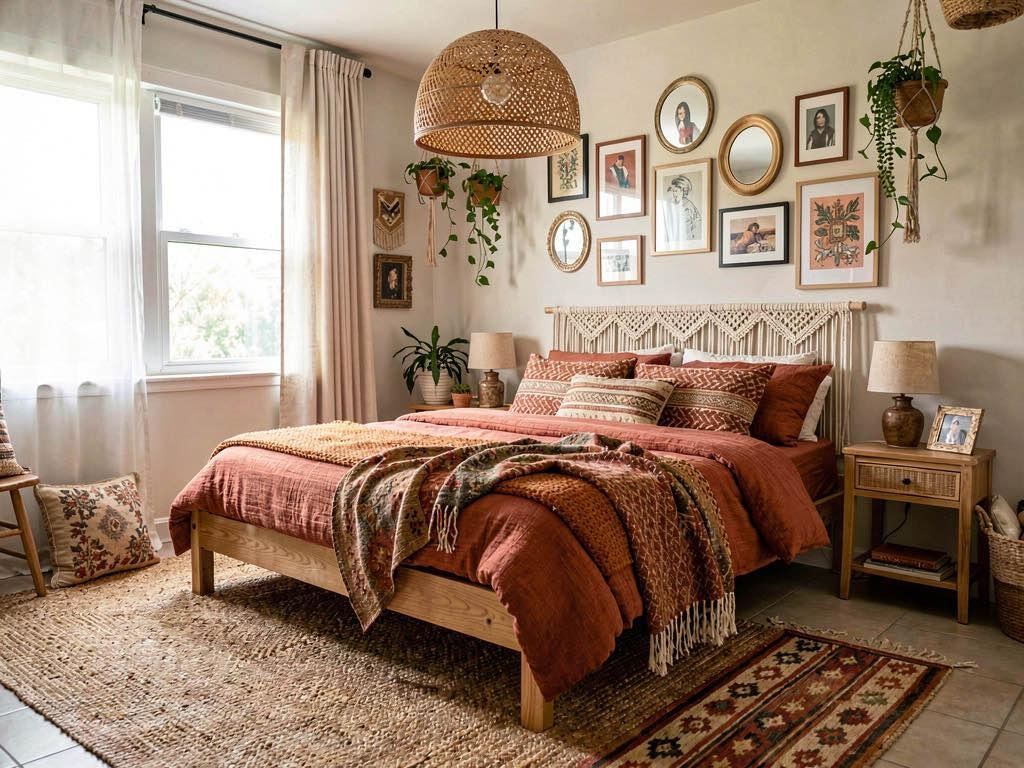
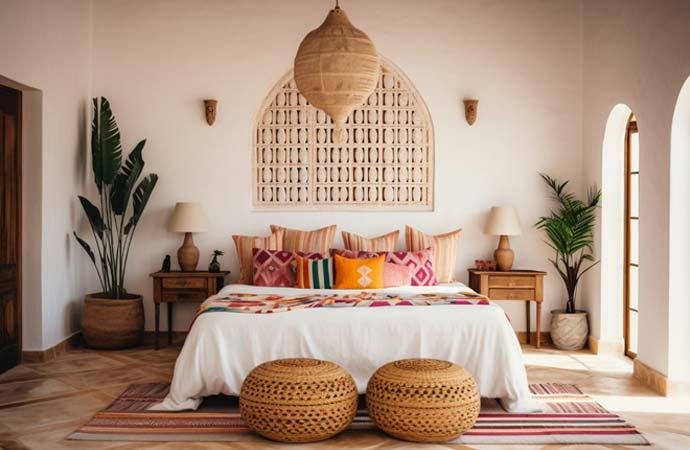
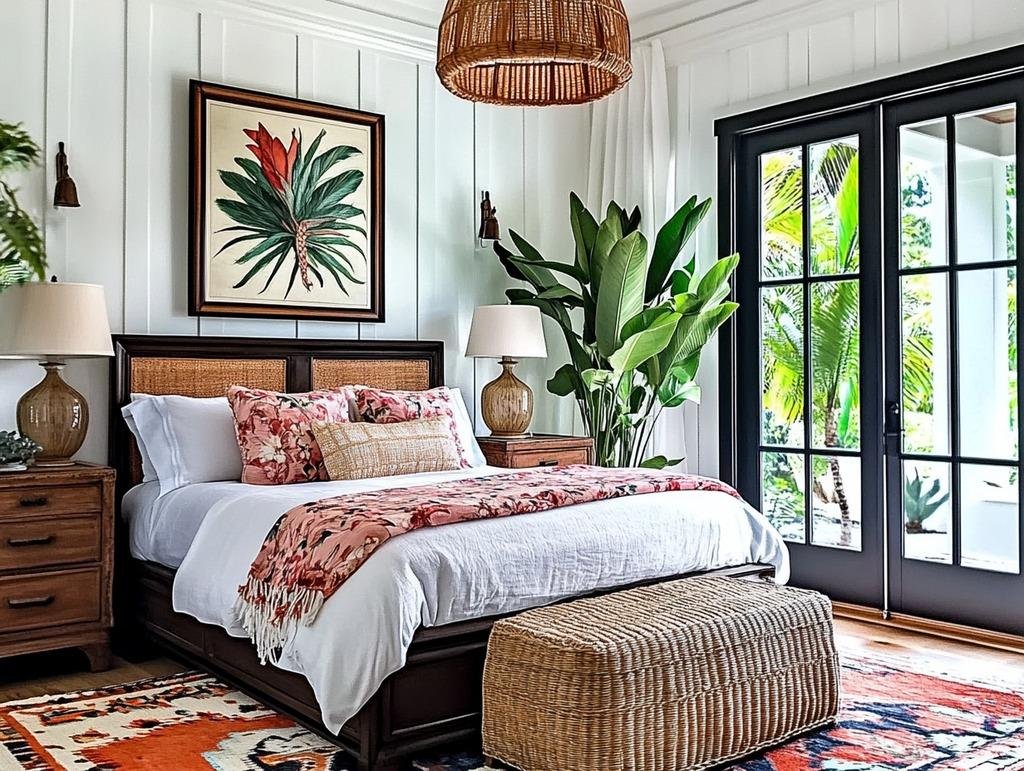
The look: Traditional structure meets natural textures, relaxed patterns, and collected accessories.
Bohemian interiors often feature woven materials, plants, patterned fabrics, and objects collected over time. Classic bedrooms, by contrast, may rely on symmetrical furniture, traditional silhouettes, and a more orderly arrangement. When you bring the two together, you get a space that feels both polished and personal.
What to combine
| Classic element | Boho companion |
|---|---|
| Traditional wood bed | Textured linen bedding |
| Balanced nightstands | Handmade ceramic lamps |
| Upholstered bench | Woven baskets |
| Simple neutral walls | Botanical art or patterned textiles |
| Symmetrical bedside styling | A relaxed plant or reading corner |
Keep the main furniture arrangement relatively balanced, then let the accessories feel more relaxed. For example, matching bedside tables can provide structure while different lamps or decorative objects introduce individuality.
Plants, woven baskets, and natural fabrics are useful ways to soften a formal room. If you love patterns, choose one dominant textile and repeat its colors elsewhere instead of mixing every print you own.
Styling tip: Use natural materials to connect the different elements. Wood, linen, rattan, cotton, and ceramic finishes can make classic and bohemian pieces feel as though they belong together.
The result is a bedroom that feels curated rather than overly formal—and expressive without becoming cluttered.
11. Use Layered Lighting to Meet Different Needs
The look: Soft ambient light, practical bedside lighting, and separate controls for each partner.
Lighting can make or break a shared bedroom. One person may want a bright room for reading or getting dressed, while the other prefers a warm, low-lit atmosphere before sleep. A single ceiling fixture rarely handles every need well, so build a lighting plan with several sources.
Your bedroom lighting checklist
- General lighting: A ceiling fixture or recessed lights for everyday visibility.
- Reading lighting: Adjustable wall sconces or individual bedside lamps.
- Ambient lighting: Dimmable lamps or indirect lighting for a relaxed evening mood.
- Practical lighting: A well-lit dressing area or closet where needed.
- Independent controls: Separate switches so one partner can read without illuminating the entire room.
Warm bulbs often create a relaxing atmosphere, while more neutral lighting can be helpful around dressing areas where color accuracy matters. Choose lighting based on the activity rather than assuming one color temperature suits every corner.
Wall-mounted lights are especially useful in smaller bedrooms because they free up nightstand space. If the room has different bedside styles, you can choose different lamps that share a finish or similar visual weight.
For more inspiration, explore living room lighting ideas for approaches to layering light and balancing decorative fixtures with practical illumination.
Small upgrade, big impact: Put the main lights on a dimmer where compatible, and give each side of the bed its own reading light.
12. Turn Wall Art Into a Shared Design Feature
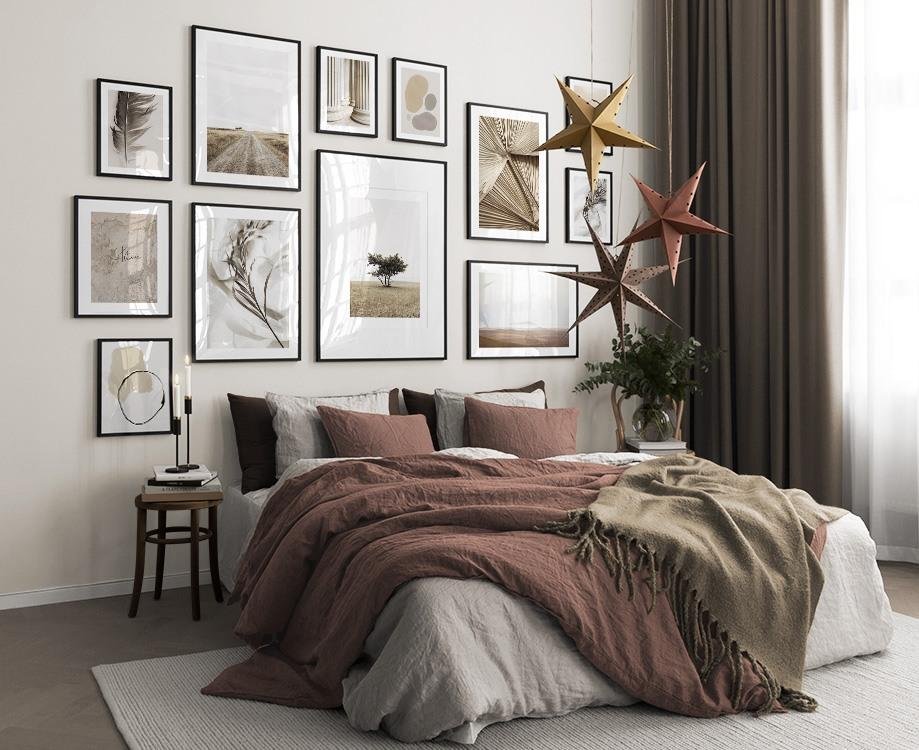

The look: Artwork that combines both personalities while making the room feel visually connected.
Wall art is a wonderful way to bring two styles together because it can contain multiple colors, moods, and influences in one piece. One partner might prefer abstract art, while the other gravitates toward landscapes, photography, or vintage prints. You don’t have to choose one category for the entire bedroom.
Three ways to mix artwork
Option A: The coordinated gallery wall
Combine different print styles but keep the frames similar. Black frames, natural wood, or a consistent mat color can help the collection feel unified.
Option B: One oversized artwork
Choose a large piece that includes colors found elsewhere in the room. It can become the visual bridge between contrasting bedding, furniture, and accessories.
Option C: Two complementary pieces
Place two artworks side by side, selecting pieces that share a color, subject, or mood without being identical.
Think about scale and placement before hanging anything. Artwork above the bed should relate to the width of the headboard, and smaller pieces usually look more intentional when grouped rather than scattered randomly across large walls.
If one partner loves colorful artwork and the other prefers muted imagery, look for a piece with both bold and restrained tones. You can also let each partner choose one favorite print and connect them with matching frames.
The point isn’t to make every artwork identical. It’s to make the collection feel like a thoughtful reflection of the people who live in the room.
13. Use Symmetry to Make Different Styles Feel Cohesive
The look: A balanced bedroom layout with room for individual details.
When furniture and decor don’t match perfectly, symmetry can create a sense of order. A centered bed, balanced nightstands, and thoughtfully placed lighting help the room feel cohesive even if the pieces themselves come from different styles.
A simple arrangement that works
- Center the bed on the main wall whenever the room layout allows.
- Place a bedside table on each side, choosing pieces with similar heights or visual weight.
- Use wall sconces or lamps to create balanced lighting.
- Keep the larger furniture pieces in a consistent finish or color family.
- Let smaller accessories differ to express each partner’s taste.
Symmetry doesn’t require identical furniture. A vintage wooden table on one side and a contemporary cabinet on the other can work if they are similar in height and scale. Matching lamps can connect the arrangement, while each partner’s preferred books, artwork, or personal objects make the sides feel individual.
In a small bedroom, symmetry can also make furniture placement easier. A centered bed creates a clear focal point and helps you decide where to place storage, lighting, and decorative elements.
However, don’t force symmetry if the room’s architecture makes it impractical. A window, door, or closet may require a different arrangement. In that case, balance the visual weight of the room rather than trying to mirror every object.
The best approach: Keep the overall layout calm, then allow personality to show up in the details.
14. Choose Storage That Keeps Both Styles Organized
The look: A calm, coordinated room with space for two people’s belongings.
Even the most beautiful bedroom can feel chaotic when personal belongings compete for space. One partner may have a large collection of books, accessories, or clothes, while the other prefers clear surfaces and hidden storage. A thoughtful storage plan helps both people keep what they need without turning the room into a constant compromise.
Smart storage ideas
- Under-bed drawers: Useful for extra bedding, seasonal clothes, or rarely used items.
- Bedside tables with drawers: Keep everyday essentials close without leaving everything on display.
- Baskets: Store blankets, books, or accessories in a way that adds texture.
- A storage bench: Provides a place to sit while hiding spare linens.
- Wall shelves: Display selected objects without using valuable floor space.
- Closet organizers: Give each person a clearly defined area for clothes and accessories.
The best storage solution depends on the room’s size and how you use it. In a compact bedroom, furniture that serves more than one purpose can be especially valuable. A storage bed or a bench with a hidden compartment may provide more benefit than an additional decorative cabinet.
Try separating everyday essentials from items that are mainly sentimental or decorative. Frequently used objects should be easy to reach, while occasional-use items can go into drawers or closed containers.
Agree on a few shared surfaces that stay relatively clear, such as the dresser top or the area around the bed. Each partner can still maintain personal storage zones, but the room will feel calmer when common areas aren’t overloaded.
The payoff: Better storage makes different decorating styles easier to live with because fewer belongings need to compete for visual attention.
15. Create a Bedroom That Can Evolve With You
The look: A flexible foundation with personal details that can change over time.
Your tastes won’t necessarily stay the same forever. You might love bold colors today and prefer muted tones in a few years. One partner may become interested in vintage furniture, while the other discovers a love for minimalist design. A bedroom that can adapt is often a better investment than a room built around one very specific trend.
Spend on the lasting pieces
Choose the bed, mattress, and essential storage based on comfort, quality, and the room’s dimensions. These items are usually harder and more expensive to replace, so prioritize function and a design you can live with for years.
Experiment with the changeable details
Use bedding, cushions, artwork, lampshades, and smaller decorative accessories to explore new colors and styles. If you want to try a dramatic look, begin with a throw, a pair of cushions, or a removable wall treatment before committing to a major renovation.
Review the room together
Every so often, discuss what is working and what no longer suits your routines. Perhaps the reading chair has become a laundry drop zone, or a decorative table is taking up space you need for storage. Making small adjustments can help the room remain functional as your needs change.
A flexible bedroom also makes compromise easier. Instead of treating every purchase as a permanent decision, you can experiment with reversible choices and discover what both partners genuinely enjoy.
The goal isn’t to finish decorating once and never touch the room again. It’s to build a comfortable foundation that can grow alongside your relationship, preferences, and everyday life.
How to Decorate a Shared Bedroom When Your Tastes Clash
When decorating disagreements start to feel frustrating, step away from individual products and talk about the atmosphere you both want. You might disagree about whether to choose a modern bed or a vintage one, but both of you may want the room to feel peaceful, warm, and sophisticated. That shared feeling can become the starting point for the design.
Try this simple five-step plan
- Choose three shared mood words. Examples include cozy, airy, elegant, natural, dramatic, or relaxed.
- Build a common color palette. Pick a base color and one or two accent shades that both partners can accept.
- Choose one favorite item each. Give each person a meaningful design feature to work into the room.
- Find a connecting element. Use a shared material, repeated color, matching frame finish, or similar shape to tie the choices together.
- Test before committing. Move furniture, compare samples, or use reversible accessories before buying expensive pieces.
It also helps to distinguish between preferences and practical needs. A preference might be wanting navy bedding, while a practical need might be having a reading light that doesn’t disturb the other person. Practical needs should be addressed directly; aesthetic preferences can often be negotiated through color, proportion, and placement.
If you reach a stalemate, make a small mood board together. Include furniture, bedding, lighting, and artwork rather than focusing on one item at a time. Seeing everything together often reveals combinations that aren’t obvious when you’re shopping separately.
Most importantly, avoid turning decorating into a scorekeeping exercise. The aim isn’t to give each person exactly half the room. It’s to create a thoughtful design where both feel represented and comfortable.
Common Bedroom Decorating Mistakes Couples Should Avoid
Even good ideas can fall flat when the room lacks a clear plan. A few simple checks can help you avoid the most common problems.
| Common mistake | What to do instead |
|---|---|
| Mixing too many unrelated colors | Choose a shared base palette and repeat accent shades |
| Buying matching furniture just for convenience | Mix complementary pieces with similar scale or finishes |
| Adding too many statement items | Select one or two focal points and keep the rest quieter |
| Ignoring different sleep habits | Use individual reading lights, suitable bedding, and separate controls |
| Filling every surface with decor | Keep shared surfaces functional and use storage for overflow |
| Choosing style over comfort | Prioritize the mattress, walking space, lighting, and practical needs |
| Copying a trend without considering the room | Adapt ideas to your space, natural light, and existing furniture |
One particularly common mistake is trying to resolve every disagreement by splitting the room into two unrelated halves. Although individual zones can be useful, the overall space still needs visual connections. Repeating colors, materials, or shapes across the room makes the design feel intentional.
Another mistake is assuming that a coordinated bedroom must look perfectly matched. Some of the most inviting rooms combine different furniture styles, artwork, and textures. What matters is that the pieces work together in scale, color, and atmosphere.
Before buying anything new, look at what you already own. A favorite chair, an inherited dresser, or a simple lamp may become the missing link between two different design preferences. Thoughtful editing often creates a better result than replacing everything.
Conclusion: Build a Bedroom That Feels Like Both of You
A shared bedroom doesn’t need a single design identity to feel beautiful. In fact, combining different tastes can give it more character, warmth, and personality than a perfectly coordinated room. Modern furniture can work with vintage finds, dark walls can balance creamy bedding, and minimalist layouts can still feel cozy when you introduce the right textures.
Start with a shared foundation, then give each partner room to express their preferences through furniture, artwork, lighting, bedding, and personal objects. Repeat a few colors or materials to connect the different elements, and don’t forget the practical details that make a bedroom comfortable to use every day.
Most importantly, remember that decorating together is a process. You don’t need to agree on every pillow, lamp, or picture frame. You simply need a design that respects both people’s needs and creates a place where you can relax together.
The most successful bedroom ideas for couples who love different styles aren’t about choosing one person’s taste over the other’s. They’re about turning two different perspectives into one personal, welcoming retreat.
Frequently Asked Questions
1. How do couples decorate a bedroom when they have completely different styles?
Start by identifying a shared color palette or mood, such as warm, peaceful, modern, or cozy. Then choose a few pieces that represent each person’s taste and connect them through materials, finishes, or repeated colors. You don’t need every item to match; the goal is to make the overall room feel intentional.
2. What bedroom colors work best for couples with different tastes?
Versatile colors such as warm white, beige, taupe, soft gray, and muted sage can create a flexible foundation. You can then introduce deeper or brighter shades through bedding, artwork, cushions, and accessories. The best palette is one that both partners enjoy and that works with the room’s natural light.
3. Can you mix modern and traditional bedroom furniture?
Yes. Pairing modern and traditional furniture can create a layered, personal look. Try a contemporary upholstered bed with vintage nightstands, or a traditional wooden bed with modern lighting and simple bedding. Balance the pieces through scale, color, or materials so they complement one another.
4. How can couples make a small shared bedroom feel stylish?
Use furniture that fits the room, prioritize storage, and avoid overcrowding the floor with decorative pieces. Wall-mounted lights, under-bed storage, multifunctional furniture, and a consistent color palette can make a small bedroom feel more organized. Personal style can still come through in bedding, artwork, and a few meaningful accessories.
5. How can couples compromise on bedroom decor without losing their individual styles?
Give each partner a chance to choose a few meaningful elements, then find common ground in the overall palette, layout, or materials. Personal corners and individual bedside accessories can preserve each person’s identity. Focus on creating a room you both enjoy using rather than trying to make every single detail appeal equally to both people.

Leave a Reply