
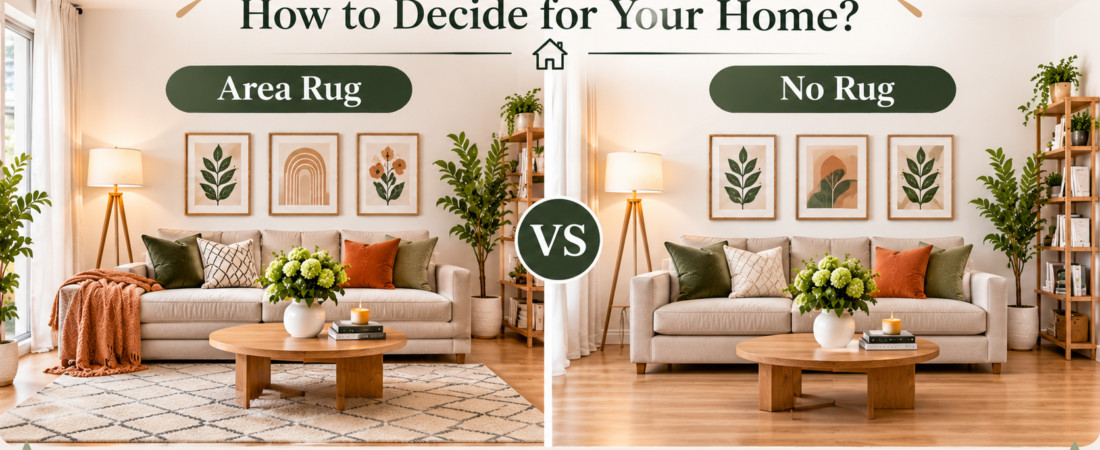
An area rug can completely change the feeling of a room. It can make a living room feel warmer, bring furniture together, introduce a little color, and soften the look of hard flooring. But sometimes, leaving the floor uncovered looks just as beautiful. Exposed hardwood, polished concrete, natural stone, and even simple tile can give a room a clean, spacious appearance that doesn’t need extra decoration.
So, when comparing area rug vs no rug, which option actually looks better?
There isn’t one answer that works for every home. A rug might be exactly what a large living room needs, while the same rug could make a small space feel crowded. In another room, bare flooring might look elegant and uncluttered, but it could also feel cold or unfinished without something soft underfoot. The right choice depends on your flooring, furniture arrangement, room size, decorating style, and everyday habits.
Think about the last time you walked into a room that felt especially comfortable. Was it the soft rug under the coffee table, the beautiful wooden floor, or the way everything seemed to fit together? Often, it’s not one decorative item that makes a room work. It’s how all the elements relate to one another.
This guide compares both options and shares 15 practical styling ideas to help you decide whether an area rug belongs in your home. You’ll also find room-by-room advice, decorating mistakes to avoid, and simple ways to make either choice look intentional.
Understanding the Difference Between a Room With an Area Rug and One Without
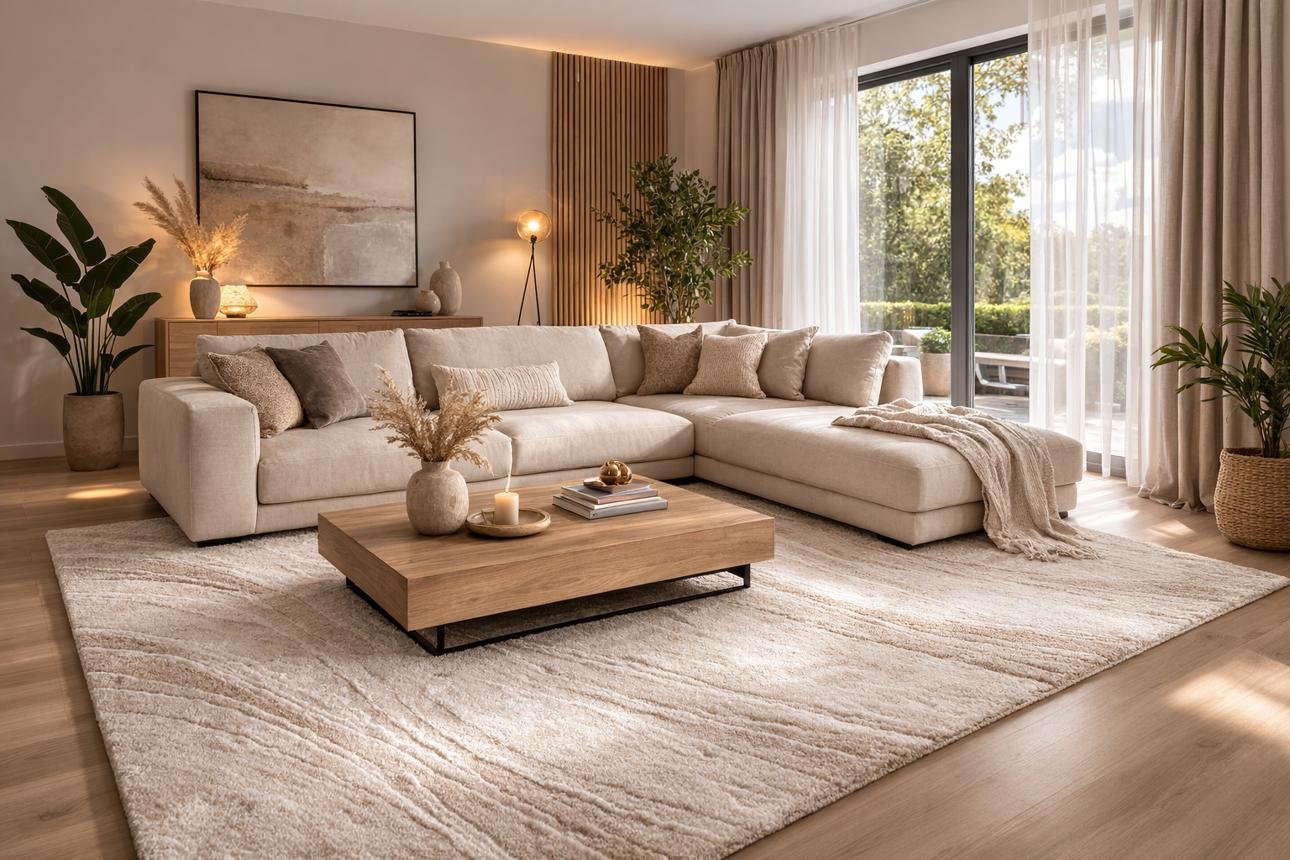
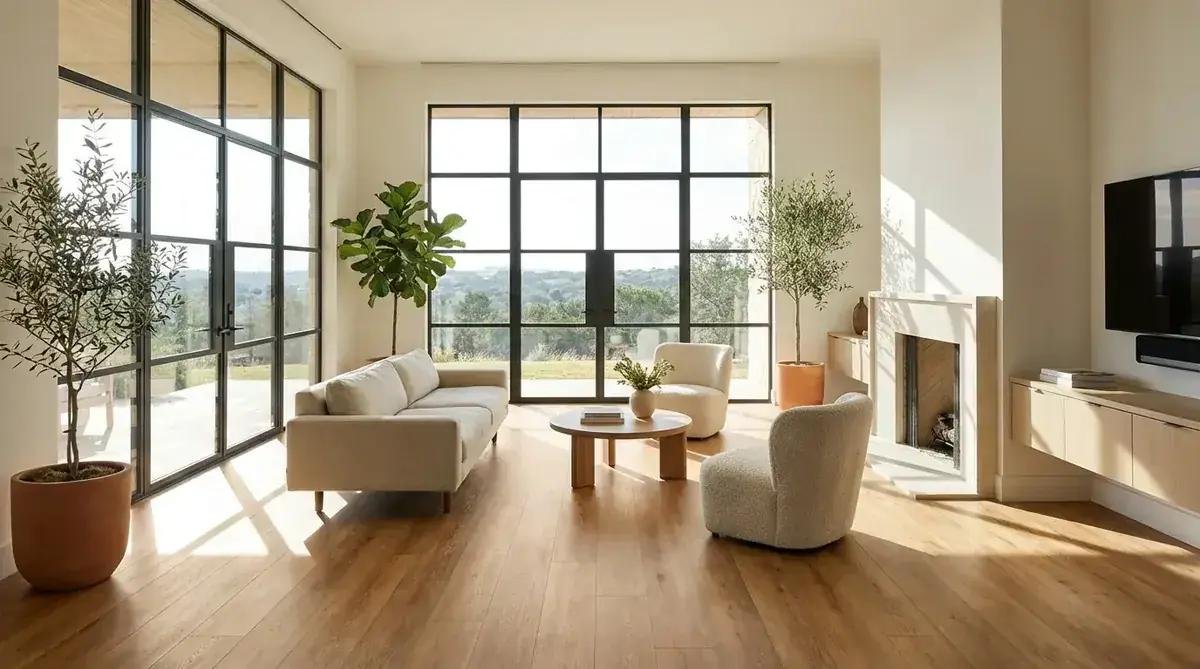
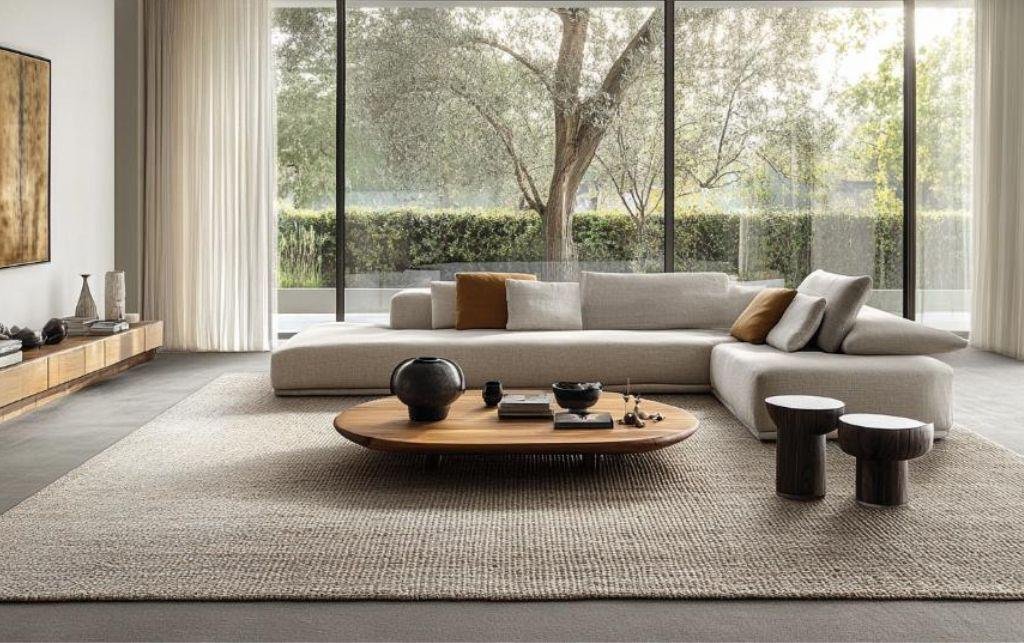
An area rug and a bare floor create two noticeably different visual experiences. A rug adds another layer to the room, while an uncovered floor allows the existing flooring to become part of the design. Neither option is automatically more stylish. The difference comes down to what your room needs and what you want people to notice when they walk inside.
An area rug creates softness and visual connection. It can anchor a sofa, define a seating arrangement, and make separate furniture pieces feel like part of one composition. A large rug also introduces texture, pattern, and color without requiring you to change your walls or furniture. Even a simple neutral rug can make a living room feel more finished because it creates a visual foundation beneath the furniture.
A rug can also make everyday activities more comfortable. It gives your feet a softer surface, makes a reading corner feel inviting, and can reduce the sharp, echoing sound that sometimes occurs in rooms with hard flooring. In bedrooms, it feels especially pleasant when you step out of bed in the morning.
Leaving the floor bare creates a different kind of beauty. Without a rug, the flooring remains visible, which can make the room feel more open and uncluttered. This is particularly attractive when you have beautiful hardwood, decorative tile, polished concrete, or another floor finish worth showing off. Bare floors can also make cleaning easier because you don’t have to move or vacuum around a large textile.
However, an uncovered floor may make a room feel less cozy, especially when the space contains lots of hard surfaces. The absence of a rug can also make furniture arrangements look disconnected if there isn’t another visual element bringing them together.
The easiest way to think about it is this: a rug adds a layer, while a bare floor preserves simplicity. If your room feels cold, empty, or visually scattered, a rug may help. If it already feels balanced, comfortable, and attractive, you may not need one.
15 Styling Ideas to Help You Decide
1. Add an Area Rug to Make Your Living Room Feel More Inviting
A living room is one of the easiest places to see the difference an area rug can make. Sofas, armchairs, coffee tables, and side tables can sometimes feel like separate objects sitting on a large floor. A rug creates a shared foundation, helping the seating arrangement look more connected. It also adds a softer surface that makes the room feel comfortable rather than overly formal.
For a balanced layout, choose a rug large enough to relate to the main furniture. Ideally, the front legs of your sofa and chairs should sit on the rug, although a smaller arrangement with only the coffee table centered on it can work in a compact room. What you want to avoid is a tiny rug floating in the middle of a large seating area. It can make the furniture appear disconnected instead of creating the cozy atmosphere you’re aiming for.
Color and texture matter just as much as size. A cream or beige rug can soften a room filled with dark furniture, while a patterned design can introduce personality to a simple interior. If you already have colorful cushions or a statement sofa, a subtle rug may be the better choice.
Styling tip: Choose a rug that extends beyond the coffee table and visually connects the seating pieces. If you’re unsure about the size, use painter’s tape to mark the proposed dimensions on the floor before buying.
2. Skip the Rug for a Clean, Minimalist Look
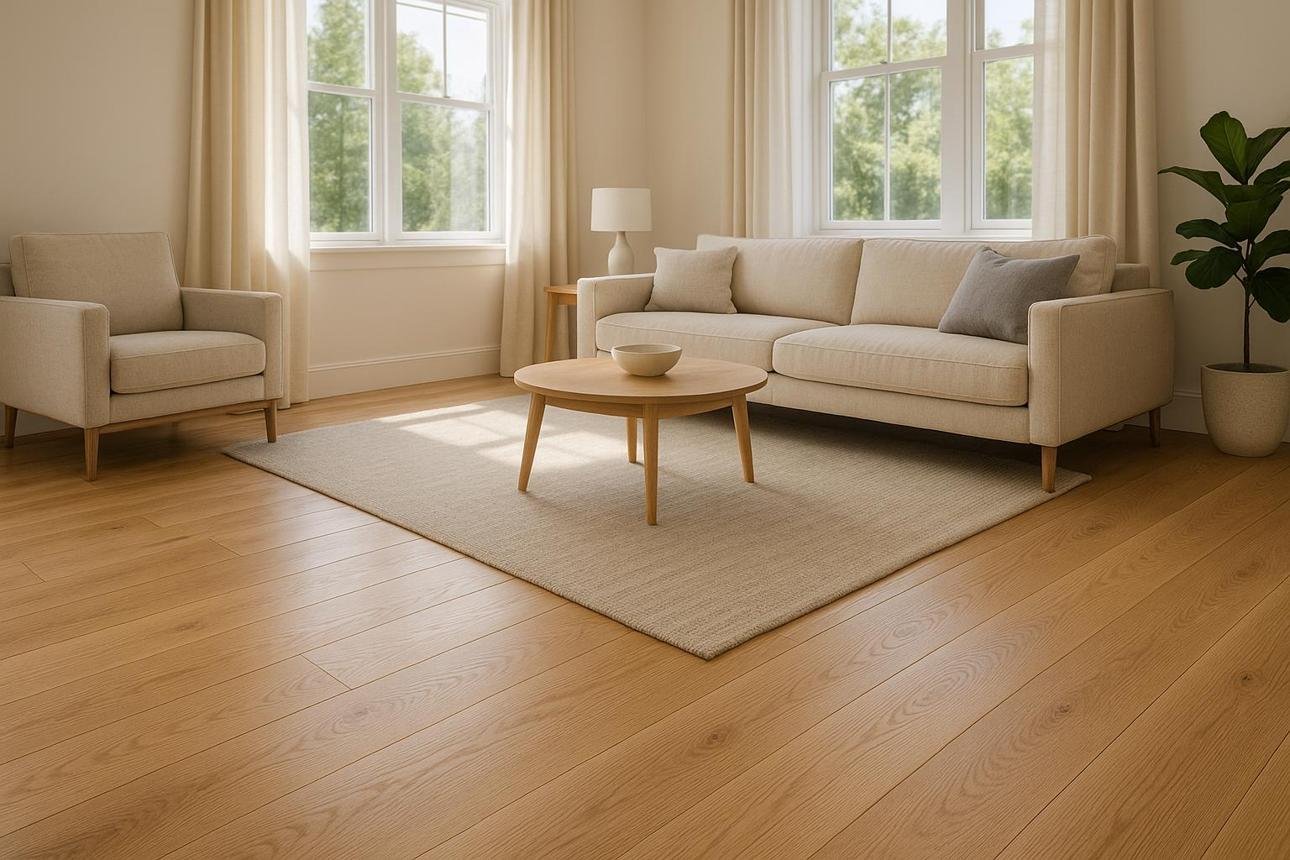
Not every room needs a rug to feel complete. In minimalist interiors, leaving the floor uncovered can create a beautiful sense of openness. When the flooring has an attractive finish, adding a large rug may cover an important part of the room’s character. A bare floor also gives furniture and architectural details more room to stand out.
This approach works particularly well when your space already has a simple color palette, clean-lined furniture, and carefully selected accessories. Instead of adding another pattern or texture, you allow the natural flooring to become part of the overall design. Light oak can make a room feel warm and relaxed, while darker wood can create a richer, more dramatic atmosphere.
The key is to make sure the room doesn’t feel empty by accident. Minimalist decorating still needs balance. You can use soft curtains, upholstered furniture, cushions, plants, and warm lighting to create comfort without covering the floor. A textured sofa or a beautiful wooden coffee table can provide enough visual interest on its own.
Styling tip: If you decide to go without a rug, pay attention to the other textures in the room. Linen curtains, woven baskets, soft upholstery, and natural wood can prevent the space from feeling too stark.
3. Use a Rug to Define an Open-Plan Living Space

Open-plan homes can look spacious and modern, but they sometimes lack clear visual boundaries. When the kitchen, dining area, and living room share one large space, the furniture can feel scattered without a little help. An area rug is a simple way to create a defined living zone without installing partitions or changing the layout.
Place a rug beneath the sofa, armchairs, and coffee table to establish the seating area. The rug acts almost like an invisible border, showing where one activity takes place and where another begins. You can keep the dining area uncovered or use a separate rug beneath the dining table if it suits your lifestyle and cleaning routine.
You don’t necessarily need matching rugs throughout the open-plan space. In fact, using two different designs can help distinguish the areas. However, they should share something visually, such as a similar undertone, color family, or overall style. A neutral living room rug can work beautifully alongside a dining area with exposed wood flooring.
Styling tip: Use a rug to anchor the living room, then let the dining and kitchen flooring remain visible. This creates separation without making the open layout feel divided into too many small sections.
4. Leave the Floor Bare in Small Rooms
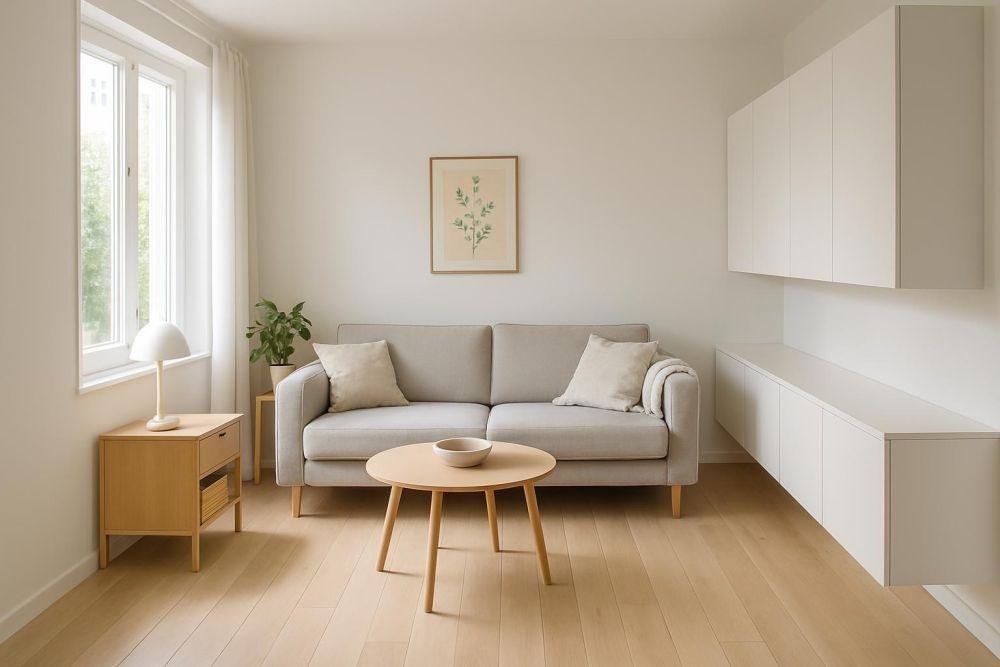
Small rooms require a little more thought because every decorative layer affects how spacious the room feels. A rug can make a compact living room warmer, but the wrong size or pattern may make the floor look busy. If your room already contains a sofa, coffee table, storage furniture, and several accessories, leaving the floor bare may create a welcome sense of breathing space.
This is especially true when the flooring is light and visually continuous. Without a rug breaking up the surface, the eye can travel more easily across the room. That can make a small space feel less crowded, particularly when furniture has slim legs and the layout allows some visible floor around each piece.
Still, don’t assume that every small room should be rug-free. A correctly sized rug can actually make a compact seating area feel more organized. The trick is choosing a design that supports the furniture rather than competing with it. A low-contrast pattern or a simple textured rug can work better than a bold design with many colors.
Styling tip: If your small room feels cramped, try removing the rug temporarily. Compare how the space looks and feels before deciding whether you need a smaller or lighter alternative.
5. Make a Bedroom Feel Warmer With an Area Rug
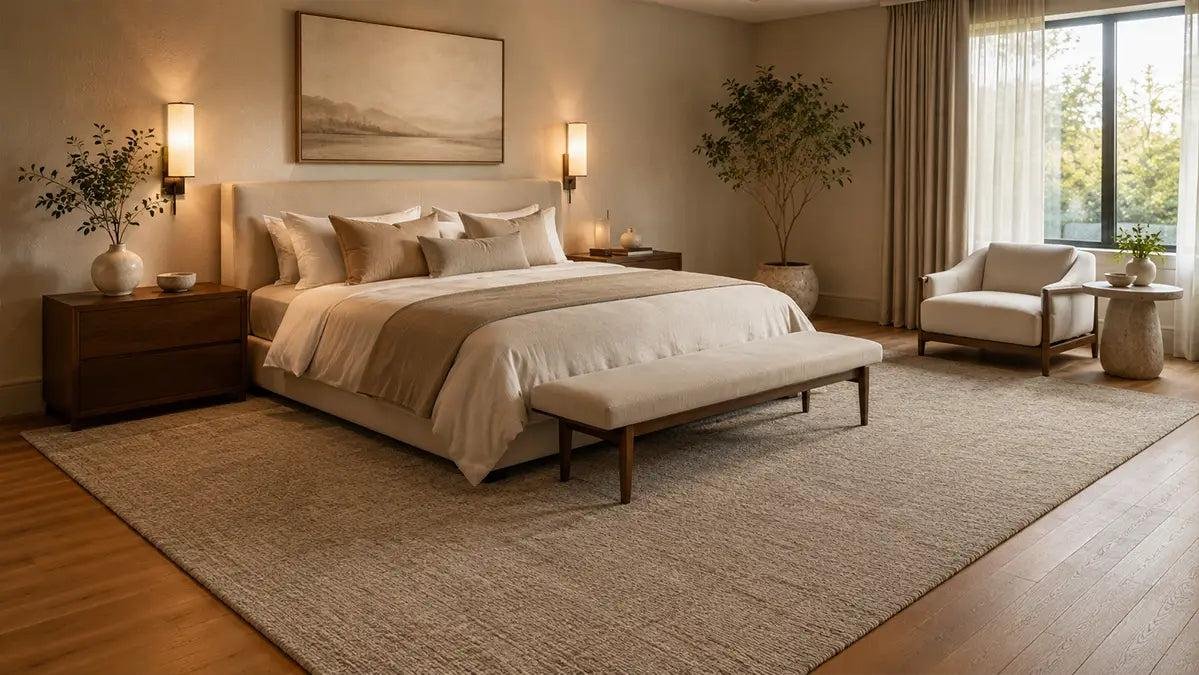
A bedroom is one of the strongest arguments for using an area rug. Even when you have beautiful flooring, stepping onto a soft surface in the morning can make the room feel more comfortable. A rug beneath the bed also creates a visual foundation, helping the bed feel like the central feature rather than a large piece of furniture placed against a wall.
You can position a large rug beneath the bed so that it extends beyond the sides and foot. This creates a generous border of softness around the furniture. If your bedroom is small, two runners placed alongside the bed may be more practical than one oversized rug. They provide comfort where you need it without covering most of the floor.
Choose the material according to how you use the room. A plush rug can feel luxurious underfoot, while a low-pile design may be easier to maintain. Neutral shades are easy to coordinate with bedding, but a muted pattern can add character without overwhelming a calm bedroom.
Styling tip: Repeat one color from the rug in your bedding, curtains, or cushions. This small connection helps the room feel coordinated without making every element match.
6. Choose No Rug for Beautiful Hardwood Floors
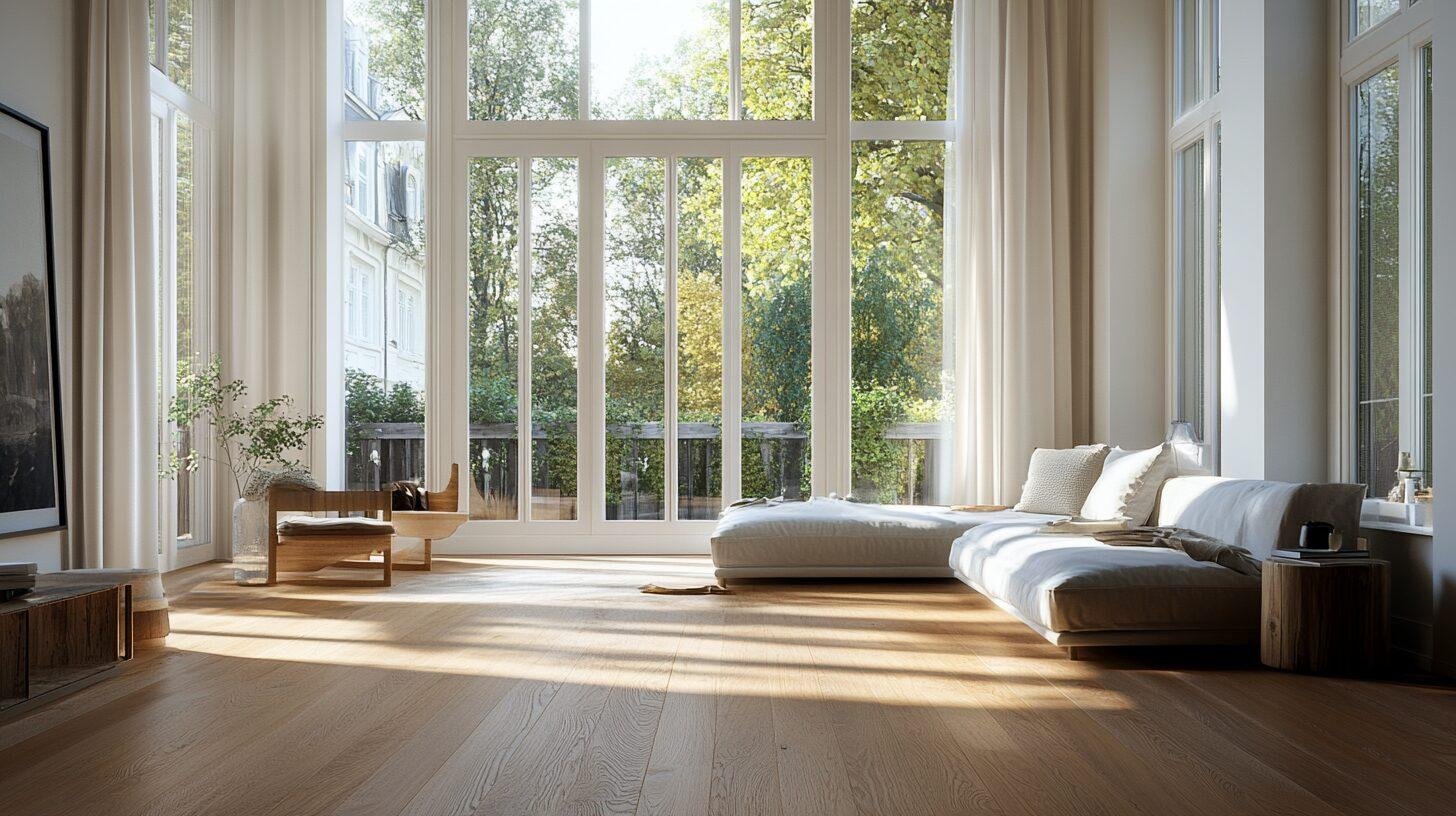
Sometimes the best decorating decision is to leave something alone. If your home has beautiful hardwood flooring, covering most of it with an area rug may hide one of its most attractive features. Natural wood has its own pattern, grain, and warmth, so it can function as a decorative element rather than simply a surface beneath your furniture.
Bare hardwood floors are particularly effective in rooms with simple furniture and a restrained color palette. They allow the natural material to remain visible and create a clean connection between different parts of the home. This can be especially useful in open-plan interiors where visual continuity helps the space feel larger.
There are practical reasons to consider leaving the floor uncovered, too. You can see the flooring more easily, and regular cleaning may feel simpler without a large rug in the way. However, protect the finish from scratches and take care with furniture feet. A beautiful bare floor still needs maintenance.
If the room feels slightly cold, add warmth through upholstered chairs, curtains, cushions, and layered lighting rather than automatically introducing a rug.
Styling tip: Let the wood floor be the star. Keep large furniture pieces visually balanced and avoid filling every open area with accessories.
7. Use a Rug to Bring Furniture Together
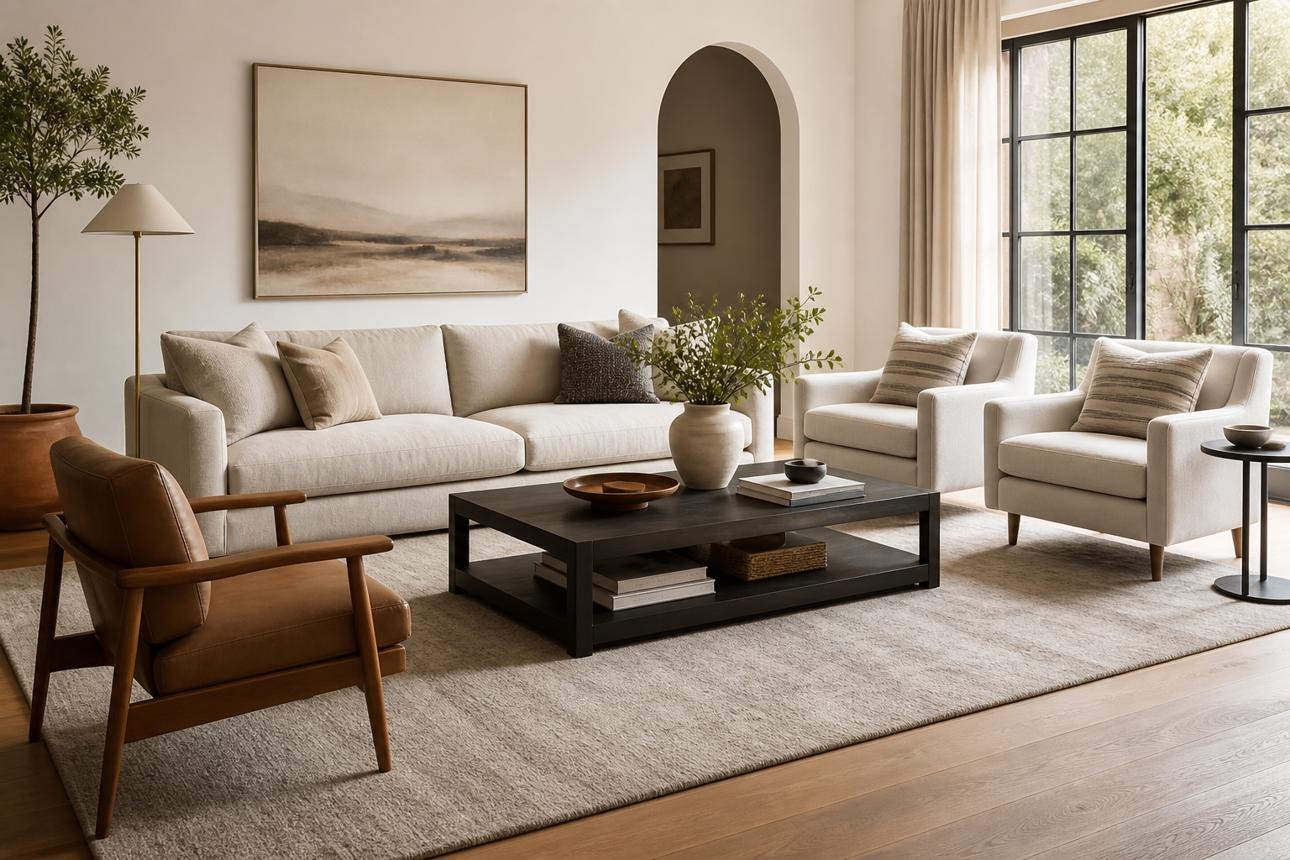
One of the biggest advantages of an area rug is its ability to connect furniture that might otherwise look unrelated. A sofa on one side of the room, two chairs on the other, and a coffee table in the middle can feel like separate pieces. Placing them around a shared rug creates a visual center and makes the arrangement appear more intentional.
This is particularly helpful in large living rooms where furniture can seem too spread out. A generously sized rug gives the seating arrangement a clear boundary and makes the room feel more intimate. You don’t have to push every piece of furniture against the rug, but allowing the front legs of the main seating pieces to rest on it often creates a pleasing connection.
Think about the shape, too. A rectangular rug usually works naturally with a standard sofa arrangement. A round rug can soften a room with curved furniture or a circular coffee table. The best shape depends on the layout, not simply on which design looks attractive in a store.
Styling tip: Arrange the furniture first, then choose a rug that fits the overall seating group. Don’t buy a rug and try to force the entire room around it.
8. Add Texture With a Natural Fiber Rug
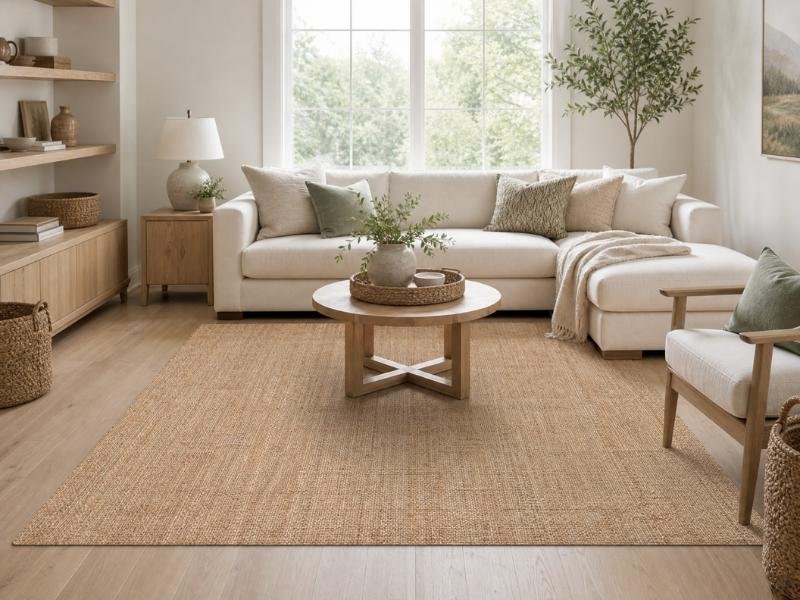
If your room feels flat but you don’t want to introduce a strong color or busy pattern, a natural fiber rug can be a useful middle ground. Materials such as jute and sisal bring visible texture while keeping the palette relatively understated. Their woven surfaces can add interest to neutral rooms without competing with furniture, artwork, or decorative accessories.
Natural fiber rugs work particularly well in relaxed, organic, coastal, and modern rustic interiors. They can complement wooden furniture, linen upholstery, woven baskets, and earthy colors. Even a simple beige room can feel more layered when the floor has a different texture from the surrounding materials.
However, natural fibers aren’t ideal for every situation. Some can feel rough underfoot, and certain materials may be less suitable for damp areas or frequent spills. If comfort is your main priority, consider a softer wool or cotton alternative. You can also layer a smaller soft rug over a larger natural fiber base, provided the arrangement is safe and doesn’t create a tripping hazard.
Styling tip: Use a natural fiber rug when you want texture more than color. Pair it with soft upholstery so the room feels welcoming rather than overly rough or rustic.
9. Keep Dining Areas Practical With the Right Rug Choice
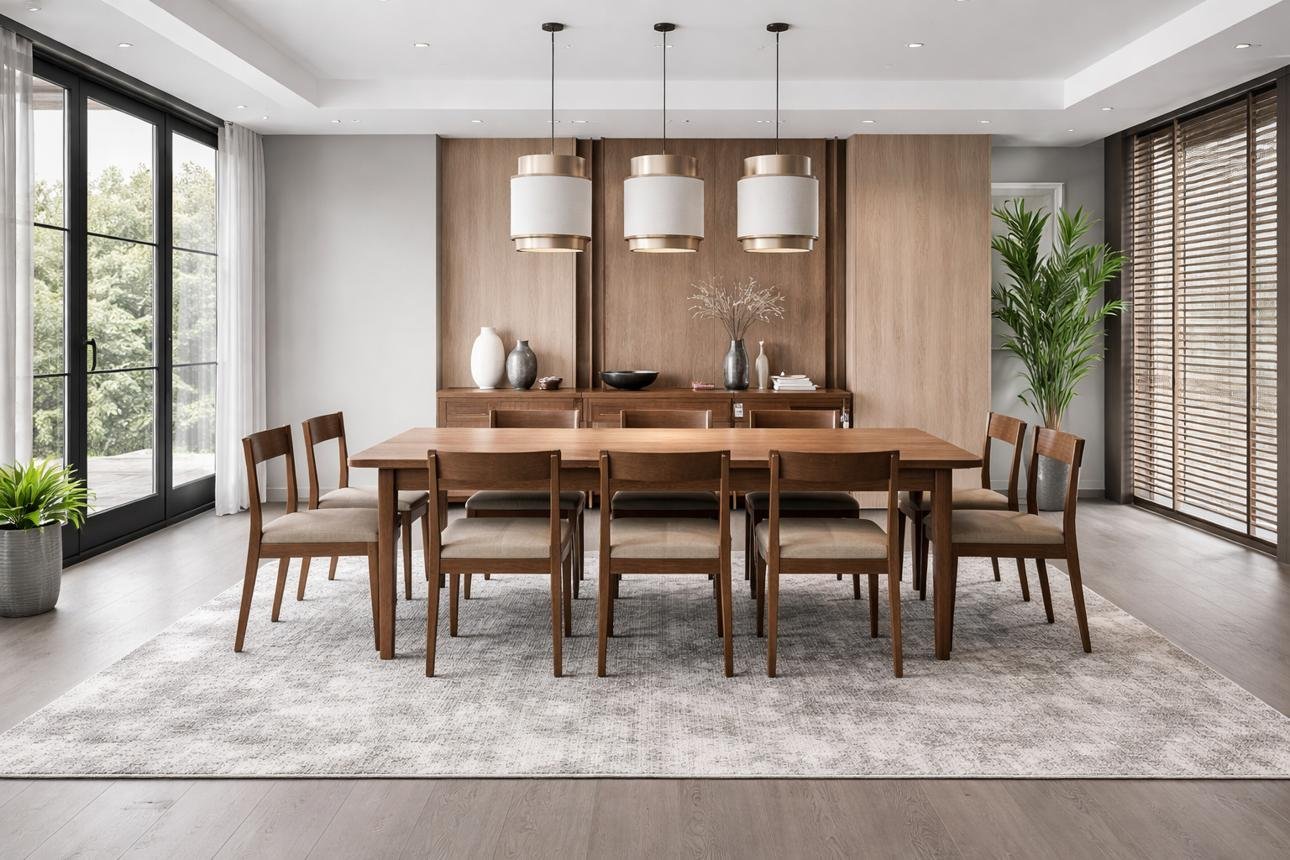
A rug beneath a dining table can make the room feel more finished, but it also needs to work with everyday life. Chairs move in and out, crumbs fall, drinks spill, and the floor receives regular use. That’s why the decision between a rug and a bare floor is especially practical in dining spaces.
If you love the look of a rug, choose a low-pile design that’s easier to vacuum and less likely to catch chair legs. Make sure it’s large enough for the chairs to remain on the rug when people pull them away from the table. A rug that is too small can become frustrating because the chair legs repeatedly catch its edges.
On the other hand, leaving the dining floor bare can be a sensible choice for busy households. Hard flooring is generally easier to wipe clean after meals, and the dining table can still look attractive without a rug. You can create visual interest with pendant lighting, a centerpiece, artwork, and well-chosen dining chairs.
Styling tip: Prioritize ease of cleaning if your dining table gets used every day. A beautiful rug isn’t worth the frustration if it becomes difficult to maintain.
10. Use a Rug to Add Color to a Neutral Room

A room filled with beige, cream, white, or gray can look elegant, but sometimes it needs a little contrast. An area rug offers a simple way to introduce color without changing the walls or investing in new furniture. Because the rug sits beneath the main furniture arrangement, it can bring energy to the room while keeping the overall design grounded.
You could choose a muted terracotta rug for a warm neutral interior, a dusty blue pattern for a relaxed coastal feel, or an olive green design to complement natural wood. The best color is one that relates to something already in the room, such as cushions, artwork, curtains, or decorative objects.
A rug can also help you build a color palette. If you find a design with several complementary shades, use one or two of those colors in smaller accessories. This creates a natural connection between the floor and the rest of the room.
Styling tip: If you’re nervous about introducing a bold color, start with a patterned rug that combines neutral tones with one subtle accent. It adds interest without making the room feel dramatically different.
11. Skip Rugs in High-Traffic Areas When Practicality Matters
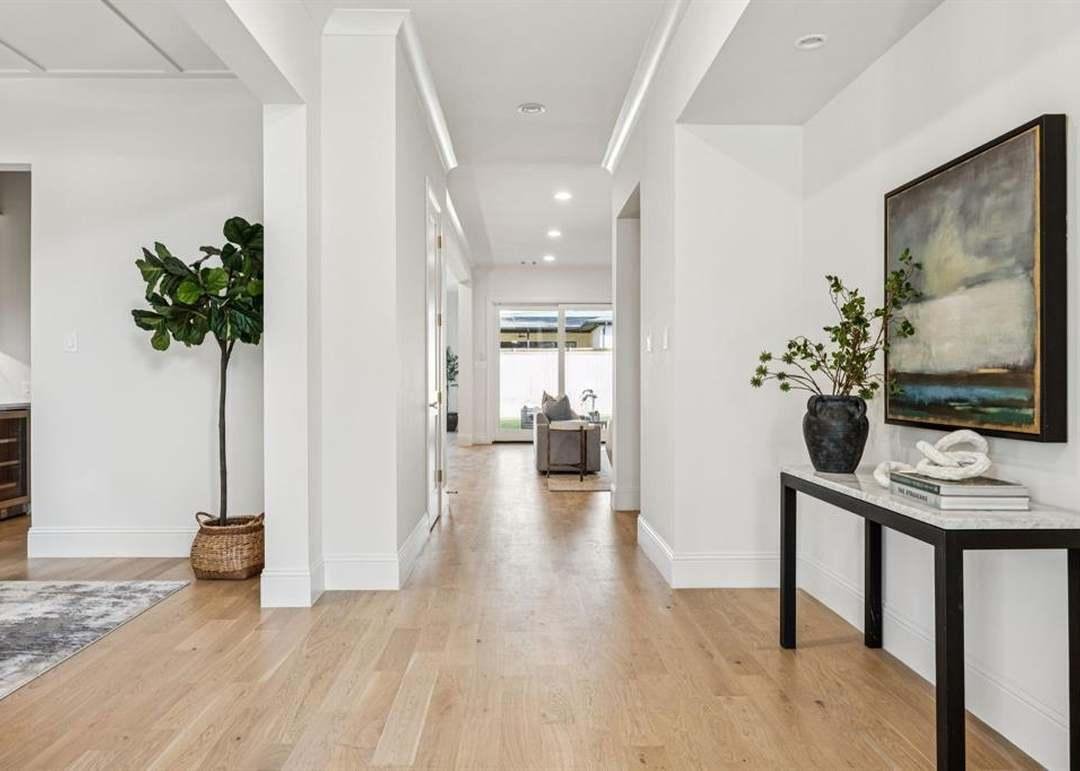
Some areas of the home experience more movement than others. Entryways, narrow hallways, kitchen walkways, and busy family spaces can be difficult places to maintain decorative rugs. Dirt, moisture, footwear, pets, and everyday traffic can quickly affect how a rug looks.
Leaving the floor uncovered may be the easier option when cleaning and durability matter most. You can sweep or mop the surface without moving a textile, and there are fewer edges to catch under shoes or furniture. This can be particularly helpful in a narrow hallway where a rug that shifts or curls could create a tripping hazard.
That doesn’t mean rugs should never be used in busy spaces. A washable, durable, non-slip runner can help protect flooring and make an entry feel welcoming. The important thing is choosing something suited to the location rather than using a delicate living room rug in a heavily used passage.
Styling tip: If you prefer a bare hallway, add personality through wall art, a slim console, a mirror, or attractive lighting. The floor doesn’t need to carry the entire decorative responsibility.
12. Layer Rugs for a Relaxed, Collected Interior
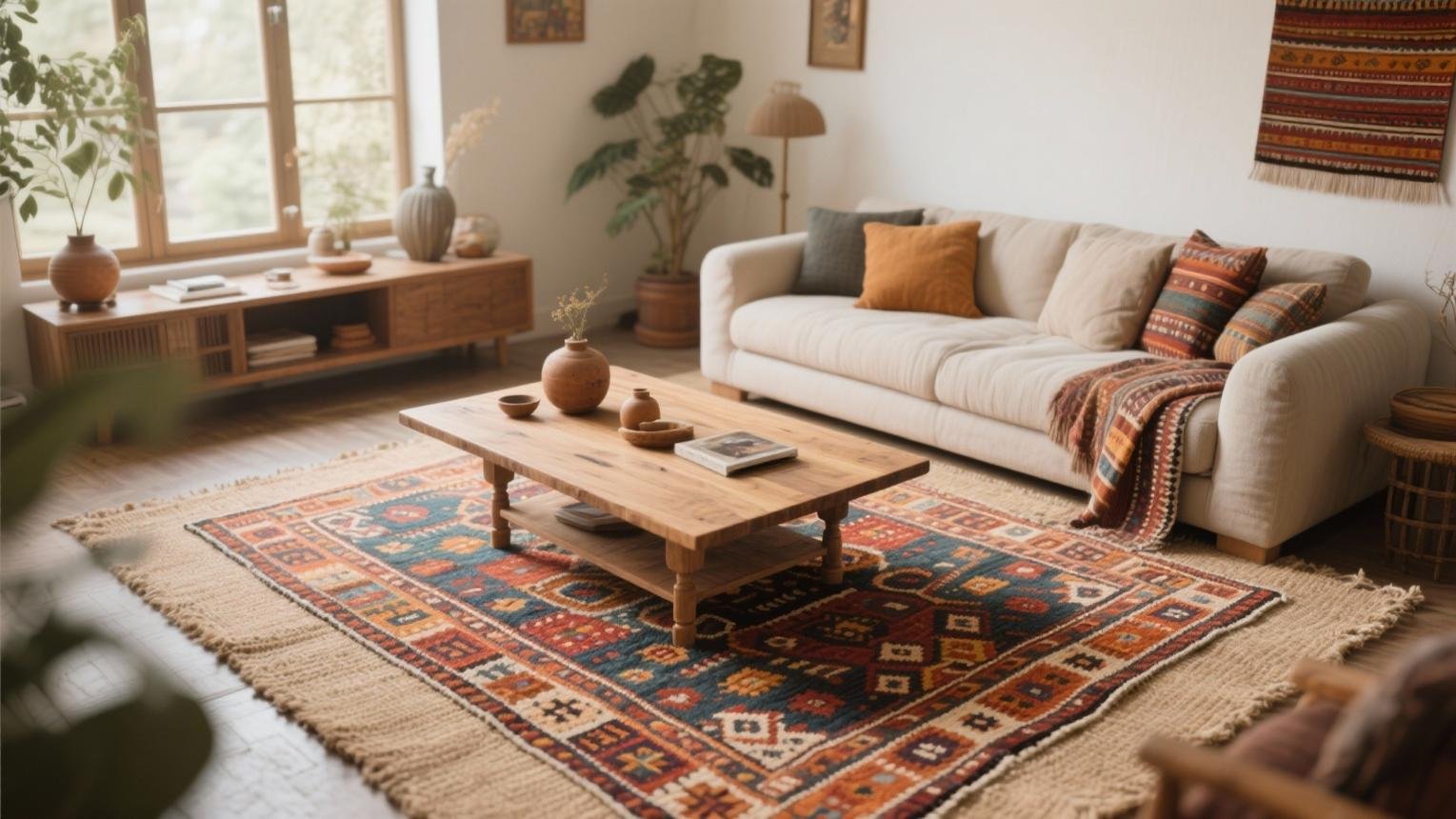
If you can’t decide between a simple rug and a more decorative design, layering can offer an interesting compromise. This approach usually involves placing a larger, understated rug underneath a smaller patterned or textured one. The result can feel relaxed and collected, especially in interiors that combine natural materials, vintage pieces, and different textures.
A large jute rug can work as the base, while a smaller vintage-style rug introduces color and personality. You can also layer a soft patterned rug over a plain wool design. The key is making sure the two pieces complement one another instead of competing for attention.
Think about scale and placement before trying this look. The bottom rug should be large enough to provide a stable foundation, and the upper rug should sit securely without curling or sliding. Use appropriate rug pads where needed, especially on smooth flooring.
Layering isn’t necessary in every room. If your space is already visually busy, two rugs may create too much detail. But in a simple room, this technique can add depth without requiring additional furniture or wall decoration.
Styling tip: Keep one rug relatively quiet and let the other provide the pattern. Two equally bold designs can make the floor feel chaotic.
13. Choose a Rug for Better Comfort in a Reading Corner
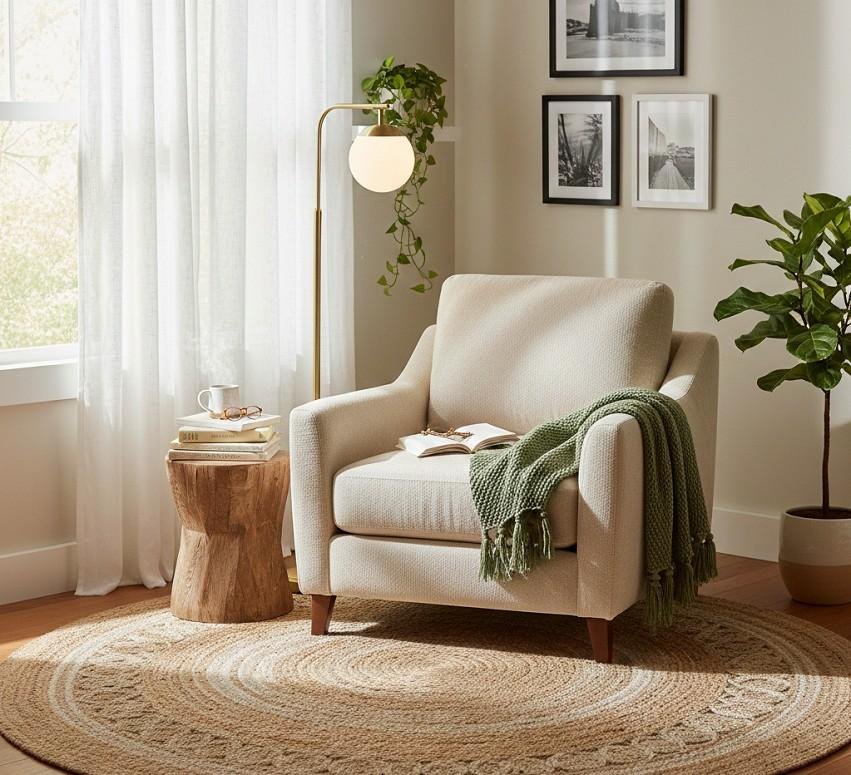
A reading corner doesn’t need much furniture to feel special. An armchair, a side table, a floor lamp, and a comfortable rug can turn an unused corner into a place where you actually want to spend time. The rug helps distinguish the area from the rest of the room and makes the chair feel like part of a deliberate arrangement.
You don’t need a large rug for this purpose. A small rectangular or round design can sit beneath the chair and side table, creating a compact visual zone. Choose a soft material if you enjoy sitting barefoot or stretching your legs while reading. If the chair has a bold fabric or interesting shape, a simple rug may provide a better balance.
Without a rug, the corner can still look beautiful. A floor lamp, textured chair, and small table may provide enough visual interest. But if the area feels disconnected from the rest of the room, adding a rug could help.
Styling tip: Let the rug define the reading area, but leave enough floor visible around it so the corner doesn’t feel cramped.
14. Leave Floors Uncovered in a Warm, Airy Interior
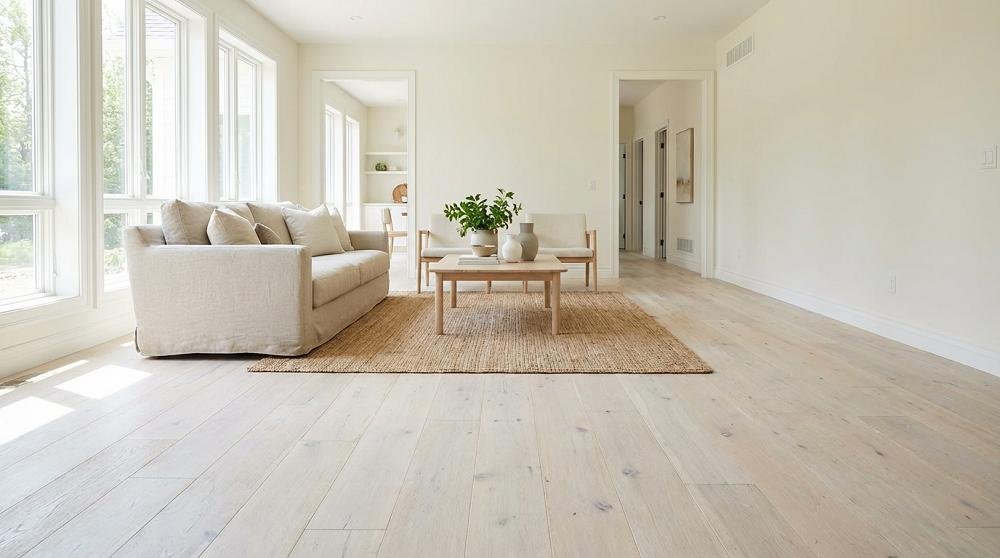
A warm, airy interior doesn’t always need a rug. In Scandinavian-inspired and understated modern homes, visible flooring can contribute to the calm atmosphere. Pale wood, soft wall colors, natural light, and simple furniture can create a comfortable room without adding another decorative layer.
This look is particularly effective when the flooring has a consistent tone throughout the space. Keeping it visible helps the room feel connected and allows the natural material to become part of the overall palette. It can also be useful in homes where you want a lighter visual appearance rather than a room filled with contrasting patterns.
To keep the space from feeling cold, use other materials strategically. Linen curtains, wool throws, upholstered furniture, warm-toned wood, and soft lighting can introduce the comfort that a rug might otherwise provide. You can also use plants and artwork to add life without making the floor busier.
Styling tip: If you love an airy interior, try living with the floor uncovered before buying a rug. You may find that the natural flooring already gives the room the warmth and character it needs.
15. Decide Based on Your Lifestyle, Not Just Appearance
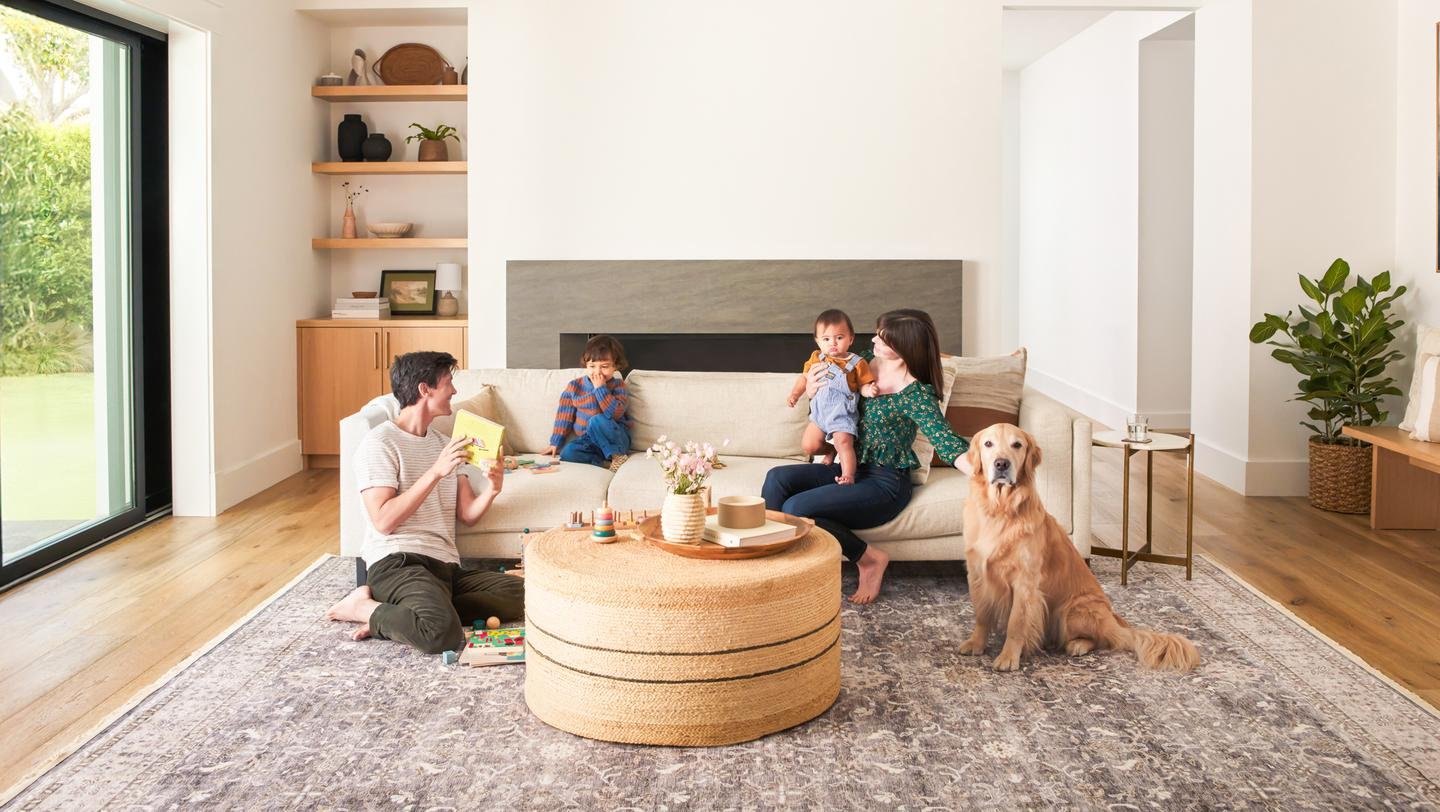
A room can look beautiful in a photograph and still be inconvenient to live in. That’s why the final decision shouldn’t be based only on decorating trends or the appearance of a particular rug. Think about how you use the room every day. Do you have children who play on the floor? Pets that shed? A busy household where food and drinks are often carried from one room to another? Or do you prefer a simple home that takes very little effort to maintain?
If comfort is your priority, a rug may be a worthwhile addition. It creates a softer surface for sitting, playing, and walking. If easy cleaning is more important, uncovered flooring may suit your routine better. A washable rug or durable low-pile option can offer a compromise when you want both comfort and practicality.
Also consider allergies, cleaning habits, and the flooring underneath. Rugs can collect dust and debris if they aren’t maintained, while hard floors may require regular cleaning to keep them looking their best. Neither choice is maintenance-free.
Styling tip: Choose the option that makes your everyday routine easier. A home should look good, but it should also feel comfortable to live in.
Area Rug vs No Rug: Quick Comparison
Both options can create a beautiful interior, but they offer different advantages. Use this comparison to identify what matters most in your room.
| Feature | Area Rug | No Rug |
|---|---|---|
| Visual effect | Adds color, texture, and definition | Creates a cleaner, simpler appearance |
| Comfort | Softer underfoot | Depends on the flooring |
| Furniture arrangement | Helps anchor seating areas | Furniture needs other visual connections |
| Cleaning | Requires vacuuming and occasional deeper cleaning | Often easier to sweep or mop |
| Flooring visibility | Covers part of the floor | Shows the flooring fully |
| Sound | Can soften room acoustics | Hard surfaces may sound more echoing |
| Decorating flexibility | Easy way to change a room’s palette | Keeps the existing design uncomplicated |
| Best for | Cozy living rooms, bedrooms, seating zones | Minimalist rooms, attractive floors, practical spaces |
| Main drawback | Can collect dirt and require maintenance | May feel cold or visually unfinished |
When an area rug looks better
Consider adding a rug when:
- Your living room furniture looks disconnected.
- The room feels cold or lacks soft textures.
- You want to define a seating area in an open-plan layout.
- You need a little color or pattern.
- You want a softer surface beside your bed or reading chair.
When no rug looks better
Leaving the floor uncovered may be the better choice when:
- Your hardwood, tile, or stone flooring is a feature.
- You prefer a minimalist decorating style.
- Your room already feels balanced and comfortable.
- You want to make regular floor cleaning simpler.
- A rug would make the space feel crowded or visually busy.
How to Choose the Right Option for Each Room
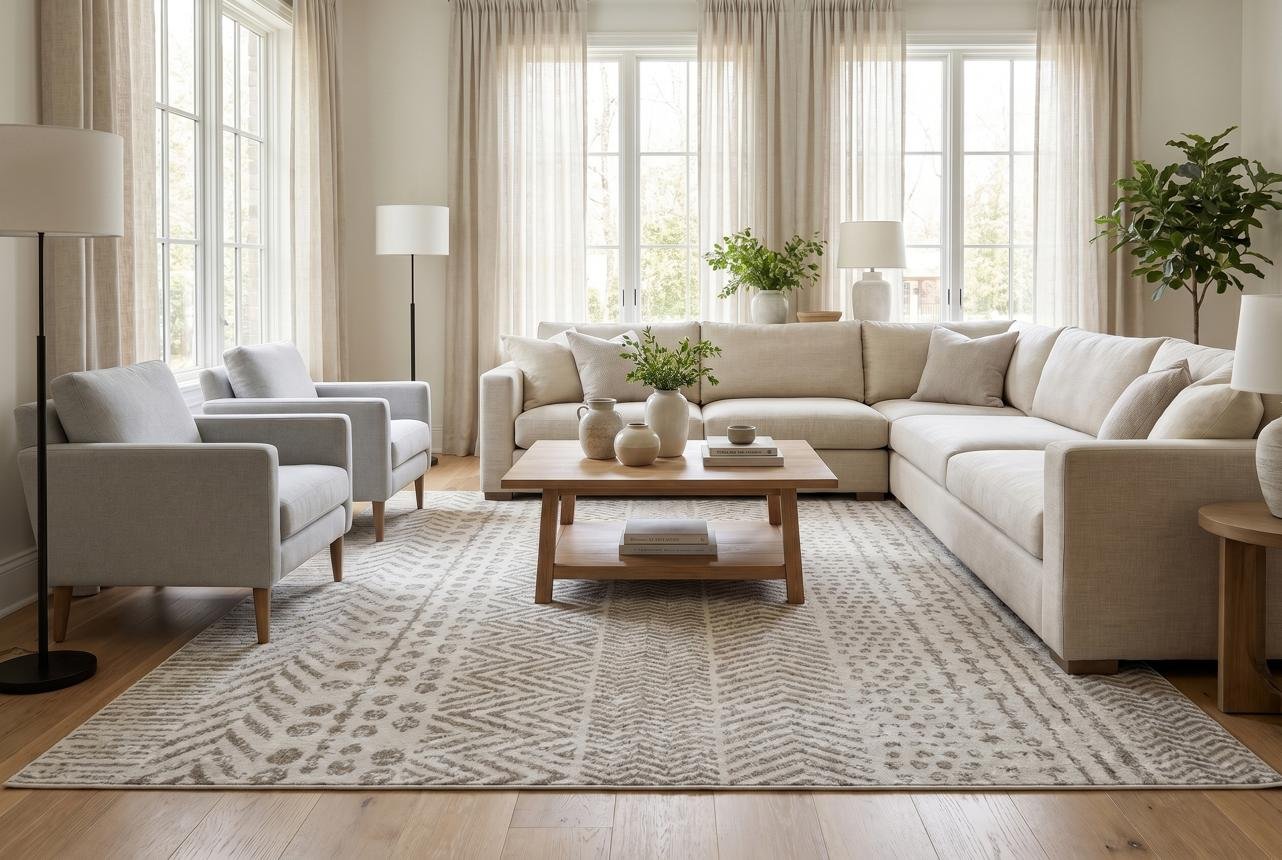

Instead of making one rule for your entire home, decide room by room. A rug that works beautifully in the bedroom may be inconvenient in the dining area. Similarly, a bare living room floor might look elegant, while a rug could make a bedroom much more comfortable.
Living room
The living room is often the best place to use an area rug because it helps connect the main furniture pieces. If you have a large sofa and several chairs, a generously sized rug can make the arrangement feel more cohesive. If your living room is small and already contains plenty of furniture, try leaving the floor uncovered or choosing a smaller, low-contrast design.
Bedroom
A rug can make a bedroom feel warmer and more comfortable, especially beside the bed. Large rugs beneath the bed create a soft border, while runners offer a practical alternative in compact rooms. Bare floors can also look beautiful, particularly when the flooring is warm wood and the bedroom already contains soft textiles.
Dining room
Think about cleaning and chair movement before adding a rug beneath the dining table. A low-pile rug that’s large enough for the chairs can look attractive, but bare flooring may be easier for everyday meals. If you have young children or frequently entertain, practicality should influence the decision.
Entryway and hallway
These areas need durable, safe surfaces. A washable runner can make an entryway feel welcoming, but a bare floor may be easier to maintain in a busy home. Avoid rugs that slide, curl at the edges, or obstruct narrow walkways.
Home office
A rug can make a home office feel more comfortable and visually separate it from the rest of the room. However, consider your chair wheels. A thick or plush rug can make movement difficult, so a suitable low-pile design or uncovered floor may be more practical.
Kitchen
Many kitchens work better without a large area rug because spills and crumbs are part of everyday use. If you want softness near the sink, a washable kitchen mat or runner may be a more sensible option than a decorative living room rug.
Common Rug Decorating Mistakes to Avoid
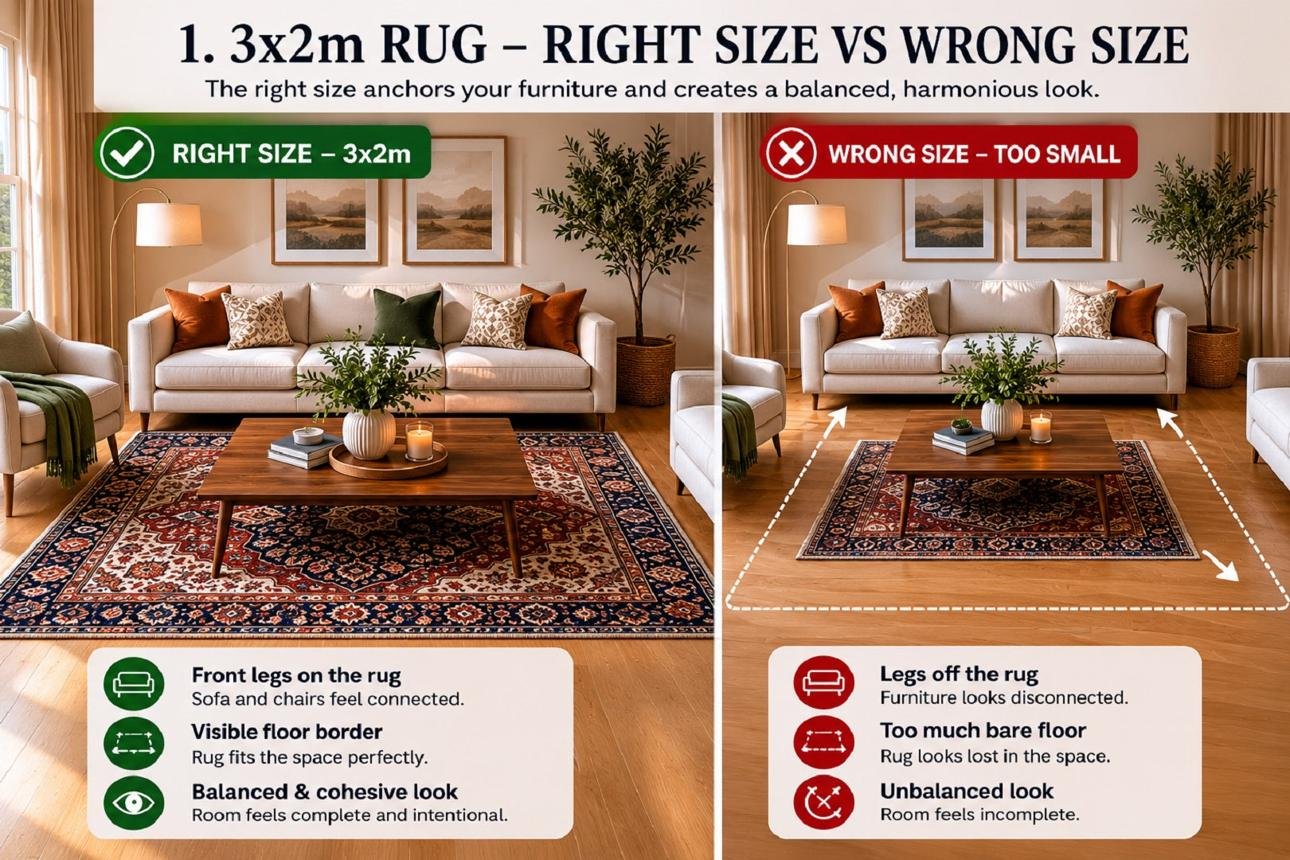
Even a beautiful rug can look wrong when its size, placement, or material doesn’t suit the room. Before deciding that your space needs a rug, consider these common mistakes.
1. Choosing a rug that’s too small. A small rug floating beneath a coffee table may make the seating arrangement look disconnected. Choose a size that relates to the main furniture rather than simply filling the center of the floor.
2. Covering beautiful flooring unnecessarily. If your hardwood or decorative tile is one of the best features of the room, think carefully before hiding it. You may find that the floor looks better uncovered.
3. Ignoring the furniture layout. A rug should support the furniture arrangement, not make it awkward. Measure the seating area and decide where the rug edges should sit before purchasing.
4. Choosing a difficult material for a busy room. A delicate, high-maintenance rug may not be practical in a dining area or entryway. Consider foot traffic, pets, spills, and cleaning requirements.
5. Using too many competing patterns. If your curtains, cushions, sofa, and artwork already contain strong patterns, a bold rug may make the room feel crowded. A quieter design can help balance the space.
6. Forgetting a suitable rug pad. A rug that slides or bunches up can become a safety problem. Choose a pad appropriate for your flooring and follow the manufacturer’s guidance to avoid damaging the surface.
7. Assuming every room needs a rug. Decorating isn’t about filling every empty area. If the room already feels complete, leaving the floor uncovered can be the more thoughtful decision.
8. Ignoring the door and furniture clearance. A thick rug can interfere with doors, drawers, and furniture movement. Check clearances before buying, especially in bedrooms and smaller spaces.
Conclusion: Should You Use an Area Rug or Leave the Floor Bare?
When comparing area rug vs no rug, the better option is the one that makes your room feel balanced, comfortable, and practical. An area rug can bring furniture together, introduce texture, soften hard flooring, and create a cozy atmosphere. It is especially useful in living rooms, bedrooms, reading corners, and open-plan spaces where you want to establish a clear seating area.
Leaving the floor bare has its own appeal. It allows attractive flooring to remain visible, creates a cleaner visual appearance, and can make everyday cleaning easier. This approach often works beautifully in minimalist interiors, compact rooms, and homes with natural wood or decorative stone floors.
You don’t have to follow one approach throughout your home. Use a rug in the living room if it helps anchor your furniture, leave the dining floor uncovered if cleaning is a priority, and add a soft bedroom rug if you enjoy stepping onto something comfortable in the morning.
The best decorating decision isn’t always about adding something new. Sometimes, it’s about recognizing what your room already does well. If a rug improves the space, use one. If the floor looks better without it, let it shine.
FAQs About Area Rugs and Bare Floors
1. Does a living room look better with an area rug or without one?
A living room often benefits from an area rug because it connects the sofa, chairs, and coffee table into one arrangement. However, a room with attractive hardwood or stone flooring can look beautiful without one. Consider the furniture layout, room size, and atmosphere you want before deciding.
2. Does an area rug make a room look smaller?
It can, depending on its size, color, and pattern. A dark or heavily patterned rug may create a strong visual boundary, while a light, appropriately sized rug can help organize the furniture without making the room feel crowded. The placement and proportions matter more than simply having a rug.
3. Should an area rug go under all the furniture?
Not necessarily. In many living rooms, placing the front legs of the sofa and chairs on the rug creates a balanced arrangement. In larger rooms, you may prefer to place all the main furniture legs on the rug. The best layout depends on the size of your seating area and the rug.
4. Is it okay to have no rugs in a home?
Absolutely. A home doesn’t need rugs in every room. If you have attractive flooring, prefer a minimalist style, or want simpler floor maintenance, leaving the floors uncovered can be a great choice. Add comfort through curtains, upholstery, cushions, throws, and other soft furnishings.
5. Are area rugs necessary in bedrooms?
No, but they can make bedrooms more comfortable. A rug beside or beneath the bed provides a softer surface when you get up in the morning and can make the room feel more complete. If you prefer bare flooring, bedside runners or soft slippers are alternatives.

Leave a Reply