

A small home can feel comfortable and spacious until you need to fit a bed, sofa, storage, and somewhere to work into the same room. Suddenly, every piece of furniture seems to take up more space than it should. This is especially frustrating in studio apartments, guest rooms, small bedrooms, and homes where one room has to serve several purposes.
That is where the Murphy bed vs sofa bed decision comes in. Both options help you make better use of limited floor space, but they work in different ways. A Murphy bed folds vertically or horizontally into a cabinet or wall unit when you are not using it. A sofa bed looks like a regular sofa during the day and converts into a sleeping surface when needed.
At first glance, a sofa bed might seem like the obvious choice because it provides seating and sleeping in one piece of furniture. But a Murphy bed may offer a more comfortable sleeping arrangement, especially if you use it every night. The right choice depends on your room, your routine, your budget, and the people who will use it.
Let’s compare both options carefully so you can spend your money on furniture that genuinely makes daily life easier.
The Quick Answer: Which One Should You Choose?
Choose a Murphy bed if you need a proper bed for regular sleeping but want to reclaim floor space during the day. It is particularly useful in a studio apartment, multipurpose bedroom, or home office that occasionally becomes a guest room. Since the mattress is stored inside a cabinet or wall-mounted structure, you can often use a conventional mattress that provides a more familiar sleeping experience. You will need to plan for installation, clearance, and the furniture’s open position, but the result can be a room that changes function without requiring you to move a sofa every night.
Choose a sofa bed if you mainly need comfortable seating and only occasionally need an extra sleeping space. It is a practical choice for a living room, small guest area, or apartment where a separate bed would not be used often. You can sit on it during the day, welcome visitors, and unfold the sleeping section when someone stays overnight. Some modern sofa beds are surprisingly comfortable, but the quality varies considerably depending on the mattress, frame, and folding mechanism.
| Your main need | Better starting choice |
|---|---|
| Sleeping comfortably every night | Murphy bed |
| Occasional overnight guests | Sofa bed |
| A room that needs to function as an office | Murphy bed |
| Everyday seating and occasional sleeping | Sofa bed |
| A more conventional mattress | Murphy bed |
| A simpler furniture purchase | Sofa bed |
| A small room with no space for a permanent bed | Either, depending on clearance |
| A living room that needs to remain a living room | Sofa bed |
Think about how often someone will sleep on the furniture. That single question can make the decision much easier. If it will be used as a bed five or seven nights a week, prioritize the sleeping experience. If it will only be opened a few times a year, everyday seating and convenience may matter more.
Murphy Bed vs Sofa Bed: Understanding the Main Difference
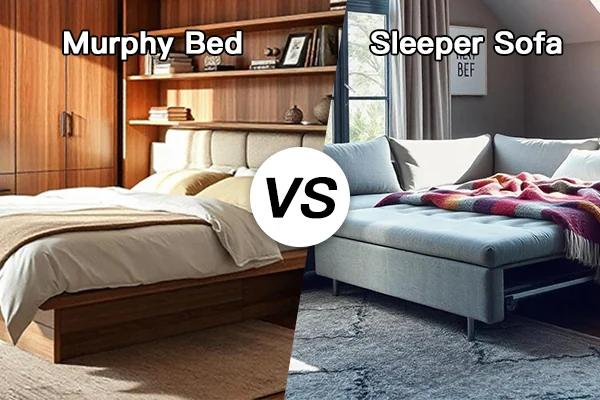
The biggest difference is how each piece of furniture changes the room. A Murphy bed disappears into a cabinet or wall unit when folded away, leaving the surrounding area available for another purpose. A sofa bed stays visible as a sofa, so it continues to occupy a defined seating area even when nobody is sleeping on it. Both can save space compared with having a separate bed and sofa, but they save space in different ways.
A Murphy bed is often part of a more planned room layout. You decide where the bed will be installed, how it will open, and what furniture can sit around it. A sofa bed is generally easier to position like an ordinary sofa, although you still need enough room to pull out or unfold the sleeping section. Neither option is automatically better in every small room. The furniture has to work with the actual shape of the space, including doors, windows, walkways, cupboards, and other furniture.
What Is a Murphy Bed?
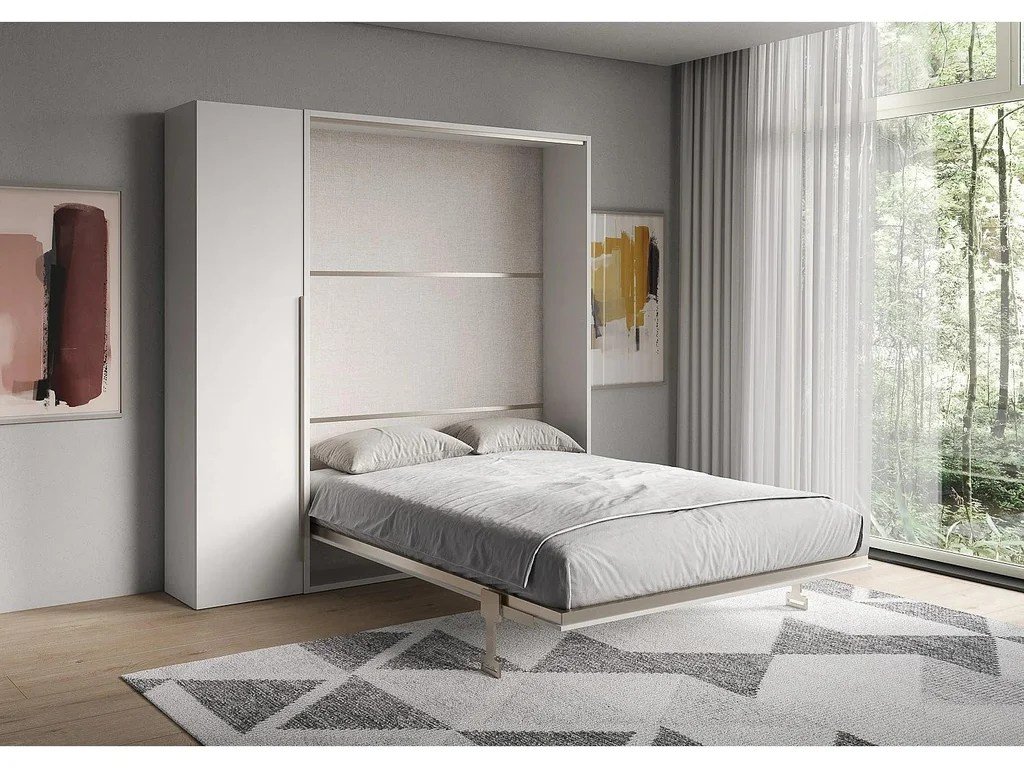
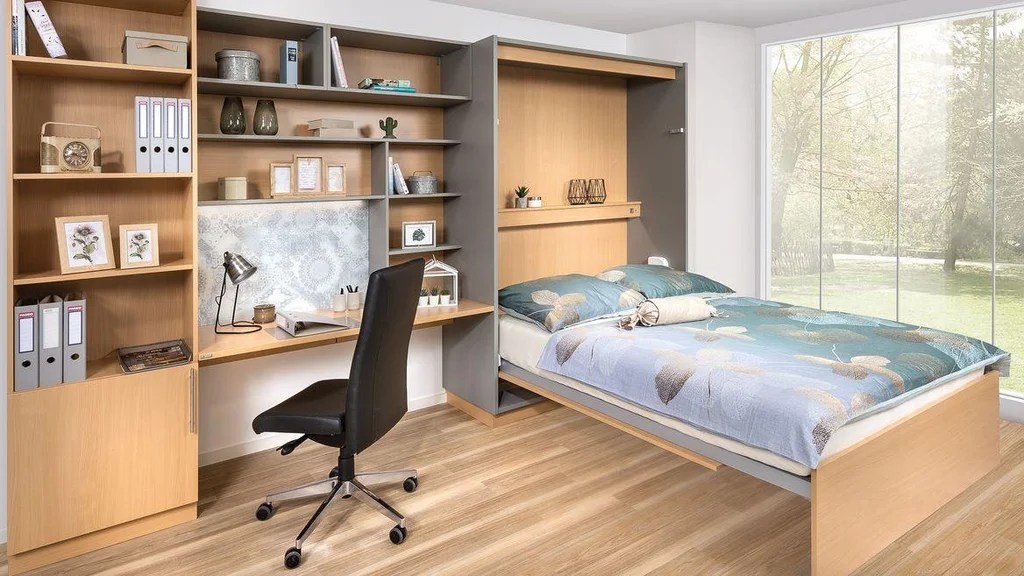

A Murphy bed, sometimes called a wall bed or fold-down bed, is designed to fold up into a cabinet or wall structure when it is not being used. Depending on the model, it may fold vertically, with the head of the bed near the wall, or horizontally, with the longer side positioned along the wall. When closed, the unit can resemble a wardrobe, storage cabinet, or built-in furniture feature. Some designs include shelves, cupboards, desks, or sofa seating around the bed, making them especially useful in multipurpose rooms.
The main benefit is that the sleeping area can be cleared without removing the mattress. You do not have to fold bedding into a separate storage bag every morning, although you should follow the manufacturer’s instructions about which bedding can remain attached when the bed is closed. This makes a Murphy bed appealing to people who want a real bed but cannot afford to dedicate the entire room to sleeping.
There are a few things to understand before buying one. A Murphy bed needs enough clearance to open safely, and the cabinet or frame must be installed according to the manufacturer’s requirements. Some models are designed for specific wall types or floor conditions, so you should not assume that every model can be installed anywhere. The lifting mechanism also matters. A well-made mechanism should allow controlled movement, but poor installation or damaged hardware can create a safety risk.
Murphy beds are available in different sizes, finishes, and configurations. A simple cabinet model may suit a guest room, while a larger fitted unit with shelves or a desk may work better in a studio apartment. The best model is not necessarily the biggest or most expensive one. It is the one that opens comfortably, fits your mattress requirements, and leaves enough usable space around it.
What Is a Sofa Bed?

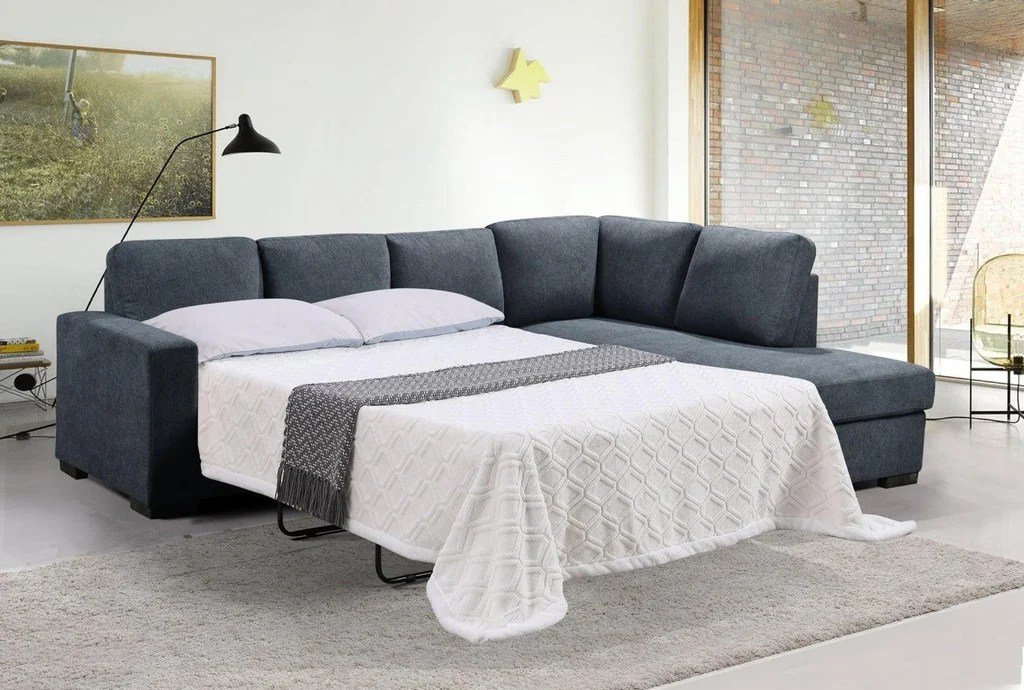
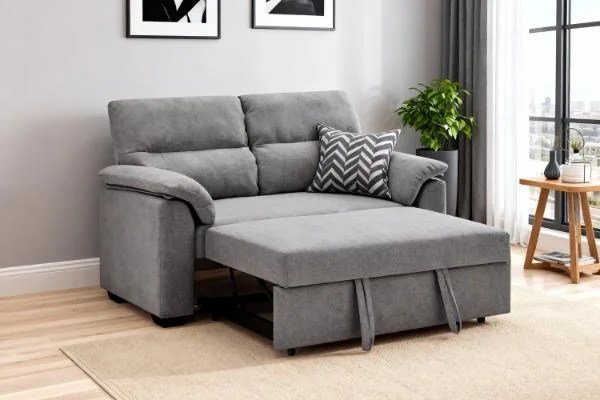
A sofa bed is a sofa that converts into a sleeping surface. Depending on the design, the seat may pull forward, the backrest may fold down, or a hidden mattress may unfold from inside the frame. Some models use a separate pull-out mattress, while others turn the sofa cushions into the sleeping area. This variety means the term “sofa bed” covers furniture with very different levels of comfort and construction quality.
The biggest attraction is that you get a sofa first and a bed when you need one. That makes it useful for living rooms where you want a place to relax, watch television, read, or entertain visitors. If a friend or relative stays overnight, you can convert the sofa without needing a separate guest bedroom. In a compact apartment, this dual purpose can be extremely valuable.
However, not all sofa beds feel like regular beds. Some have noticeable gaps between cushions, thin mattresses, metal bars beneath the sleeping surface, or folding sections that create uneven support. A poorly designed model may be fine for one night but uncomfortable for repeated use. The mechanism can also require some physical effort, especially if the sofa is heavy or the pull-out section is awkward.
A sofa bed can still be a good sleeping solution if you choose carefully. Check the actual mattress thickness, the support beneath it, the dimensions when fully extended, and the ease of opening and closing it. If possible, test the sofa in both positions before buying. Sitting comfortably on it does not automatically mean sleeping on it will feel comfortable.
Space-Saving Performance: Which Gives You More Room?

Space-saving furniture should make a room easier to use, not simply make it look empty in a photograph. This is where measuring becomes more important than comparing product descriptions. A Murphy bed can free up a large portion of the floor when folded, but it needs clear space in front of it when opened. A sofa bed occupies its sofa footprint throughout the day and needs additional room when converted into a bed.
Imagine a narrow studio apartment where the bed takes up most of the central floor area. A Murphy bed could be folded away in the morning, allowing you to place a small table in the open area or use the room for exercise. If you work from home, the same space could become a more practical office during the day. You would still need to move any furniture that blocks the bed’s opening path, but the room could serve several purposes without keeping a permanent mattress in the middle.
Now imagine a living room with a small sofa against one wall. A sofa bed might be the better solution because it gives you daily seating without introducing a separate bed cabinet. When guests arrive, you pull out the sleeping section. The room remains visually organized because the sofa is always part of the living-room layout. The trade-off is that the extended bed may block a coffee table, doorway, or walkway.
Before choosing, measure three things: the furniture’s closed dimensions, its fully open dimensions, and the space needed to walk around it. Do not measure only the wall where the furniture will sit. Include nearby doors, drawers, wardrobes, windows, radiators, and electrical outlets. A sofa bed that technically fits may still make the room difficult to use when opened. A Murphy bed that fits against a wall may still be unsuitable if the open bed blocks access to the wardrobe.
A useful planning method is to mark the furniture footprint on the floor with painter’s tape. For a sofa bed, mark the full sleeping area. For a Murphy bed, mark the open bed and the cabinet. Then walk around the marked area as you would on a normal day. Can you reach the door? Can someone pass without squeezing sideways? Can you open storage drawers? This simple test can prevent an expensive mistake.
Space-saving winner: A Murphy bed often wins when the main goal is to reclaim floor space during the day. A sofa bed often wins when you need a permanent seating area and only occasional sleeping space.
Sleeping Comfort: Which Is Better for Everyday Use?
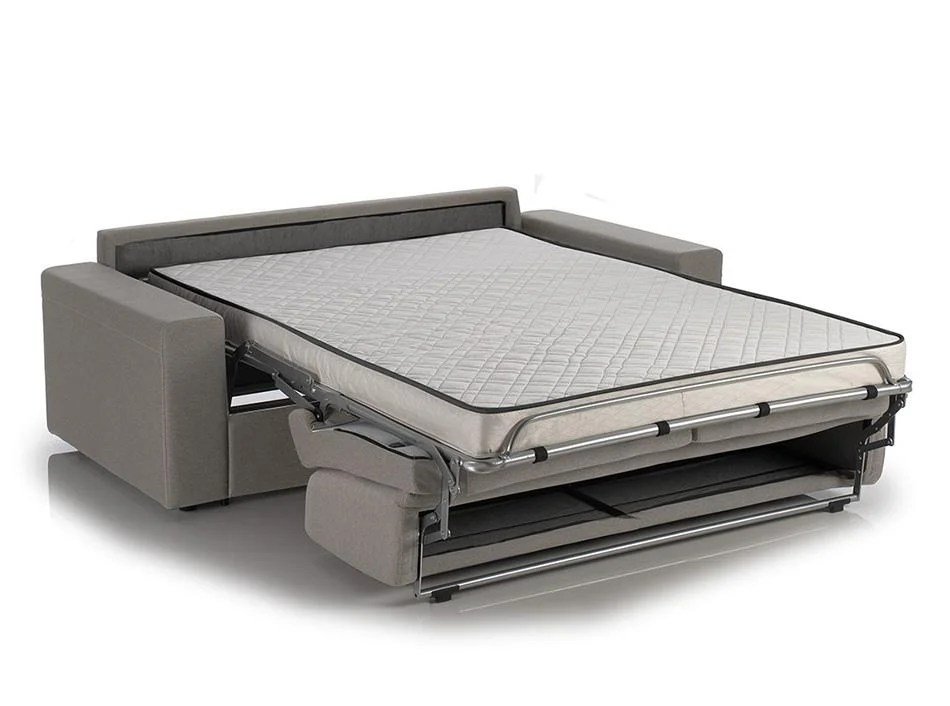

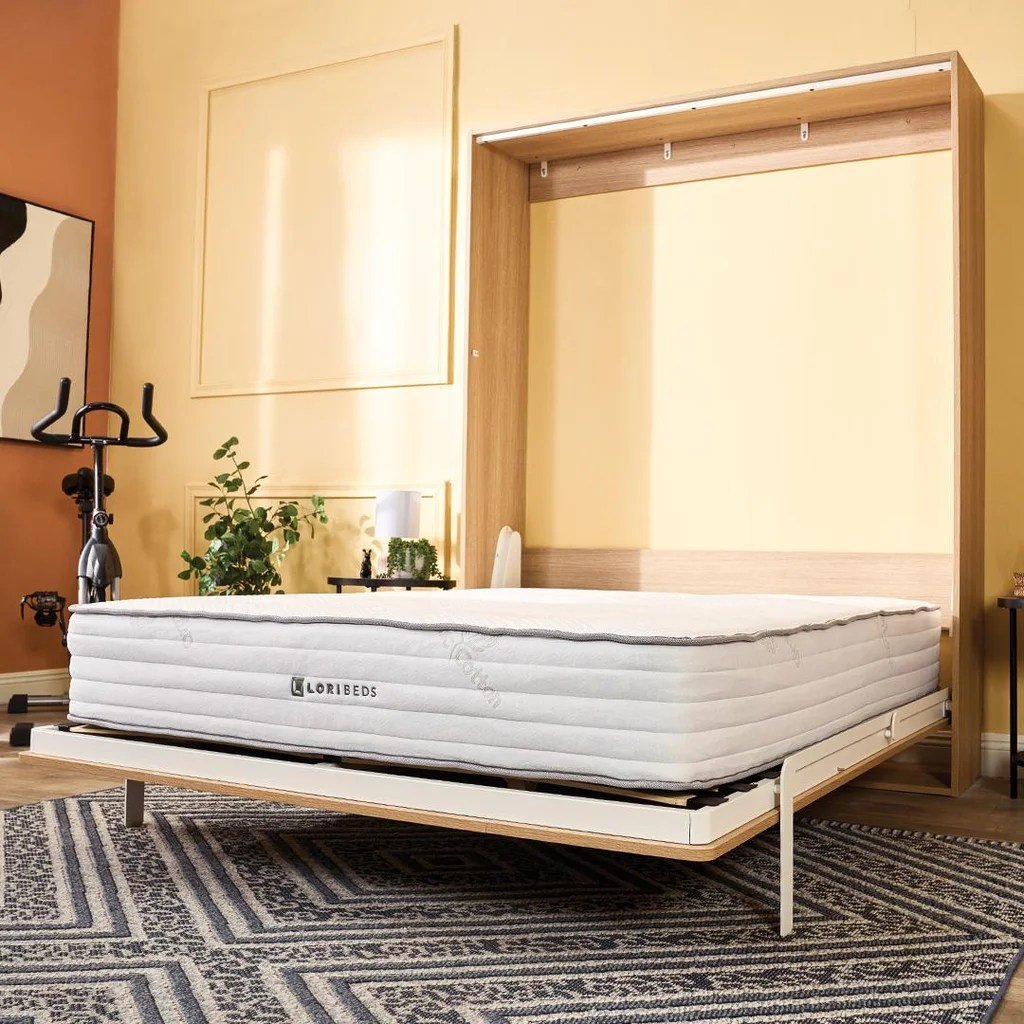
If you plan to sleep on the furniture regularly, comfort deserves more attention than appearance. A bed can look beautiful and still leave you waking up with a sore back. The most important factors include mattress quality, support, sleeping surface size, pressure relief, and whether the surface stays even throughout the night.
Murphy beds often have an advantage because many models can accommodate a conventional mattress within the manufacturer’s specified thickness and weight limits. That gives you more control over the feel of your sleeping surface. You may be able to choose a mattress that suits your preferred firmness, sleeping position, and comfort needs. The support system still matters, though. A good mattress cannot compensate for an unsuitable frame or poor installation.
Sofa beds vary much more widely. Some use a dedicated mattress that folds into the sofa frame, while others use seat and back cushions as the sleeping surface. The second type may feel uneven, particularly if the cushions have different levels of firmness or if there are gaps between them. Some pull-out models offer better support, but you should inspect the sleeping surface rather than assuming that a higher price guarantees comfort.
Consider how the furniture will be used. A guest who stays for one night may be perfectly happy with a decent sofa bed. Someone who sleeps on it every night may notice problems much sooner. If you have back pain, joint discomfort, or specific mattress needs, test the surface carefully and seek advice from an appropriate healthcare professional if you are unsure what type of mattress is suitable.
Also pay attention to the size. A narrow sleeping surface can feel restrictive, especially for two adults. Check the actual usable mattress dimensions rather than relying only on labels such as double or queen, because sizes can vary by market and manufacturer. Make sure there is enough room for pillows and bedding without making the sleeping area feel cramped.
One more detail is often overlooked: temperature and ventilation. A mattress enclosed inside a cabinet or folded into a sofa should be used and maintained according to the manufacturer’s care instructions. Allow it to air when appropriate, keep the surrounding area clean and dry, and avoid storing damp bedding inside the furniture. These small habits help keep the sleeping space fresher.
Comfort winner: A Murphy bed is usually the stronger starting point for regular sleeping, particularly when it accepts a mattress that meets your comfort requirements. A high-quality sofa bed can still work well, but you need to inspect and test the actual sleeping surface.
Cost and Long-Term Value

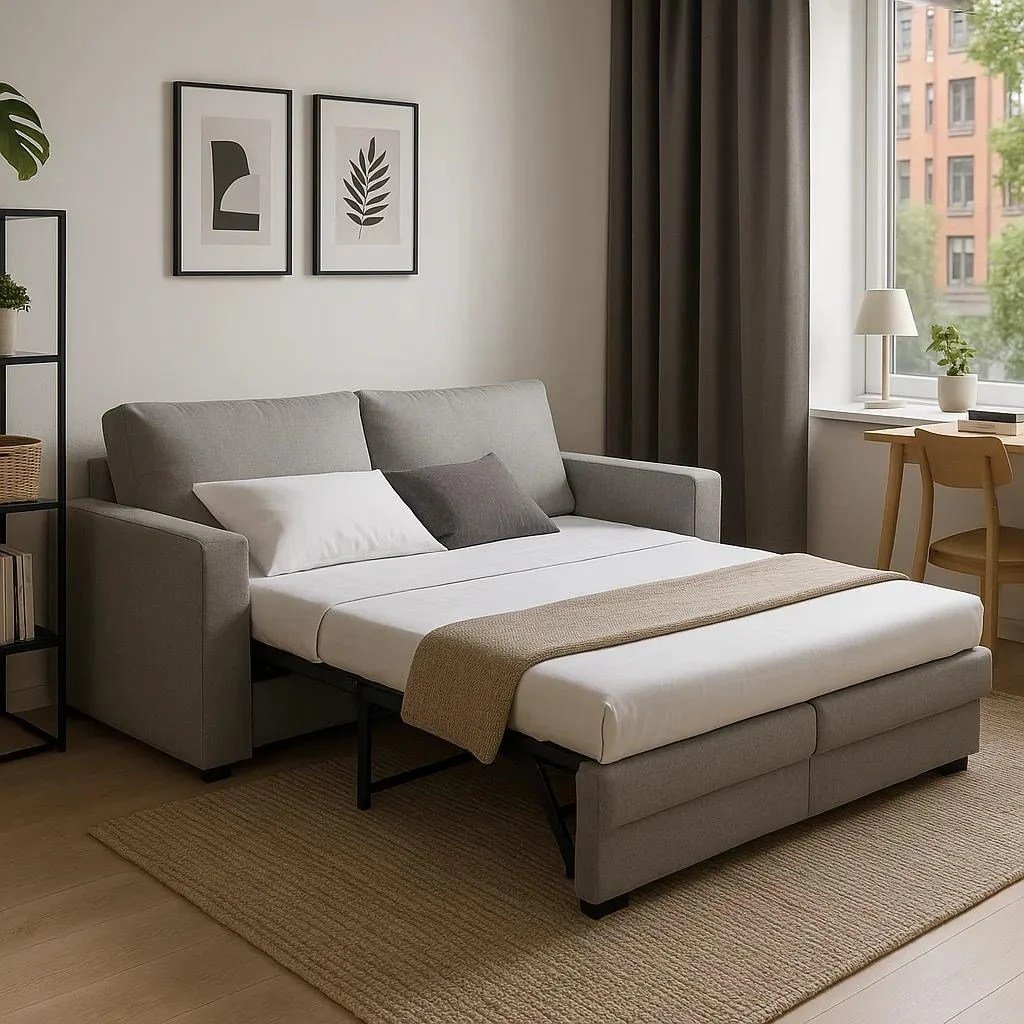
The purchase price is only one part of the cost. You should also consider delivery, installation, mattress requirements, maintenance, replacement parts, and how long you expect to use the furniture. A basic sofa bed may cost less upfront than a fitted Murphy bed, while a custom Murphy bed with cabinets, shelving, and installation can require a much larger budget. The difference depends heavily on the brand, materials, size, and design.
A sofa bed is often easier to buy as a ready-made furniture item. You can compare upholstery, frame construction, mattress type, and dimensions across different retailers. Some models require little more than assembly of the legs or arms. This can make a sofa bed attractive if you are renting, moving frequently, or trying to keep your initial spending low.
A Murphy bed can involve more planning. The cabinet, lifting mechanism, mattress compatibility, and installation requirements all influence the final price. If you choose a custom-built unit with a desk or storage, the cost can rise further. You should ask whether installation is included, whether wall reinforcement is needed, and what the warranty covers. A low advertised price may not represent the complete cost of getting the bed safely installed.
Long-term value depends on how often you use the furniture. If you sleep on a Murphy bed every night, its cost may be easier to justify because it functions as your main bed while freeing up room during the day. If you only host overnight visitors a few times a year, a sofa bed may offer better value because it provides daily seating as well as occasional sleeping space.
| Cost consideration | Murphy bed | Sofa bed |
|---|---|---|
| Initial purchase | Can be higher, especially for fitted models | Wide range, including lower-cost options |
| Installation | May require professional installation | Often simpler assembly |
| Mattress choice | Depends on model specifications | Often limited to the built-in mattress or cushions |
| Customization | Often extensive | Varies by model |
| Maintenance | Mechanism, fixings, and cabinet care | Upholstery, frame, and folding mechanism |
| Best value when | Used frequently as a main bed | Used mainly as seating with occasional sleeping |
Do not choose the cheapest option without checking its construction. A weak frame, unreliable folding mechanism, poor mattress, or difficult-to-source replacement parts can make inexpensive furniture frustrating over time. Ask about warranty coverage for the frame and mechanism separately, and check whether the mattress has its own warranty conditions.
A practical buying rule is to compare the total cost of ownership rather than the sticker price. If a Murphy bed costs more but replaces a permanent bed and gives you a usable daytime room, that may be worthwhile. If a sofa bed gives you the seating you already need and provides a comfortable occasional guest bed, spending more on a wall-bed system may not make sense.
Daily Convenience: How Each Bed Fits Your Routine
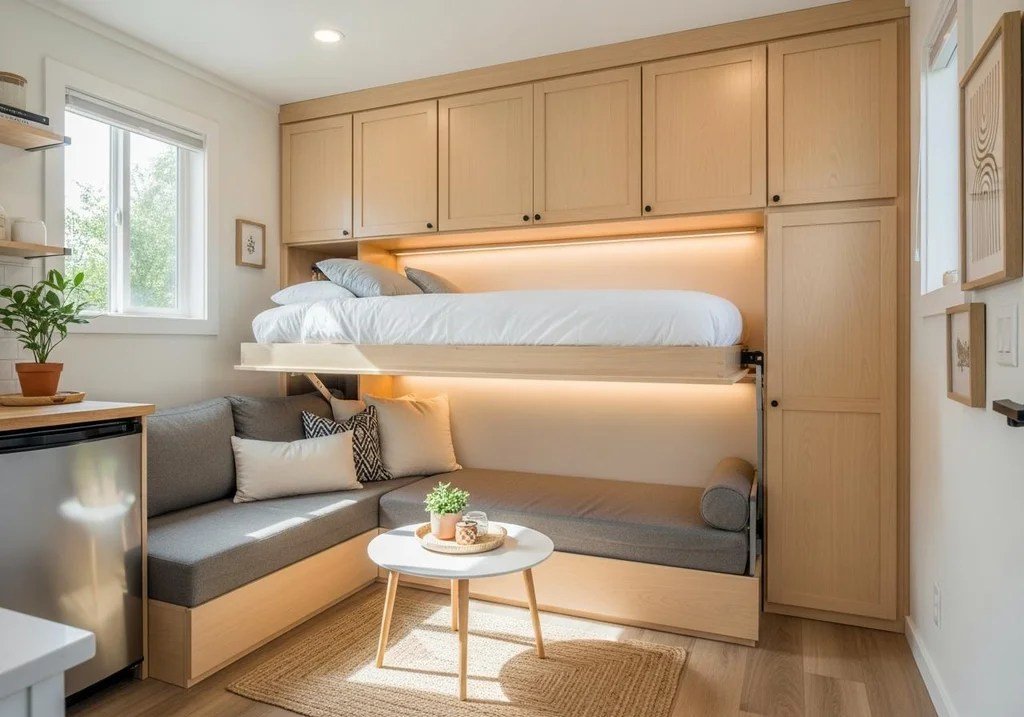

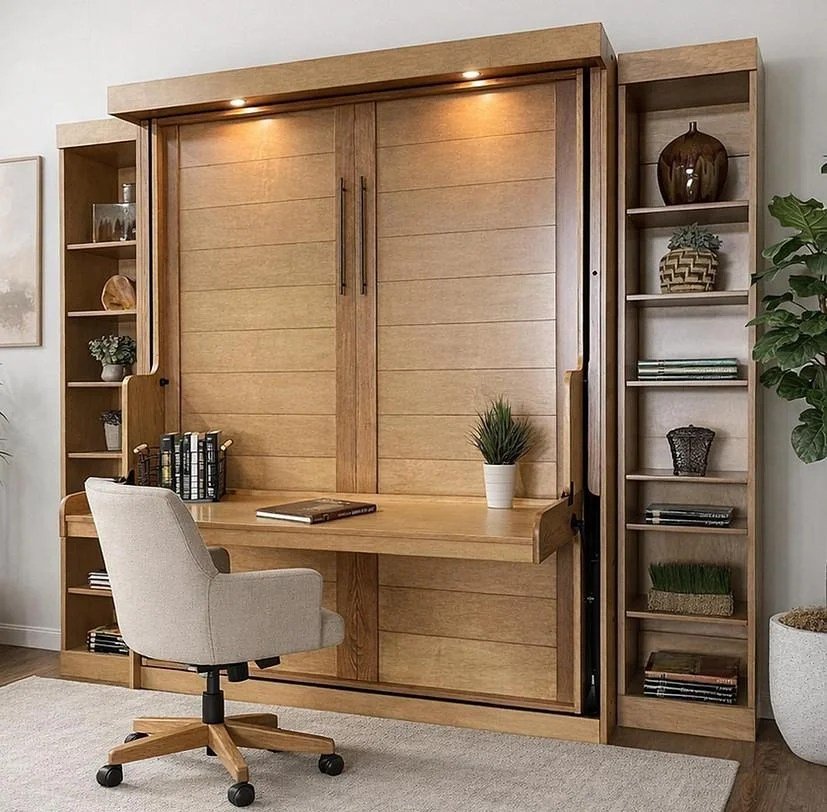
The best furniture is the kind you can use without turning an ordinary day into a series of small chores. A Murphy bed and sofa bed both require a conversion step, but the experience is different. A Murphy bed usually involves clearing the area in front of the cabinet, lowering the bed, and making sure it is positioned correctly. A sofa bed may require removing cushions, pulling out a frame, unfolding a mattress, or rearranging nearby furniture.
If you use a Murphy bed every night, the opening and closing process becomes part of your routine. Some people enjoy waking up and folding the bed away because it makes the room feel larger. Others find it annoying to repeat the process, especially when they are tired or in a hurry. The quality of the mechanism makes a major difference, so try the model in person if possible. It should move in a controlled way and should not require you to struggle with its weight.
A sofa bed can be more convenient when you need a seat throughout the day and only occasionally need a bed. You do not have to fold away a whole sleeping area every morning because the furniture remains a sofa. However, converting it can involve moving cushions, shifting a coffee table, and finding somewhere to store bedding. Some designs are easier to open than others, so check the exact mechanism.
Think about the people who will operate it. An older adult, a person with limited mobility, or someone recovering from an injury may find some mechanisms difficult. Children should not be allowed to operate heavy folding furniture unless the manufacturer specifically permits it and appropriate supervision is provided. If ease of use is a priority, test the mechanism yourself and consider who will use it most often.
Bedding storage is another everyday issue. Where will you keep pillows, sheets, blankets, and spare bedding? Some Murphy bed designs include shelves or cabinets, while others do not. Sofa beds may have storage compartments, but many do not. If you have nowhere to put bedding, the room can quickly become cluttered even if the bed itself saves space.
A good solution is to plan a small bedding zone before buying. This could be a storage ottoman, a cupboard shelf, a drawer beneath another piece of furniture, or a dedicated compartment in the bed unit. The goal is to make the transition from sitting to sleeping simple enough that you will actually use the furniture as intended.
Installation, Safety, and Practical Requirements

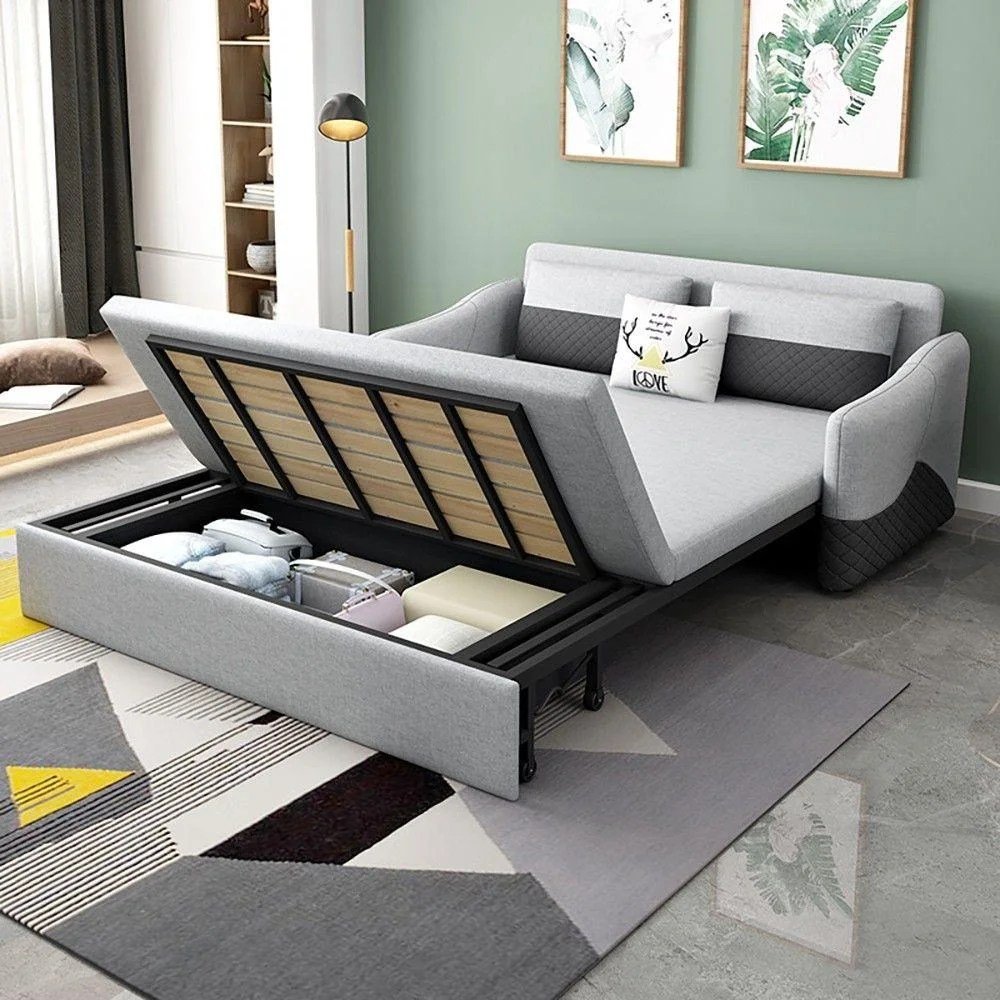

Installation is one of the biggest differences between these options. A sofa bed generally behaves like ordinary movable furniture. You need a suitable floor area, enough room to open it, and a clear path for delivery. A Murphy bed is more installation-sensitive because its cabinet and folding mechanism must be secured and used according to the manufacturer’s specifications.
Before purchasing a Murphy bed, ask for the installation instructions and confirm what type of wall or floor support the model requires. Some systems must be fixed to suitable structural elements. Others have specific mounting arrangements. Do not assume that a plasterboard wall, masonry wall, timber wall, or rental apartment can accommodate every design in the same way. Have a qualified installer assess the location when required.
The opening path also matters. Check whether the bed will hit ceiling lights, fans, shelves, windows, or nearby furniture. If you choose a vertical model, measure the available height carefully. If you choose a horizontal model, make sure the wall length is sufficient and that the open bed will not block an important walkway.
For sofa beds, inspect the folding frame and locking parts. Make sure the mechanism opens and closes smoothly and that the frame sits securely when extended. Check for sharp edges, exposed pinch points, loose joints, and unstable legs. If the furniture will be used by children, be especially careful about moving sections and gaps where fingers could get caught.
Follow the manufacturer’s instructions for weight limits, mattress dimensions, cleaning, and operation. Do not modify the mechanism, remove safety components, or overload the frame. If you notice unusual movement, damaged hardware, or a mechanism that no longer locks properly, stop using it until it has been inspected or repaired.
Renters should consider the lease before installing a Murphy bed. A wall-mounted system may require drilling or other changes that need written permission. A freestanding cabinet-style wall bed may offer an alternative, but it still needs to meet the manufacturer’s safety requirements. A sofa bed is usually easier to take with you when you move, making it a more flexible option for people who change homes often.
Which Option Works Best in Different Rooms?
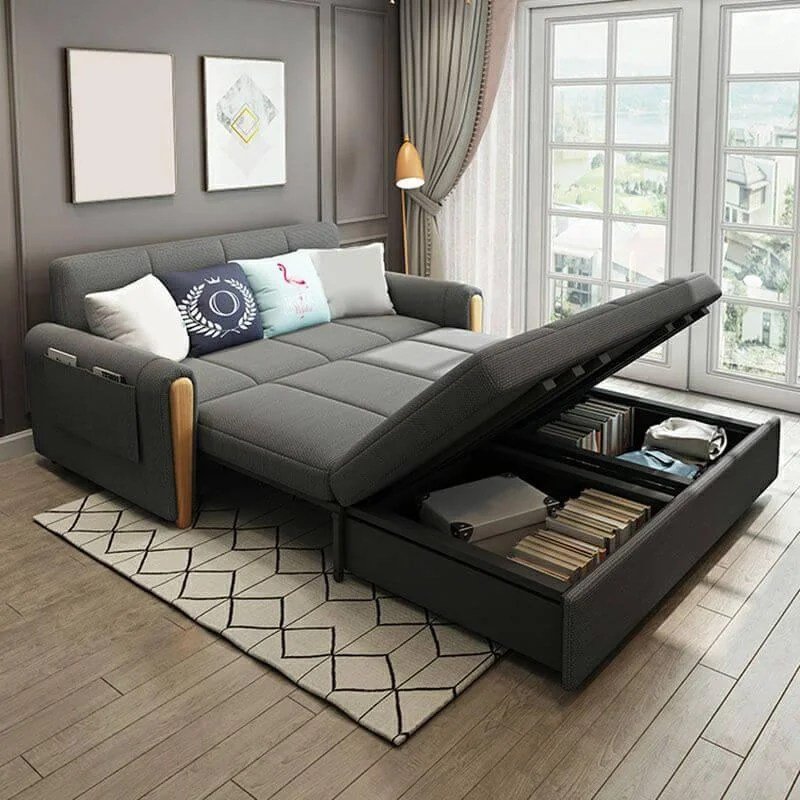

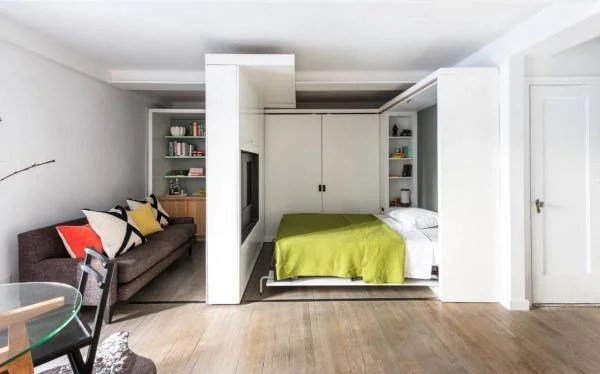
The same furniture can be excellent in one room and frustrating in another. Instead of choosing based only on appearance, consider what the room needs to do on an ordinary weekday. The best choice is the one that supports the room’s main purpose while making occasional tasks easier.
Studio apartment: A Murphy bed is often a strong choice when you want a clear distinction between daytime and nighttime use. Folding the bed away can make room for a desk, dining table, or open living area. However, a sofa bed may be better if you want a conventional lounge setup and only need an occasional sleeping surface. Measure the open position carefully before deciding.
Home office: A Murphy bed can turn an office into a guest room without leaving a permanent bed in the way. A model with a desk or shelves may be especially useful, provided the design allows the desk to be used safely and comfortably. A sofa bed can work if the office also doubles as a sitting room, but it may take up valuable floor space every day.
Guest bedroom: A sofa bed is practical if the room is used for hobbies, storage, or occasional work and guests only stay a few times a year. A Murphy bed is worth considering if you want a more bed-like sleeping experience but still need the room for another purpose. If guests stay for several weeks, comfort should carry more weight than the furniture’s daytime appearance.
Small living room: A sofa bed often fits naturally because the room already needs seating. You can use it as a sofa most of the time and convert it when necessary. A Murphy bed may work in a living room that doubles as a bedroom, but the cabinet needs a suitable wall and the room needs a clear opening area.
Children’s or teenager’s room: A Murphy bed can free up floor space for studying, hobbies, or play, but installation and safe operation need careful attention. A sofa bed may suit a room where friends occasionally stay over, although it should not replace a suitable everyday bed without considering sleep comfort and the child’s needs.
Rental apartment: A sofa bed is usually simpler because it does not normally require permanent wall installation. A Murphy bed may still be possible if the landlord approves the installation or if the model is designed for the space and can be safely installed without prohibited alterations. Always check the lease and installation requirements first.
How to Choose the Right One for Your Home
Start by deciding how often the furniture will be used for sleeping. This is more important than choosing a style or finish. If it will be your main bed, prioritize mattress comfort, reliable support, and a mechanism that you can operate every day. If it will mainly be used for guests, consider how well it works as everyday seating and whether it is easy to convert when visitors arrive.
Next, measure the room in both furniture positions. Write down the width, depth, and height of the available area. Include the bed or sofa when fully extended, not just when folded. Check doors, cupboards, windows, and walking routes. If you cannot move around the room comfortably with the bed open, the design may not be practical.
Then compare the actual products, not just the categories. A well-built sofa bed can be better than a poorly made Murphy bed. A carefully installed Murphy bed can be more useful than a sofa bed with a thin, uneven sleeping surface. Look at frame materials, mattress construction, mechanism quality, warranty terms, replacement parts, and customer feedback that specifically discusses long-term use.
Use this checklist before you buy:
- Sleeping frequency: Will someone use it every night, every week, or only occasionally?
- Mattress comfort: Can you test the sleeping surface or choose a suitable mattress?
- Room measurements: Does the furniture fit in both its open and closed positions?
- Daily use: Can the person using it open and close it comfortably?
- Installation: Does the room meet the manufacturer’s requirements?
- Storage: Where will pillows, blankets, and sheets go?
- Budget: Have you included delivery, installation, and any additional accessories?
- Warranty: Are the frame and mechanism covered, and are replacement parts available?
- Moving plans: Will you need to take the furniture to another home?
If you are still unsure, compare the cost of the furniture with the value it provides in your daily routine. A Murphy bed is not automatically the premium choice for everyone. A sofa bed is not automatically the budget choice for everyone. The right purchase is the one that solves your actual space problem without creating a new one.
Common Buying Mistakes to Avoid

One common mistake is choosing furniture based on its closed dimensions alone. Product photographs often show a bed neatly folded away or a sofa arranged in a spacious showroom. Your room may have a different layout, a narrow doorway, or furniture that cannot easily be moved. Always check the fully open dimensions and plan the surrounding space before placing an order.
Another mistake is assuming that every sofa bed is uncomfortable or that every Murphy bed is comfortable. Quality varies across both categories. A poorly designed Murphy bed may have an unsuitable mattress, awkward mechanism, or inadequate installation. A well-made sofa bed may offer a supportive mattress and a sturdy frame. Try to assess the specific product rather than relying on general assumptions.
Do not overlook delivery access. A large sofa bed or Murphy bed cabinet may not fit through a narrow staircase, hallway, lift, or doorway. Ask the retailer for the package dimensions and confirm whether the furniture arrives assembled or in separate parts. If delivery requires special handling, include that cost in your budget.
Avoid buying a Murphy bed before confirming the wall and installation requirements. The cabinet may look like an ordinary wardrobe, but the lifting system needs to be installed exactly as specified. If you are unsure about the wall construction or fixing points, ask a qualified professional rather than guessing. Safe installation is part of the product’s value, not an optional extra.
Finally, do not forget the small daily details. A bed that saves floor space but leaves you nowhere to store bedding may still make the room feel messy. A sofa bed that looks beautiful but is difficult to open may become frustrating when guests arrive. Think about the complete routine: where you sit, where you sleep, where you store bedding, and how you move through the room.
Conclusion
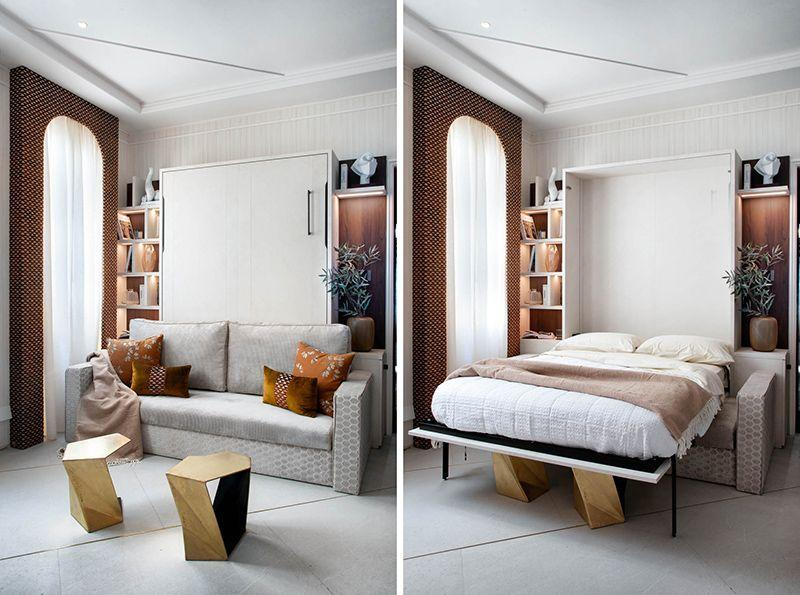
The choice between a Murphy bed vs sofa bed comes down to how you want your room to work. A Murphy bed is often the better option when you need a proper sleeping area but want to free up floor space during the day. It can be particularly useful in studio apartments, home offices, and multipurpose rooms where a permanent bed would limit how you use the space.
A sofa bed is usually the more natural choice when your room needs everyday seating and only occasional sleeping space. It is often easier to position, simpler to move, and practical for hosting overnight guests. The sleeping experience depends on the quality of its mattress and frame, so test it carefully before buying.
Before making a decision, measure the room in both positions, consider how frequently the bed will be used, and check the installation or folding mechanism. Do not pay for features you will rarely use, and do not sacrifice sleep comfort just to save a little floor space.
The best furniture is not the one with the most impressive product photograph. It is the one that makes your home more comfortable, more useful, and easier to live in every single day.
Frequently Asked Questions
Is a Murphy bed more comfortable than a sofa bed?
A Murphy bed is often more comfortable for regular sleeping because many models accept a conventional mattress within the manufacturer’s size and weight limits. This gives you more choice over mattress firmness and support. However, comfort depends on the specific mattress, frame, and installation. Some high-quality sofa beds also provide a supportive sleeping surface, so compare the actual products before deciding.
Is a Murphy bed worth the money?
A Murphy bed can be worth the investment if you need a full-time sleeping space but want to use the room for other activities during the day. It is especially useful in small apartments, guest rooms, and home offices. The value depends on how often you use it, the quality of the mechanism, installation costs, and how much usable space it gives you back.
Can you sleep on a sofa bed every night?
Some sofa beds are designed for frequent or everyday sleeping, but others are intended mainly for occasional guests. Check the mattress type, support system, frame construction, and manufacturer’s usage guidance. If you plan to sleep on it every night, test it in person and make sure it meets your comfort needs. A sofa that feels comfortable for sitting may not provide enough support for sleeping.
Does a Murphy bed need to be attached to the wall?
Many Murphy bed systems require specific fixing or anchoring arrangements, but the exact requirements depend on the model. Follow the manufacturer’s installation instructions and use a qualified installer when necessary. Never assume that a cabinet-style appearance means the unit can safely stand anywhere without the required support. Confirm the wall, floor, and fixing requirements before purchasing.
Which is better for a studio apartment?
A Murphy bed is often better when you want to reclaim floor space and use the same room for sleeping, working, and relaxing. A sofa bed may be better when the studio needs to function primarily as a living room and you only need occasional sleeping space. Measure both furniture options in their open positions and consider your daily routine before choosing.

Leave a Reply