
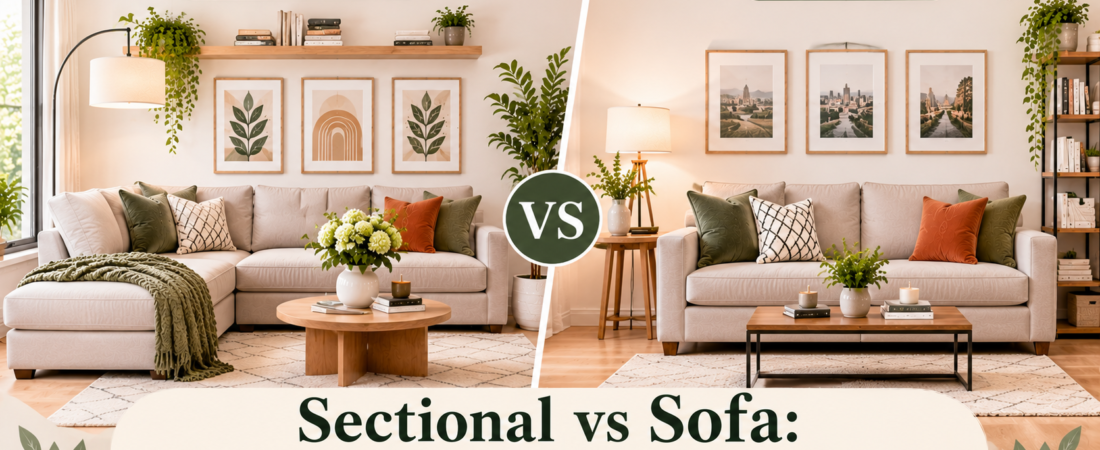
Furnishing a small living room can feel like solving a puzzle where every piece has to fit perfectly. You want enough seating for family and friends, a comfortable place to stretch out after a long day, and enough open floor space to move around without bumping into furniture. Yet one oversized piece can make the entire room feel cramped. That’s why choosing between a sectional and a traditional sofa deserves a little thought before you start shopping.
A sectional might seem like the obvious choice because it combines seating and lounging in one piece. It can fit neatly into a corner, create a cozy conversation area, and sometimes replace the need for an extra chair. On the other hand, a traditional sofa usually offers more flexibility. You can move it around, pair it with an armchair, or change your layout without having to rearrange one large furniture unit.
So, which one is better for a small living room? The answer isn’t simply about which piece looks smaller. It depends on your room’s shape, the number of people who use it, where doors and windows are located, and how you like to relax. A compact sectional can be surprisingly practical in one apartment, while a simple two-seater sofa may be the smarter choice in another.
In this guide, we’ll compare both options, look at different small-room layouts, explain how to choose the right dimensions, and share styling tips that help a compact living room feel comfortable rather than crowded. The goal is to find seating that fits your space and your everyday life.
What Is a Sectional Sofa?
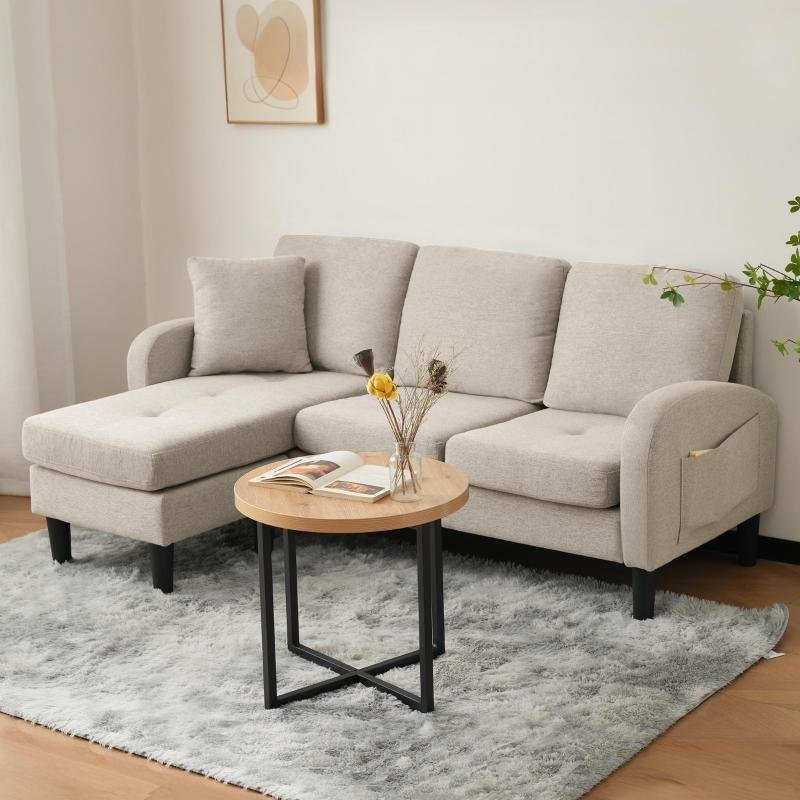
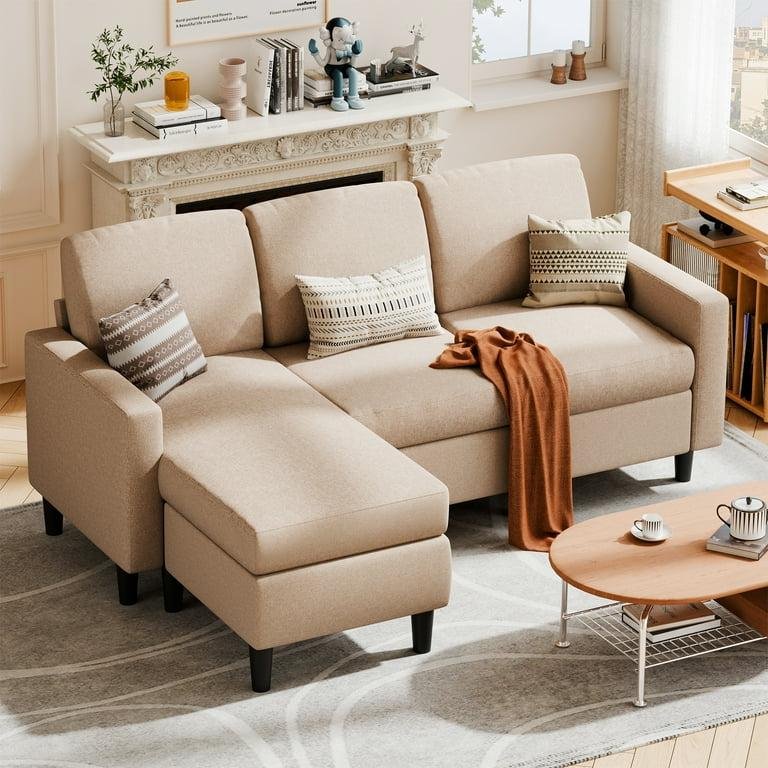

A sectional sofa is a seating arrangement made from two or more connected sections. Most commonly, it has an L-shaped design with a main sofa section and a chaise or corner piece. Some models have U-shaped configurations, while modular sectionals allow you to rearrange individual pieces to create different layouts.
The main appeal of a sectional is that it combines several seating functions in one furniture arrangement. You can sit upright, stretch your legs along the chaise, or gather with other people without needing separate sofas and lounge chairs. For a household that enjoys movie nights or relaxed evenings together, that combination can be extremely convenient.
Sectionals come in a wide range of sizes. Some are designed specifically for apartments, with shorter overall lengths, shallower seats, and compact chaise sections. Others are large enough to dominate an entire living room. The label “sectional” doesn’t automatically mean oversized, which is why checking the actual dimensions matters more than relying on product photos.
You’ll also find reversible-chaise designs, where the chaise can be positioned on either side, and modular options that can be rearranged as your needs change. These features can be useful in small homes, especially if you move frequently or expect your furniture arrangement to change.
Benefits of a Sectional in a Small Living Room
A sectional can be an excellent choice for a small living room when its shape works with the room’s layout. Its biggest advantage is that it provides multiple seating positions without requiring several separate pieces of furniture. Instead of fitting a sofa, an armchair, and a footstool into a limited area, you can use one compact sectional to create a complete seating zone.
This is especially helpful in square or nearly square living rooms. An L-shaped sectional can sit along two walls, making use of a corner that might otherwise remain empty. The arrangement creates a natural gathering area and leaves the center of the room available for a coffee table or open floor space.
Another benefit is the chaise. If you enjoy stretching out to read, watch television, or take a nap, the chaise offers a comfortable place to do so without adding a separate recliner. In a small apartment, reducing the number of individual furniture pieces can make the room easier to organize.
Sectionals can also help define a living area in an open-plan home. When your kitchen, dining space, and living room share one larger area, the shape of a sectional can establish a clear boundary without adding a physical divider. Positioning the back of the sectional toward the dining area, for example, can visually separate the lounge zone while keeping the overall layout open.
Here are some situations where a sectional may be especially useful:
- You regularly host family or friends: A sectional can provide several connected seats in one arrangement.
- You enjoy lounging: The chaise gives you space to stretch your legs.
- Your room has an unused corner: An L-shaped design can make that area more functional.
- You want fewer furniture pieces: One sectional may replace a sofa and a separate lounge chair.
- You have an open-plan layout: Its shape can help define the living room without blocking the entire space.
The important thing is choosing a sectional that fits the room rather than buying the largest one that looks comfortable. A compact design with slim arms and a shorter chaise may provide all the seating you need without swallowing the available floor space.
Drawbacks of a Sectional
The biggest drawback of a sectional is that it can be difficult to reposition. A traditional sofa is a single, relatively straightforward piece of furniture. A sectional has a larger footprint, and its connected sections may limit the number of practical arrangements available. If you decide to move it to another wall, you might discover that the chaise blocks a doorway or makes the room feel unbalanced.
This can be particularly frustrating in a narrow living room. An L-shaped sectional may extend too far into the walkway, leaving little room to pass between the seating area and other furniture. Even if the sofa technically fits, the room may feel awkward because the chaise occupies valuable circulation space.
Sectionals can also be harder to move into apartments. Tight staircases, narrow hallways, small elevators, and sharp corners can make delivery complicated. Some modular models solve this problem by arriving in separate pieces, but you should still check the dimensions of each section and the delivery route.
Another concern is flexibility. If your household needs change, you may want to move a chair into the living room, create a different conversation arrangement, or use the sofa in another room. A large fixed sectional may not adapt as easily as separate seating pieces.
Before buying one, consider these potential disadvantages:
- It may dominate a narrow or irregularly shaped room.
- The chaise can interfere with doors, walkways, or access to windows.
- Moving it between rooms or homes may be difficult.
- Some models offer limited layout flexibility.
- A large sectional can make it harder to add other furniture later.
There is also a visual consideration. Sectionals with thick arms, tall backs, and bulky cushions can make a small room feel heavier than it needs to. If you love the sectional layout but worry about the size, look for a streamlined model with visible legs, a modest depth, and a compact chaise.
What Is a Traditional Sofa?

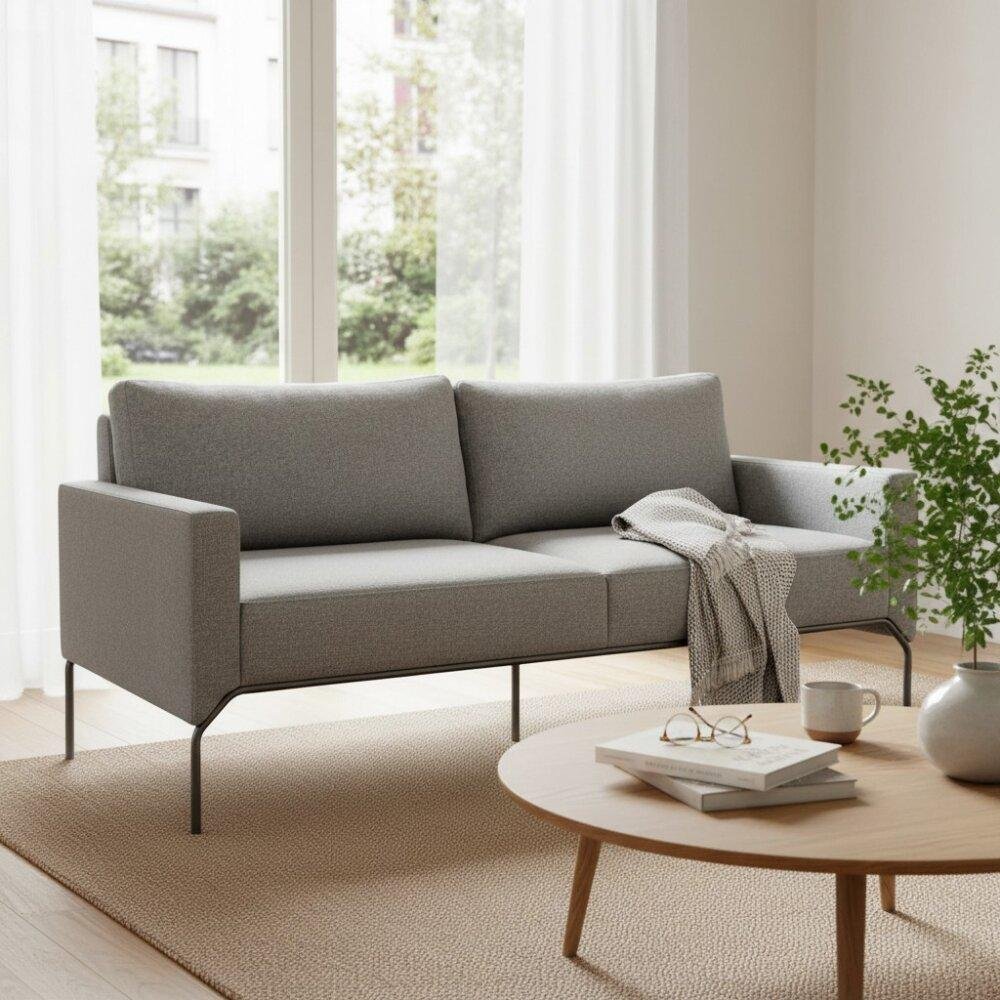
A traditional sofa is a standalone seating piece, usually designed to accommodate two or three people. It may have straight arms, rolled arms, a low profile, or a more contemporary shape. Unlike a sectional, it doesn’t include a connected chaise or corner section, so it generally takes up a more straightforward rectangular footprint.
Traditional sofas are available in many sizes, from compact apartment sofas to larger three-seaters. A loveseat is a smaller version intended for two people, although the exact dimensions vary by manufacturer. Some compact sofas also have narrow arms and shallow seats, which can make them particularly useful in small living rooms.
One of the biggest advantages of a traditional sofa is how easily it works with other furniture. You can place it opposite a chair, beside a small side table, or against a wall with a narrow console behind it. If you want to change the arrangement later, moving one sofa is usually easier than repositioning a large sectional.
Traditional sofas also offer plenty of design variety. You can find modern, Scandinavian, mid-century, classic, minimalist, and contemporary styles. This makes it easier to choose a piece that complements the rest of your room instead of building the entire layout around one large seating unit.
Benefits of a Traditional Sofa
The strongest advantage of a traditional sofa is flexibility. Because it is a separate piece, you can move it around the room more easily and combine it with different seating options. A small two-seater sofa paired with one lightweight accent chair can create a comfortable conversation area without filling every corner.
This arrangement is useful when you want your living room to serve several purposes. Perhaps you need space for guests, but you also want an open area for children to play. A traditional sofa gives you more freedom to position the other furniture around your daily activities.
A sofa can also work better in narrow rooms. Its rectangular shape is easier to position along one wall, leaving the opposite side available for a walkway, media unit, or occasional chair. In a long, slim living room, this may be more practical than an L-shaped sectional that projects into the center of the space.
Another benefit is the range of compact options. Apartment sofas, loveseats, and small two-seaters are designed for rooms where every inch matters. Some have narrow arms that increase usable seating space without increasing the overall width. Others feature raised legs, which allow more floor area to remain visible and make the room feel less crowded.
Traditional sofas are also easier to adapt when you move. You can take the sofa to another room, pair it with a different chair, or use it as the main seating piece in a new home. If you like changing your furniture layout occasionally, that freedom can be valuable.
A traditional sofa may be the better option when:
- You have a narrow or unusually shaped living room.
- You want to add a separate accent chair.
- You frequently rearrange your furniture.
- You need a smaller piece that can fit through tight access points.
- You prefer a more open layout with flexible walkways.
The sofa’s simplicity is its strength. It provides comfortable seating without dictating the shape of the entire room. You can build the rest of your layout around it instead of having to accommodate one large connected arrangement.
Drawbacks of a Traditional Sofa
A traditional sofa doesn’t always provide as much lounging comfort as a sectional. If you enjoy putting your feet up, you’ll probably need an ottoman, footstool, or separate chaise. That adds another piece of furniture, which may take up the space you were trying to save in the first place.
Seating capacity can also become a concern. A compact two-seater works well for one or two people, but it may feel limited when friends or family visit. You can add chairs, but each extra piece needs its own floor space and a suitable position.
Another challenge is creating a cohesive arrangement. A sofa and two separate chairs can look balanced, but only if their proportions and placement work together. If the room is very small, you might find that the additional pieces create more visual clutter than you expected.
A traditional sofa may also leave an awkward corner unused. In a square room, a sectional can make better use of two adjoining walls, while a standalone sofa may occupy only one side. This isn’t necessarily a problem, but it means you’ll need to plan the remaining space carefully.
Consider these limitations before choosing a traditional sofa:
- You may need extra furniture for lounging.
- A small model may not provide enough seating for guests.
- Separate chairs and ottomans can increase the total footprint.
- You may need more styling and layout planning to create a complete seating area.
Still, these drawbacks are manageable. A sofa with a matching ottoman, for example, can provide a flexible lounging arrangement. You can move the ottoman when you need more floor space and bring it back when you want to relax.
Sectional vs Sofa: Key Differences
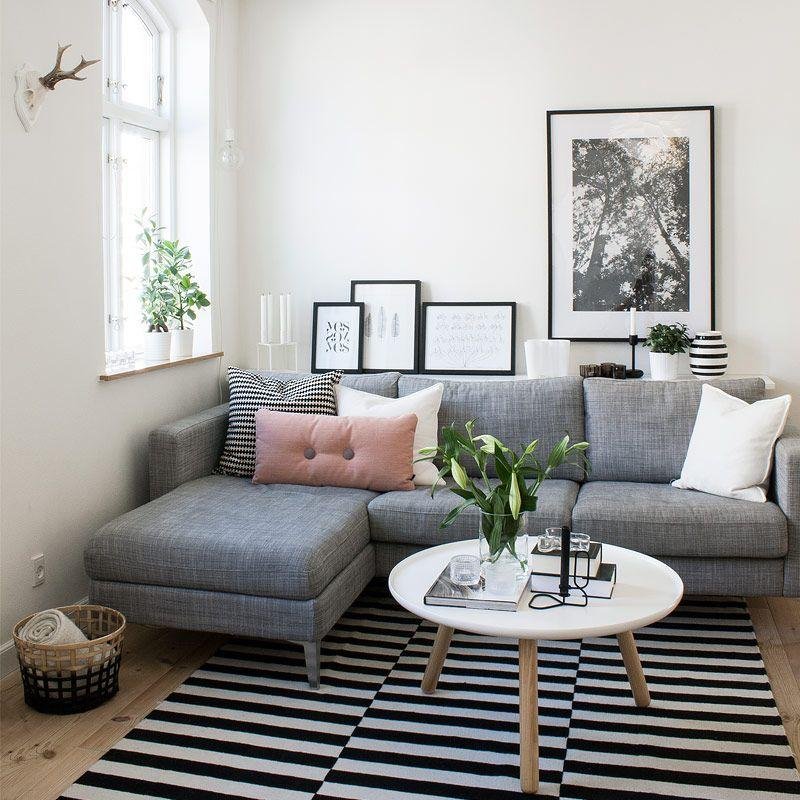
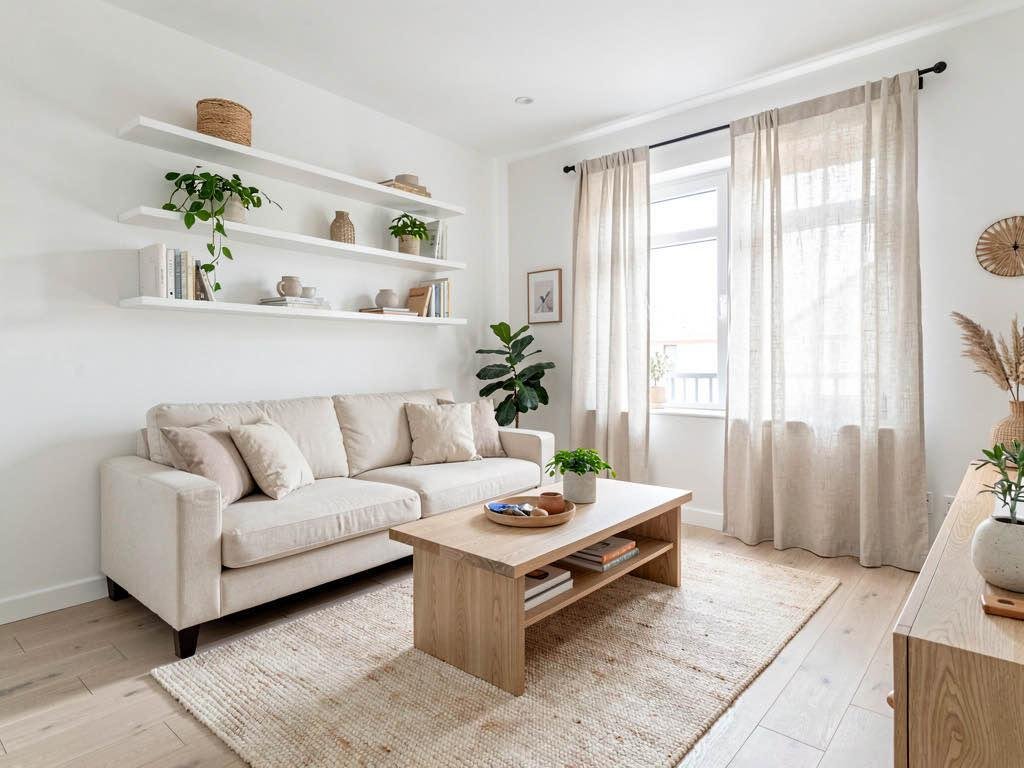
Both options can work beautifully in a small living room, but they serve slightly different needs. A sectional combines seating and lounging in one connected arrangement, while a traditional sofa gives you a more flexible starting point for building a seating area.
The table below compares the features that matter most when you’re furnishing a compact room.
| Feature | Sectional | Traditional Sofa |
|---|---|---|
| Shape | L-shaped, U-shaped, or modular | Usually rectangular |
| Seating arrangement | Connected seating sections | One standalone seating piece |
| Lounging comfort | Often includes a chaise | May need an ottoman or footstool |
| Flexibility | Depends on whether it’s modular or reversible | Generally easier to reposition |
| Corner use | Makes use of corners with an L-shape | Usually sits along one wall |
| Small-room suitability | Good when the layout fits | Good for narrow and irregular rooms |
| Extra furniture | May reduce the need for chairs | Often pairs with chairs or an ottoman |
| Moving and delivery | Can be more complicated | Usually easier |
| Visual appearance | Can look substantial | Often creates a lighter arrangement |
| Best for | Lounging and connected seating | Flexible layouts and smaller footprints |
Which option saves more space? It depends on how you measure space. A sectional may use one corner efficiently and eliminate the need for a separate lounge chair. A traditional sofa may have a smaller footprint and preserve more open floor area. Neither is automatically the winner.
Think about the complete seating arrangement rather than comparing the sofa dimensions alone. A sectional that measures more across the room might still replace two separate furniture pieces. A small sofa might look compact, but once you add an armchair and an ottoman, the total arrangement could occupy more space.
Which Seating Option Works Better in Different Small Living Rooms?
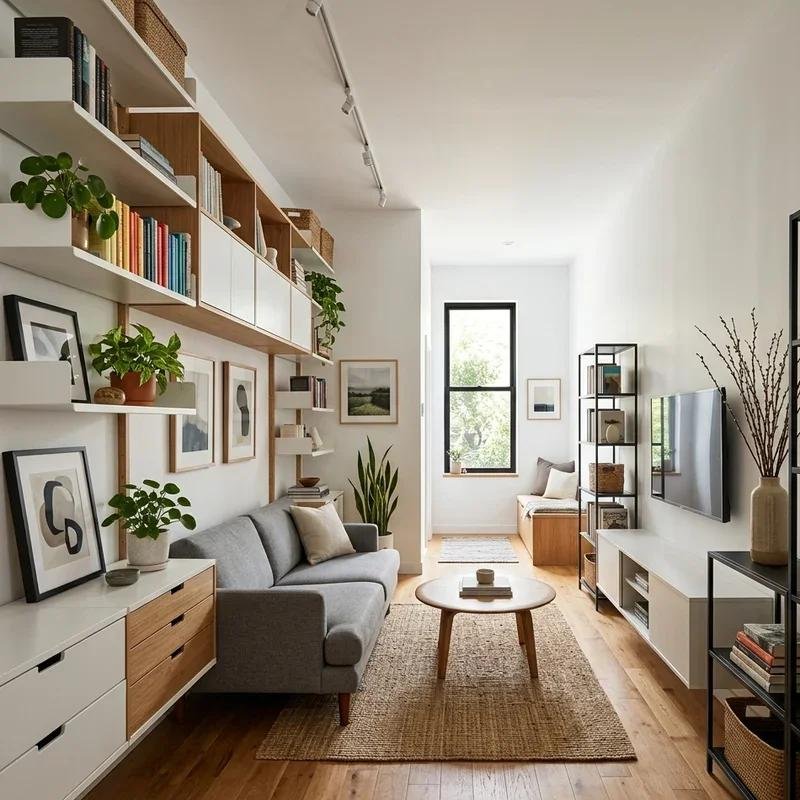

Room shape often matters more than room size. Two living rooms with the same floor area can need completely different furniture arrangements. A long rectangular room has different challenges from a compact square room, and an open-plan apartment may need seating that helps define separate zones.
Before choosing a sofa, look at the room’s proportions, doorways, windows, and main walking routes. Then consider which seating shape will make the layout feel natural.
Narrow and Long Living Rooms
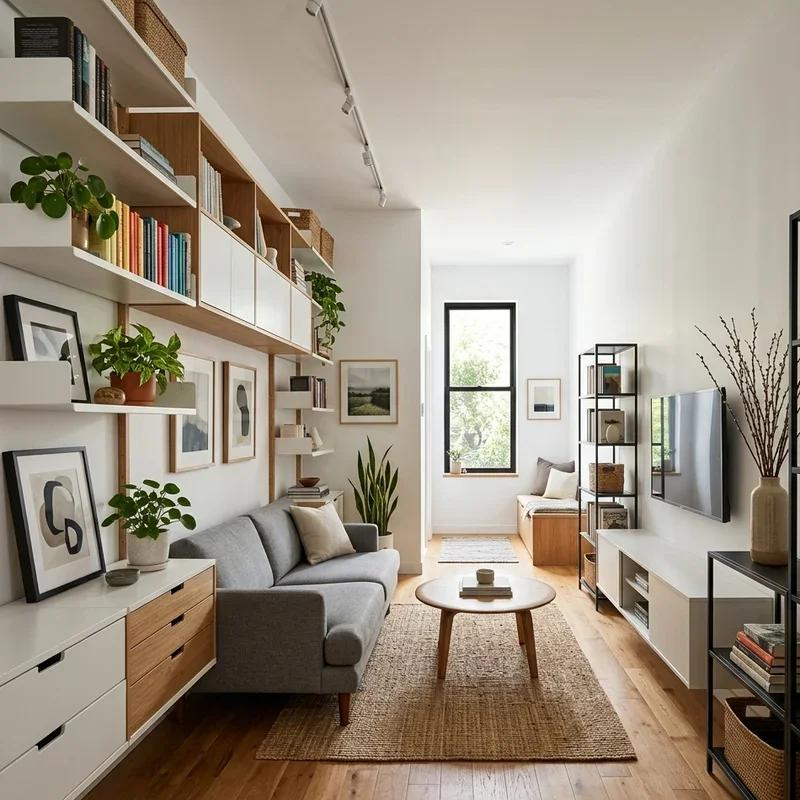
Narrow living rooms can be tricky because furniture that looks reasonably small in a showroom may feel oversized when placed between two close walls. In this type of space, a traditional sofa is often the safer choice. Its rectangular shape can sit along one long wall, leaving the opposite side available for a walkway or a slim console table.
A compact two-seater or apartment sofa can provide comfortable seating without extending too far into the room. Look for a model with narrow arms and a moderate seat depth. A deep sofa might feel luxurious, but it can reduce the space available for movement.
A sectional can still work in a narrow room, but the chaise needs careful positioning. If it extends toward the center of the room, it may block the main walkway. A reversible-chaise sectional can offer more flexibility because you can choose the side that makes sense for the room’s layout.
Try placing the sofa opposite a wall-mounted television or media unit, then use a small round coffee table to soften the arrangement. Rounded edges can make movement easier in a tight space because there are fewer sharp corners to navigate.
For particularly narrow rooms, consider replacing a large coffee table with nesting tables or a small movable side table. This creates a more adaptable layout without sacrificing everyday convenience.
Square and Open-Plan Living Rooms
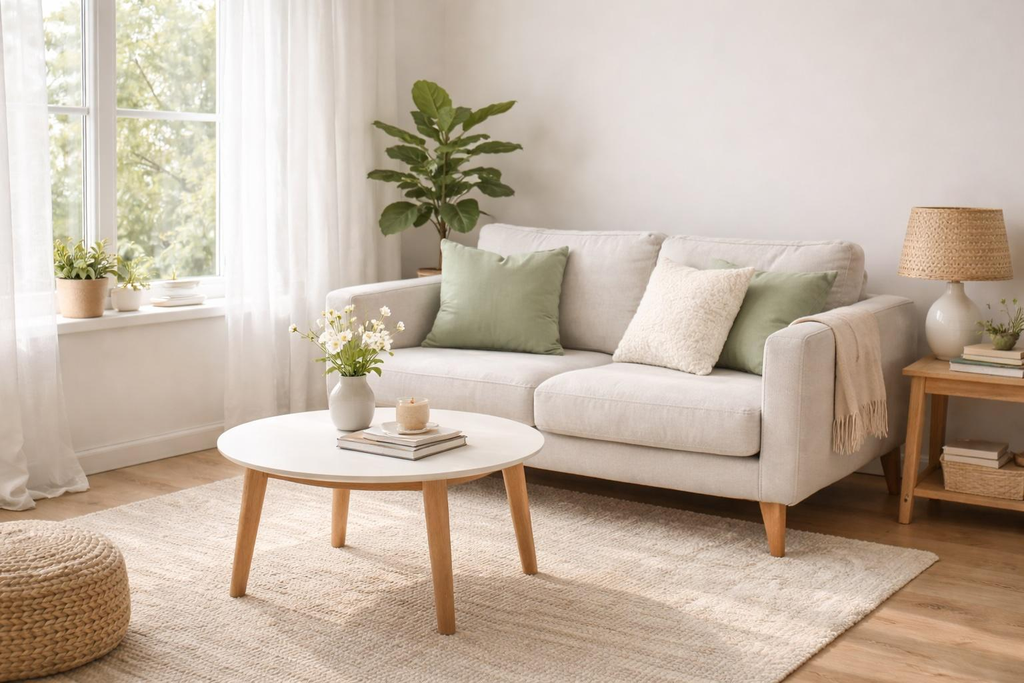
Square living rooms often provide more opportunities for an L-shaped sectional. The shape can fit into a corner and create a defined seating area without requiring a separate lounge chair. If the room has two uninterrupted walls, a compact sectional may use the available floor area efficiently.
However, don’t automatically push every piece of furniture against the walls. Sometimes pulling a sectional slightly away from the wall creates a more balanced arrangement, especially in an open-plan home. The back of the sofa can help separate the living area from a dining space or kitchen without making the room feel divided.
A traditional sofa can also work well in a square room. Place it opposite a pair of compact accent chairs to create a conversation-friendly arrangement. If you don’t have enough room for two chairs, one accent chair and a small side table may be enough.
Open-plan spaces require a little extra attention because the living room needs to connect visually with the rest of the home. Choose upholstery colors and furniture finishes that complement the dining area and kitchen. A sectional can help establish a clear lounge zone, while a traditional sofa may make it easier to preserve an open route between spaces.
Small Apartments and Studio Spaces
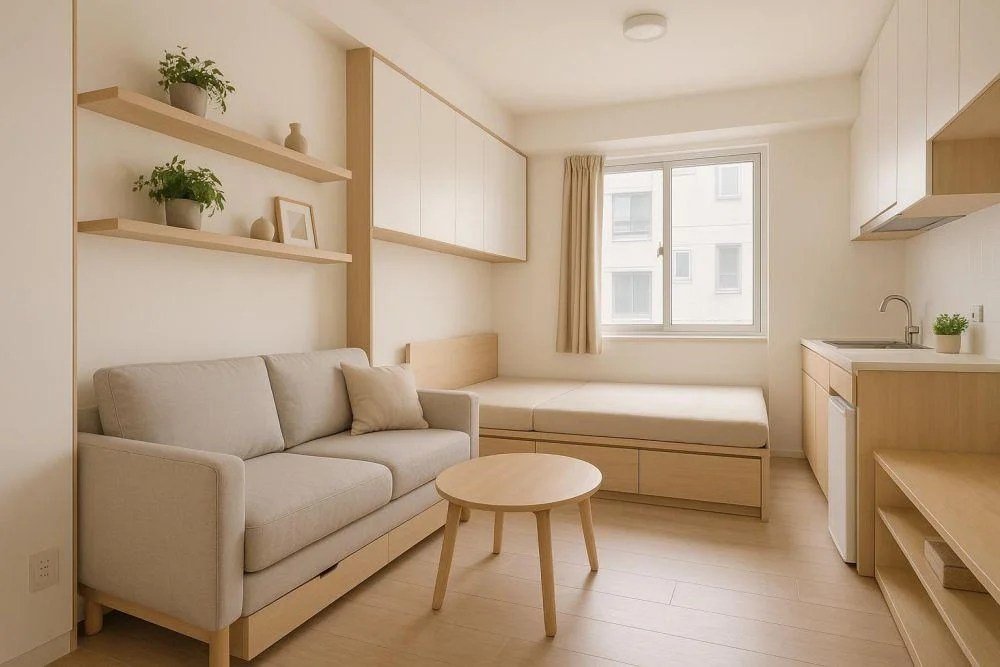
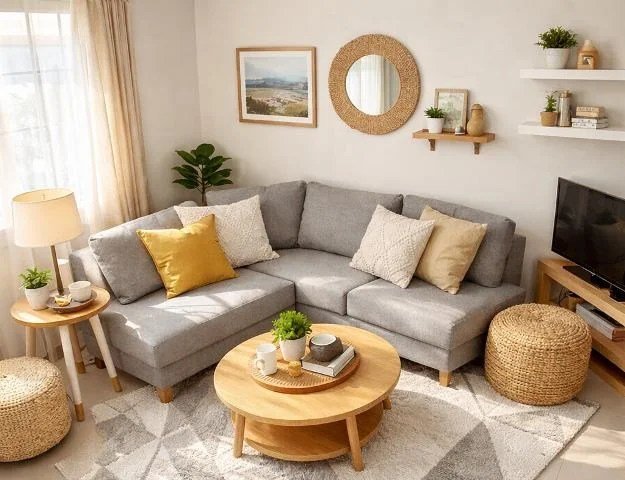
In a small apartment or studio, every furniture choice affects how the entire home functions. Your living room may also be your dining area, workspace, guest room, or relaxation zone. That means the best sofa is not necessarily the one with the most seats. It’s the one that supports several activities without making the apartment difficult to move around.
A compact traditional sofa is often a versatile choice for studios. You can position it against a wall, pair it with a lightweight chair, and move the chair when you need more open space. If you work from home, that flexibility may be more useful than having a permanent chaise.
A small sectional can be a smart option if you regularly lounge or entertain. It can create a comfortable seating area without requiring multiple chairs. Look for a modular or reversible design so you can adapt the arrangement if you move or change the room layout.
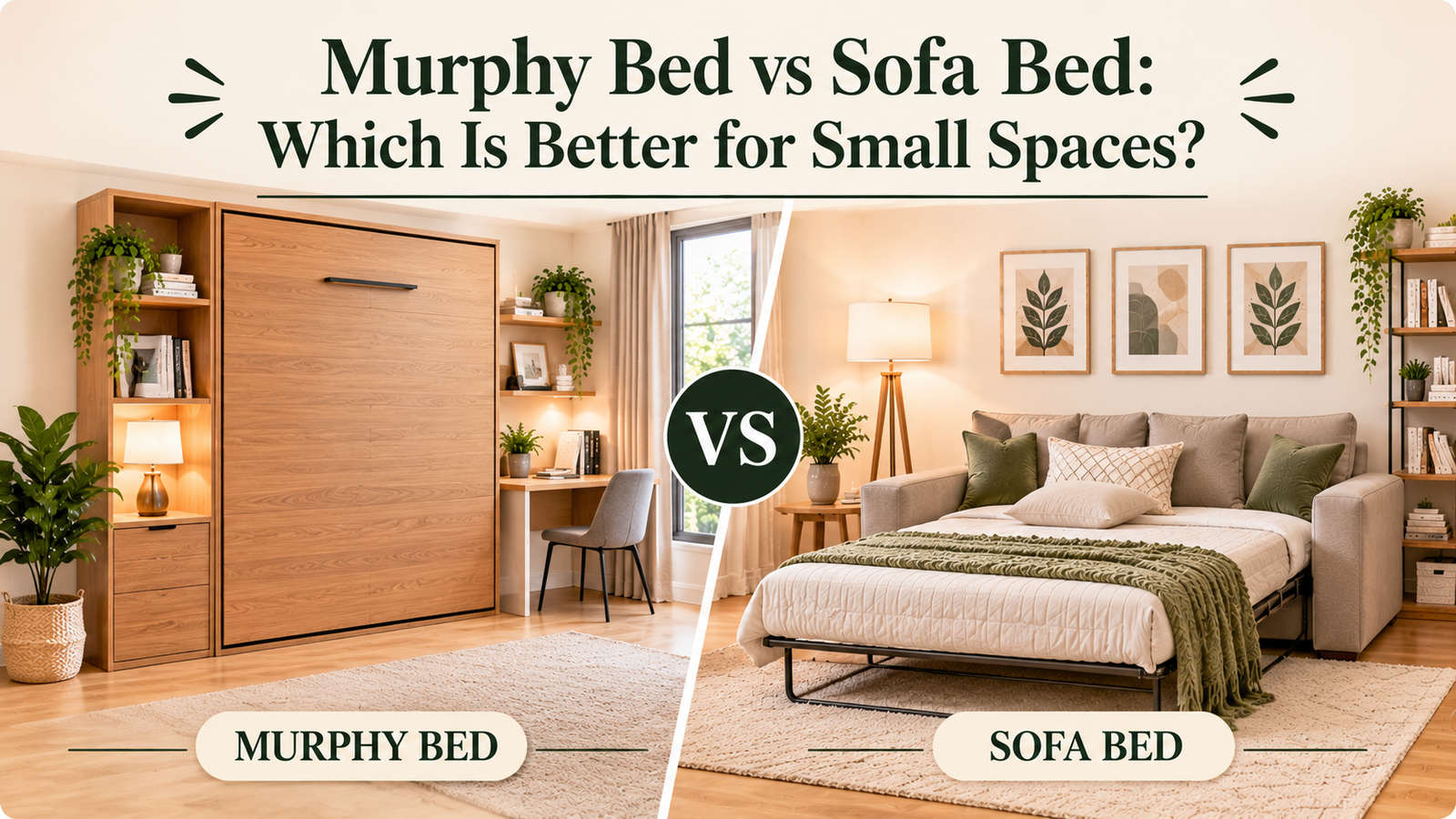
Consider multifunctional furniture, too. A storage ottoman can hold blankets and extra cushions while serving as a footrest or occasional seat. A sofa bed can provide sleeping space for guests, although you should check how much room it needs when fully opened.
In a studio, try to preserve clear paths between the entrance, kitchen, bed, and windows. A beautiful sofa is not a good choice if you have to squeeze around it every time you cross the room.
How to Choose the Right Size and Layout
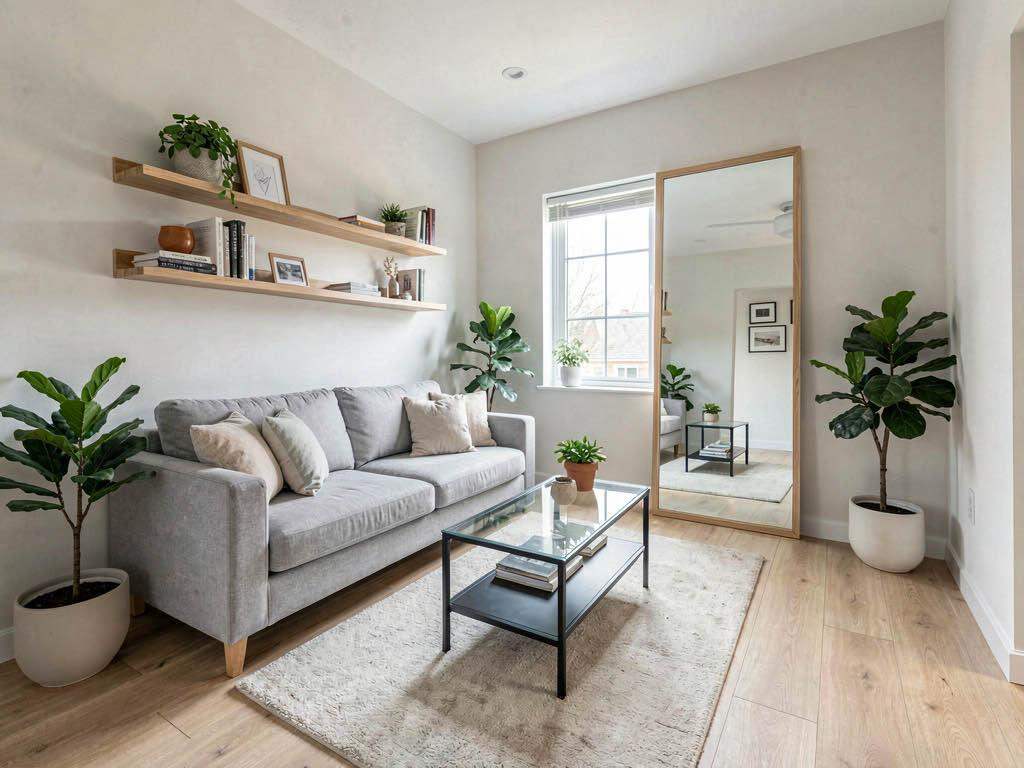
Before you fall in love with a sofa, measure your room. This sounds obvious, but it’s one of the easiest steps to skip when shopping online. Product photos often make furniture look smaller or larger depending on the camera angle and the size of the room around it.
Start by measuring the length and width of the living room. Then measure the available wall space, doorway openings, and the route you will use to bring the furniture inside. If you’re considering a sectional, measure both the main sofa length and the chaise projection. The overall footprint is more important than the number of seats shown in the product description.
You should also account for the other furniture in the room. A sofa may fit perfectly on its own but become awkward once you add a coffee table, side table, floor lamp, and media unit. Sketching a simple floor plan can help you see how everything will work together.
Dimensions and Clearance to Consider
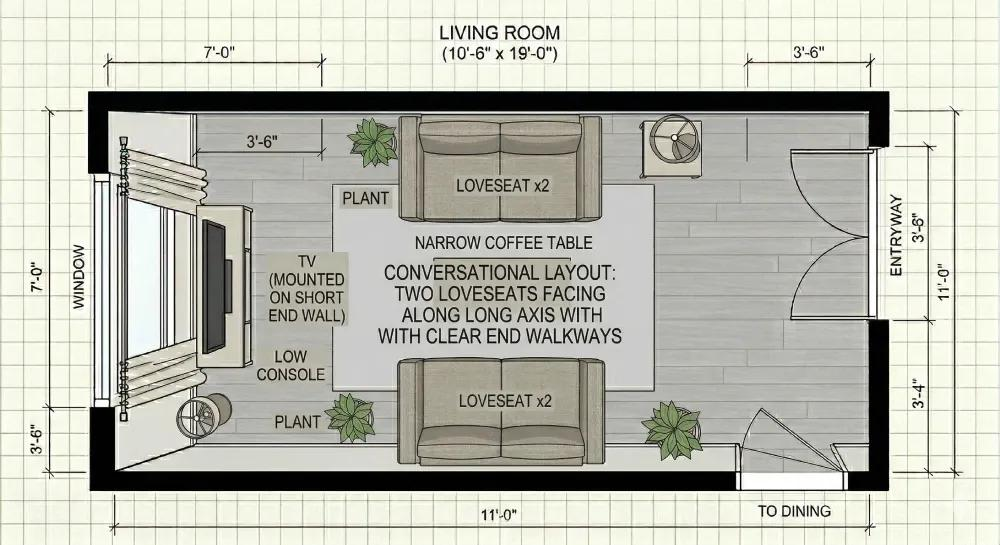
There is no single sofa dimension that works for every small living room. As a starting point, a compact two-seater might be around 55–70 inches wide, while a small three-seater may be approximately 72–84 inches wide. These are broad examples, not fixed standards. Always check the actual measurements of the product you’re considering.
Pay attention to depth as well as width. A deep sofa can take up a surprising amount of floor space, even if it isn’t especially wide. If your room is narrow, a shallower seat may leave more room for a coffee table and walkway.
Think about these planning considerations:
| Measurement or feature | What to check |
|---|---|
| Sofa width | Does it fit the wall without crowding nearby furniture? |
| Sofa depth | Is there enough room to walk past it comfortably? |
| Chaise length | Will it block a doorway or main walkway? |
| Seat height | Can everyone using it sit down and stand up comfortably? |
| Arm width | Are the arms taking up useful seating space? |
| Doorway access | Can the furniture fit through the entrance and hallway? |
| Coffee table clearance | Can you reach the table without squeezing through? |
As a practical planning target, aim for roughly 30–36 inches of clear walking space along main routes where your layout allows it. Around 16–18 inches between a sofa and coffee table is often a comfortable starting point, although the right distance depends on the table, seating depth, and people using the room.
Don’t treat these figures as strict rules. A small apartment may require compromises, but the main goal is to avoid blocking essential routes. You should be able to enter the room, reach the seating, and move around without constantly shifting furniture.
Choosing the Right Sofa Shape
The shape of the sofa can change how spacious the room feels. A sofa with slim arms and raised legs often looks lighter than a bulky model with a solid base. The visible floor beneath the furniture helps the room feel less crowded, even though the actual footprint may be similar.
If you’re considering a sectional, pay attention to the chaise orientation. Some designs have a fixed left- or right-facing chaise, while others allow you to switch sides. Make sure the product description explains which direction the chaise faces when viewed from the front.
A modular sectional can be particularly useful if you expect your needs to change. Individual pieces may be rearranged into a different configuration, although not every modular design allows every possible layout.
For traditional sofas, think about whether you need a loveseat, two-seater, or three-seater. Don’t buy a larger model simply because you occasionally host guests. An occasional folding chair or movable accent chair may solve that problem without taking up permanent floor space.
Styling Tips to Make a Small Living Room Feel Bigger
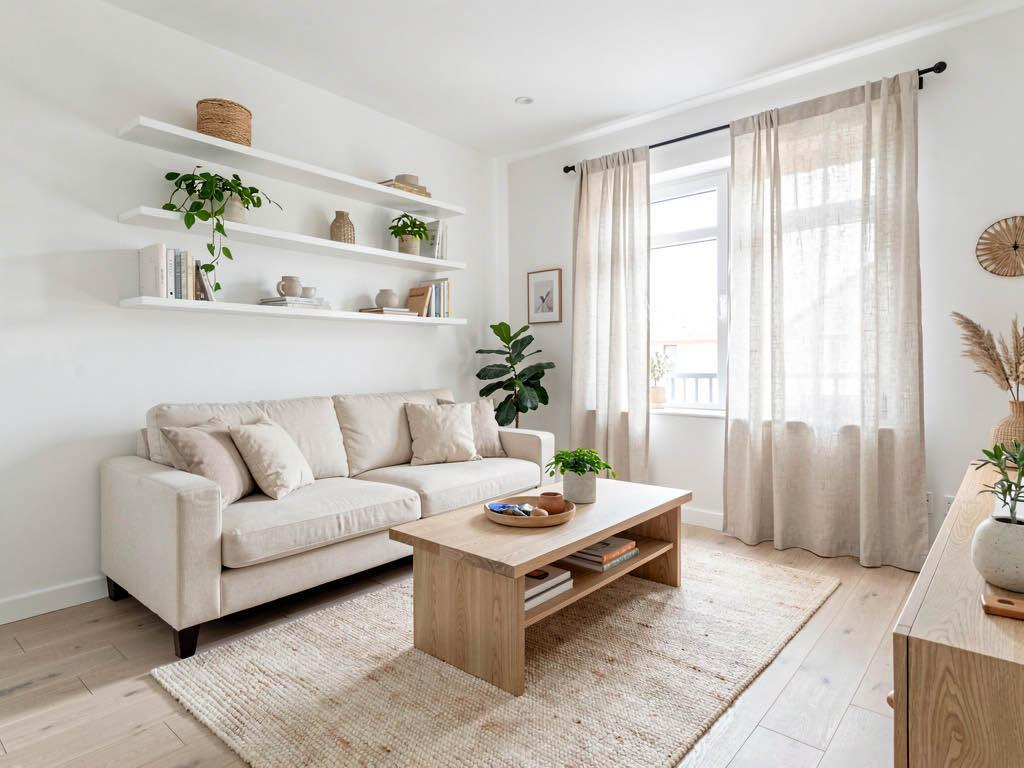
Choosing the right sofa is only half the job. The way you style the rest of the room can make the same furniture arrangement feel either spacious or cramped. A small living room benefits from visual balance, clear walkways, and a few carefully chosen accessories.
Start with the sofa’s visual weight. Light upholstery, slim arms, and visible legs can help a piece feel less bulky. This doesn’t mean you must choose white or beige. Soft gray, muted olive, warm taupe, and other medium tones can work beautifully when they coordinate with the walls and flooring.
Keep the surrounding furniture proportionate. A large coffee table can make a compact sofa look squeezed into the room, while a small round or oval table may create a more comfortable flow. Nesting tables are another useful option because you can separate them when needed and tuck them together afterward.
Use these styling ideas to create a more open feeling:
- Choose raised-leg furniture: Visible floor space helps the room feel lighter.
- Use a round coffee table: Curved edges can make narrow walkways easier to navigate.
- Keep colors connected: Similar tones across upholstery, walls, and rugs can create a calmer visual flow.
- Add a properly sized rug: A rug can define the seating area without overwhelming the floor.
- Use wall-mounted lighting: Sconces and wall lights can free up space on side tables.
- Limit oversized accessories: One larger decorative piece may look calmer than many small objects.
- Use mirrors thoughtfully: A well-positioned mirror can reflect light and make the room feel more open.
Lighting matters more than many people realize. A dark corner can make a small room feel enclosed, especially when a large sofa sits nearby. Use a combination of natural light, floor or table lighting, and wall-mounted fixtures to make the space feel comfortable throughout the day.
Curtains can also influence the room’s proportions. Hanging curtain rods slightly higher than the window frame can draw the eye upward, while curtains that reach close to the floor create a more continuous vertical line. Choose a fabric that complements the sofa rather than competing with it.
Finally, don’t fill every empty surface. A small room needs breathing space. Leave a little open floor around the seating arrangement, avoid overcrowding the coffee table, and choose accessories that have a purpose or personal meaning.
Common Furniture Placement Mistakes to Avoid
Even a well-sized sofa can make a room feel uncomfortable if it’s positioned badly. The most common mistake is buying furniture before measuring the available space. A sofa may fit against a wall but leave no room for the coffee table or a clear route to the next room.
Another mistake is choosing a sectional simply because it offers more seats. Seating capacity isn’t the only measure of usefulness. If the chaise blocks the main walkway or makes the television difficult to view, the extra lounging area may not be worth the compromise.
Watch out for these common problems:
- Blocking walkways: Keep the main route through the room as clear as possible.
- Ignoring door swings: Check that furniture doesn’t interfere with doors, cupboards, or balcony access.
- Choosing a sofa that’s too deep: Seat depth can be just as important as overall width.
- Using a coffee table that’s too large: A bulky table can make the seating area difficult to navigate.
- Pushing every piece against the wall: Some layouts look better with furniture slightly pulled forward.
- Forgetting delivery access: Measure hallways, staircases, elevators, and door openings before ordering.
- Overfilling the room: More seating doesn’t always create a more comfortable living space.
A particularly overlooked mistake is ignoring the position of electrical outlets and television connections. If your sofa blocks access to an outlet or forces cables to cross a walkway, the arrangement may become inconvenient. Think about lighting, charging, and entertainment before settling on the final position.
Try marking the sofa’s dimensions on the floor with painter’s tape before purchasing. This simple trick helps you see how much space the furniture will occupy. Walk around the marked area, imagine opening doors, and check whether you can still move comfortably. It’s much easier to change a tape outline than return a large sofa.
Can You Make a Sectional Work in a Tiny Living Room?
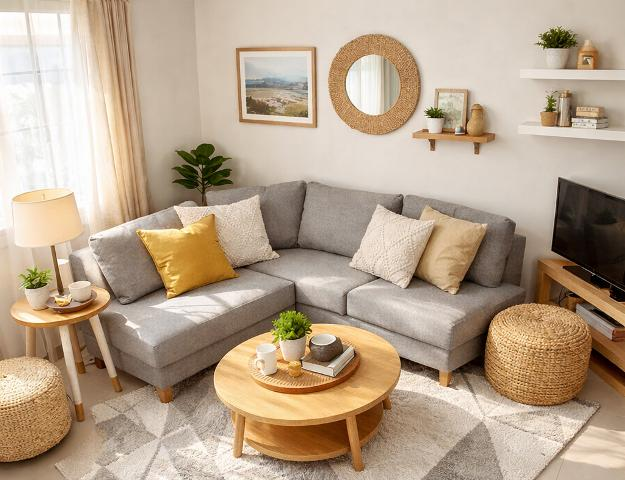
Yes, a sectional can work in a tiny living room, but the design needs to be carefully selected. The key is to choose a sectional that fits the room’s shape instead of trying to squeeze a large family-sized model into a compact space.
Start with a small L-shaped design rather than a deep U-shaped arrangement. A compact chaise can provide a lounging spot while using a corner efficiently. Look for slim arms, a lower visual profile, and a seat depth that suits your room.
A reversible chaise can be especially useful. It gives you more freedom to position the longer section on the side that doesn’t interfere with the main walkway. If you move apartments, that flexibility may save you from having to replace the sofa.
You can also reduce the need for additional furniture. Instead of adding a separate lounge chair, use the sectional as your main seating piece. A small movable ottoman can provide extra comfort when needed, and a nesting table can replace a large fixed coffee table.
The surrounding layout matters just as much as the sectional itself. Keep the area opposite the chaise relatively open, use a wall-mounted television where practical, and avoid placing bulky side tables at both ends. A single slim side table may be enough.
However, if the sectional leaves only a narrow path through the room, don’t force the arrangement. A compact sofa may be a much better choice. The aim is to create a living room where you can sit, stretch, entertain, and move around comfortably. If the furniture makes those everyday activities difficult, it isn’t the right fit, no matter how attractive it looks.
Conclusion
So, sectional vs sofa: which is better for a small living room? A traditional sofa is often the more flexible choice, particularly in narrow rooms, small apartments, and spaces where you want to rearrange furniture. It provides a straightforward seating solution and leaves you free to add an accent chair, ottoman, or side table as needed.
A sectional can be the better option when your room has a suitable corner, you enjoy lounging, or you want several connected seats without adding multiple furniture pieces. A compact L-shaped design may even make better use of a square living room than a sofa paired with separate chairs.
The deciding factor isn’t the furniture label. It’s the relationship between the sofa’s dimensions, the room’s layout, and the way you use the space. Measure carefully, protect your main walkways, and consider the full furniture arrangement rather than looking at the sofa alone.
If you’re still unsure, mark out the footprint of both options on your floor. Compare how much room each one leaves for movement, tables, and other essentials. The best choice is the one that makes your small living room feel comfortable, practical, and welcoming—not the one that simply offers the most seats.
Frequently Asked Questions
Is a sectional too big for a small living room?
Not necessarily. A compact L-shaped sectional can fit comfortably in a small living room, especially when the room has a usable corner. Choose a model with a modest chaise, slim arms, and dimensions that preserve clear walking routes. Large, deep sectionals are more likely to overwhelm a compact space, so always measure before buying.
Is a sofa better than a sectional for a small apartment?
A traditional sofa is often better when flexibility is important. It is generally easier to move, reposition, and combine with other furniture. However, a small sectional may be more practical if you want lounging space and don’t have room for a separate chair. Consider your apartment’s shape and how you use the seating area.
Should a sectional go against the wall?
A sectional can go against two walls to make use of a corner, but it doesn’t always have to. In an open-plan room, placing it slightly away from the wall can help define the living area. Just make sure the arrangement doesn’t block walkways, doors, windows, or access to other parts of the home.
What size sofa works best in a small living room?
There isn’t one ideal size for every room. A compact two-seater might be around 55–70 inches wide, while some small three-seaters are approximately 72–84 inches wide. These are general examples, not universal measurements. Measure the room, account for sofa depth, and leave enough space for tables and comfortable movement.
Can two small sofas work better than one sectional?
Yes, two small sofas can work well in some living rooms, particularly when you want a face-to-face conversation arrangement. They offer flexibility because you can reposition them separately. However, they may take up more total space than one compact sectional. Compare the complete layout, including walkways and tables, before deciding.

Leave a Reply